Hire purchase is a popular financing option for buying goods and assets, and it's actually quite straightforward. It's a type of agreement between a buyer and a seller where the buyer pays for the asset over a set period of time.
The buyer gets to use the asset immediately, but the ownership is transferred to them only after the final payment is made. This is a key difference between hire purchase and other financing options.
One of the main benefits of hire purchase is that it allows buyers to spread the cost of the asset over several years, making it more affordable. For example, a buyer might pay £10,000 upfront and then 20 monthly payments of £200.
Explore further: Media Buyer
Types of Hire Purchase Agreements
There are several types of hire purchase agreements, each with its own unique features. The most common type is the Fixed-Term Hire Purchase, where the buyer agrees to make a fixed number of regular payments over a set period, usually one to five years.
Some hire purchase agreements may be structured as Lease-to-Own arrangements, where the buyer has the option to own the asset after a certain period, even before completing all payments. This can be a flexible solution for buyers who want to own the item but may not be able to pay the full cost upfront.
Another type of hire purchase agreement is the No-Interest Hire Purchase, where the buyer pays off the item over an agreed period without any added interest charges. However, these offers may have strict terms or require the buyer to meet specific credit criteria.
Here are some key features of each type of hire purchase agreement:
These are just a few examples of the different types of hire purchase agreements available. It's essential to understand the terms and conditions of each agreement before signing up.
What Are Agreements?
A hire purchase agreement is a type of financial arrangement used for buying expensive goods and services. It involves making a down payment and paying the remaining balance plus interest in installments.
The key elements of a hire purchase agreement include the names and addresses of the buyer and seller, the date of the agreement, and a description of the item in question. The purchase price, the amount of each installment payment, and the final payment amount must also be specified. Additionally, the payment dates, annual percentage rate (APR), and fees or additional charges that may apply should be outlined.
A hire purchase agreement can be tailored to suit the buyer's needs, including the duration of the contract and the size of the monthly payments. Buyers can choose a repayment schedule that works best for their cash flow, making it a flexible solution.
There are two types of hire purchase agreements: consumer hire purchase agreements for individual consumers, and industrial hire purchase agreements for businesses.
You might like: Buyer Brokerage
Leasing
Leasing is a type of financing agreement that can be a good alternative to hire purchase. Leasing allows you to access goods without paying the full price upfront, but there are key differences between leasing and hire purchase.
In a lease agreement, the lessee returns the asset at the end of the term or has the option to renew the lease. This is in contrast to hire purchase agreements, where the buyer eventually owns the asset.
Lease payments are typically lower than hire purchase payments, and they do not contribute toward ownership. This can be a good option for businesses that need to upgrade equipment frequently, as leasing allows for more flexibility.
Here are some key differences between leasing and hire purchase:
Leasing can be a good option for those who want to use a particular asset for a short period of time, but don't want to commit to buying it outright. With leasing, you can have the flexibility to change or update your assets as needed.
Flexible Terms
One of the best things about hire purchase agreements is that they can be tailored to suit your needs. With a hire purchase agreement, you can choose a repayment schedule that works best for your cash flow.
For example, you can opt for a fixed-term hire purchase agreement, which typically lasts between one to five years. This type of agreement requires you to make a fixed number of regular payments over the set period.
The duration of the contract can be flexible, allowing you to choose a repayment schedule that suits your financial situation. You can also choose to make larger payments upfront to reduce the total amount you owe.
Here are some common flexible term options available in hire purchase agreements:
By choosing a flexible hire purchase agreement, you can enjoy greater control over your finances and make repayments that fit your lifestyle.
Key Benefits
Hire purchase offers several key benefits that make it a popular financing option for individuals and businesses.
It allows companies with insufficient working capital to obtain assets they need. This can be a game-changer for startups or businesses that are just getting off the ground.
The structure of monthly repayments makes budgeting for hire purchase a simple matter. With fixed interest rates and fixed monthly payments, the amount you have to cover each month will never change.
Hire purchase agreements can be more tax-efficient than standard loans because the payments are booked as expenses. However, any savings will be offset by any tax benefits from depreciation.
Here are some of the key benefits of hire purchase:
- Allows companies with insufficient working capital to obtain assets they need
- More tax-efficient than standard loans
- Payments are accounted for as expenses
- Can enhance a company's return on capital employed (ROCE) and return on assets (ROA)
Drawbacks of Hire Purchase
Hire purchase can be a costly option, especially if you're not careful. The total cost of the asset can end up being higher than the original purchase price, as you'll need to pay both the principal amount and interest.
The maximum interest rate for hire purchase agreements is 23% APR, which is capped since 16 May 2022. This can help prevent lenders from charging exorbitant interest rates.
The high monthly payments are another drawback of hire purchase. You can bring down the cost of these payments by paying a larger deposit, getting longer terms, improving your credit rating, or shopping around for a better deal.
Related reading: Retained Interest
Here are some ways to lower your monthly payments:
- Paying a larger deposit can lower the amount you're borrowing and reduce the interest you pay.
- Getting longer terms can spread the cost across more time, but be aware that this will increase the overall interest paid.
- Improving your credit rating can bring down your APR and save you money each month.
- Shopping around can help you find a better deal and lower your monthly payments.
Missing payments can lead to losing the car and all the hard financial work you've built up. It's essential to think carefully about the length of the deal and ensure you can manage the payments in the months or years to come.
Higher Total Cost
The total cost of the asset can end up being higher than the original purchase price due to interest.
This is because hire purchase agreements often include interest, which means the buyer will need to pay both the principal amount and interest.
The buyer will need to pay both the principal amount and interest, meaning the total cost of the asset may be significantly more than the amount paid upfront.
For example, in one scenario, the total hire purchase price was €17,000, while the cash price was €12,000. This resulted in a hire purchase cost of €5,000.
On a similar theme: Asset Purchase Agreement
A maximum interest rate of 23% APR for hire purchase agreements has been in place since 16 May 2022.
This means that the total cost of the asset can be significantly higher than the original purchase price, making it essential to carefully consider the terms and conditions of a hire purchase agreement.
Pros and Cons
Hire purchase can be quite inflexible, making it difficult to change your mind or circumstances.
Missing payments can lead to losing the car and all the hard financial work that's been built up.
A well-managed hire purchase agreement is perfect for anyone looking to spread the cost of a new or used car.
It's essential to think about the length of the deal and be confident that you can still manage it in the months or years to come.
How Hire Purchase Works
Hire purchase is a financing option that allows you to acquire goods without paying the full price upfront. This is particularly helpful for expensive items like vehicles, machinery, or electronics.
A typical hire purchase agreement involves three main parties: the buyer, the seller, and a finance company. The buyer selects the goods they want to purchase and enters into a contract with the finance company, which agrees to pay the seller upfront for the cost of the goods.
The buyer then makes regular payments, usually monthly, over the course of the agreement. These payments cover the cost of the asset along with interest charges, which are agreed upon at the outset of the contract.
The key aspect of a hire purchase agreement is that the buyer does not own the item until they have completed all the required payments. The seller or finance company retains ownership of the asset until the final payment is made.
Here's a step-by-step breakdown of how a hire purchase agreement works:
- Agreement Setup: The buyer selects the goods they wish to purchase and enters into a contract with a finance company.
- Payments: The buyer makes regular payments, usually monthly, over the course of the agreement.
- Ownership: The buyer does not own the item until they have completed all the required payments.
- Final Payment: The buyer has the option to make a balloon payment or option to purchase fee, which is a final lump sum payment.
With hire purchase, you get immediate access to the goods you need without having to pay the full price upfront. This allows you to start using the item while spreading the cost over time.
Ownership and Asset
Hire purchase agreements result in ownership of the item at the end of the payment term, making it a good option for individuals or businesses who want to own the asset outright.
The value of the asset may decrease over time due to depreciation, which means the buyer could end up paying more than the current market value of the asset.
With a hire purchase agreement, the ownership of the car doesn't transfer to you until the end of the contract, which means that until you've made your final payment it still belongs to the finance company.
You'll need to pay a nominal fee to cover the legal transfer of ownership, usually between £50 and £150, which is added on to your final payment.
Mileage limits are not a concern in hire purchase agreements, as the focus is on owning the asset outright rather than limiting depreciation.
See what others are reading: How Does a Salvage Title Affect Value
Costs and Charges
The cost of hire purchase can be deceiving, with additional fees and charges that can add up quickly. The total hire purchase price is often higher than the cash price of the item, with interest and fees tacked on.
Intriguing read: Contract Price
In fact, the hire purchase cost can be as much as €5,000 more than the cash price, as seen in one example where a car cost €12,000 with cash but €17,000 with hire purchase.
Different lenders have different hire purchase costs, and some may quote an APR (Annual Percentage Rate) to help you compare costs. However, it's essential to note that hire purchase APRs can be misleading, as you're paying for the hire of the goods, not just borrowing money.
Some hire purchase agreements may include additional fees and charges, such as:
- Documentation fees
- Penalty fees for missed or late payments
- Interest surcharge for missed repayments
- Completion fee for the transfer of ownership
- Rescheduling charge
- Other charges, such as repossession costs or failure to take reasonable care
A balloon payment can also be included, which postpones part of the costs until after the loan, making the total cost of the asset higher than the original purchase price.
Contract Provisions
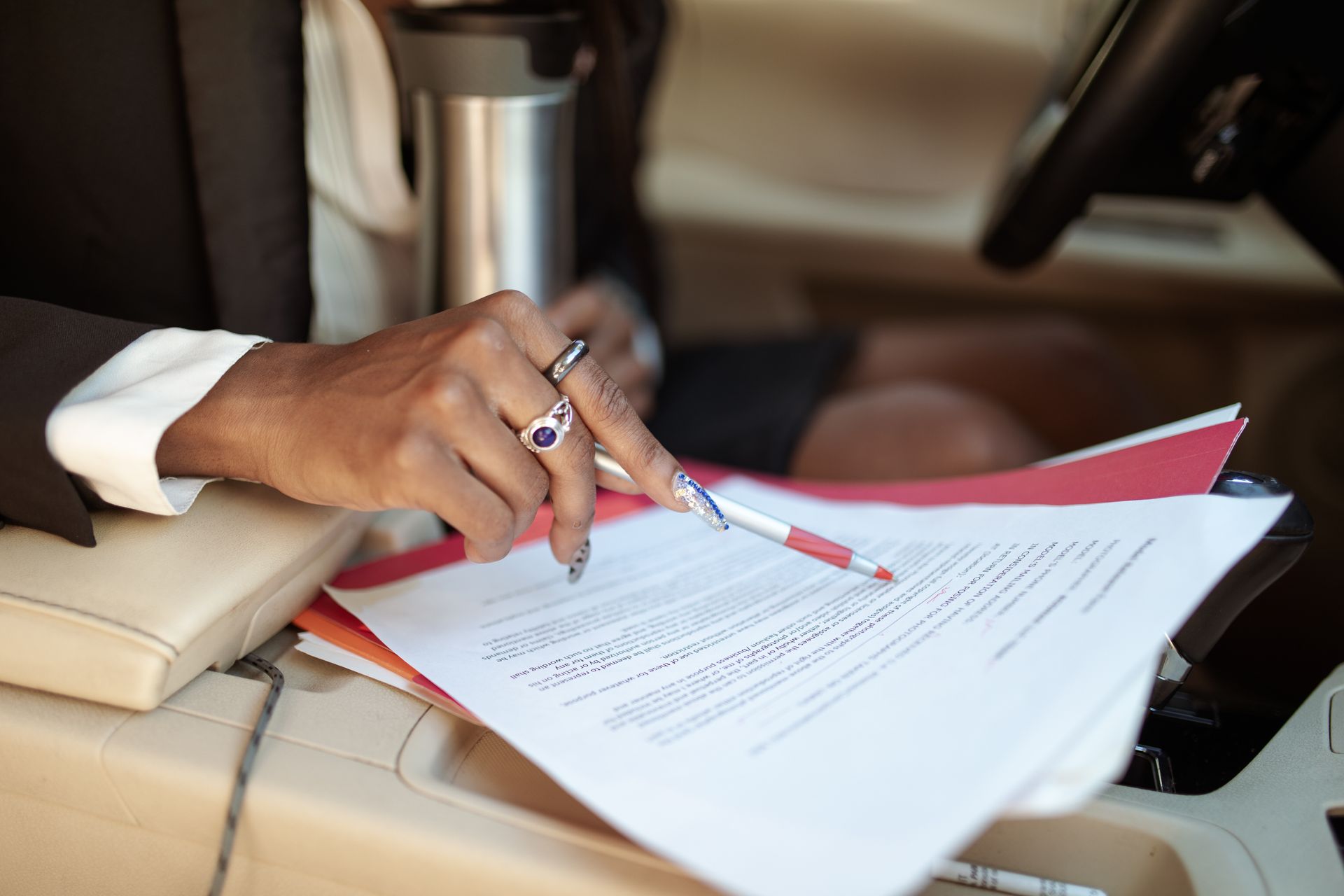
A hire purchase agreement must be in writing and signed by both parties to be valid. This ensures that all terms and conditions are clearly outlined and agreed upon.
The agreement must include a clear description of the goods, such as a car or computer. This description should be in a print that is easy to read without effort.
To be legally enforceable, a hire purchase agreement must include the names and addresses of the buyer and seller. The date of the agreement and the item in question, along with a description, are also essential.
The purchase price, the amount of each installment payment, and the final payment amount must be clearly stated. The payment dates and the annual percentage rate (APR) charged are also crucial.
A hire purchase agreement should specify that it is a hire purchase agreement and indicate the withdrawal period, also known as the cooling-off period. This allows the buyer to cancel the agreement within a certain timeframe, usually 10-15 days.
Here are the key contract provisions that must be included in a hire purchase agreement:
- Clear description of the goods
- Cash price for the goods
- HP price (total sum to be paid)
- Deposit
- Monthly installments (with interest rate disclosure)
- Statement of parties' rights (including right to cancel)
- Right to terminate the contract with a valid reason
These provisions ensure that both parties understand the terms and conditions of the agreement and can make informed decisions.
Considerations and Risks
Hire purchase is a serious long-term financial commitment that requires careful planning.
You should consider the impact of an agreement of this length before signing, as it can have significant effects on your finances.
If you fail to make the required payments, the lender has the right to repossess the asset, which can result in financial loss and damage to your credit rating.
The risk of repossession is higher if you default on the agreement, since you don't legally own the asset until all payments are made.
Repossession can have serious consequences, including financial loss and damage to your credit rating.
Here's an interesting read: What Is an Asset Sale of a Business
Payment and Financing
Hire purchase offers a predictable payment schedule, with fixed payments that make it easier to budget and avoid surprises. You'll know exactly how much you need to pay each month for the duration of the contract.
One of the main benefits of hire purchase is that it eliminates the need for a large upfront payment, making it more manageable for your finances. This can be a huge relief, especially if you're not in a position to pay a significant amount upfront.
With hire purchase, you don't have to worry about a large balloon payment at the end of the contract, as you're paying off the debt gradually. Once you've made the last payment, the asset is yours, and you can enjoy the freedom of ownership without any additional financial burdens.
Comparison and Advantages
Hire purchase is a popular financing option for buying goods, especially for businesses and individuals with limited capital.
It allows you to pay a portion of the purchase price upfront and the remaining amount over a set period, usually with interest.
One of the key advantages of hire purchase is that it requires a lower initial payment compared to other financing options.
This makes it easier to acquire the goods you need without breaking the bank.
Another benefit is that you can use the goods during the payment period, which can help you generate income to offset the costs.
This is particularly useful for businesses that need equipment or vehicles to operate.
Related reading: Cost of Goods Sold
Frequently Asked Questions
What is hire purchase vs leasing?
**Hire Purchase vs Leasing:** Hire purchase gives ownership to the business, while leasing keeps ownership with the leasing company. Choose hire purchase for long-term asset ownership, or leasing for flexibility and lower upfront costs.
What is hire purchase vs loan?
Hire Purchase is a financing option where you pay in instalments and own the vehicle at the end, while a Personal Loan gives you immediate ownership but often at a higher interest rate
Featured Images: pexels.com