Silver rounds can be a solid investment opportunity for those looking to diversify their portfolio and hedge against market volatility. This is especially true given their relatively low premium compared to other precious metals investments.
One key advantage of silver rounds is their liquidity, making them easy to buy and sell. They are widely recognized and accepted by dealers and collectors alike.
Investors can also benefit from the fact that silver rounds are often made from 99.9% pure silver, providing a high level of authenticity and value.
Pros and Cons
Silver rounds can be a great investment option due to several advantages. One of the main benefits is that dealer premiums are usually lower for silver rounds.
You can also easily store silver rounds from the same mint, making them a convenient choice. This is because they're often designed to be stacked, taking up less space.
Silver rounds are generally in high demand, making them easy to liquidate if you need to sell them. This can be a big advantage if you're looking to turn your investment into cash quickly.
Their high demand also makes silver rounds an ideal option for bartering. You can use them as a form of exchange in a pinch, which can be a lifesaver in certain situations.
Investment Considerations
Investing in silver rounds can be a good way to diversify your portfolio, but it's essential to consider the factors that influence their value. Silver rounds are typically more popular due to their protection against inflation compared to coins.
Storage costs and market volatility are potential drawbacks to investing in silver rounds. Market demand drives the price of silver, and public interest in silver, as well as the current availability of the precious metal, are the main factors behind its price.
Investors who prioritize capital appreciation should be cautious about doing business with untrusted mints. Some mints may produce too much of the round, outpacing demand and causing resale value for the piece to crash.
Silver rounds can be a good hedge against inflation, but they also require more careful handling and storage to maintain their condition and numismatic worth. This can be a significant consideration for investors who want to preserve the value of their investment.
Market forces also come into play within the smaller markets of specific coins. By taking a close look at how many of a given coin/round are in circulation, you can approximate market demand over time.
Consider reading: Difference between Market Capitalization and Enterprise Value
Pricing and Value
Silver rounds are often more affordable than silver coins, with lower premiums due to private mints not having to meet the high production value expectations of major mints.
The spot price of silver is the current market price at which silver can be bought or sold for immediate delivery, and it's crucial to consider this when buying silver. Websites like Kitco and the London Bullion Market Association provide up-to-date silver spot prices.
The value of a silver round is driven by several factors, including the spot price of silver, minting quality, and market demand. Premiums above the spot price also play a role in determining the value of a silver round.
You might like: Equity Market Average
Limited Recognizability
Silver rounds have a much lower level of recognizability compared to silver coins.
Investors closely monitor market trends and economic indicators to predict changes in the spot price of silver, affecting their buying and selling strategies.
The limited recognizability of silver rounds may make coins the better call for some investors who want to sell their silver collection down the line.
Suggestion: Investors Assess Cash Flows before
Silver rounds from small, unknown mints can be tough to challenge, especially when compared to well-known coins like the Silver Britannia.
Selling a silver collection filled with unpopular and untrustworthy silver rounds may be more difficult.
You'll eventually want to sell your silver coins or rounds, and keeping recognizability and resale potential in mind can help you make a more informed decision.
Limited recognizability and a potential lack of numismatic value are two main factors that might make silver rounds a less valuable investment than silver coins.
Investors who want to buy silver rounds for resale value may want to consider coins instead, which have a higher level of recognizability.
Pricing and Value of a Round
The value of a silver round is influenced by several factors, including the current silver spot price, minting quality, and market demand.
The spot price is the current market price at which silver can be bought or sold for immediate delivery, and it's essential to consider how it will affect your overall investment and potential returns.
Curious to learn more? Check out: Current Spot Gold and Silver Prices
A premium is added to the spot price, which includes the cost of minting, distribution, and dealer margin. This premium can vary based on the mint's reputation, design intricacies, and market demand.
Private mints can often afford to charge a smaller premium on their rounds because they don't have to offer the high production value collectors expect from major players like the U.S. Mint.
Silver rounds are not always more affordable than silver coins, as new mints may mark their 'exclusive' silver rounds up in price to make up for the heightened costs of running a small retail minting operation.
However, for the most part, private mints can offer silver rounds at a lower premium than major government-backed mints, making them a more cost-effective option.
The primary factors influencing the value of silver rounds include the current silver spot price, minting quality, and market demand, as well as premiums above the spot price.
Investors closely monitor market trends and economic indicators to predict changes in the spot price, affecting their buying and selling strategies.
For more insights, see: Silver Spot Price Predictions
Investment Goals and Strategies
Your investment goals should be your top priority when deciding between silver rounds and coins. Consider whether you want to make as much money as possible or collect unique bullion pieces.
Silver rounds offer a greater variety, while coins are a stable, valuable option for investment. Their differences can end up costing you time and money if you don't understand them.
To select the right silver product for your portfolio, consider your investment goals, budget, and storage options. Silver coins may be preferable if you're interested in the historical and collectible aspects or are seeking assets with recognized worldwide liquidity.
Long-Term vs. Hobby
As you consider your investment goals, it's essential to determine whether you're looking to build a long-term portfolio or simply enjoy the hobby of collecting unique silver pieces. If profit is your primary objective, consider the consistent collectible appreciation value of silver coins.
Silver coins offer a stable, valuable option for investment, but they may carry a higher premium over the bullion value. This could be a drawback for investors interested in the metal content. They also require more careful handling and storage to maintain their condition and numismatic worth.
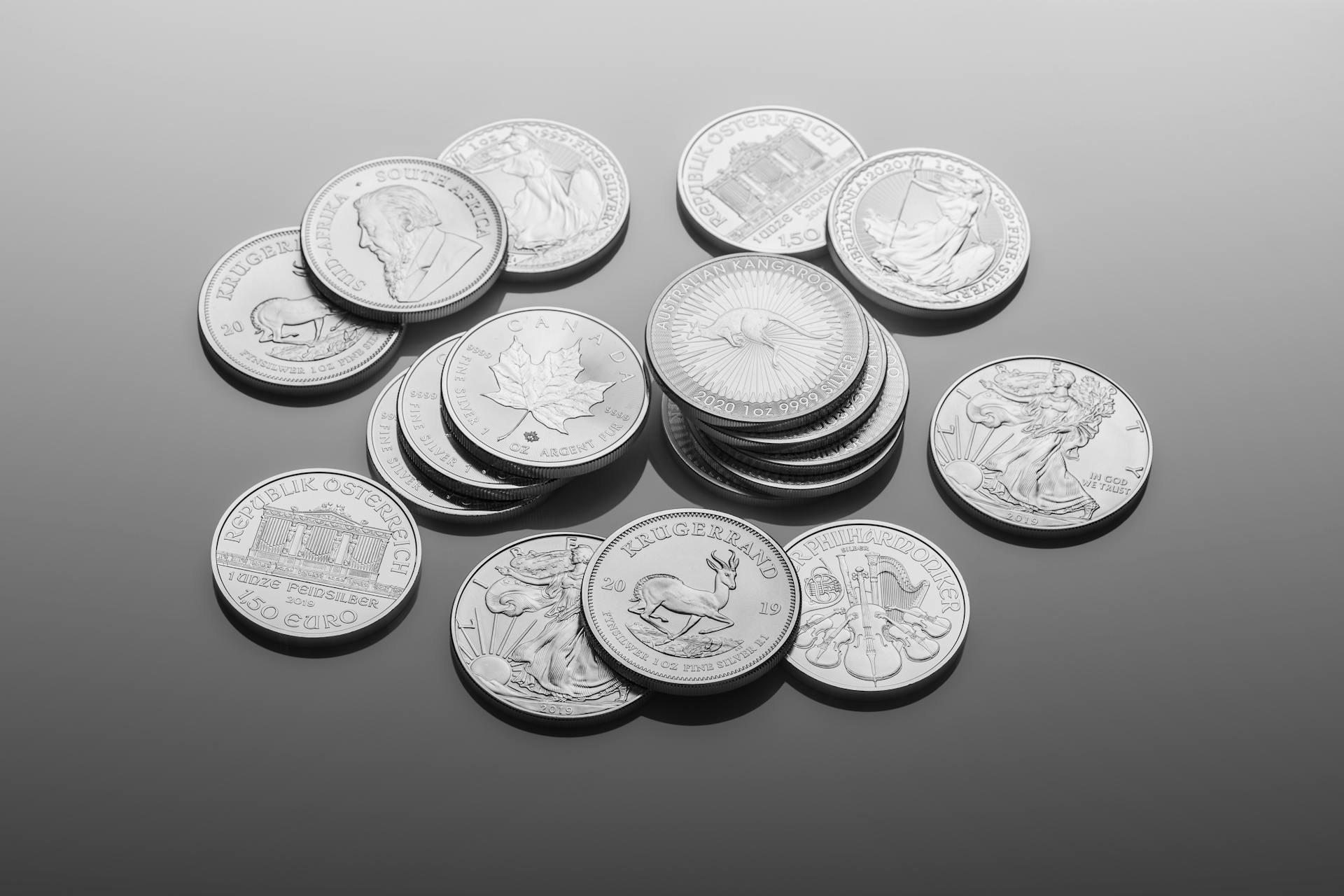
For collectors who are mainly hobbyists, silver rounds are often the better choice. This is because rounds offer a wider variety of mints producing unique designs, making them more suitable for those who appreciate intricate and beautiful pieces.
Ultimately, your investment objectives should be your top priority, and understanding the pros and cons of each option will help you make an informed decision. Silver coins may provide legal tender status, higher liquidity, and collectability, but they also come with a higher premium and storage costs.
Assessing Your Goals
Your investment goals should be your top priority when deciding between silver rounds and coins. You want to know whether you're trying to make a profit or build a unique collection.
Consider whether you want to enjoy unique bullion pieces or focus on making as much money as possible. Rounds offer a greater variety, while coins are a stable, valuable option for investment.
Think about your budget and storage options, as these will impact your decision. Silver coins may be preferable if you're interested in the historical and collectible aspects, while silver rounds or larger bars may be more suitable for investors focused on bullion content and cost efficiency.
Not all investors are interested in maximizing long-term profits, and that's okay. If your goal is profit alone, consider the consistent collectible appreciation value of silver coins. But if you're a collector who loves intricate designs, rounds are usually the better call.
Ultimately, your investment goals will determine whether you should buy silver rounds or coins. Take the time to assess your objectives and make an informed decision that aligns with your financial goals.
Readers also liked: Internal Rate of Return Decision Rule
Investment Options and Comparison
Silver rounds and coins are both popular investment options, but they have some key differences. Silver rounds are purely bullion products with value tied directly to their silver content and market spot price.
A key factor to consider is liquidity, with silver coins often having higher liquidity due to their status as legal tender and broader recognition. This means they may be easier to sell quickly and at a good price.
Here's a comparison of silver rounds and coins:
Ultimately, the choice between silver rounds and coins depends on your investment goals and priorities.
Secondary Market Performance
Secondary market performance is a crucial factor to consider when deciding whether to invest in silver rounds or coins. Public interest in silver drives the price, and market forces also come into play within smaller markets of specific coins.
Research shows that coins like the silver Britannia have consistent resale value appreciation. This is because people will always be interested in buying a silver Britannia.
Rounds, on the other hand, can have massive resale potential, but it can be a gamble. Some rounds can be expensive, depending on the mint producing them and the volatility of the present silver market.
To approximate the secondary market numismatic value of a piece, factor in the spot price of the silver it contains and research how much coin/round owners are getting for their pieces. This can give you a good idea of the market's demand and liquidity.
Accessibility
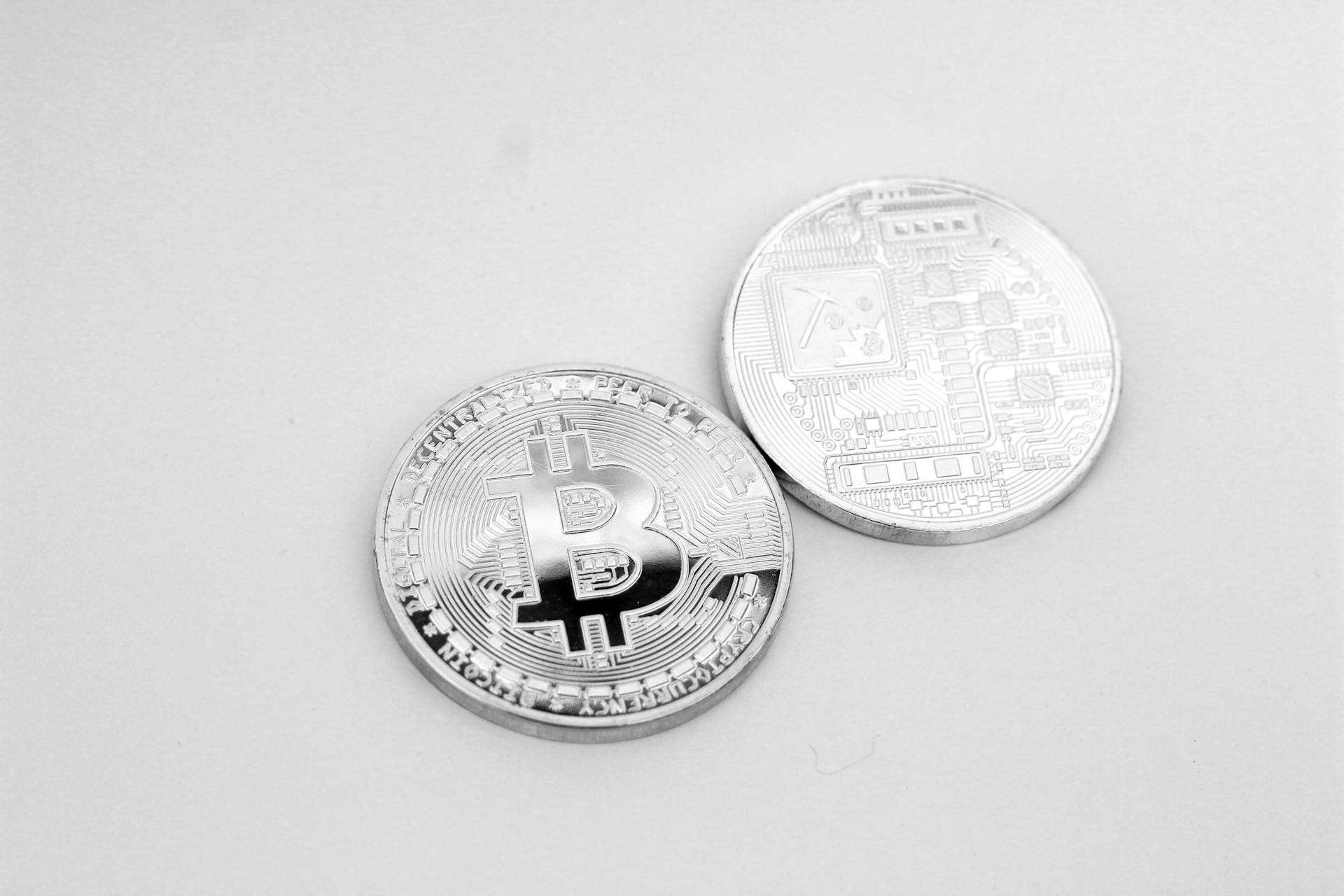
Accessibility is key when it comes to investing in precious metals, and silver rounds are a great option for those on a budget.
Silver rounds are likely the better investment choice if you're looking for the cheapest option available.
They're more affordable and widely available than other types of silver investments, which can make them a more accessible choice for those who are just starting out.
But keep in mind that the cheaper, more available rounds on the market may have trouble securing long-term numismatic appreciation.
This is especially true for popular government coins like the Silver Canadian Maple, which can increase in value over time due to their rarity and collectibility.
Bars for Best
Silver bars are a popular choice for investors looking for a straightforward, no-frills way to own silver. They are often the most cost-effective option, with a lower premium over the spot price of silver compared to coins or rounds.
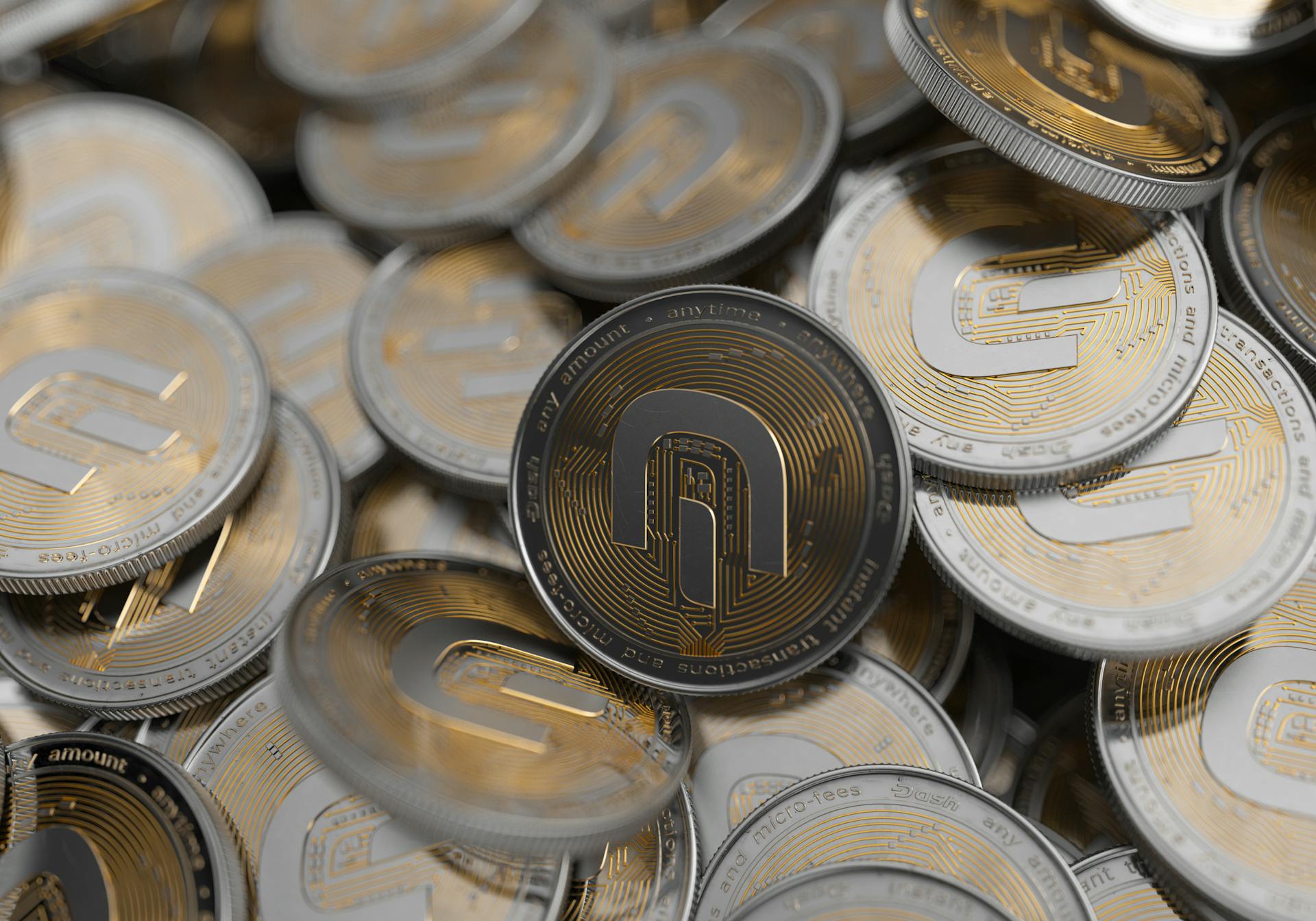
One of the key benefits of silver bars is that their value is tied directly to their silver content and market spot price, making them a more pure form of bullion. This is in contrast to coins or rounds, which may carry additional value due to factors like rarity or collectibility.
Silver bars come in various sizes, ranging from small 1 oz bars to larger 100 oz bars. This allows investors to choose the size that best fits their investment goals and budget.
Here's a comparison of the different forms of silver:
As you can see, silver bars offer a more straightforward and cost-effective way to own silver. They are a great option for investors who want to focus on the intrinsic value of the metal rather than its collectible or historical value.
Investment Risks and Safeguards
Proper storage in a secure location, such as a home safe or a deposit box, is essential to protect against theft and environmental damage.
Maintaining privacy regarding your investment is also essential to protect your assets further.
Insuring your silver holdings can cover loss or damage, providing an added layer of security for your investment.
Cons
One of the biggest cons of investing is the risk of losing your entire investment, as seen in the case of market crashes. This can happen suddenly and without warning.
In fact, the 2008 financial crisis saw stock markets plummet by as much as 50% in a matter of months. This was due to a combination of factors including subprime mortgage defaults and a credit crisis.
The lack of diversification can also lead to significant losses, as we saw in the case of the tech bubble bursting in the early 2000s. Many investors who had put all their eggs in the tech sector saw their investments wiped out.
Investing in high-risk assets can also result in significant losses, as we discussed in the section on high-risk investments. These assets often have a higher potential for returns, but also come with a higher risk of default.
The risk of inflation can also erode the value of your investments over time, as seen in the case of the 1970s and 1980s. This can be particularly problematic for long-term investments.
Expand your knowledge: Country Risk Premium Aswath Damodaran
Investing in vs. Liquidity
Silver coins, especially those from sovereign mints, can be more liquid due to their status as legal tender and broader recognition.
Investors may find it easier to sell silver coins, such as American Silver Eagles or Canadian Silver Maple Leafs, because of their widespread recognition among buyers.
Silver rounds, on the other hand, may not be as instantly recognizable to some buyers, potentially affecting their liquidity.
While silver rounds are generally easy to sell, their liquidity may be lower than that of silver coins.
Safeguarding Your Money
Safeguarding your money is crucial to preserving its value. Proper storage in a secure location is essential to protect against theft and environmental damage.
Silver coins, in particular, require more careful handling and storage to maintain their condition and numismatic worth. This means taking extra precautions to prevent damage or loss.
Storing your silver investment in a home safe or a deposit box can provide the level of security you need. Consider insuring your silver holdings to cover loss or damage.
Maintaining privacy regarding your investment is also essential to protect your assets further. This can be achieved by keeping your investment details confidential.
Understanding Silver Rounds
Silver rounds are privately minted silver products valued primarily for their silver content. They typically contain one troy ounce of silver, though different weights are available, and the absence of a legal tender status differentiates them from official silver coins like the American Silver Eagle.
The precious metal contained in silver rounds is usually of high fineness, often at 0.999 or 99.9% purity. This high purity level makes silver rounds an appealing commodity for investors looking to add physical silver to their portfolio.
Silver rounds usually have many designs, including replicas of popular coins or unique artwork. The designs add aesthetic appeal to the rounds' value and can make them a more attractive investment option.
Investors closely monitor market trends and economic indicators to predict changes in the spot price of silver, which affects the value of silver rounds. Websites like Kitco and the London Bullion Market Association provide up-to-date silver spot prices.
Suggestion: What's the Price of Spot Silver Today
Here are some key characteristics of silver rounds:
Silver rounds are a cost-effective way to acquire physical silver, and they often feature various designs that can add aesthetic appeal to the rounds' value.
Making an Informed Decision
Before investing in silver, it's essential to think carefully about your investment objectives. Assessing these objectives is key to making an informed decision.
Your investment is your livelihood, and you want to choose a silver product that aligns with your goals.
Consider what you want to achieve with your investment - are you looking for a store of value, a hedge against inflation, or a tangible asset?
Assessing your investment objectives will help you determine whether silver rounds or coins are the best choice for you.
Investing in silver can be a great way to diversify your portfolio and potentially earn returns, but it's crucial to have a clear understanding of your goals.
Featured Images: pexels.com