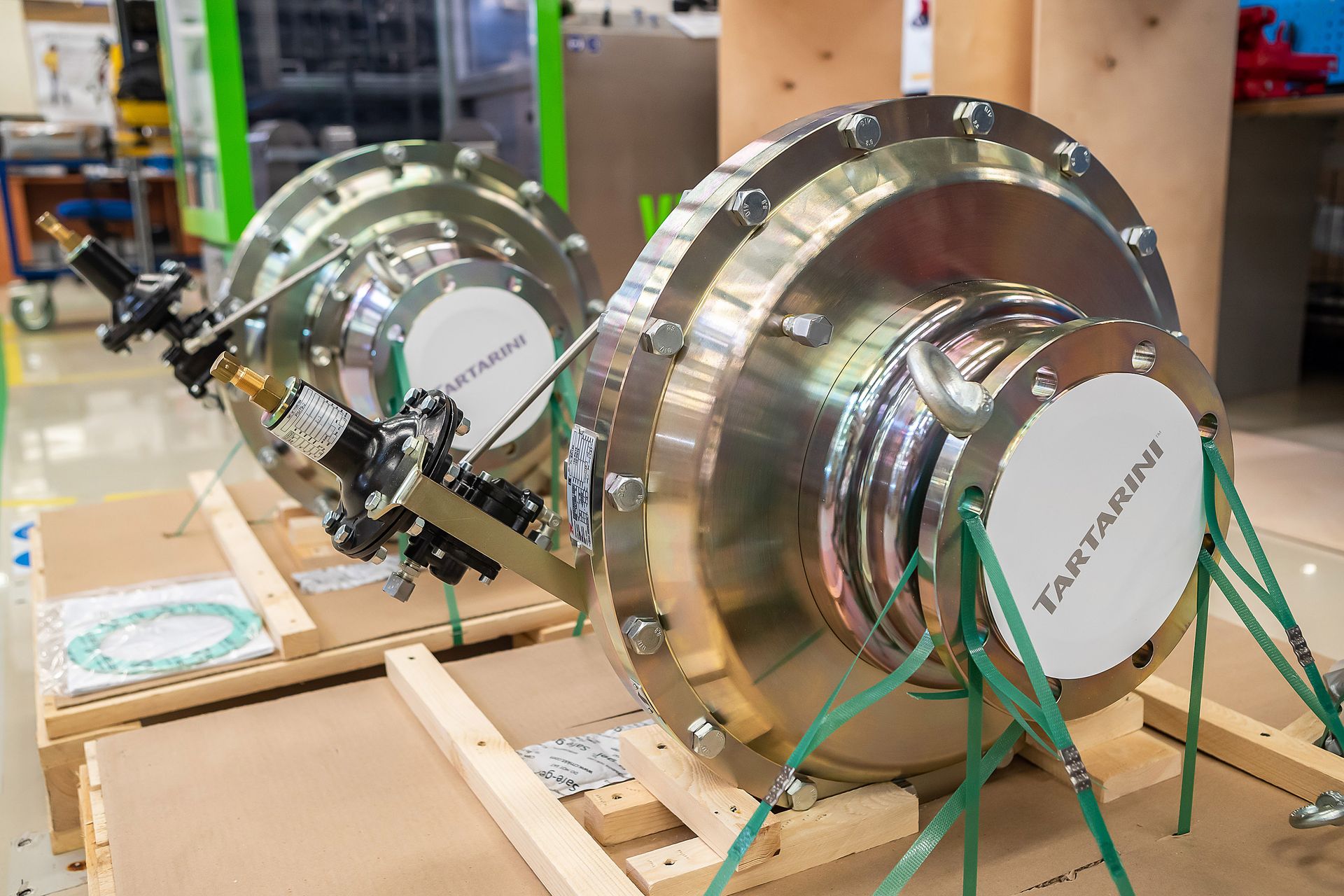
Capital goods are manufactured goods used in the production of other goods, such as machinery, equipment, and tools.
These goods are essential for businesses to operate and grow, enabling them to produce more goods and services.
For example, a textile mill uses capital goods like spinning machines and looms to produce clothing and fabrics.
Capital goods are often durable, meaning they can be used for a long time and are not consumed quickly.
They can be repaired or replaced, extending their lifespan and reducing waste.
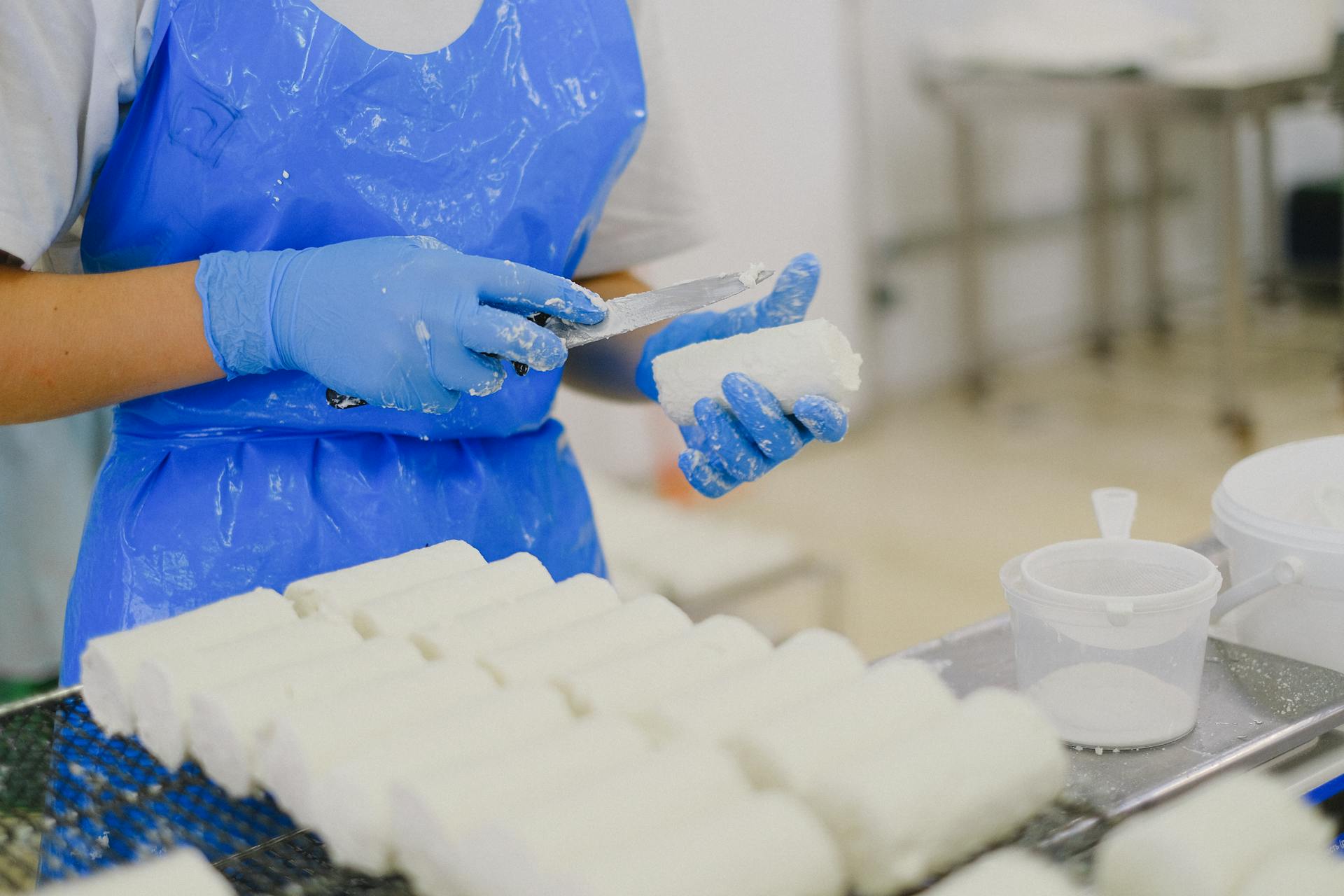
On the other hand, consumer goods are products purchased by individuals for personal use, such as food, clothing, and electronics.
Consumer goods are typically used once and then discarded, making them non-durable.
Examples of consumer goods include food, beverages, and household items.
Expand your knowledge: How to Start a Clothing Brand
What Are Capital Goods and Consumer Goods?
Capital goods are goods used to produce other goods and services, including machinery, equipment, buildings, and tools. They have a longer lifespan than consumer goods and are often more expensive.
Capital goods can be classified into fixed capital and working capital. Fixed capital includes items with a long useful life span, such as buildings and machinery, while working capital refers to current assets like raw materials or inventory.
Investing in high-quality capital goods is essential for businesses looking to grow and remain competitive. It enables them to expand operations while improving production processes, resulting in cost savings down the line.
In contrast, consumer goods are used to satisfy immediate needs or desires of consumers. They are typically less expensive and have a shorter lifespan than capital goods.
The purchase of capital goods requires huge capital investment, but the benefit is received over the years. Business can claim partial tax deduction for depreciation of these goods over their life years.
Broaden your view: Ohio E Check Years
Key Differences
One of the key differences between capital goods and consumer goods is their purpose. Capital goods are used to help produce other products, while consumer goods are bought for personal and final consumption.
Businesses, companies, and manufacturers buy capital goods, whereas consumer goods are bought by consumers.
Consumer goods have a direct demand, as they directly satisfy the needs of consumers. On the other hand, capital goods have a derived demand since they indirectly satisfy consumer needs.
Here's a summary of the key differences:
Consumer goods are characterized by being bought for personal consumption, whereas capital goods are purchased with the objective of generating other products.
The end users of consumer goods are consumers, whereas the buyers of capital goods are manufacturers.
Consumer goods have a direct demand, whereas capital goods have a derived demand.
The suppliers determine the price of consumer goods, whereas companies set the price of capital goods.
While consumer goods are meant for final consumption, capital goods are concerned with final investment.
For another approach, see: Interoperability and Prior Authorization Final Rule
Production and Consumption
Cars are both producer and consumer goods, used for personal and commercial purposes.
Producer goods, like machinery and parts, are used in production processes to create consumer goods.
Some goods, such as fuel and computers, can be used both personally and commercially, blurring the line between producer and consumer goods.
Production Processes
Consumer goods are typically produced on a large scale through standardized manufacturing techniques.
This approach allows companies to meet the demands of a broad consumer market efficiently and cost-effectively.
The production process for consumer goods focuses on mass production to keep costs low and meet the high demand.
In contrast, capital goods may involve more specialized production processes.
These customized products are often tailored to meet the specific requirements of businesses and industries.
Capital goods production prioritizes quality and precision over speed and efficiency.
This difference in approach is reflected in the final product, with consumer goods often being more affordable and capital goods being more high-end.
Recommended read: Tsmc Ceo C.c. Wei to Meet with Trump
Demand and Supply
Demand and supply dynamics play a crucial role in the production and consumption of goods.
Consumer goods are influenced by individual purchasing decisions, seasonal trends, and changing consumer preferences.
The demand for consumer goods is generally more elastic, fluctuating with economic conditions and consumer sentiment.
The demand for capital goods is influenced by factors such as business investment plans, technological advancements, and government policies.
The supply of capital goods is often driven by long-term investment decisions and industrial demand.
Check this out: Cyber Insurance Demand
Consumption
Consumption is a vital part of our economy, and understanding what consumer goods are can help us grasp the concept better. Consumer goods are items purchased for immediate consumption, not kept for later use in production. Examples of consumer goods include food, clothing, electronics, vehicles, and appliances.
These goods are categorized into three types: durable goods, nondurable goods, and services. Durable goods have a long lifespan, typically over three years, and include items like motor vehicles and furniture. Non-durable goods, on the other hand, are meant for immediate consumption and have a lifespan of less than three years, such as food items and clothing.
The distinction between consumption goods and capital goods is crucial. For instance, a refrigerator is a durable good, but the raw materials used to make it, like steel and plastic, are capital goods.
Here are the main categories of consumer goods:
- Durable goods: motor vehicles, appliances, furniture, etc.
- Nondurable goods: food items, clothing, gasoline, etc.
- Services: not physical goods, but rather intangible services like healthcare and education.
Economic Impact
Consumer goods drive consumption and stimulate economic growth by creating jobs, boosting retail sales, and contributing to overall economic activity.
Consumer goods have a direct impact on our daily lives, fulfilling our basic needs and wants. From food to clothing, household items to electronic devices, we rely heavily on these products for our comfort and convenience.
Capital goods support production and investment, leading to increased productivity and economic development. The availability and quality of capital goods are essential for enhancing competitiveness and fostering long-term economic growth.
Without adequate investment in capital goods, businesses would struggle to increase efficiency levels, leading to reduced productivity and affected production capacity over time.
Capital goods facilitate production processes in various industries, such as manufacturing, construction, and transportation, by enabling businesses to increase productivity and create employment opportunities.
Here's an interesting read: Scalable Creative Solutions Large Businesses
Examples
Examples of capital goods and consumer goods can be quite different, but also similar in some cases. A good example is a pre-built computer, which can be a capital good if purchased by a business for commercial use, but a consumer good if sold to an individual for home use.
In general, capital goods are used in production, whereas consumer goods are used for personal consumption. For instance, a restaurant uses a mixer grinder to prepare food, making it a capital good, whereas a household uses the same mixer grinder for personal use, making it a consumer good.
Here are some examples to illustrate the difference:
These examples highlight how the same product can be classified as either a capital good or a consumer good, depending on how it is used and by whom.
Pricing and Role
Pricing decisions for capital goods are often influenced by factors like business budgets, return on investment, and expected lifespan. This is because capital goods are typically large investments that require careful consideration of their long-term value.
Consumer goods, on the other hand, are more subject to price sensitivity among consumers. This means that companies often adjust their pricing strategies to match changing consumer demand.
If this caught your attention, see: Foreign Companies Often Offshore Their Manufacturing Here
Capital goods have a more complex pricing structure, involving considerations such as production costs, technological specifications, and customization requirements. This makes pricing capital goods a more nuanced task than pricing consumer goods.
Businesses need to carefully weigh these factors when pricing capital goods to ensure they meet their business goals and stay competitive in the market.
Recommended read: Surety Bond Pricing
Featured Images: pexels.com