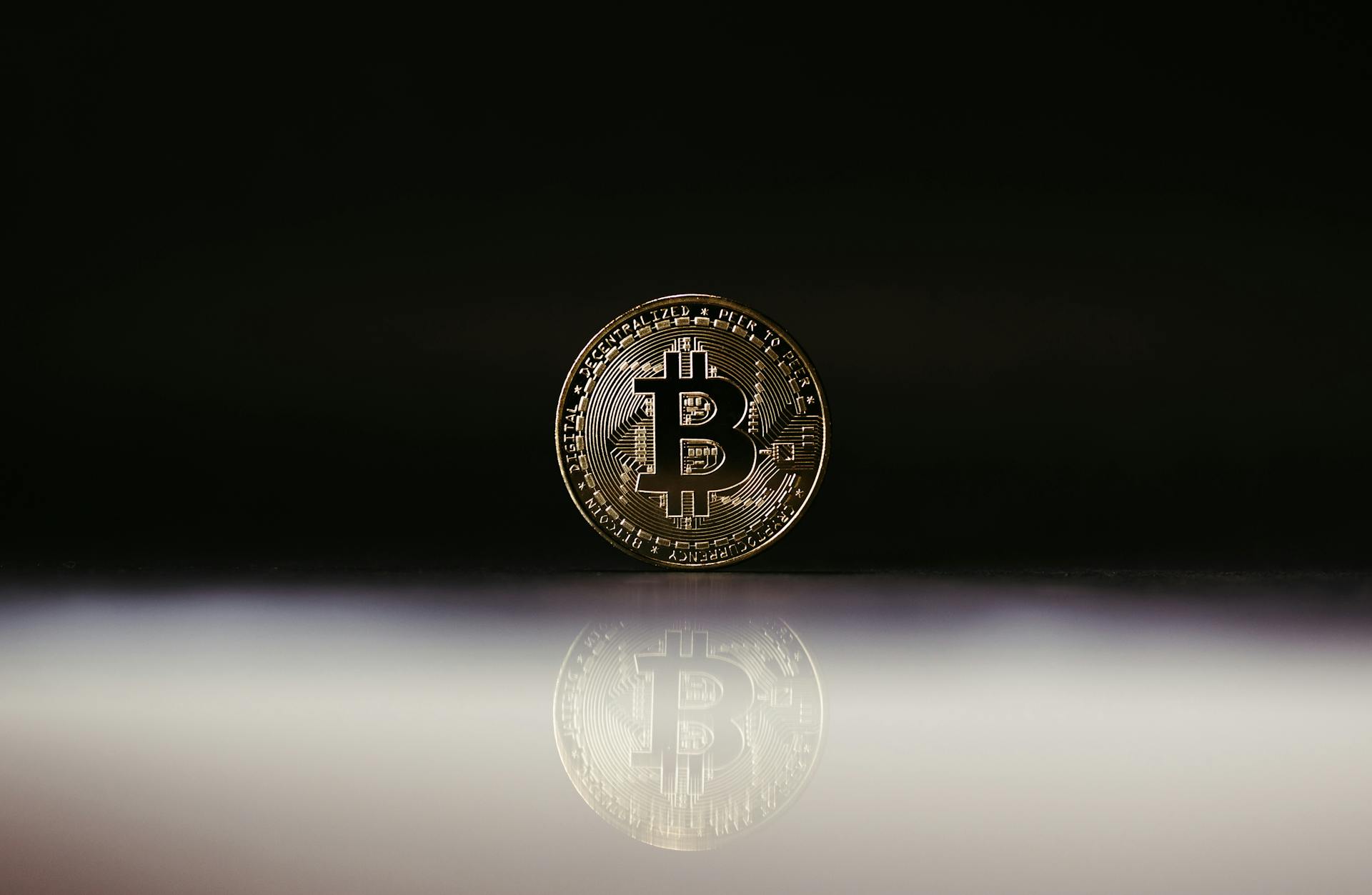
Precious metals have been a popular investment option for centuries, but are they a good fit for your portfolio? They can provide a hedge against inflation, as we saw during the 1970s when gold prices soared to $850 per ounce.
Historically, precious metals have performed well during times of economic uncertainty, with gold prices increasing by 400% between 2000 and 2011.
Investing in precious metals can be a way to diversify your portfolio and reduce risk, as they tend to move independently of stocks and bonds.
Investment Basics
Precious metals are a unique investment opportunity that can add balance to a diverse portfolio. Their performance is typically less connected to that of other asset classes.
One of the key benefits of precious metals is that their price tends to stay steady over time. This is because there's a limited supply of certain precious metals available to investors.
Their value tends to stay steady because there's a limited supply, and this can be beneficial for investors looking for stability.
If this caught your attention, see: National Health Investors Stock Dividend
Precious metals can also hedge against inflation, making them a valuable asset for those concerned about the purchasing power of the dollar.
Here are some key points to consider when it comes to the benefits of precious metals:
- They aren’t correlated with other assets, making them a great addition to a diversified portfolio.
- Their price tends to stay steady over time, providing stability for investors.
- They generally hedge against inflation, helping to preserve purchasing power.
- They can be a tangible asset, allowing investors to store some of their assets at home.
Market Factors
The precious metals market can be volatile at times, but understanding the key drivers can help you make informed investment decisions.
Supply and demand play a crucial role in determining the price of precious metals, with prices rising when demand increases. For example, rhodium has seen a significant price increase due to its use in catalytic converters and the resulting surge in demand.
The value of precious metals is also influenced by their industrial uses, such as gold's use in dentistry and electronics, and silver's use in solar cells and batteries.
Gold's value is more tied to economic factors and demand from traders, whereas silver's demand as an industrial metal can also affect its value.
You might like: Spot Price of Precious Metals Today
Geopolitical concerns can also impact the price of precious metals, particularly platinum, which is mined in limited locations around the world.
National governments, including the U.S., Germany, Italy, France, and Russia, hold significant reserves of gold and silver, which helps to stabilize their currencies.
A significant portion of the world's refined gold is held in private hands, often stored in vaults maintained by financial institutions.
Diversification and Risk
Gold has been consistently uncorrelated to stocks, making it a powerful diversifier in a portfolio.
Silver, on the other hand, has moderately weak positive correlation to stocks, bonds, and commodities.
Gold's limited industrial uses mean it's less affected by economic declines, which is why it's a more effective diversifier than silver.
This makes gold a great addition to a portfolio that includes stocks and bonds, as it can help reduce overall risk.
On a similar theme: Is Gold and Silver a Good Investment
Buying and Selling
Buying and selling precious metals can be a bit tricky, but it's worth understanding the basics. You can meet in person with a banking specialist to place your precious metals order, or visit a TD Foreign Exchange Centre for immediate purchase.
If you prefer to buy physical metal, you'll need to visit a bullion dealer and store it securely in a safe deposit box. It's essential to insure the metal in case something happens to it. Bullion dealers sometimes charge high fees, and selling physical gold can be harder than selling stocks.
You can buy gold or silver coins or bars, but be aware that it's harder to sell physical metal than it is to sell stocks. Gold is the easiest precious metal to sell due to its high global demand and strong liquidity.
You might enjoy: High Roi Business
Key Factors When Buying
When deciding to invest in precious metals, it's essential to consider your individual financial circumstances and objectives.
Morgan Stanley recommends that investors independently evaluate particular investments and strategies, and encourages investors to seek the advice of a Financial Advisor.
Investing in gold or silver may not be suitable for all investors, so it's crucial to assess your own financial situation before making a decision.
The appropriateness of a particular investment or strategy will depend on an investor’s individual circumstances and objectives.
Buy and Sell Options
You can buy and sell precious metals through various channels. You can purchase physical metals from a reputable bullion dealer, such as gold or silver coins or bars.
If you decide to buy physical metal, be aware that bullion dealers sometimes charge high fees, and selling physical gold can be harder than selling stocks.
To purchase physical metal, you'll need to visit a bullion dealer, and once you have the metal, you must store it securely, usually in a safe deposit box.
You can also consider investing in precious metals through Exchange-Traded Funds (ETFs), which have become a popular way for investors to gain exposure to gold and silver without storing physical assets.
However, investing in an ETF doesn't give investors access to the underlying metals, and some precious-metal ETFs are taxed as collectibles and don't benefit from lower long-term capital gains rates.
If you're buying physical metal, make sure you do your research on the dealer's markup and fees, as some charge more than others.
Check this out: What Penny Shares to Buy
Here are some ways to buy or sell precious metals:
- Meet in person with a banking specialist to place your precious metals order.
- Visit a TD Foreign Exchange Centre to purchase precious metals products.
- Buy gold or silver coins or bars from a reputable bullion dealer.
- Consider investing in precious metal ETFs.
The easiest precious metal to sell is gold, due to its high global demand, strong liquidity, and well-established market.
Types of Investments
There are several types of investments in precious metals to consider. Gold and silver are strong contenders, with gold ideal for stability and long-term security, and silver offering potentially higher returns with more volatility.
You can invest in physical precious metals, such as gold bars and coins, which can be bought from reputable bullion sellers. Gold bars can be expensive but offer the opportunity to buy a lot of gold at once, while gold coins are more liquid and cheaper.
Another option is to invest in exchange-traded funds (ETFs) or exchange-traded receipts (ETRs), which hold physical reserves of gold, silver, and platinum bullion. These can be bought and sold on stock exchanges, but come with management fees.
You can also invest in shares of mining or royalty streaming companies, which can provide indirect exposure to the commodities. However, this route may expose you to company risk, such as unexpected mine performance or management decisions.
Here are some options to consider:
- Invest in gold and silver ETFs or ETRs
- Buy physical gold bars and coins from reputable sellers
- Invest in shares of mining or royalty streaming companies
Is Cheaper Than
Silver is currently cheaper than gold, making it more accessible to small retail investors who wish to own the precious metals as physical assets. This affordability factor is a significant advantage for those who want to diversify their investment portfolios.
Investing in real estate can be a costly endeavor, but it has the potential to generate significant returns over time. For instance, the value of a property can appreciate rapidly in areas with high demand and limited supply.
Gold is often considered a safe-haven asset during economic downturns, but it can be pricey. In contrast, silver is a more affordable option for those looking to hedge against inflation or market volatility.
Take a look at this: Morgan Silver Dollars
Bars and Coins
Bars and coins are popular options for investing in precious metals. You can buy gold and silver bars or coins from reputable bullion dealers.
Bullion refers to precious metals that are at least 99.5% to 99.9% pure. This means that if you buy a gold bar, it should be at least 99.5% gold.
Check this out: Is It Worth Buying Gold Bars
Gold bars can be expensive, but they give you the opportunity to buy a lot of gold at once. They are also easy to store since you can stack them over each other without any problem.
Gold coins, on the other hand, are much more liquid than gold bars. This means that you can sell them more easily if you need to.
Here are some popular options for gold and silver coins:
- Gold American Eagle coins
- Gold Canadian Maple Leaf coins
- Silver American Eagle coins
- Silver Canadian Maple Leaf coins
If you decide to buy bullion, make sure you buy it only from reputable bullion sellers. This is especially true if you decide to buy bullion online rather than in person.
Gold coins are also cheaper than gold bars because they weigh much less. This can make them a more affordable option for investors who want to buy physical gold.
Ultimately, the choice between gold bars and coins depends on your investment goals and preferences.
For your interest: 2 Penny Stocks to Buy
Mining Stocks
Investing in mining stocks can be a way to tap into the precious metals market, but it's essential to understand their volatility. These stocks are heavily influenced by the prices of the precious metals the parent companies extract.
Mining stocks can be more volatile than broader market indices, which means their value can fluctuate rapidly. This can be a concern for investors who prefer more stable returns.
Investors should carefully consider the risks involved before investing in mining stocks.
Popular Metals
Gold is probably the most popular precious metal for investors, and it's long been heralded as a way to hedge against inflation.
For novice investors, gold is a great place to start, as it has the largest market with the greatest liquidity and the most options for exposure.
Silver is another option to consider, but it's historically been more volatile than gold and subject to price swings.
Platinum is one of the more expensive precious metals and is used in a variety of applications, most notably in the jewelry industry.
Palladium is especially rare and a less common investment, but some investors include it as a diversification tool.
Copper and Rhodium are also worth considering, as they're used in numerous industries and have typically been in demand throughout history.
Here are some of the most popular precious metals to invest in:
- Gold
- Silver
- Platinum
- Palladium
- Copper
- Rhodium
Market Analysis
The precious metals market can be volatile, but understanding its factors can help you make informed decisions.
Research and staying up-to-date are key to navigating the market. If you take the time to do your research, you can better understand what affects the market.
Volatility is a characteristic of the precious metals market, but with the right guidance, you can make the most of it. A trusted advisor can help you make sense of market fluctuations.
Staying informed about market trends and factors can help you decide whether a particular precious metal is a good choice for your savings.
Suggestion: Avantis Emerging Markets Equity Etf
Special Considerations
During periods of market volatility, precious metals can be a safe haven for your investments. In 2022, gold climbed by 0.4%, silver rose 6.3%, and platinum jumped by 12.2% while stocks and bonds recorded double-digit losses.
Inflation can erode the value of your money, but not gold. In 1935, you could buy a basic car for about US$500, or the equivalent of 14 ounces of gold, when it was trading for about US$35 an ounce.
A small portion of your wealth in precious metals can help ensure a part of your portfolio is less likely to experience the same swings in value as your stocks and bonds.
Curious to learn more? Check out: Are Us Treasury Bonds a Good Investment Now
Getting Started
If you're new to investing, it's essential to start with a solid foundation.
Precious metals have historically performed well during times of economic uncertainty.
To get started, you'll need to decide which type of precious metal investment is right for you. This could be physical bullion, such as gold or silver coins, or a more liquid investment like gold ETFs.
Where to
If you're new to this topic, you might be wondering where to start.
The best place to begin is with the basics, which we covered in the "Understanding the Fundamentals" section.
Start by learning the key concepts, such as the definition of the topic and its history.
This will give you a solid foundation to build upon, just like laying the groundwork for a new project.
The "Setting Up Your Space" section provides valuable tips on how to create an optimal environment for learning and growth.
Make sure to follow the advice on how to arrange your workspace and minimize distractions.

By doing so, you'll be able to focus on the task at hand and make progress at a faster rate.
The "Getting Familiar with Tools" section highlights the essential resources you'll need to get started.
Invest in a good quality [tool] and learn how to use it effectively.
This will save you time and effort in the long run, and help you achieve your goals more efficiently.
How to
To get started, it's essential to define your goals and purpose. This will help you stay focused and motivated throughout the process.
Set specific, measurable, achievable, relevant, and time-bound (SMART) goals that align with your values and priorities. For example, if you want to learn a new skill, identify a specific skill you want to acquire and set a timeline for achieving it.
Develop a clear understanding of your target audience and their needs. This will help you create content that resonates with them and addresses their pain points. Research your audience's demographics, interests, and behaviors to create a buyer persona.
Create a content calendar to organize and schedule your content in advance. This will help you maintain consistency and ensure that you're publishing high-quality content regularly. Use a calendar or planner to plan and schedule your content for the next month or quarter.
Start small and focus on one task at a time. Break down larger tasks into smaller, manageable chunks, and prioritize them based on their importance and urgency. For instance, if you're creating a new product, start by developing a prototype and then move on to testing and refining it.
Use a project management tool, such as Trello or Asana, to stay organized and on track. These tools allow you to create boards, lists, and cards to visualize and manage your tasks and projects.
Frequently Asked Questions
What is the best precious metal to invest in?
For investors, gold is a popular choice due to its durability and versatility, making it a reliable option for portfolios. Consider gold bullion for its malleability and various forms, including coins, bars, and more.
What does Warren Buffett say about precious metals?
Warren Buffett views gold as lacking value due to its limited practical uses, but sees silver as a valuable investment with many practical applications. He has invested nearly $1 billion in silver, highlighting his differing opinions on these precious metals.
Why are precious metals not a good investment?
Precious metals may not be suitable for investors seeking regular income, as they do not generate interest or dividend payments. They may also lose value in a declining market, resulting in a lower sale price than the original investment.
Is it better to invest in stocks or precious metals?
The choice between stocks and precious metals depends on your individual financial goals, risk tolerance, and investment strategy. Consider investing in precious metals for stability and diversification, or stocks for potentially higher returns.
Featured Images: pexels.com