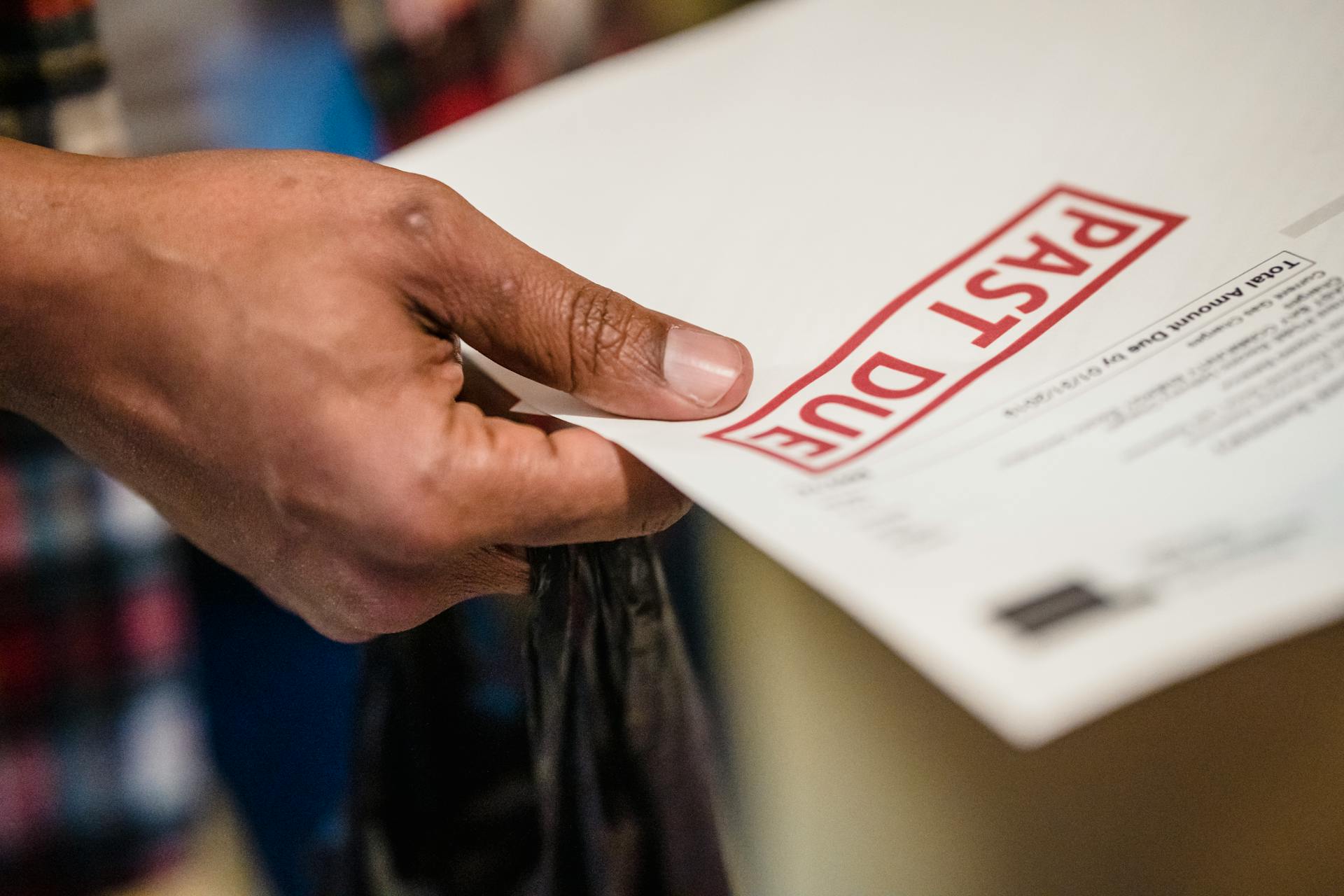
Unlimited liability in business means that business owners are personally responsible for all debts and obligations of the company, leaving their personal assets at risk.
This can be a major drawback, as it can result in the loss of personal savings, investments, and even homes in extreme cases.
In contrast, limited liability protects business owners by separating their personal assets from those of the company.
Limited liability is a key benefit of forming a corporation or limited liability company (LLC), which can provide a level of protection from personal financial risks.
Business owners should carefully consider the implications of unlimited liability before starting or expanding a business.
Consider reading: Unlimited Liability Corporation
What Is Unlimited Liability?
Unlimited liability means that a business owner's personal assets are at risk in case the business incurs debts or liabilities.
This can be disastrous if the business fails, as the owner's home, savings, and other personal possessions can be seized to pay off debts.
Intriguing read: What Is Business Owners Insurance

Businesses with unlimited liability include sole proprietorships and partnerships, where the owner or partners are personally responsible for the business's debts.
This type of liability can be particularly challenging for small business owners who may not have the financial resources to cover business losses.
In the event of a business failure, unlimited liability can lead to a loss of personal assets, credit score damage, and even bankruptcy.
Curious to learn more? Check out: Business Advantage Unlimited Cash Rewards Secured Business Credit Card
Types of Business Structures
A sole proprietorship is a type of business structure with unlimited liability, where the business owner is fully responsible for all losses and debts.
This structure is unincorporated, meaning business owners don't need to register their business with the state to operate legally, giving them more freedom and fewer compliance regulations.
In a general partnership, two or more individuals share ownership of the business, including profits, assets, debts, and losses, making each partner equally liable for business debts and financial obligations.
You might like: Business Losses on Personal Taxes

Business owners who prefer simplicity and direct accountability may opt for unlimited liability, but they should carefully assess the potential risks associated with it.
Limited liability structures, on the other hand, offer greater protection and are often more attractive to investors, who are only liable for their investment in the company.
In the UK, entrepreneurs must understand the nuances of unlimited liability structures, such as sole proprietorships and general partnerships, to navigate the complexities of personal liability.
Choosing the right business structure depends on risk tolerance, financial situation, and growth plans, and business owners should consider their personal financial situation, risk tolerance, and long-term goals when deciding between unlimited and limited liability structures.
For your interest: Is Consulting a High Risk Business
Pros and Cons of Unlimited Liability
Unlimited liability can be a double-edged sword for business owners. It offers some benefits, but also comes with significant drawbacks.
One advantage of unlimited liability is that it encourages responsible business practices, as owners are personally accountable for the company's financial well-being. This can simplify decision-making processes and promote a sense of ownership.
Here's an interesting read: Business Owners Policy Form
However, this structure also means that business owners are personally responsible for company debts, which can be devastating if the individual has to use their own assets to pay a large company debt.
Sole traders can retain all of their profits after tax has been deducted, but they may find it harder to secure funding due to the greater degree of risk involved.
Business owners with unlimited liability may also face difficulty in attracting investors and partners due to the perceived risk involved in this business structure.
Here are some key risks associated with unlimited liability:
- The potential loss of personal assets, such as homes, savings, and investments.
- Difficulty in attracting investors and securing financing.
- The stress and mental burden of bearing full responsibility for the business's financial obligations.
- Legal implications, such as lawsuits and disputes.
Risk Exposure and Protection
With unlimited liability, you're exposed to a significant amount of personal risk. You could be forced to use your personal assets, such as your savings, investments, and property, to cover any losses.
In the event of business failure or legal issues, creditors can seize personal possessions to settle business debts, potentially leading to significant financial loss. This can have long-lasting financial consequences for business owners.
Readers also liked: What Does Accredited by Better Business B Mean
The risks associated with unlimited liability include the potential loss of personal assets, difficulty in attracting investors and securing financing, and the stress and mental burden of bearing full responsibility for the business's financial obligations.
Here's a comparison of the risks associated with unlimited liability and limited liability:
Limited liability provides a degree of protection for business owners, shielding their personal assets from being used to settle business debts. This separation of personal and business liabilities helps protect personal assets from being affected by the financial difficulties of the business.
Choosing the Right Structure
Unlimited liability can be appealing for its simplicity, but it's essential to weigh the pros and cons before making a decision.
In the UK, business owners don't need to register a sole proprietorship or general partnership with the state, giving them more freedom and fewer compliance regulations to navigate.
However, this lack of registration means there's no legal distinction between the business owner and the business, making them equally liable for business debts and financial obligations.
A unique perspective: Can I Lease My Car to My S Corp
If you're considering an unlimited liability company, think about your risk tolerance and financial situation.
Limited liability offers more protection, but some entrepreneurs prefer unlimited liability for its direct accountability.
Business owners with a high risk of insolvency should structure their company as a limited liability business entity to minimize personal risk.
Ultimately, choosing the right business structure depends on your specific needs and goals.
Intriguing read: Business Forms That Have Unlimited Personal Liability Include
Comparison with Limited Liability
Unlimited liability means that business owners are personally responsible for the debts and obligations of their company. This is a significant difference from limited liability, where owners' personal assets are protected from business debts.
In unlimited liability, business owners are legally obligated to repay the debt obligations of their companies, which can be a heavy burden. For example, if a business fails, any capital from the business would be seized, as could any personal assets that could contribute to covering the debt.
Limited liability companies, on the other hand, separate the business from the personal accounts of the owners and/or partners. This means that business owners are not legally obligated to repay the debt obligations of their companies.
A fresh viewpoint: Does Fema Help Business Owners
Here are the key differences between unlimited liability and limited liability:
This means that with unlimited liability, owners' personal assets are not protected from business debts.
Featured Images: pexels.com