
A Business Owners Policy (BOP) form is a crucial tool for business owners to protect their assets and operations. It's a single policy that combines multiple coverage types, including liability, property, and business interruption insurance.
This comprehensive policy form is designed to provide business owners with financial protection against various risks. By understanding the BOP form, you can make informed decisions about your business's insurance needs.
A BOP form typically includes liability coverage, which protects your business against lawsuits and claims. This coverage type is essential for businesses that interact with customers, employees, or the public.
Liability coverage can be tailored to fit your business's specific needs, including professional liability, product liability, and employment practices liability.
Additional reading: Can I Lease My Car to My S Corp
Eligibility and Application
Eligibility for a Business Owners Policy (BOP) is based on both the type and size of your business. This means you'll need to consider your annual gross sales and the square footage of your locations.
A different take: What Does Accredited by Better Business B Mean
Businesses with annual gross sales exceeding $6 million or locations larger than 35,000 square feet (excluding basements) are generally not eligible for a BOP. This is according to the current ISO businessowners rules.
Some examples of eligible businesses include apartment buildings, contractors with certain restrictions, and mercantile risks. Here are some specific types of businesses that are eligible for a BOP:
- Apartment buildings of any size, including residential condominium associations
- Contractors with annual payroll of $300,000 or less and doing no work at heights of more than three stories
- Mercantile risks
- Processing and service risks
- Wholesale risks
- Office buildings not over six stories tall or exceeding 100,000 total square feet
- Motels not more than three stories tall, subject to no square foot restriction
- Restaurants
- Self-storage facilities
- Convenience food/gasoline store/restaurants with limited cooking and fast food
- Grocery stores and supermarkets that sell gasoline
On the other hand, certain types of businesses are not eligible for a BOP, regardless of their size. These include manufacturers, auto repair or service stations, and bars and pubs.
Other Information Needed
To apply for a BOP, you'll need to provide some additional information. You'll need to choose when you'd like coverage to begin, and Insureon can usually provide it within 24 hours.
Some businesses need coverage as soon as possible, while others can wait. You'll also need to disclose any insurance claims you've made and whether you've been rejected by an insurance company.

Business partners and co-owners may also have insurance claims or rejections that need to be disclosed. You may need to check with them to ensure all necessary information is included.
General liability insurance policies can range from $300,000 to $2 million in lawsuit coverage for small businesses. Policies start at $5,000 worth of property insurance, which should correspond to the value of your equipment, supplies, and commercial property.
If you're purchasing a BOP to fulfill the requirements of a lease or contract, be sure to review the document carefully. Your new coverage should meet the requirements specified in the lease or contract.
Eligibility
Eligibility for a Business Owner's Policy (BOP) is based on both the type and size of your business. Businesses with annual gross sales of no more than $6 million and locations that don't exceed 35,000 square feet (excluding basements) are generally eligible.
Some examples of eligible businesses include apartment buildings, contractors with certain restrictions, mercantile risks, and restaurants. You can also insure business personal property in eligible apartment buildings, offices, and mercantile, wholesale, service, or processing operations.
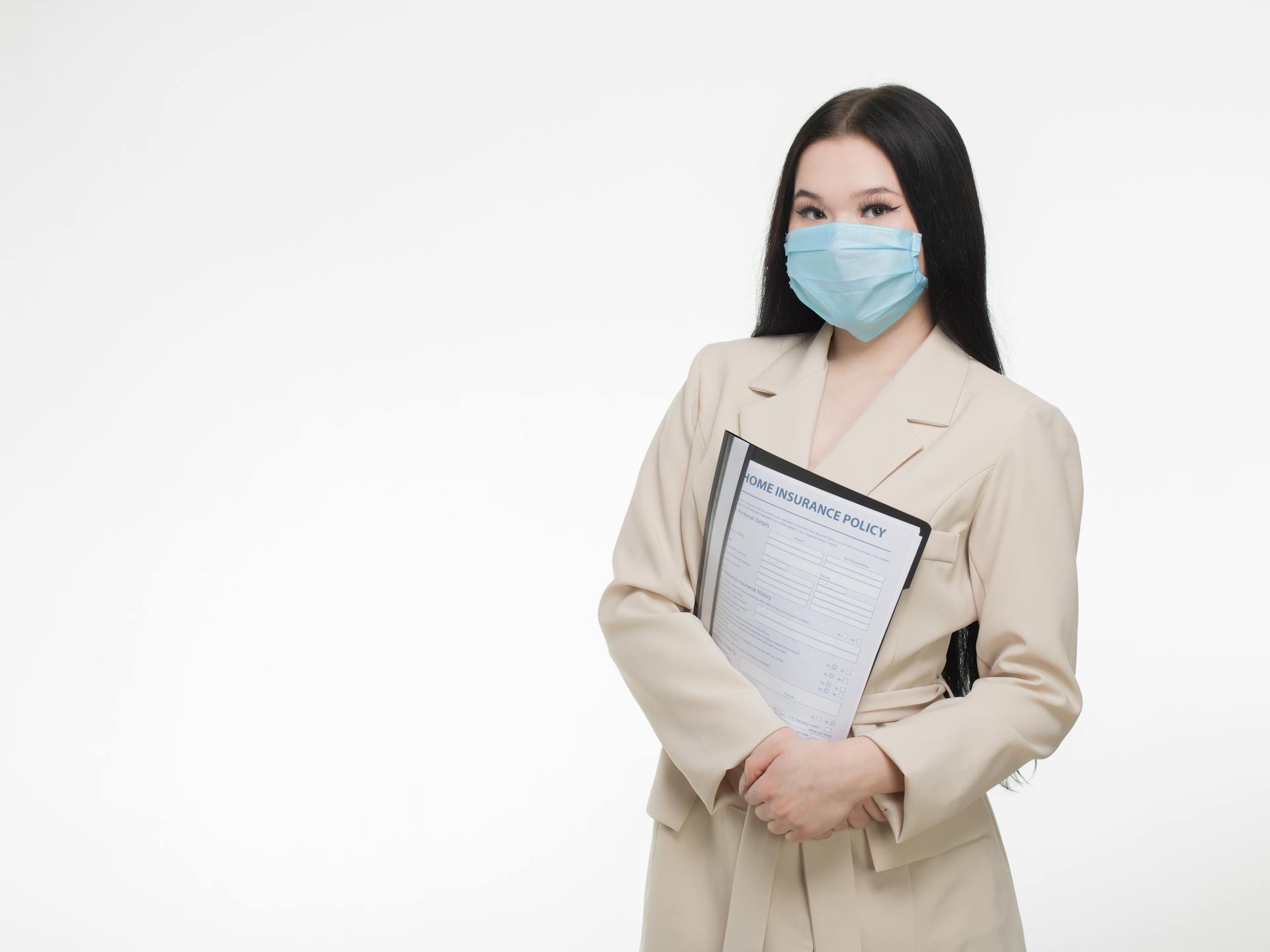
Manufacturers, auto repair or service stations, and bars and pubs are currently ineligible under ISO businessowners program rules, regardless of their size. Other ineligible businesses include places of amusement, banks, and financial institutions.
Here's a summary of eligible business types:
- Apartment buildings of any size
- Contractors with annual payroll of $300,000 or less and doing no work at heights of more than three stories
- Mercantile risks
- Processing and service risks
- Wholesale risks
- Office buildings not over six stories tall or exceeding 100,000 total square feet
- Motels not more than three stories tall, subject to no square foot restriction
- Restaurants
- Self-storage facilities
- Convenience food/gasoline store/restaurants with limited cooking and fast food
- Grocery stores and supermarkets that sell gasoline
Owner's
As you consider applying for a business owner's policy, it's essential to understand the owner's role in the application process.
You'll need to apply for two policies: general liability insurance and property insurance. This means you'll have to answer questions about your business liabilities and property.
The application process will ask about potential incidents that could lead to lawsuits, as well as questions about your business property.
A business owner's policy includes two policies: general liability insurance and property insurance.
Here's a breakdown of the two main coverages provided in a BOP:
- Liability coverage: protects against customer injury and damage to client property
- Property coverage: covers commercial buildings, movable property, debris removal, loss of income, and pollution cleanup
You'll receive two insurance policy forms for the general liability insurance portion of your coverage and two more for the property insurance portion. Each policy document explains what is and what is not covered, and is likely between 50 and 100 pages.
A one-page document, called the proof of coverage document, will summarize the basics of your coverage and prove you're covered.
For your interest: The Two Standard Renters Insurance Policies Are Broad Form and
Policy Components
A business owner's policy (BOP) is a comprehensive insurance package that combines multiple coverage types into one policy. This can make it easier to manage and understand your insurance needs.
The BOP typically includes commercial property coverage, which is broader than what's provided in a standard commercial property policy. This means you get more protection for your business assets.
One key advantage of a BOP is that it often includes additional coverages and coverage extensions that must be added to a commercial property policy separately. For example, business income coverage and extra expense coverage are included as additional coverages in the ISO BOP.
These important additional coverages are not subject to a limit of insurance unless the policy has been endorsed to impose a limit. In contrast, business income and extra expense coverage must be added to an ISO commercial property policy by including the appropriate coverage form.
The built-in limits of insurance in a BOP are generally at least as high as, and sometimes even higher than, the built-in limits of a commercial property policy. For example, the limit for loss to electronic data in the ISO BOP is $10,000, compared to $2,500 in an ISO commercial property policy.
Additional reading: Does Excess Business Interest Expense Reduce Basis
Here are some key advantages of a BOP's commercial property coverage compared to a standard commercial property policy:
- BOPs typically include additional coverages and coverage extensions that must be added to a commercial property policy separately.
- The built-in limits of insurance in a BOP are generally at least as high as, and sometimes even higher than, the built-in limits of a commercial property policy.
- BOPs often include optional coverages that can be activated by an entry on the BOP policy declarations page.
Additional Coverage Options
A Business Owners Policy (BOP) is a great way to protect your business, but sometimes it may not have all the coverage you need. You can add extra protection with endorsements that cover specific risks.
For example, a small retail business that keeps cash on site may want coverage for money on premises, which can be added to property insurance to cover theft.
Business interruption insurance is also a must-have, as it covers expenses that accrue when a business is forced to temporarily close after a covered event, such as a storm.
A BOP typically includes some additional coverages and coverage extensions that must be added to a commercial property policy using separate coverage forms or endorsements.
Some key advantages of a BOP over a standard commercial property policy include:
These additional coverages can be a big plus, but every business is unique, and you may need more specific coverage options. Consider adding coverage for employee dishonesty, which can be a significant risk for many businesses.
Some popular additional coverage options include General Liability Insurance, Professional Liability Insurance, Workers' Compensation Insurance, and Cyber Liability Insurance.
Coverage Types
A Business Owners Policy (BOP) typically includes two main coverages: liability and property. Liability coverage protects against claims and lawsuits resulting from customer injuries or property damage.
One of the key benefits of a BOP is that it often includes additional coverages and extensions that must be added to a standard commercial property policy using separate forms or endorsements. For example, business income coverage and extra expense coverage are included in the ISO BOP, but must be added to a standard commercial property policy.
Here are some of the key coverages typically included in a BOP:
- General Liability: Protects against claims and lawsuits resulting from customer injuries or property damage
- Property Insurance: Covers damage or destruction of buildings, equipment, and inventory
- Loss of Income: Provides financial protection if your business is shut down for up to 12 months
- Equipment Breakdown: Covers the cost of repairing or replacing equipment that breaks down or is damaged
- Professional Liability: Protects against claims and lawsuits resulting from services provided to customers
Coverage Types
A Business Owner's Policy (BOP) typically includes two main coverages: liability and property.
Liability coverage protects against costly claims and lawsuits resulting from a customer being injured while at your business, or if you damage other people's property.
General Liability Insurance is a key component of a BOP, covering your business operations and providing protection against claims for bodily injury, property damage, and personal and advertising injury.
Readers also liked: Does Bodily Injury Cover Pain and Suffering
Some examples of companies that use Professional Liability Insurance, also known as Errors and Omissions (E&O) Insurance, include IT consulting, accountants, and architects.
BOPs also typically include property insurance, which protects your building, furniture, equipment, and other valuable assets from natural disasters, theft, and other damage.
Commercial Property Coverage in a BOP is often broader than what's provided in a standard commercial property policy, including additional coverages and coverage extensions.
Here are some key advantages of BOPs over standard commercial property policies:
A BOP can also include other types of coverage, such as Business Interruption Insurance, which covers many of the expenses that accrue when a business is forced to temporarily close after a covered event.
Some businesses may also want to consider adding endorsements to their BOP, such as coverage for money on premises or business interruption insurance.
Overall, a BOP is a comprehensive insurance solution that can provide peace of mind and financial protection for business owners.
Commercial Auto
Commercial auto insurance is a must-have for businesses that use vehicles for work. It covers a variety of vehicles including cars, pickup trucks, box trucks, service utility trucks, food trucks, and semi trucks.
Personal auto insurance may not cover business use, leaving you at risk of having limited or no coverage for accidents, paying out of pocket for repairs, injuries, and more, and even losing your personal auto coverage.
If your business uses hired, leased, or loaned vehicles on a short-term basis, or if employees use their vehicles for your business, you may want to consider employers' non-owned and hired car coverages.
Here are some examples of vehicles that commercial auto insurance covers:
- Cars
- Pickup trucks
- Box trucks
- Service utility trucks
- Food trucks
- Semi trucks
This type of insurance is often required by employers and contracts, so it's essential to have it to avoid any coverage gaps.
Claims and Support
If you're a business owner, you're likely aware that accidents can happen, and unexpected events can arise. There are 11 everyday business activities that suggest you need an umbrella policy.
Running a business can be unpredictable, and claims can arise from a variety of situations. You may need an umbrella policy if you have employees, manage a construction site, or operate a business with a high risk of accidents.
Business owners often underestimate the importance of having adequate insurance coverage. This can leave you exposed to financial risks in the event of a claim.
Policy Details
A business owners policy form typically includes liability coverage, which protects business owners from lawsuits and financial losses due to accidents or negligence.
The liability coverage in a business owners policy form usually includes three types of coverage: bodily injury, property damage, and personal injury.
Business owners policy forms often include a deductible, which is the amount the business owner must pay out of pocket before the insurance coverage kicks in.
The deductible amount can vary depending on the policy and the business owner's preferences.
For more insights, see: What Does Personal and Advertising Injury Cover
Business owners policy forms typically include a limit of liability, which is the maximum amount the insurance company will pay out in case of a claim.
This limit can be set by the business owner or determined by the insurance company.
A business owners policy form may also include a policy period, which is the length of time the policy is in effect.
The policy period can range from one year to several years, depending on the terms of the policy.
Risks and Protection
As a business owner, you're likely aware of the risks that come with running a business. One of the most significant risks is the loss of income due to unforeseen events.
If your business can't open because of damage from a natural disaster or other covered property damage, you could face significant financial losses. This is where business interruption coverage comes in, which can reimburse you for loss of business income.
Extra expenses can also add up quickly, especially if you need to rent a temporary space or hire additional staff to get back on your feet.
Take a look at this: Business Income Form
Buying and Maintaining a Policy
To buy a business owners policy, you should first assess your risks and think about what kind of accidents or lawsuits could damage your business. State Farm agents are business owners too, and they can help you create a plan that meets your needs at a price that fits your budget.
It's essential to work with an agent who understands the unique needs of small business owners. They can guide you through the process and ensure you have the proper coverage. Your local agent can help you re-evaluate your policy every year as your business grows.
To maintain a policy, you should re-evaluate it annually to ensure you have the proper coverage. This is especially important as your business grows and your potential risks increase. You can check in with your local agent to make sure you have the right coverage in place.
On a similar theme: Estate Agent Franchise Business Model
Tips for Buying
When assessing your risks, think about what kind of accidents, natural disasters, or lawsuits could damage your business. What business property do you own that could be at risk?

Working with an agent can be a huge help. State Farm agents are business owners too, so they understand the unique needs of small business owners.
Re-evaluating your policy every year is a good idea. As your business grows, so do your potential risks. Your local agent can help you check in and make sure you have the proper coverage.
Here are some key things to consider when buying a policy:
- Assess your business liabilities and property needs.
- Work with an agent who understands small business needs.
- Re-evaluate your policy annually to ensure proper coverage.
Remember, a good neighbor (like your local agent) can help you create a plan that meets your needs at a price that fits your budget.
Cost
The cost of a Business Owners Policy (BOP) depends on several factors, including location and the value of your physical assets.
A retail store with a high inventory value will typically pay more for a BOP than a small consulting firm with minimal physical assets.
Business size and the number of employees also play a role in determining the cost of a BOP.
For example, a business in an area prone to natural disasters or higher crime rates may face higher premiums than one in a low-crime area.
The coverage limits you choose will also impact the cost of your BOP.
For your interest: Corporate Crime
Policy Features
State Farm offers a wide variety of coverage options that you can tailor to help fit your unique business needs.
You can choose the right coverage at the right price for you with their customizable insurance.
Your local State Farm agent is ready to help your business grow and thrive with good neighbor service you can count on no matter what.
Intriguing read: State Farm Umbrella Liability Policy
Frequently Asked Questions
What type of insurance is not covered by a business owners policy?
A Business Owners Policy (BOP) typically excludes coverage for professional liability, auto insurance, and worker's compensation. This means you may need additional policies to protect your business from these risks.
What is the limit for business income on a business owner policy?
Business owner policy (BOP) coverage limits typically range from $300,000 to $4 million, but the exact limit depends on the specific policy and coverage options chosen.
Featured Images: pexels.com