
Unreported employment can have serious risks and implications for both workers and employers. Workers who are not reported to the government may not receive benefits, such as workers' compensation or unemployment insurance.
This can leave them without financial support in case of an injury or job loss. Employers who fail to report their workers can face penalties and fines.
These penalties can be significant, and in some cases, may even lead to the employer being shut down. Employers may also be held liable for any accidents or injuries that occur on the job.
This can result in costly lawsuits and damage to the employer's reputation.
What is Unreported Employment?
Under-the-table jobs, also known as off-the-books jobs or cash-in-hand jobs, refer to employment arrangements where workers are paid in cash without formal employment contracts or accurate reporting to tax authorities.
These positions often evade taxes, labor regulations, and social security contributions, creating an underground economy outside the purview of official records.
Suggestion: Tax Cuts and Jobs Act Tcja
Under-the-table jobs are a significant component of the hidden economy, which encompasses all unreported economic activities.
It is estimated that the hidden economy represents a substantial portion of global GDP, encompassing transactions and income that remain unaccounted for.
This undermines government revenue and social security systems, making it a pressing issue that affects many countries worldwide.
Intriguing read: Will Insurance Cover Hidden Water Damage
Consequences of Unreported Employment
Working under the table can have serious consequences for both employees and employers. In some states, like California, you can face criminal prosecution if the state Department of Labor finds out.
Employers are the ones who face penalties and fines for working under the table, but employees can be treated as accessories to tax fraud if they specifically ask their employer not to withhold taxes. Willfully ignoring employment laws and the tax code constitutes fraud.
Making an honest mistake with respect to withholding or worker classification results in a civil penalty, but purposely paying workers under the table and refusing to comply with employment laws can result in IRS and state tax department audits, interest and fines on top of the unpaid taxes themselves, and even jail time.
You might enjoy: Fmla Violations Fines
You can sue your employer for working under the table under federal tax and labor laws, and in most cases, state laws. An employment lawyer can help you get restitution for your unpaid taxes and benefits.
If you're caught working under the table, you could be facing fines and penalties for tax evasion, as well as potential criminal charges. Employers who knowingly participate in under-the-table payments may also face damaged reputations and financial setbacks.
Employer and Worker Implications
Employers who engage in unreported employment face substantial penalties, including fines and legal action, if discovered.
Employers also gamble with compromised work quality, as workers without formal protections may be less invested in their jobs, potentially compromising the quality of work and productivity.
Employers who engage in unreported employment face increased scrutiny from tax authorities and the potential for disruptive audits.
For workers, unreported employment can lead to a precarious existence devoid of legal protections and benefits, including lack of legal recourse, no social security benefits, financial instability, career stagnation, and immigration consequences.
The absence of formal employment documentation can make it difficult for workers to dispute unfair dismissal, seek compensation for workplace injuries, or claim unpaid wages.
Intriguing read: What Are the Main Challenges Initial Stage Start Ups Face
Why Workers and Employers Go Off Books
Many workers and employers go off the books because of the temptation of saving on taxes and benefits. This can be a costly mistake for both parties.
Without formal contracts, workers may face difficulties in claiming rights, receiving fair compensation, or seeking recourse in case of workplace disputes or injuries. This lack of protection can leave workers vulnerable to exploitation.
Employers, on the other hand, may think they're saving money by not paying payroll taxes and benefits, but they can still be held accountable for labor law violations. In fact, you can sue your employer for working under the table.
The absence of a paper trail makes it challenging to establish evidence or hold employers accountable for any violations, which can be a major drawback of under-the-table jobs.
If this caught your attention, see: Fmla Confidentiality Violations
Risks for Workers
Workers who take on unreported employment face a precarious existence devoid of legal protections and benefits. They are often ineligible for unemployment insurance, health benefits, or pensions, leaving them vulnerable in times of illness or retirement.
Without a formal employment contract, workers have no legal standing to dispute unfair dismissal, seek compensation for workplace injuries, or claim unpaid wages.
The irregular nature of off-the-books employment can lead to unpredictable income streams, making financial planning and stability challenging to achieve.
For migrant workers, being employed off the books can complicate legal status and risk deportation in some jurisdictions.
Workers without formal protections may be less invested in their jobs, potentially compromising the quality of work and productivity.
The absence of official work history hampers career progression, as unreported workers cannot easily prove their experience or qualifications to potential employers.
A construction worker who was injured on the job found himself without recourse to workers' compensation due to his off-the-books status.
Worth a look: How to Write a Formal Letter
Government and Public Services
Governments worldwide have implemented various responses and policy measures to curb unreported employment. These measures aim to recover lost tax revenues, protect workers, and ensure fair competition among businesses.
Expand your knowledge: Non-gaap Financial Measures
France has increased penalties for employers who fail to declare their workers, making it a deterrent for those considering sidestepping regulations. This approach has been effective in discouraging off-the-books employment.
In Spain, the labor inspectorate has been equipped with advanced data analysis tools to detect patterns indicative of unreported employment. This has helped to streamline the process of identifying and addressing unreported employment.
The United Kingdom has implemented online systems for easy business and employee registration, streamlining the process and making compliance less burdensome.
Discover more: Rate Making
Economy and Public Services
In France, increased penalties for employers who fail to declare their workers have made it a deterrent for those considering sidestepping regulations.
The labor inspectorate in Spain has been equipped with advanced data analysis tools to detect patterns indicative of unreported employment, making it easier to crack down on this activity.
To encourage businesses to report their employees, Italy provides tax credits to small businesses that hire on a permanent basis, aiming to reduce the incentive for informal arrangements.
Related reading: Do Businesses Prefer Cash or Credit

The United Kingdom has implemented online systems for easy business and employee registration, streamlining the process and making compliance less burdensome for entrepreneurs.
Public service announcements in Canada highlight the risks and disadvantages of working off the books, both for employees and the economy, helping to change public attitudes towards formal employment.
The European Union has initiatives to enhance collaboration among member states in tackling undeclared work, demonstrating the importance of international cooperation in addressing this issue.
In Chile, reforms have linked access to certain benefits with formal employment status, providing a clear incentive for workers to seek on-the-books employment and making formal employment more attractive.
Take a look at this: Fx Market Making
Collecting Benefits
Working under the table can make it harder to access benefits and worker protections, like correctly withheld taxes and payroll contributions, paid sick leave, unemployment, and workers compensation claims.
You might lose eligibility for government benefits like unemployment and Social Security Disability if you're working under the table.

Working under the table while receiving Social Security Disability can have disastrous consequences, including nullifying your eligibility and making it virtually impossible to receive benefits again.
Routinely refusing to report under-the-table work can equate to permanent loss of benefits, so it's essential to be honest about your income.
Some states have weekly work requirements to receive food stamps, but federal standards only look at gross monthly income, net household income after eligible expenses, and total assets.
Working under the table can be tempting to qualify for more benefits, but it frequently carries misdemeanor charges and may not always disqualify you from food assistance, depending on where you live.
You may need to provide definitive proof of income, like a paystub, to receive benefits in some states.
Intriguing read: How Long to Receive My Irs Efund via Efile
Social and Financial Impact
Unreported employment can have a significant social and financial impact on individuals and society as a whole. Workers in under-the-table jobs often lack access to vital benefits like health care coverage.

The absence of formal employment contracts in these jobs means workers don't contribute to social security systems, leaving them without retirement pensions. This can be particularly challenging for independent contractors who lack a safety net during times of unemployment or retirement.
The financial vulnerability of independent contractors is exacerbated by their lack of social security contributions, making it difficult for them to plan for their financial future.
Recommended read: Misclassification of Employees as Independent Contractors
State-Level Consequences
State-Level Consequences can be severe for businesses that operate under the table. In some states, like California, you can face criminal prosecution if the state Department of Labor finds out.
Willfully ignoring employment laws and the tax code constitutes fraud, which can result in IRS and state tax department audits, interest, and fines on top of the unpaid taxes themselves, and even jail time.
State tax and labor departments often have more power than the IRS, partly because they're often overlooked, but also because they're not subject to the same code of conduct as Treasury employees.
Additional reading: How Often Does Medicaid Check Your Bank Account

You have more rights when dealing with the IRS, including the right to appeal any findings, representation, and fair treatment by revenue officers. States, on the other hand, may institute harsher fines and punishments.
State revenue departments track data of businesses that operate and file taxes within the state, and a surprise income or sales tax audit could reveal the crime of working under the table.
If you're caught working under the table, you could be treated as an accessory or party to tax fraud if you specifically ask your employer not to withhold any taxes from your paychecks.
Can You Get a Car Loan?
Getting a car loan can be tough when you work under the table. It's not impossible, but banks and car loan services want to see that you have a reliable source of income.
Having tax returns filed and readily available can serve as proof of income, making it easier to get a car loan. This is especially helpful if you're working under the table and can't provide paystubs.
If you don't have your taxes filed yet, a "buy here pay here" car lot with a significant down payment is an option. This can be a viable choice if you can't afford an all-cash purchase for a used car.
Hurt
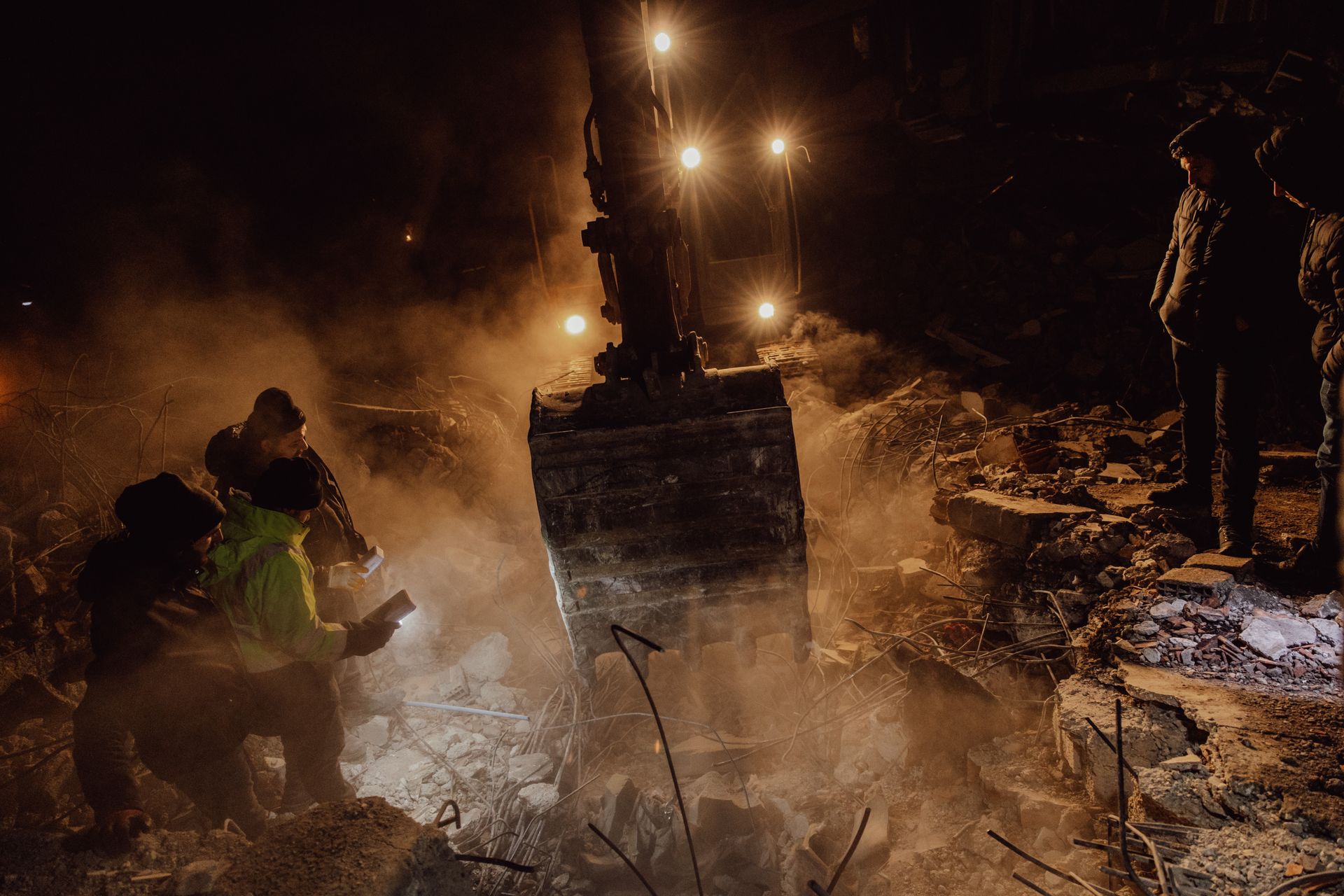
Being hurt on the job can be a nightmare, especially if you're working under the table. Most states have programs like New York's uninsured workers fund to help you out.
If you're injured on the job, you may be eligible for restitution. You should also contact the Legal Aid Society and other resources to help you file for disability payments.
Many states have programs to help workers who are hurt on the job. Check if your state has one like New York's.
A different take: Nvidia Ceo Jensen Huang Says Deepseek Won't Hurt Sales.
Industry and Job-Specific
In the construction industry, nearly 1.2 million workers in the United States were paid off the books, depriving the government of tax revenue and leaving workers vulnerable to injury without insurance or workers' compensation.
Construction projects often involve project-based work, making it easier for contractors to circumvent labor laws and pay workers under the table. For instance, after Hurricane Katrina, a surge in unreported labor was noted as contractors sought to cut costs amidst the rebuilding efforts.
In the agriculture sector, migrant farmworkers are often exploited through the practice of "caporalato", where intermediaries illegally hire and underpay workers, leaving them with little to no legal recourse.
The gig economy has also created new forms of unreported employment, with platforms like ride-sharing and food delivery services misclassifying workers as independent contractors to avoid traditional employment regulations and benefits.
Small businesses in the retail and service industries may employ workers off the books to minimize costs, as seen in a study in Italy where unreported employment was prevalent in small family-run businesses, often based on informal agreements rather than legal employment contracts.
If this caught your attention, see: Foreign Companies Often Offshore Their Manufacturing Here
Housing and Vehicles
Working under the table can make day-to-day life significantly more difficult, especially when it comes to housing and transportation.
You might struggle to find stable and affordable housing because your income is unreported, making it harder to qualify for loans or rentals.
Working under the table can limit your access to reliable transportation, as you may not have the necessary documentation to obtain a car loan or insurance.
Additional reading: Dow Jones Transportation Average

Day-to-day expenses like groceries and utilities can be a challenge when you're working under the table, as you may not have a steady income to rely on.
Finding a place to live can be a nightmare when you're working under the table, as landlords often require proof of income to rent a property.
The lack of a steady income can make it difficult to maintain a vehicle, as you may not have the means to pay for repairs, insurance, and other expenses.
Readers also liked: What Expenses Does Florida Prepaid Plan Cover
7 Different Industries
The construction industry is notorious for unreported employment, with nearly 1.2 million construction workers in the United States being paid off the books. This not only deprives the government of tax revenue but also puts workers at risk of not being covered by insurance or workers' compensation.
In the domestic work sector, over 90% of domestic workers in New York City were paid off the books, often receiving wages below the legal minimum. This is particularly concerning for immigrant workers who may lack the legal documentation to work formally.

The agricultural sector is another area where unreported employment is common, particularly among seasonal workers. In Europe, the practice of "caporalato" involves intermediaries illegally hiring and exploiting migrant farmworkers.
Small businesses in the retail and services industries sometimes employ workers off the books to minimize costs. A study in Italy found that unreported employment was prevalent in small family-run businesses.
The technology and gig economy has created new forms of unreported employment, where workers are misclassified as independent contractors and avoid traditional employment regulations and benefits.
You might like: Scalable Creative Solutions Large Businesses
Legality and Reporting
Working under the table might seem like a convenient way to avoid taxes and labor laws, but it's not entirely legal. Paying wages in cash is not illegal, but the employer must still comply with federal and state tax and labor laws regarding payroll taxes, withholding income taxes, and mandatory fund contributions.
A "working under the table" arrangement is what's against the law. This means the employer is not reporting the payments, even if the worker is reporting them on their own tax return.
Additional reading: Transaction-Based Reporting
If you suspect an employer is paying workers under the table, you can report them to your state labor department. They're likely to have local inspectors who can get on the case right away.
To report an employer, you'll need to provide the following information:
- Name and contact information
- Employer's name, contact information, and type of business
- Job description
- How you've been paid, how much, frequency of payment
- Description of potential violations and why you think it warrants an investigation
You can also tip off the IRS by calling 1-800-829-1040.
Examples and Trends
In the European Union, up to 22% of GDP is represented by unreported work in some member states, according to the European Commission.
In developing nations, the informal sector is even more significant, with countries like India and Nigeria seeing large swathes of their workforce engaged in unreported labor.
The construction industry is a common sector for unreported work, where workers may face hazardous conditions without proper safety measures or recourse in case of accidents.
Governments worldwide have taken various approaches to tackle unreported employment, such as introducing incentives for businesses to regularize their workers, as seen in Italy.
On a similar theme: Sp 500 Companies by Sector
Examples

In the world of technology, examples of AI-powered chatbots can be seen in customer service interfaces, such as IBM's Watson Assistant, which is used by many companies to provide 24/7 support to their customers.
One notable example is the chatbot used by Domino's Pizza, which allows customers to order food and track their delivery in real-time.
The chatbot used by Domino's Pizza is able to understand natural language and respond accordingly, making it a seamless experience for customers.
In the financial sector, AI-powered chatbots are being used to provide personalized investment advice, such as the chatbot used by Vanguard, which offers investment recommendations based on a user's risk tolerance and financial goals.
The chatbot used by Vanguard is able to analyze a user's financial data and provide customized investment advice, making it a valuable tool for investors.
AI-powered chatbots are also being used in healthcare to provide personalized treatment recommendations, such as the chatbot used by the American Cancer Society, which offers patients personalized treatment plans based on their medical history and current health status.
For your interest: Bitcoin Pizza Story

The chatbot used by the American Cancer Society is able to analyze a patient's medical data and provide customized treatment recommendations, making it a valuable tool for patients and healthcare professionals alike.
In the education sector, AI-powered chatbots are being used to provide personalized learning experiences, such as the chatbot used by the online learning platform, Coursera, which offers personalized course recommendations based on a user's learning style and goals.
The chatbot used by Coursera is able to analyze a user's learning behavior and provide customized course recommendations, making it a valuable tool for students and educators.
For more insights, see: Venture X Authorized User Benefits
Global Employment Trends
The European Union estimates that unreported work could represent up to 22% of GDP in some member states.
In developing nations, the informal sector is even more significant, with countries like India and Nigeria seeing large swathes of their workforce engaged in unreported labor.
Unreported employment can have both positive and negative impacts from an economic perspective.
It allows individuals to earn a livelihood and supports economic activity that might not otherwise occur, but it can also undermine state revenues, distort competition, and deprive workers of legal protections and benefits.
In the construction industry, workers engaged in unreported labor often face hazardous conditions without proper safety measures or recourse in case of accidents.
Governments worldwide have taken various approaches to tackle unreported employment, with some introducing incentives for businesses to regularize their workers.
The Greek government's crackdown on unreported employment in the tourism sector is an example of a successful approach, with stricter inspections and penalties bringing a significant portion of the workforce into the formal economy.
Technology is also playing a role in addressing unreported employment, with digital platforms for hiring and payment creating trails that encourage compliance.
The "Simples" program in Brazil aims to simplify the tax system for small businesses to encourage formalization, which could help reduce unreported employment.
United States

In the United States, the government has been focusing on companies that hire undocumented immigrants in an effort to curb their employment. This strategy was demonstrated by the Obama administration in 2013.
The U.S. Immigration and Customs Enforcement (ICE) conducted an audit of American Apparel's employment records in 2009, which uncovered discrepancies in the documentation of about 25% of the company's workers, implying that they were undocumented immigrants.
Enforcement and Disadvantages
Enforcement of unreported employment can be challenging due to the difficulty of detecting cash-based businesses. Landscaping is a good example of a cash-based business that is frequently unreported. Authorities often focus on large-scale operations like undocumented immigrants employed by large companies. Discovery and enforcement of small-scaled unreported employment is typically through a secondary indiscretion.
The cost of enforcement is usually prohibitive, making it impossible except for the most egregious cases. The federal and/or state government may arrest, prosecute, and imprison an individual for engaging in commerce without the state's approval. This can have serious consequences for both employers and employees.
If this caught your attention, see: Large Value Transfer System
Disadvantages of unreported employment include harming government resources, reducing tax revenue, and denying rights to employees. A 2005 University of California, Los Angeles, study showed that the economy in California was weakened by more than two million workers being paid without paying taxes. This can also lead to a tax gap of over US$214.6 billion.
Enforcement
Enforcement is often a challenge for authorities due to the prevalence of unreported employment in the construction industry.
In the United States, authorities tend to focus enforcement resources on large-scale operations like undocumented immigrants who are employed by large companies.
Small-scaled unreported employment, like in landscaping, can be difficult to detect.
Discovery and enforcement of small-scaled unreported employment usually occurs through secondary indiscretions like fraud, tax irregularities, or unrelated civil/criminal violations.
The high cost of enforcement can be prohibitive, making it impossible except for the most egregious cases.
For another approach, see: Enforcement of Foreign Judgments
Disadvantages
Unreported employment can have serious consequences, including a weakened economy. A 2005 University of California, Los Angeles, study showed that the economy in California was weakened by more than two million workers being paid without paying taxes.
Those who are employed under the table may be denied rights that legally employed workers have, such as minimum wage, various benefits, and fair treatment. They may also be denied unemployment benefits if they lose their jobs.
Employers who hire under-the-table employees can face limited causes of action against employees who commit crimes, making it difficult to hold employees accountable. Employers can also face large fines or jail time if caught by government revenue agencies.
Government revenue agencies look for lifestyles out of line with the income reported, making it difficult for employers to hide unreported income. This can result in a significant tax gap, with over $214.6 billion going unreported to the IRS in one year alone.
Legitimate businesses may struggle to compete with those who employ staff illegally, making it harder for them to stay afloat. This can lead to a loss of revenue for the government and a weakened economy.
Recommended read: Can You Be Fired If Fmla Is Denied
Featured Images: pexels.com