The Strikes (Minimum Service Levels) Act 2023 is a significant piece of legislation that aims to regulate strikes in essential industries.
The Act defines minimum service levels as the minimum services that must be maintained during a strike in certain sectors, such as transport, energy, and healthcare.
These sectors are considered critical to the functioning of society, and the Act requires employers to maintain a minimum level of service during industrial action.
The Act gives employers the power to determine what minimum service levels are required, but it also requires them to consult with trade unions and other stakeholders before making a decision.
If this caught your attention, see: Workers Compensation Employers Liability Coverage
The Act Explained
The Strikes (Minimum Service Levels) Act 2023 aims to introduce minimum service levels for certain public sectors to ensure services remain operational during times of industrial action.
The Act brings the UK in line with existing minimum service level regimes on the continent, in countries such as France, Italy, and Spain.
The government has published a statutory Code of Practice on reasonable steps to be taken by a trade union, and has laid three sets of draft Minimum Service Levels Regulations to implement the Act.
These Regulations have come into force throughout December, covering passenger railway services, NHS ambulance services and patient transport services, and border security.
Here are the three sets of draft Minimum Service Levels Regulations that have come into force:
- Strikes (Minimum Service Levels: Passenger Railway Services) Regulations 2023
- Strikes (Minimum Service Levels: NHS Ambulance Services and the NHS Patient Transport Service) Regulations 2023
- Strikes (Minimum Service Levels: Border Security) Regulations 2023
Guidance and Regulations
The Guidance and Regulations surrounding the Strikes (Minimum Service Levels) Act 2023 are clear and actionable.
The Department for Business and Trade issued guidance on November 16, 2023, for employers, trade unions, and workers regarding work notices under minimum service level provisions.
Employers will be able to issue a work notice to specify which employees will be required to work during industrial action to ensure the necessary minimum service level can be reached.
Employers are encouraged to develop approaches to identifying the workers required to meet a minimum service level, and to consider voluntary agreements to achieve this.
The guidance from the Department for Business and Trade is designed to provide a framework for employers and trade unions to work together and minimize disruptions to essential services.
Consider reading: Missouri Employers Mutual
Implications and Reactions
The Strikes (Minimum Service Levels) Act 2023 has sparked intense debate and discussion in the UK. The Act requires public sector workers to maintain a minimum level of service during strikes.
The government's main goal is to ensure that essential services continue to operate during industrial action. This includes services like hospitals, schools, and transportation.
Many union leaders have expressed concerns that the Act infringes on workers' right to strike. They argue that it will lead to more disputes and less effective negotiations.
Curious to learn more? Check out: Strikes in the United States in the 1930s
Implications in Practice
In practice, the implications of this phenomenon can be seen in the way people interact with technology.
The average person spends around 4 hours and 12 minutes on their phone each day, according to a study mentioned earlier.
This excessive screen time can lead to a decline in face-to-face communication skills.
In the workplace, employees who use digital communication tools may experience decreased empathy and increased stress levels.
Additional reading: What Are the Main Challenges Initial Stage Start Ups Face

On the other hand, some companies have successfully implemented digital communication tools to improve employee collaboration and productivity.
For example, a study found that teams who used digital communication tools had a 25% increase in productivity compared to teams who didn't.
However, it's essential to strike a balance between technology use and human interaction.
Children who spend too much time on screens may experience delayed language development and social skills.
Parents can set limits on screen time and engage their children in activities that promote social interaction.
A fresh viewpoint: PLDT Communication and Energy Ventures
Impact of the Strike Wave
The strike wave is likely to be a challenge for employers, especially in industries with high unionization rates, such as the railways and fire service.
In the case of the BMA junior doctors and FBU Merseyside fire control staff, safety cover is already provided, which reduces the risks for workers defying work notices.
There are four significant live disputes in industries covered by the Strikes Act, any of which could see work notices being tried first: BMA junior doctors, ASLEF train drivers, FBU Merseyside fire control staff, and RMT members on London Underground.
Consider reading: 2015 Junior Doctors Contract Dispute in England

The BMA and FBU normally provide safety cover anyway, which reduces the risks for workers defying work notices.
The railways and fire service are both very highly unionized, which could make it difficult for employers to take action against striking workers.
The political blow-back if an NHS employer sacked a doctor for striking would be unimaginable, which reduces the risks for workers defying work notices.
No General Secretary wants to be responsible for their union facing unlimited fines or having assets seized, which is a major concern for unions under the Strikes Act.
Curious to learn more? Check out: Currency Trading Risks
Background
The Strikes (Minimum Service Levels) Act 2023 has a complex background that's worth understanding.
The Act was proposed in January 2023, as part of a larger plan to introduce minimum service levels in key sectors during strike action.
These proposals were met with significant opposition from the House of Lords, who argued that they contravened both human rights and international law.
The Lords tried to limit the impact of the Act on workers and unions, but their efforts were rejected by the House of Commons.
The Act eventually passed to Royal Assent on 20 July 2023.
The Trades Union Congress has already stated their intention to challenge the Act and any subsequent regulations.
We can expect further challenges to this piece of legislation in the future.
Changes and Future
The Strikes (Minimum Service Levels) Act 2023 has now come into force, but it won't have an immediate impact on strike action.
The Act itself doesn't set minimum service levels (MSLs), but rather gives the Secretary of State (SoS) the power to make regulations that set MSLs in certain sectors, such as health, education, and transport.
The government has confirmed that it will proceed with implementing MSLs for passenger rail services, ambulance services, and fire and rescue services, but no firm date has been given for the publication of regulations containing MSLs.
Only after MSLs are set by the SoS and a work notice is issued by an employer will the implications for non-compliant unions and workers take effect.
Here are the key changes that will take effect once MSLs are set and work notices are issued:
- Trade unions which fail to take reasonable steps to ensure that their members listed in the work notice do not go out on strike will lose their immunity from liability in tort under section 219 of TULRCA
- Workers who go out on strike instead of complying with the work notice, and who are dismissed as a result, will not be able to claim that the dismissal is automatically unfair.
A statutory code of practice will be introduced to provide further detail on how work notices will operate, but no specific date has been given for this.
Union Response and Activism
The Union Response and Activism section of the Strikes (Minimum Service Levels) Act 2023 reveals a robust opposition to the legislation.
Unions have been vocal in their criticism, arguing that the Act will undermine workers' rights and limit their ability to take industrial action.
The Trades Union Congress (TUC) has expressed concerns that the Act will lead to a "chill" on industrial action, making it more difficult for workers to negotiate better pay and working conditions.
How Unions Respond
Unions respond to workplace issues by organizing protests and rallies, as seen in the example of the 1963 March on Washington for Jobs and Freedom, where hundreds of thousands of workers and activists gathered to demand equal pay and an end to racial segregation.
In some cases, unions also use boycotts and strikes to pressure employers into making concessions, like the 1917 Lawrence Textile Strike, where workers in Massachusetts walked out to protest low wages and poor working conditions.
Union leaders often engage in negotiations with employers to reach a mutually beneficial agreement, such as the 1935 National Labor Relations Act, which protected workers' right to form unions and engage in collective bargaining.
Union members also use their collective power to elect officials who support their interests, as in the case of the 1958 election of John F. Kennedy, who campaigned on a platform that included support for labor unions.
By taking a stand and speaking out, unions can bring attention to important issues and inspire others to take action, as exemplified by the 1968 Poor People's Campaign, led by Martin Luther King Jr., which drew attention to poverty and economic inequality.
You might enjoy: Aliexpress Issues
Activist Actions
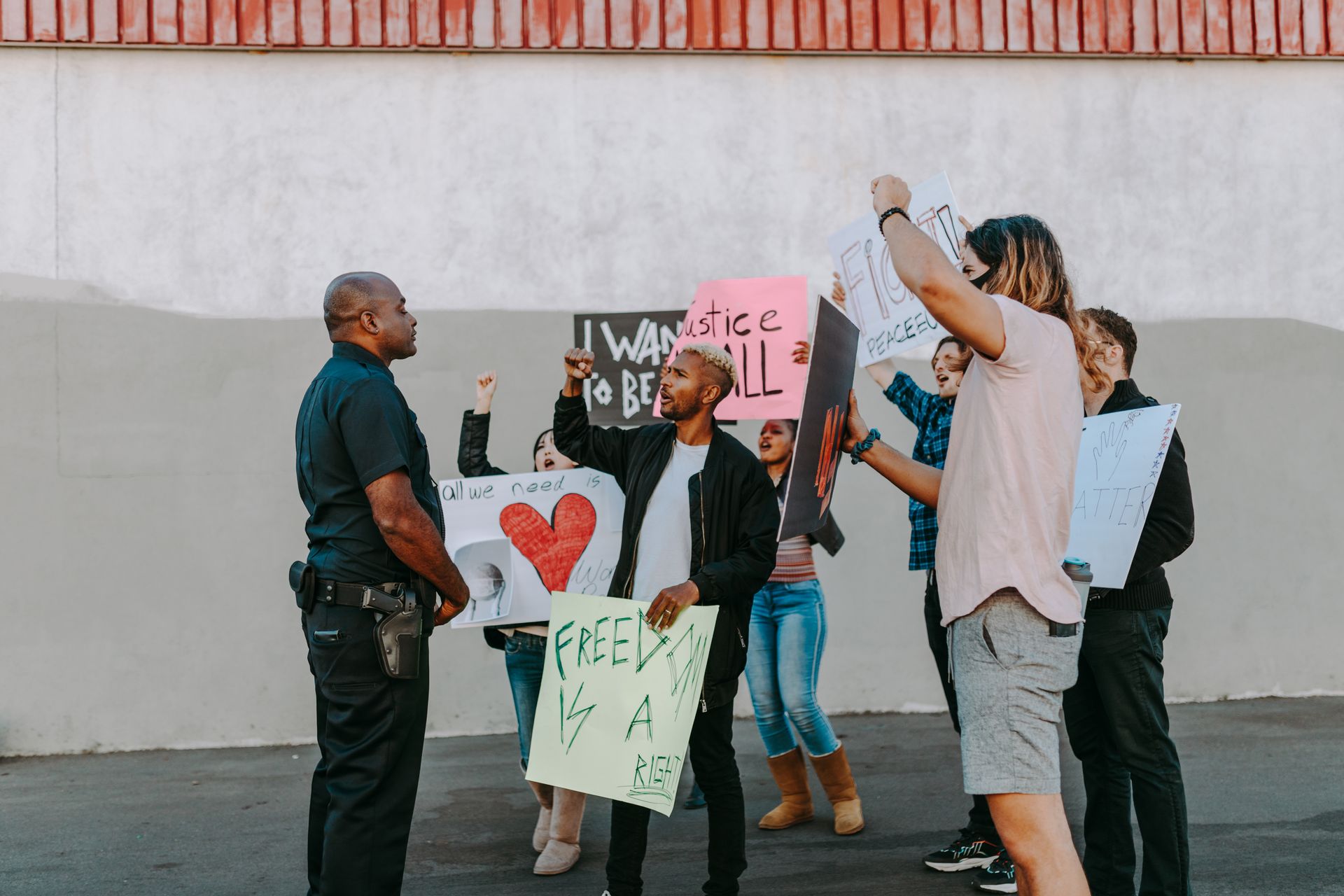
As activists, we need to take action to resist the Strikes (Minimum Service Levels) Act. Strengthen union organisation in every workplace, as suggested by activists like Leslie Cunningham, who found the article "extremely useful" and shared it widely.
Educating members about the anti-union laws and the TUC statement is crucial. This can be done through lunchtime workplace or online meetings with guest speakers, as suggested by the article.
Building traditions of solidarity, such as fundraising, picket line visiting, and delegation work, is essential. This includes supporting unofficial strikes and building networks with other activists.
If you're in one of the six industries covered, ask your employer for a pledge never to issue work notices. This is a key step in resisting the Act.
Contact your union branch or region for information about transport for the 27 January demo and build it. Let's use the demonstration to build networks and argue for a real campaign of defiance.
A different take: Legal Aspects of Workplace Bullying
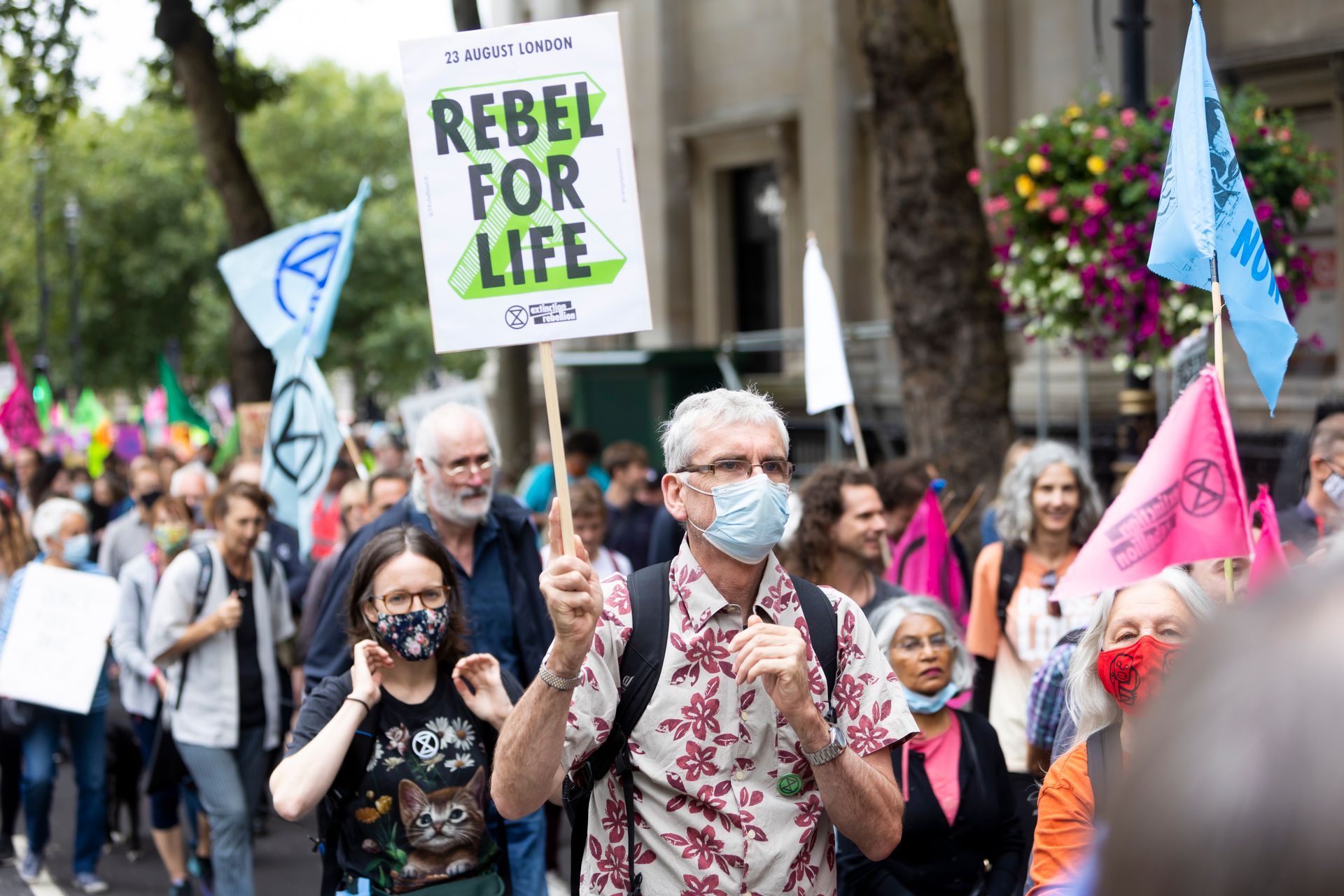
Here are some key actions to take:
- Strengthen union organisation in every workplace.
- Educate members about the anti-union laws and the TUC statement.
- Build traditions of solidarity.
- Ask your employer for a pledge never to issue work notices.
- Contact your union branch or region for information about transport for the 27 January demo.
- Pass motions through your union structure referring to the TUC statement.
- Build rank and file networks and organisation.
- Make sure your branch is affiliated to the local trades union council.
- Organise meetings of local trade unionists to discuss the Strikes Act and how to defeat it.
The TUC webinar on 17 January is also a great opportunity to learn more about resisting the Act. Don't miss it!
Analysis and Commentary
The Strikes (Minimum Service Levels) Act 2023 has brought about a significant change in the way public services operate during industrial action. The Act aims to introduce minimum service levels for certain public sectors to ensure that services remain operational at base level.
The government's intention is to bring the UK in line with existing minimum service level regimes on the continent, such as France, Italy, and Spain. This move has not been without controversy, with the Trades Union Congress suggesting that they will use legal mechanisms to combat the new law.
The Act has received criticism, particularly regarding its compatibility with the right to freedom of assembly and association under Article 11 of the European Convention on Human Rights. The Labour Party has also pledged to repeal the Act if they succeed in the next General Election.
The government has published a statutory Code of Practice on reasonable steps to be taken by a trade union, as well as three sets of draft Minimum Service Levels Regulations (MSL Regulations). These Regulations have come into force throughout December and set out the minimum service levels for each public service.
Here are the three sets of draft MSL Regulations that have come into force:
- Strikes (Minimum Service Levels: Passenger Railway Services) Regulations 2023
- Strikes (Minimum Service Levels: NHS Ambulance Services and the NHS Patient Transport Service) Regulations 2023
- Strikes (Minimum Service Levels: Border Security) Regulations 2023
The introduction of these Regulations has sparked debate, with some arguing that they will undermine workers' rights and others seeing them as a necessary measure to maintain public services.
Featured Images: pexels.com