Losing receipts for your belongings can be frustrating, especially when filing a renters insurance claim. This is a common problem many people face.
If you're in this situation, know that it's not the end of the world. You can still navigate the process without receipts.
To prove ownership and value of your items, you can use alternative documentation such as purchase records, warranties, or even photos of the items.
See what others are reading: Burglary Insurance Claim No Receipts
Filing a Claim
Filing a claim without receipts is possible, but it's essential to have some sort of record of the purchases of the items. A credit card statement from the sale should suffice if receipts aren’t available.
Pictures are usually the best proof of what's damaged, and adjusters are well-trained and adept in identifying fraud. They have a good idea of the relative costs of certain items, so if your case is legitimate, you shouldn’t worry about them mistakenly thinking you’re trying to defraud them.
To file a claim, start by creating a comprehensive list of all items lost or damaged. Include descriptions, estimated purchase dates, and approximate costs. For each item, provide as much detail as possible, including brand, model, age, and any unique features to help estimate the item's value.
Here's a step-by-step guide to help you file a claim:
- Begin by creating a comprehensive list of all items lost or damaged.
- Compile other forms of proof like bank statements, credit card records, product manuals, photographs, or warranty cards that can indicate ownership and value.
- Search your email and online shopping accounts for any digital receipts or order confirmations that can serve as proof of purchase.
- Consider obtaining professional appraisals or repair estimates to substantiate your claim for high-value items.
- In cases of theft or vandalism, file a police report. The report can serve as additional documentation for your claim.
- Immediately notify your insurer of the loss. Follow their guidance on the claims process and what specific documentation is required.
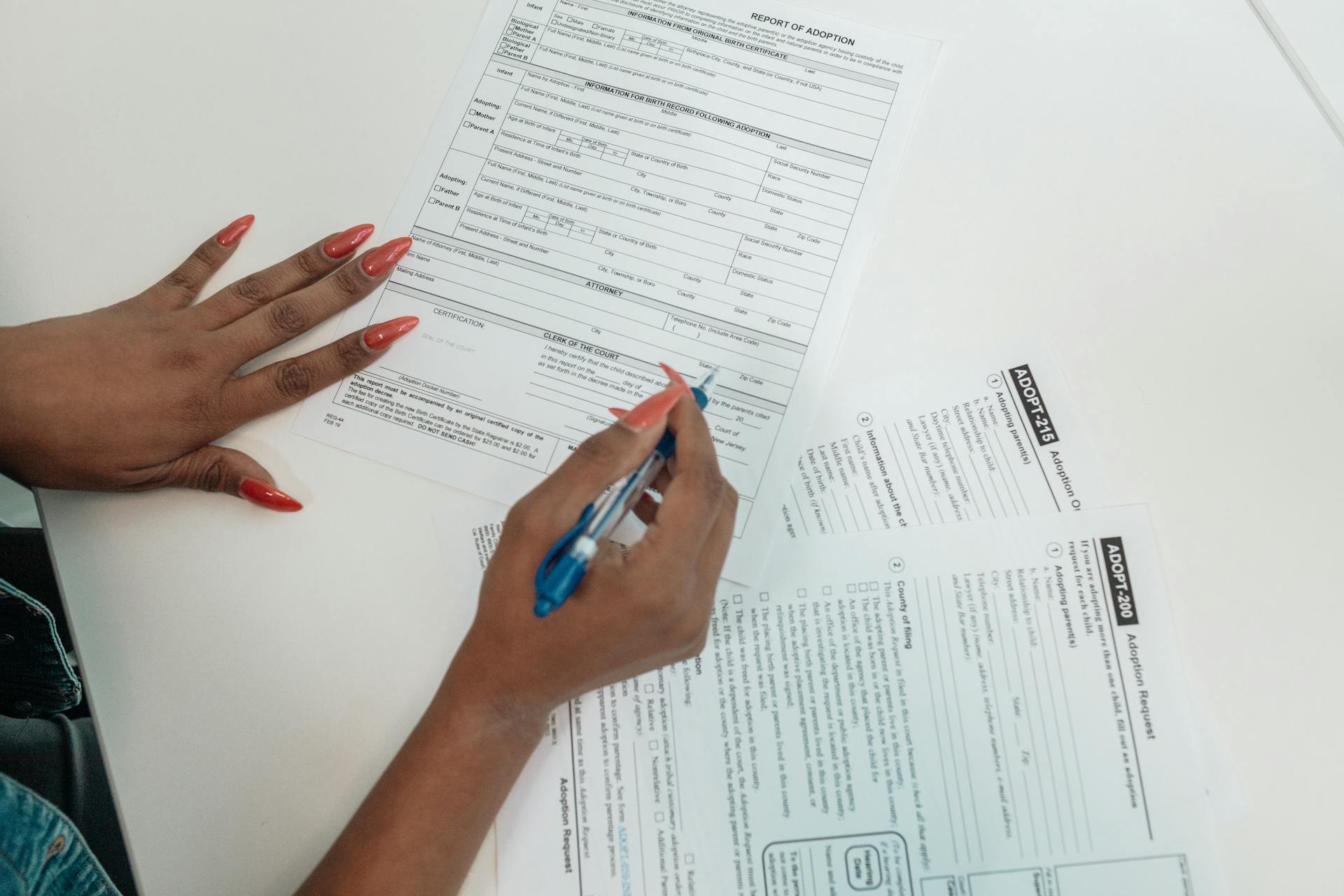
- Fill out the claim form provided by your insurance company thoroughly, attaching all gathered documentation.
- Keep a record of all correspondence with your insurance company, including dates of communication and the names of representatives you speak with.
- Ensure that all information provided is truthful and accurate to avoid any delays or denial of your claim.
Remember, staying organized and honest throughout the procedure ensures a smoother experience in securing a claim resolution.
Documenting Losses
You'll need to create a comprehensive list of all items lost or damaged, including descriptions, estimated purchase dates, and approximate costs. This will help you file a claim faster and more accurately.
Make sure to include as many details as possible, such as brand, model, age, and any unique features, to help estimate the item's value. Don't throw away any damaged items until a claims adjuster has inspected your property.
You can use photographs or videos to document the damage, and consider obtaining professional appraisals or repair estimates for high-value items. If you have receipts or purchase records, be sure to include those as well.
For another approach, see: Help Insurance Claim
Here are some alternative forms of proof you can use if receipts are unavailable:
- Bank statements
- Credit card records
- Product manuals
- Warranty cards
- Digital receipts or order confirmations from email or online shopping accounts
Remember to keep a record of all correspondence with your insurance company, including dates of communication and the names of representatives you speak with.
Alternative Proof of Loss
You may be wondering if you can still get your renters insurance claim approved without receipts. Fortunately, there are alternative ways to prove your loss. Your insurance company may accept another method as proof of loss, such as a police report or a professional estimate.
If you have valuable personal property listed in your policy, you may not need to prove its value if you already keep purchase receipts or professional estimates on file with your insurance company. These receipts can make the claims process easier to settle.
A police report can also be a crucial piece of evidence in proving theft or other intentional harm. Your insurance adjuster can work with the police to rule out intentional harm and pay out the settlement if the situation is cleared.
Worth a look: Insurance Claim Report
In some cases, an insurance inspection can provide ample evidence of the damage, even without receipts. So, don't throw away any damaged items until a claims adjuster has inspected your property.
Here are some alternative proof of loss options you can consider:
- Police report for stolen items
- Professional estimate for damaged items
- Insurance inspection for damage
- Updated inventory list of your belongings
By exploring these alternative proof of loss options, you may be able to get your renters insurance claim approved even without receipts.
Types of Losses
You can make a renters insurance claim without receipts in certain situations, such as if you have a police report for stolen items.
If you've listed specific items on your policy, like home or renters insurance, and have a receipt or professional value estimate on file, that's all the proof your insurer needs.
Keep in mind that items with professional estimates may need their value updated over time if they change in value.
For more insights, see: Professional Loss Adjuster
Home Theft
Home theft can be a stressful and overwhelming experience, but knowing what to expect and what steps to take can make a big difference. You'll need to call your local police's non-emergency line to get a police report, which may support your claim.
For another approach, see: Progressive Insurance Claim without Police Report
Having receipts for your belongings can make the claims process easier, but you may not need them if you've already listed the items on your policy and kept the receipts or professional estimates on file with your insurance company. This is especially true for valuable items like engagement rings.
If you don't have receipts, you may still be able to prove ownership with photos or a bank statement of the purchase. However, the insurance company's requirements can vary, so it's essential to check your policy and talk to your insurer.
Keep damaged items in case of an insurance inspection, and consider updating the value of items with professional estimates if their value changes over time. This can help ensure you're adequately covered in case of future claims.
A fresh viewpoint: How Do I Get My Money Back from Lapsed Policy
Property Damage
Property damage is a common type of loss that can occur due to various reasons such as natural disasters, accidents, or intentional acts.
Consult your policy to be sure of what is covered and what isn't. This will help you understand the extent of your coverage.
Taking careful records of the damaged property is crucial for a smooth claims process. This will give you a clear idea of the damage and its approximate value.
If the damage is clear and evident, the insurance adjuster may even write up a check on the spot. However, this would be after assessing the damages themselves.
Address any lingering issues like a broken window or exposed part of the structure. Costs associated with damage mitigation repairs are likely included in the settlement.
Contact your agent or policy to find out if your coverage for damage mitigation is included.
A unique perspective: Renters Insurance Coverage
Rental Tips
If you're a renter, make sure you keep a record of your belongings, including photos and videos of your furniture, electronics, and other valuable items.
You can also use a home inventory app to help you keep track of your possessions.
A different take: Can My Mortgage Company Keep My Insurance Claim Check
It's essential to document everything, even if it seems insignificant, as it can be crucial in a renters insurance claim.
Keep receipts for any purchases, especially for big-ticket items, and store them in a safe place.
Don't assume your landlord will provide you with a list of your belongings if you leave the rental property.
Remember, the more documentation you have, the easier it will be to file a claim.
You can also take photos of your rental property before moving in, including any existing damage or issues.
This can help prevent disputes when you move out and can also be used as evidence in a claim.
Check this out: Enterprise Rental Insurance Claim
Featured Images: pexels.com