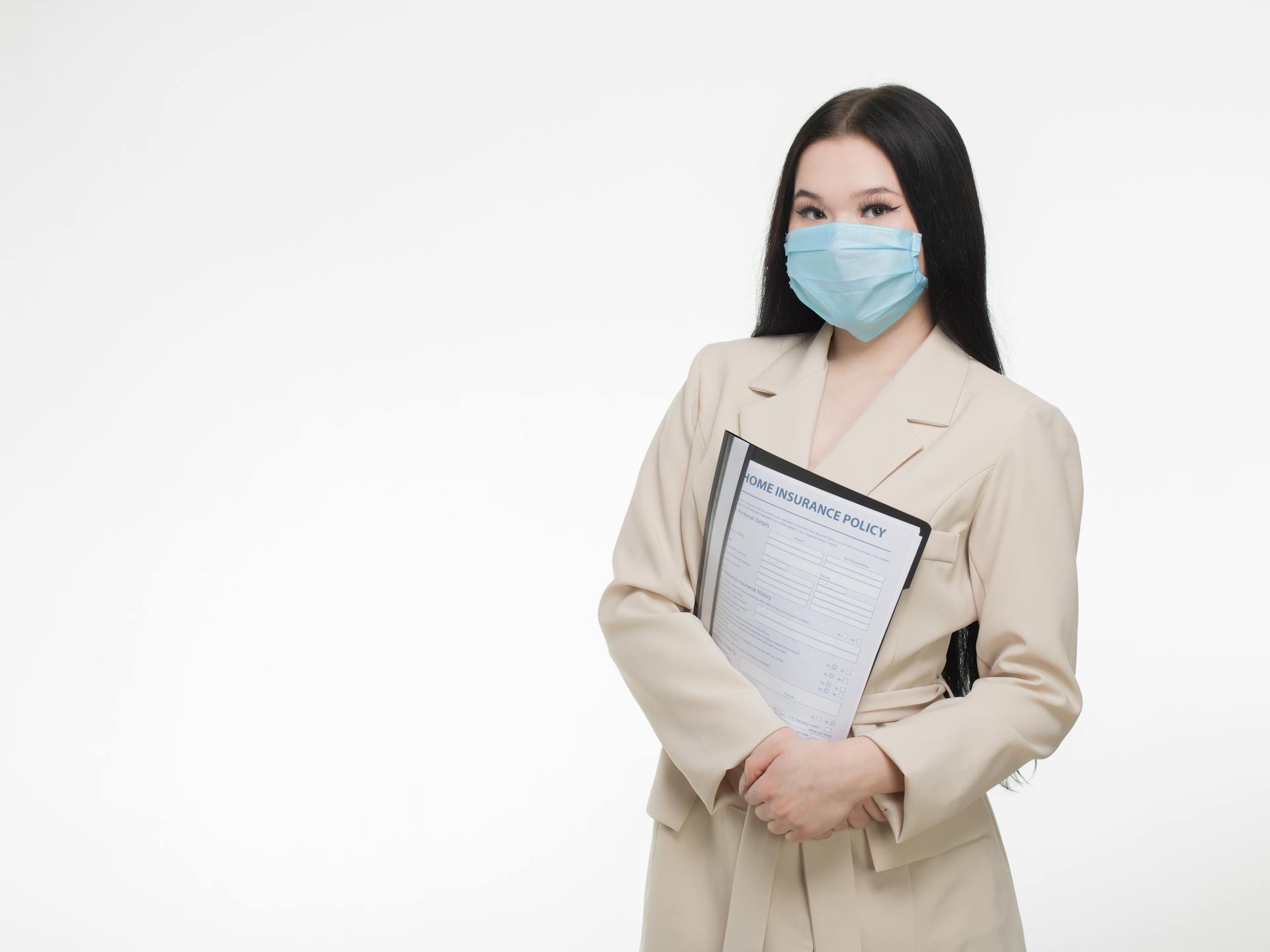
In Ireland, private health insurance is designed to provide faster access to medical treatment and services not covered by the public healthcare system.
You can choose from a range of private health insurance plans, with different levels of cover and premiums to suit your budget and needs.
The Irish government has set up a system to regulate the private health insurance market, ensuring that all policies meet certain standards and requirements.
Private health insurance can be a valuable investment for those who want more control over their healthcare and access to specialized treatments.
Types of Private Health Insurance
Private health insurance in Ireland offers various options for individuals and organizations.
Long-term private health insurance is available for those who want comprehensive coverage.
Short-term private health insurance is also an option for temporary coverage or for individuals traveling to Ireland.
Group medical insurance is available for organizations with employees or members living in Ireland or traveling there frequently.
Broaden your view: Health Insurance Organizations
Other Contracts
There are other types of private health insurance contracts available in Ireland that don't follow the same rules as standard health insurance policies.
These contracts can be limited to specific health services, such as dental and optical services, which don't have to meet the principles of community rating, open enrolment, and lifetime cover.
You can also get contracts that only cover GP and out-patient services without having to meet minimum benefit requirements.
Alternatively, some companies offer cash plans that provide money for certain medical events, like a physiotherapy visit, but don't cover hospital stays as a private patient.
These alternative contracts can be a good option for people with specific health needs or those who want to supplement their standard health insurance with additional coverage.
Lifetime Community Rating
Lifetime Community Rating is a system where the premium you pay for health insurance increases with your age when you first enter the market, but doesn't change based on your current age.
Under this system, if you've held insurance since a young age, you'll pay the same premium as someone significantly younger. For example, a 50 year old who's had insurance since they were 30 would pay the same as a 30 year old.
A loading of 2% of the gross premium applies for every year of age higher than 34 that you've attained when you first purchase inpatient private health insurance after 30 April 2015. This means that if you're 50, you'll pay a higher premium than a 30 year old who's just starting out.
You might like: Health Insurance Premium
Customer Waiting Period
Customer waiting periods are a crucial aspect of private health insurance in Ireland. Most insurance companies apply a waiting period before you have full cover.
You can expect to wait up to 26 weeks for illnesses that start after you join. This means that if you develop an illness within the first 6 months of having your policy, you might not be covered right away.
Maternity-related claims have a longer waiting period of up to 52 weeks. This is because pregnancy and childbirth are considered a pre-existing condition.
If you have a pre-existing condition, the waiting period can be as long as 5 years. This is a common concern for people who have existing health issues.
Don't worry, accidents and injuries are covered immediately. You can also use public healthcare services or pay in full for private healthcare services during your waiting period.
Here's a summary of the waiting periods:
If you have a baby, you can add them to your policy within 13 weeks of their birth and they won't have to serve a waiting period.
Benefits and Coverage
In Ireland, private health insurance providers are required to offer a minimum level of cover. This ensures that you receive a certain standard of care, regardless of the provider you choose.
Some of the minimum benefits you can expect from private health insurance in Ireland include day care/inpatient treatment, hospital outpatient treatment, maternity benefits, convalescence, and psychiatric treatment and substance abuse.
When you're admitted to hospital, you'll be covered for a semi-private room in a public hospital, although availability cannot be guaranteed. This is the minimum covered accommodation level, but you may be able to upgrade to a private room with your provider.
Here are the minimum benefits you can expect from private health insurance in Ireland:
- Day care/inpatient treatment
- Hospital outpatient treatment
- Maternity benefits
- Convalescence
- Psychiatric treatment and substance abuse
Lifetime Cover
Lifetime cover is a great benefit of private health insurance in Ireland. It means that as long as you keep paying your premiums, the insurance company can't stop providing cover or refuse to renew your insurance, except in very limited circumstances.
You can enjoy this benefit as long as you live in Ireland. The insurance company will continue to cover you, even if your health needs change over time.
Minimum Benefits Level
In Ireland, private insurers must offer a minimum level of cover for certain services. This includes day care/inpatient treatment, hospital outpatient treatment, maternity benefits, convalescence, and psychiatric treatment and substance abuse.
The minimum covered accommodation level is a semi-private room in a public hospital, although this may not always be available if you are admitted to hospital. This minimum level of cover does not apply to cash plans or out-patient only plans.
Here are the specific services that must be covered by private insurers:
- Day care/inpatient treatment
- Hospital outpatient treatment
- Maternity benefits
- Convalescence
- Psychiatric treatment and substance abuse
Waiting Time for Coverage
If you're buying health insurance in Ireland for the first time, you may have to serve waiting periods before you're fully covered. The maximum initial waiting period is 26 weeks for illnesses that start after you join.
There's no waiting period for accidents and injuries, so you'll be covered immediately. You can still use public healthcare services or pay in full for private healthcare services if you need healthcare during your waiting period.
If you have a pre-existing condition, the maximum waiting period is 5 years before that condition will be covered by your insurance. This is a significant consideration if you have a pre-existing condition.
The waiting period for maternity claims is up to 52 weeks, which is a longer waiting period than for other illnesses. However, you can still get some cover for out-patient private consultant fees and hospital accommodation after 52 weeks.
Here's a summary of the maximum waiting periods:
Remember to check with your insurer for more information on waiting periods and what's covered during that time.
Regulations
In Ireland, private health insurance is regulated by the Health Insurance Authority (HIA), the country's independent regulator for private health insurance.
The HIA monitors the health insurance business in Ireland and advises the Minister for Health on the health insurance market.
All health insurers in Ireland are regulated by the Central Bank of Ireland for conduct of business rules.
The HIA provides useful publications about health insurance, including Health Insurance Explained, Choosing a Health Insurance Policy, and Health Insurance Waiting Periods.
These publications are available online or by request.
You might enjoy: International Business Health Insurance
Health insurers that offer inpatient hospital services must provide a minimum level of benefits, including day care/in-patient treatment, hospital out-patient treatment, maternity benefits, convalescence, psychiatric treatment and substance abuse, and semi-private accommodation in a public hospital.
Private health insurance premiums are subject to income tax relief at source.
Here are the minimum benefits that health insurers must provide:
- Day care/in-patient treatment
- Hospital out-patient treatment
- Maternity benefits
- Convalescence
- Psychiatric treatment and substance abuse
- Semi-private accommodation in a public hospital
Expats and Foreigners
Ireland is a favorite among foreigners due to its green countryside, dramatic coastal cliffs, rich Celtic heritage, and high quality of life.
The Irish healthcare system is regularly ranked highly due to its quality and the affordability and availability of treatments.
You can expect to receive high-quality care in both public and private facilities throughout the country.
However, for shorter wait times and the ability to select your own doctors and specialists, it’s a good idea for immigrants to purchase private health insurance in Ireland.
If you’re moving to Ireland from outside the EU for studies or to enjoy your retirement, you’ll need to provide proof of private insurance as part of your visa application.
The public healthcare system in Ireland has two different levels: the Medical Card, which fully covers inpatient and outpatient services, and the GP Visit Card, which allows you to visit a GP free of charge.
While fees are not that high in the public system, 47% of Irish residents still opt to purchase private insurance — the highest rate in all of Europe.
Most companies pay the hospital directly for inpatient services but require you to pay out of pocket for outpatient services and then request reimbursement.
Many immigrants living in Ireland choose to purchase international health insurance plans.
Students who are from outside the EU must show proof of private insurance as part of their student visa application.
Retirees must demonstrate that they can fully financially support themselves, and need proof of a private insurance plan that offers full coverage policies for private hospitals.
Additional reading: Health Insurance Card Usa
Cost and Reimbursement
Healthcare costs in Ireland are relatively high, with a consultation with a general practitioner costing between €30 and €65.
A specialist consultation can reach as high as €150, with physicians' fees subject to change depending on the services provided.
As a private patient, you'll be responsible for all routine care expenses, making complementary health insurance a must-have for both locals and expatriates.
You can schedule an appointment with the Social Welfare Local Office online, and you'll need to bring your ID, proof of address, and documents establishing your residence in Ireland.
For hospitalizations lasting more than 24 hours, your insurer will directly pay for the costs, but for all other expenses, you'll need to make an up-front payment and request reimbursement.
Insurers now offer digital tools like online customer service platforms, mobile apps, and email to facilitate your requests for reimbursement, which can be processed relatively quickly.
Public Health System
In Ireland, the public health system is known as the Health Service Executive (HSE). The HSE is responsible for providing public healthcare services to all citizens, regardless of their income or social status.
The HSE operates a network of hospitals, clinics, and other healthcare facilities across the country, offering a wide range of services, including emergency care, maternity services, and mental health services. These services are generally free or low-cost for those who are eligible.
The HSE also employs a large number of healthcare professionals, including doctors, nurses, and other medical staff, who work to provide high-quality care to patients.
The Public System
The public system in Ireland is a great option for those who want quality care without breaking the bank. The public healthcare system is governed by the Health Service Executive (HSE) and provides health and social services to EU/EEA or Swiss nationals and residents of Ireland.
Many public health services are free of charge, but in some cases, there may be a fee. To receive publicly funded health services, you don't need to be paying Irish tax or social insurance, but you must be able to satisfy the HSE that you are 'ordinarily resident in Ireland'.

The Irish public healthcare system offers treatment at a significantly reduced rate, but long waitlists can be a drawback. This is why many people turn to private health insurance to avoid waiting times.
You'll need to be able to satisfy the HSE that you are 'ordinarily resident in Ireland' to receive publicly funded health services. This means you'll need to provide proof of residence, such as a utility bill or rental agreement.
Here are some key facts about the public system in Ireland:
Find a Family Physician or GP
Finding a family physician or GP is a crucial step in organizing your healthcare. General Practitioners in Ireland provide primary care.
The HSE has an online service to help you find a GP in your area. This service can save you time and effort in searching for a doctor.
Make sure your new doctor accepts your insurance before visiting. Some GPs only work within the public system, while others only treat patients with private insurance.
You'll need to pay for your visit if you don't hold a Medical Card. On average, a consultation will cost $48-80 (€45–75).
Registering with a GP is essential because many specialists require a referral from a GP for you to see them. This is true regardless of the type of insurance you have.
Choosing
Choosing the right private health insurance in Ireland can be a daunting task, but don't worry, I'm here to help.
To choose the right private health insurance, you need to consider your level of cover, lifestyle, age, and pre-existing medical conditions. This will help you determine the type of insurance you need.
You should shop around for quotes from each provider and compare the benefits to see what suits you best. The Health Insurance Authority's website has a tool that lets you compare private health insurance plans in Ireland.
There are several private health insurance providers in Ireland, including Irish Life Health, Laya Healthcare, VHI Healthcare, and HSF Health Plan. HSF Health Plan provides cash benefit plans but not in-patient health insurance.
If you're an expat, you may also want to consider signing up for expatriate health insurance to keep your healthcare costs down. An adviser can help you with the entire sign-up process.
Here are some of the companies that offer voluntary private health insurance in Ireland:
- Irish Life Health
- Laya Healthcare
- VHI Healthcare
- HSF Health Plan (provides cash benefit plans but not in-patient health insurance)
Note: Some companies, like Gardaí or prison officers, have restricted membership schemes that only deal with particular groups of employees.
Will I Pay an Age-Based Loading Over 35
If you're over 35 and buying health insurance in Ireland for the first time, you may have to pay an extra charge called the lifetime community rating (LCR) loading.
This loading is an additional amount added to your premium due to your age. However, there's a way to avoid it.
You can avoid the LCR loading if you lived outside Ireland on 1 May 2015 and buy health insurance within 9 months of moving to Ireland.
To prove you've been living abroad, you'll need to provide evidence such as:
- Evidence of accommodation lease arrangements or utility bills abroad
- Travel documents or an application for a PPS number is accepted as proof of returning to live in Ireland
- A contract of employment for a job in Ireland
- Agreements for a mortgage or rental of a property in Ireland
- Bank statements relating to an Irish bank account
If you're pregnant and not covered for maternity services under private health insurance, you can still access maternity care through the public healthcare system.
For International Students
For international students, private health insurance in Ireland is a must. You'll need to provide proof of insurance when applying for a student visa.
If you're from outside the EU/EEA, you'll need to get health insurance. You can choose from a basic plan from Study and Protect or opt for more comprehensive insurance.
Study and Protect partners with many universities in Ireland, and you can arrange insurance before arriving in the country. They also have a list of universities on their website.
To get more comprehensive insurance, you can get online quotes from various companies. However, some of these companies may not allow you to take out a policy until you have an Irish address.
Be aware that some companies may have minimum wait periods, so you'll need to arrange interim insurance to cover you in the meantime.
Expand your knowledge: Comprehensive Health Insurance
Frequently Asked Questions
Is it worth having private health insurance in Ireland?
Having private health insurance in Ireland can provide convenient access to quality care at minor injury/illness clinics, eliminating the need for GP appointments. Consider private health insurance for streamlined healthcare and potentially better outcomes.
Featured Images: pexels.com