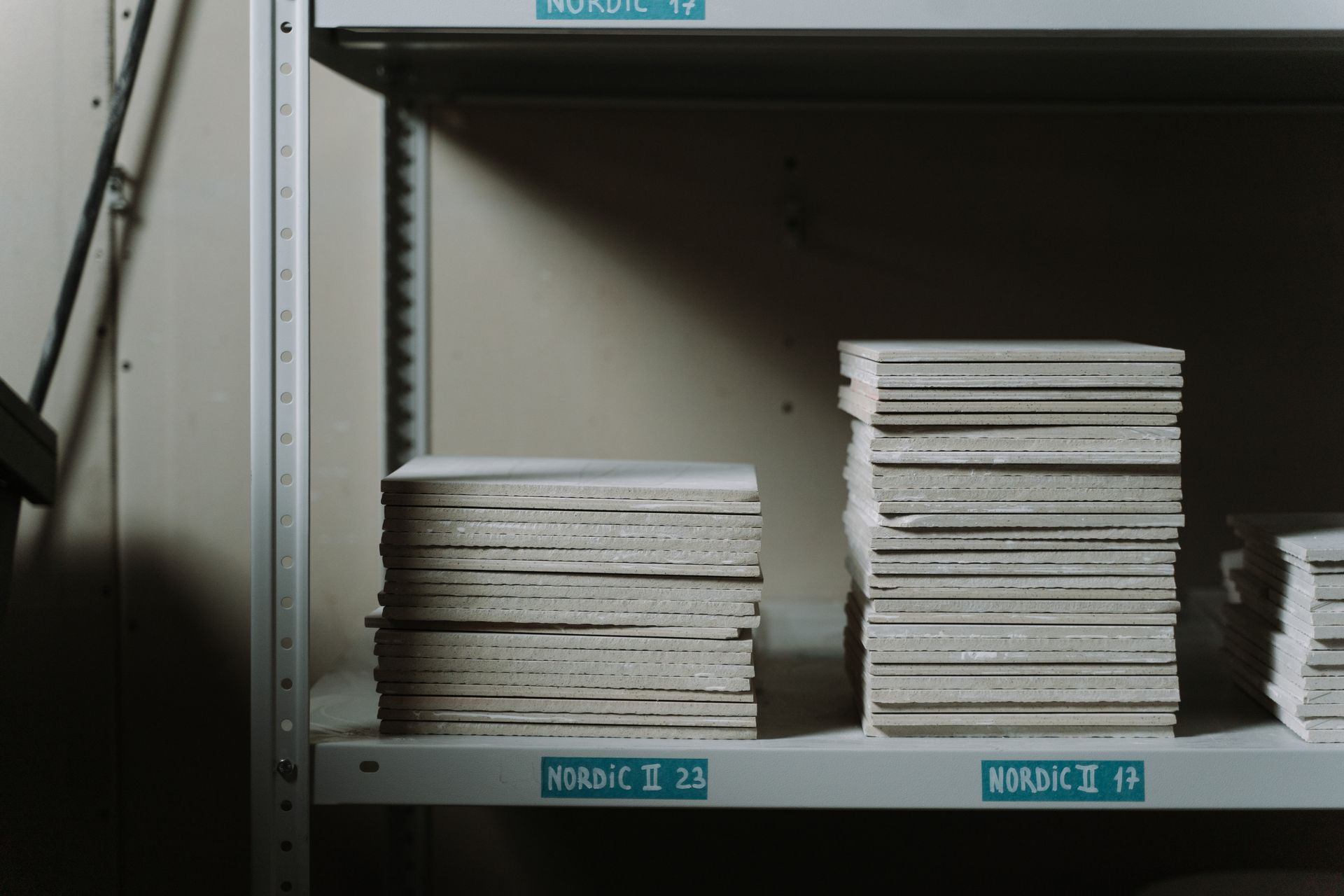
Materials management is a critical component of supply chain success, and it's essential to have a solid strategy in place to ensure smooth operations.
Effective materials management involves identifying and classifying materials, which can be categorized into different types such as raw materials, finished goods, and packaging materials.
A well-organized inventory system is crucial for materials management, and it's recommended to use a first-in, first-out (FIFO) inventory system to ensure that older materials are used before they expire.
By implementing a robust materials management strategy, companies can reduce waste, lower costs, and improve customer satisfaction.
Additional reading: Does S Corp Pay Corporate Taxes
Supply Chain Focus Areas
Materials management in construction projects can account for more than 70% of a project's cost, making it a crucial area of focus.
Effective materials management involves planning and controlling material flows, including procurement, supplier evaluation, and quality control.
Partnering with reliable suppliers is essential for accessing better pricing, faster deliveries, and more consistent quality.
Recommended read: Quality Factor Investing

A materials manager working in construction can collaborate with developers, sales managers, and other stakeholders to understand customer needs and anticipate potential material shortages.
Regular quality checks and supplier performance evaluations can help ensure that materials meet quality standards and are delivered on time.
In capital-heavy construction projects, materials management encompasses multiple organizations and integrated processes, including project owners, main contractors, EPC/M contractors, material suppliers, logistics partners, and project site contractors.
Digital tools, such as materials requirement planning systems and procurement systems, can help minimize procurement costs and streamline the purchasing process.
- Procurement
- Supplier evaluation
- Quality control
- Materials management
- Supply chain management
- Logistics
Supply Chain Optimization
Optimizing material transport is crucial for a smooth supply chain, and it's done by choosing the right storage locations and using good transportation techniques. This can help provide a consistent raw material flow for manufacturers.
Effective quality control starts before the production process, and regular quality checks should be done to ensure good quality materials. This can prevent failures due to bad quality and save companies money in the long run.
Readers also liked: Material Participation

A manufacturing ERP system can aid manufacturers in improving their business processes, including material management, supplier management, and quality control. This can help streamline other manufacturing operations management processes as well.
Well-executed materials management can be transformative for manufacturers, and some benefits include just-in-time inventory control, reduced material waste, and increased inventory accuracy. These benefits can lead to significant savings and improved customer satisfaction.
Some key benefits of materials management include streamlined procurement, efficient inventory control, and effective warehousing. These benefits can be achieved by maintaining optimal inventory levels and accurately forecasting demand for and availability of materials.
Here are some ways materials management can be optimized:
- Implementing a just-in-time inventory control system to minimize excess inventory and reduce holding costs.
- Using a manufacturing ERP system to streamline material management processes and other manufacturing operations.
- Conducting regular quality checks and evaluating supplier performance to ensure good quality materials.
- Utilizing technology, such as barcoding and RFID devices, to closely track inventory and manage warehouse operations.
- Partnering with suppliers that can reliably provide the right materials, in the right amounts, at the right time.
Sustainable Materials Management
Sustainable Materials Management is a crucial aspect of materials management. It involves making informed decisions about the materials we use to minimize environmental and human health impacts.
To achieve sustainable material procurement, we can choose better raw material providers, place restrictions on current providers, or find alternative materials altogether. The EPA has comprehensive guidelines to help us make more sustainable choices.
Explore further: Buy Wicker Material

Reducing material waste is essential to save costs and conserve resources. By overseeing inventory and managing material delivery, we can minimize receiving errors and waste.
Minimizing waste requires proper disposal and management of waste materials. Recycling, reusing materials, and safely handling hazardous waste are effective ways to reduce costs and support environmental sustainability initiatives.
A life cycle assessment (LCA) is a crucial step in understanding the environmental impacts of goods and materials. It involves analyzing the life cycle of a product, from raw material extraction to end-of-life disposal.
A life cycle inventory is the second step in an LCA, where researchers analyze the flows of energy and materials for a product or good. This helps us understand the environmental impacts of our choices.
Measuring the impact of a product's life cycle is critical to making informed decisions. Researchers can measure effects on habitats, climate, pollution, and more, and classify and characterize the results for easier comparison.
Circular economy strategies, such as recycling and returns programs, can have a significant impact on sustainable materials management. By designing products for recyclability and reusability, we can reduce waste and conserve resources.
Related reading: Waste Management, Inc.
Planning and Execution
Planning and Execution is a crucial aspect of materials management. It involves understanding what you need and when, and then forecasting demand to keep the necessary materials on hand for your production schedule without overstocking. This is the first step to establishing a materials management system.
To execute this plan, you can use Material Requirements Planning (MRP) to calculate the materials and components required to manufacture a product. This involves using information like bills of materials and production schedules to determine what to order, how much, and when. This ensures the right items are available for production while minimizing costs and preventing stockouts.
Here are some key steps to consider when planning and executing your materials management system:
- Forecast demand and time purchases to keep necessary materials on hand
- Use MRP to calculate materials and components required for production
- Create a material delivery schedule to ensure raw materials are constantly fed into production
By following these steps, you can ensure a consistent flow of materials for production and meet your business goals.
Goals
The goal of materials management is to provide an unbroken chain of components for production to manufacture goods on time for customers.
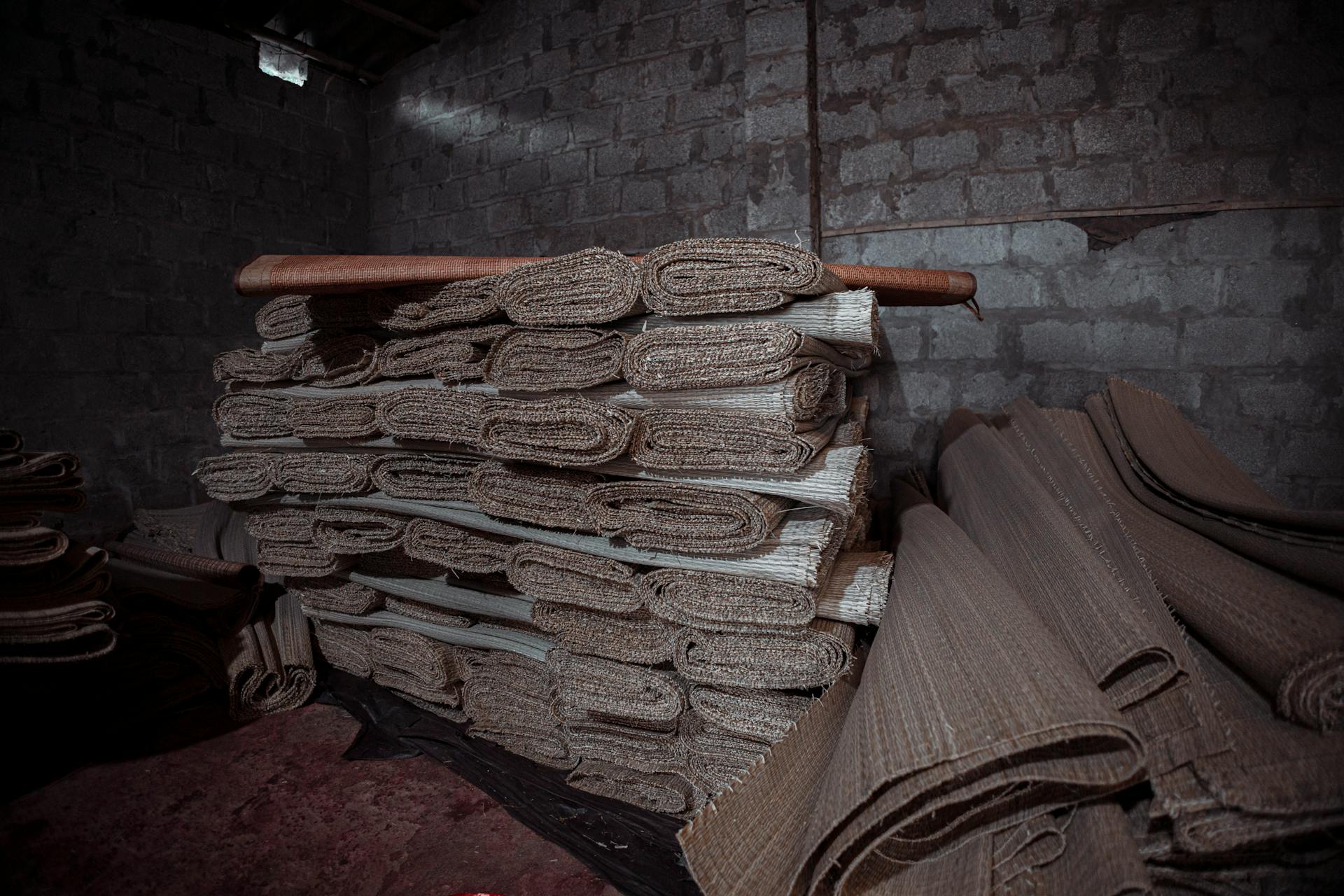
Materials management is generally measured by accomplishing on time delivery to the customer, on time delivery from the supply base, attaining a freight budget, inventory shrink management, and inventory accuracy.
Maintaining a consistent flow of materials for production is a major challenge that materials managers face.
Incorrect bills of materials, inaccurate cycle counts, unreported scrap, shipping errors, receiving errors, and production reporting errors are the major issues that all materials managers face.
In some companies, materials management is also charged with the procurement of materials by establishing and managing a supply base.
For your interest: Names of Major Credit Cards
Planning and Execution
Materials management in construction is a complex process that requires careful planning and execution. Materials typically account for more than 70% of a construction project's cost, making it a crucial aspect to consider.
To optimize project time, costs, and quality, materials should be tracked efficiently. This involves planning and controlling material flows, including planning and procuring materials, supplier evaluation and selection, purchasing, and shipping.
Here's an interesting read: Project Management Qualities of a Good Project Manager

In capital-heavy construction projects, materials management processes and functions encompass multiple organizations and integrated processes. Capital project supply networks typically include project owners, main contractors, EPC/M contractors, material suppliers, logistics partners, and project site contractors.
The complexity of a construction project affects the need for thorough material tracking. Residential projects, for example, tend to have smaller engineering and construction teams, making material management easier.
Planning and Forecasting
Planning and forecasting are crucial steps in establishing a materials management system. You need to understand what materials you need and when to keep them on hand for your production schedule without overstocking.
To forecast demand, you should understand your production schedule and the materials required for each product. This involves calculating material requirements using bills of materials and production schedules, as mentioned in Example 13: Material Requirements Planning.
Forecasting helps you determine the right materials to order, how much, and when, ensuring the right items are available for production while minimizing costs and preventing stockouts.
A different take: Planning and Risk Management

A materials management system involves planning and procuring materials, supplier evaluation and selection, purchasing, and inventory management, as discussed in Example 2: Materials Management in Capital-Heavy Construction Projects.
By understanding your production schedule and material requirements, you can create a plan to ensure a consistent flow of materials for production, as mentioned in Example 18: Goals.
Here are some key steps to consider when planning and forecasting:
- Understand your production schedule and material requirements
- Calculate material requirements using bills of materials and production schedules
- Determine the right materials to order, how much, and when
- Minimize costs and prevent stockouts
Inventory Management
Inventory management is crucial for meeting demand without overstocking or experiencing stockouts. This can be achieved by tracking inventory, setting reorder points, and using systems like perpetual or periodic inventory management.
Regular counts help account for every item to maintain accurate records. Sensitive materials might require specific storage needs, such as temperature regulation.
Safety stock is a buffer of materials held to avoid stock-outs, while the reorder point is the level of inventory at which an order is triggered for replenishment. Having both safety stock and a reorder point set can help prevent stock-outs and ensure production continuity.
Expand your knowledge: West Point Mint Facility
Receiving and Inspection
Receiving and inspection is a crucial step in inventory management. This is where you verify that the materials you ordered match what you received.
Checking for quality and accuracy is essential to prevent discrepancies or defects from causing issues down the line. Address any problems immediately to minimize delays and costs.
Materials arriving at your facility should be thoroughly inspected to ensure they meet your standards. Any discrepancies or defects should be addressed right away.
Discrepancies or defects can cause more issues if not addressed promptly. It's always better to catch problems early on to avoid more significant problems later.
Inspecting materials as soon as they arrive helps prevent inventory issues and ensures you have what you need when you need it. This also helps maintain accurate records and reduces errors.
Types of
There's no one-size-fits-all approach to inventory management, but common methods include Just in Time, which aims to minimize the time a product spends in the supply chain, from the supplier of materials to the end consumer.
Expand your knowledge: Kyc Registered - Modify Kyc
Inventory control is a primary purpose of inventory management, helping to meet demand without overstocking or experiencing stockouts.
Using proven inventory control techniques can give you better insight into the performance of your SKUs and help you minimize inventory costs.
Safety stock is a buffer of materials you hold to avoid stock-outs and continue production in case irregularities occur in the supply chain.
The reorder point is the set level of inventory at which an order for an SKU is triggered when it's time to replenish its stock.
Material kitting means bundling the components of a BOM into a ready-to-consume set before arriving on the production floor, simplifying line-side inventory and improving order picking speed.
Accounting for every item is crucial, and Materiel Management specialists administer and operate complex supply systems to ensure financial accountability for all utilized supplies.
Both safety stock and reorder point need to be mathematically defined to ensure they provide the most value to your business.
A fresh viewpoint: Safety Stock
Requirements Planning and Management
To effectively manage your materials, you need to plan and forecast your needs. This involves understanding what materials you need and when, so you can keep the necessary materials on hand without overstocking.
Forecasting demand and timing purchases are crucial to avoid stockouts and minimize costs. This helps ensure that you have the right materials at the right time.
Material requirements planning (MRP) is a key tool in this process. It calculates the materials and components required to manufacture a product, using information like bills of materials and production schedules.
MRP determines what to order, how much, and when, minimizing costs and preventing stockouts. This helps optimize your production schedule and materials usage.
Conducting a needs assessment is essential to identify gaps and areas for improvement in your materials management practices. A thorough evaluation shows what's working, what's not, and where to make changes to enhance efficiency.
A fresh viewpoint: Event Production Insurance
Supplier Management
Supplier management is crucial for effective materials management. It involves building strong relationships with reliable suppliers who can provide the right materials, in the right amounts, at the right time.
Materials managers can work with others in their organization to understand customers' needs beyond the manufacturer, which helps in sourcing materials beyond current needs. This collaboration can make it easier to navigate potential material shortages or large increases in production.
To establish reliable supplier relationships, focus on regular communication, transparent expectations, and mutual trust. This can lead to better pricing, faster deliveries, and more consistent quality.
Conducting regular quality checks and evaluating supplier performance is essential for effective supplier management. Factors to consider include cost, quality, reliability, and sustainability practices.
Deciding which suppliers to source materials from and negotiating contracts requires balancing cost, quality, and reliability. By doing so, you can ensure that you're getting the best value for your materials.
Here's an interesting read: Supplier Integration
Best Practices
Effective materials management requires careful planning and strong supplier relationships, which can lead to more efficient operations and greater profitability by adopting just-in-time practices.
To enhance operational efficiency and sustainability, you can use inventory control techniques that provide better insight into the performance of your SKUs and help minimize inventory costs.
Developing standard operating procedures (SOPs) is crucial in materials management, as it helps create clear, consistent processes that cover every aspect, from receiving and inspection to storage and distribution.
Storage and inventory control are essential, and you should use an inventory tracking system to keep tabs on materials' locations, quantities, and statuses, while also conducting regular counts to maintain accurate records.
Inventory control is about meeting demand without overstocking or experiencing stockouts, which can be achieved by tracking inventory, setting reorder points, and using systems like perpetual or periodic inventory management.
By following these best practices, you can streamline your materials management process, reduce costs, and improve overall efficiency.
You might enjoy: Gamestop Com Order Tracking
Quality Control and Assurance
Quality control is a top priority in materials management. It helps materials meet required standards and specifications, reducing the risk of defects and ensuring end products meet customer expectations.
Regular inspections are a common method used to ensure quality. Quality control processes should be well-defined and followed consistently.
Broaden your view: Critical to Quality
The materials manager sets standards for material specifications and quality. They are the ultimate decision-maker when it comes to quality control and approving raw materials for purchasing.
Conducting regular quality checks is crucial. This should be done as often and as thoroughly as financially viable.
Partnering with reliable suppliers is key. They should be able to provide the right materials, in the right amounts, at the right time.
Supplier performance should be evaluated based on factors such as cost, quality, reliability, and sustainability practices. This helps identify areas for improvement.
Having a plan in place is essential. This includes determining material requirements, calculating material quantities, and creating a material delivery schedule.
By following a plan, you can ensure that raw materials are constantly fed into production and work doesn't stop due to a material stockout.
Here's an interesting read: Debt Management Plan
Cost and Asset Management
To manage your materials effectively, it's crucial to know the exact amount and location of your direct/raw materials. This means having correct markings and good warehouse organization in place.
Having excess inventory can tie up cash that could be used elsewhere, so it's essential to keep track of your direct/raw materials inventory costs. This will help you avoid holding onto perished or damaged goods, especially those with an expiry date.
Conducting physical counts periodically can help detect inconsistencies or misplacements, but using technological solutions like inventory management software or MRP software can account for inventory in the day-to-day. This can save you time and reduce errors.
Manufacturers should consider different inventory valuation methods, such as FIFO, LIFO, or Weighted Average, according to the nature of their business.
Take a look at this: 30 Day Payment Terms Wording
Inventory Optimization
Optimizing inventory is crucial for manufacturers to ensure a smooth supply chain. By focusing on better management techniques, companies can optimize material transport and provide a consistent raw material flow.
Creating specialized materials management departments can help streamline inventory processes. This approach can lead to reduced waste and improved efficiency.
Using good transportation techniques is essential for minimizing delays and reducing costs. By choosing the correct storage locations, companies can also reduce the risk of inventory damage.
A manufacturing ERP system can aid in managing and tracking inventory. This comprehensive system includes features like material requirements planning, inventory control, and analysis.
Barcoding, RFID, and IoT devices can also help closely track inventory. However, a manufacturing ERP system is a more comprehensive solution that coordinates the entire business.
By streamlining inventory processes, companies can improve management practices and efficiency across the company. This can lead to increased productivity and reduced costs.
You might enjoy: Erp for Logistics Industry
Optimize Processes with Technology
Using technology can significantly improve materials management processes. A manufacturing ERP system can coordinate the whole business in one single program, including material management processes like material requirements planning, material deployment and replenishment, supplier management, quality control, inventory control and analysis, kitting, etc.
Barcoding, RFID and IoT devices, and warehouse management software can aid in managing and closely tracking your inventory. A good manufacturing ERP system streamlines other manufacturing operations management processes, improving management practices and efficiency across the company.
Take a look at this: Inventory Control
Digital tools can be used to track material deliveries from the supplier to the construction site. Project freight forwards can use computer-based systems to compare bids and automatically compare equipment specification, supplier selection, delivery time guarantees, shipping fees, and multiple other aspects of procurements on one platform.
Material deliveries can be tracked using RFID-tagging packages or components, but this method requires suppliers or purchasers to invest in RFID-tags. Common materials data-bases for the project network can also be implemented to share data on material deliveries.
A manufacturing ERP system can also help with production planning and scheduling, order management, return merchandise authorization (RMA), and much more. This can help improve management practices and efficiency across the company.
Here are some examples of digital tools that can be used for materials management:
- Barcode scanners
- RFID tags
- Warehouse management software
- Material requirements planning systems
- Procurement systems
Key Concepts and Takeaways
Materials management is all about planning, coordination, and control of activities involved in the procurement, storage, handling, and utilization of materials.
The goal is to provide the right materials, in the right quantities, at the right time, and in the right condition, while minimizing costs and optimizing efficiency.
Effective materials management can streamline procurement, control inventory efficiently, improve warehousing operations, and maintain accurate production schedules.
To achieve this, best practices include setting standards for material specifications and quality, conducting regular quality checks and supplier performance evaluations, and keeping track of direct/raw materials inventory and its costs.
A comprehensive material plan is also essential, which can be assisted by inventory management software or MRP/ERP software to track, organize, and plan for inventory.
Here are some key aspects of materials management:
- Strategic planning for procurement, storage, and handling of materials
- Control of inventory levels and costs
- Improvement of warehousing operations
- Maintenance of accurate production schedules
- Setting standards for material specifications and quality
- Conducting regular quality checks and supplier performance evaluations
By implementing these practices, organizations can optimize their materials management and achieve their goals.
Frequently Asked Questions
What are the 5 R's of material management?
The 5 R's of material management are: right materials, right time, right amount, right price, and right sources. By following these principles, businesses can optimize their supply chain operations and improve customer satisfaction.
What are the five major areas of materials management?
The five major areas of materials management are Material Requirements Planning, Purchasing, Inventory Control, Material Supply Management, and Quality Control. These key functions work together to ensure efficient and effective management of materials throughout the production process.
Featured Images: pexels.com