The world of traded commodities is vast and fascinating. Metals like gold and silver are highly sought after for their value and versatility.
The prices of these metals can fluctuate greatly depending on market conditions and global demand.
Investors and traders often turn to these commodities as a way to diversify their portfolios and potentially earn a profit.
The value of gold, for example, has been known to increase during times of economic uncertainty.
Agricultural Commodities
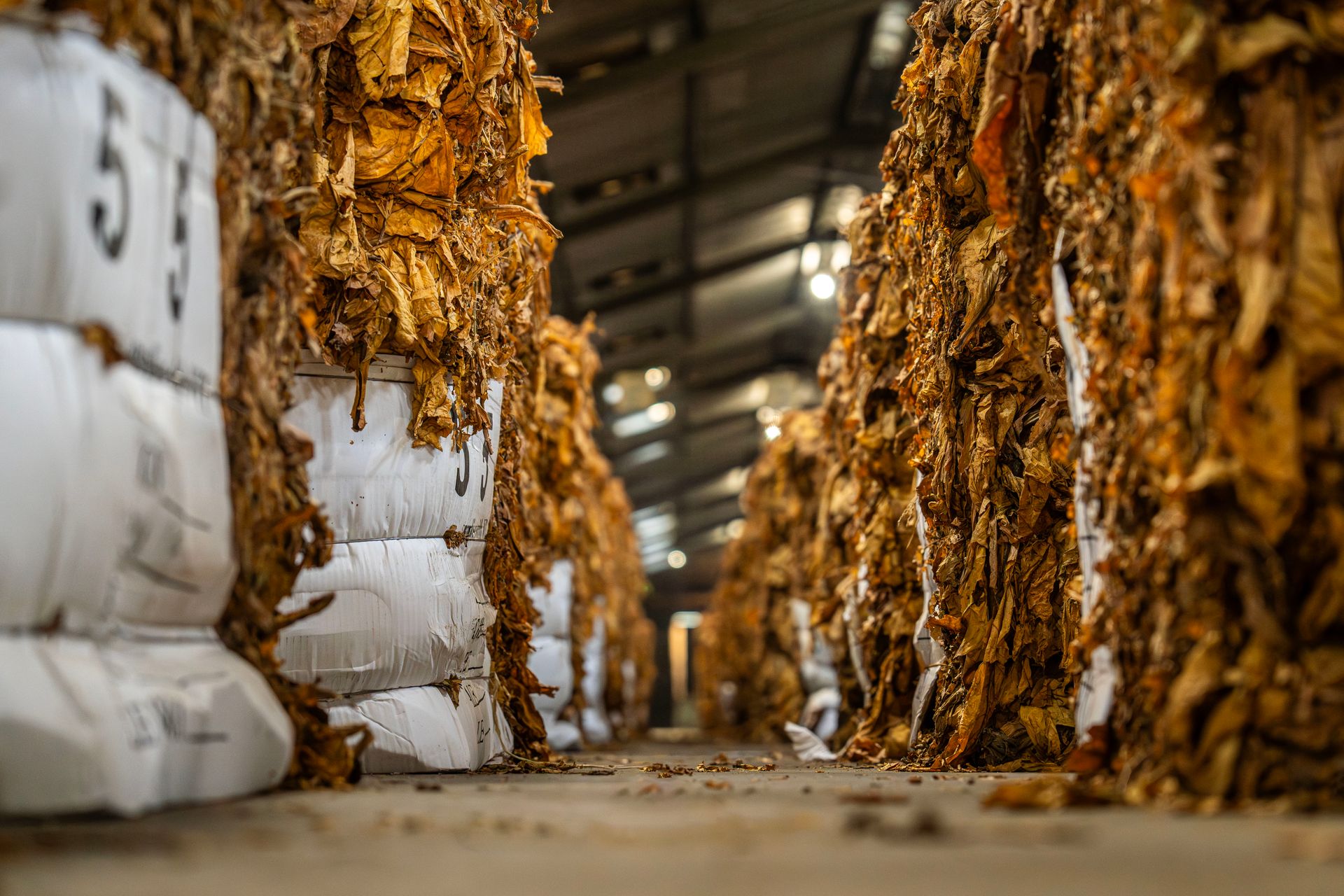
Agricultural commodities are a crucial part of the commodities market, and they encompass a wide range of products. These products are grown or raised for human consumption or use.
Corn is one of the most widely traded agricultural commodities, with a contract size of 5000 bushels on the Chicago Board of Trade (CBOT). This is the same contract size used for oats, rough rice, and soybeans. Wheat is also a major agricultural commodity, with a contract size of 5000 bushels on the CBOT.
Soybeans are another important agricultural commodity, with a contract size of 5000 bushels on the CBOT. Soybean meal and soybean oil are also traded as separate commodities, with contract sizes of 100 short tons and 60,000 pounds, respectively. Rapeseed is traded on the EURONEXT with a contract size of 50 tons.
Wheat is traded on multiple exchanges, including the CBOT and EURONEXT, with different contract sizes. The CBOT trades wheat with a contract size of 5000 bushels, while the EURONEXT trades it with a contract size of 50 tons.
Here is a list of some of the most commonly traded agricultural commodities:
- Corn
- Oats
- Rough Rice
- Soybeans
- Rapeseed
- Wheat
- Soybean Meal
- Soybean Oil
Energy Commodities
Energy commodities are a crucial part of the global economy, powering transportation, heating, and electricity generation. They also serve as a raw material for countless industrial and consumer products.
Crude oil is the lifeblood of the global economy, accounting for roughly 10-15% of global supply from top producers like Russia, Saudi Arabia, and the U.S. The United States and China are the largest consumers of oil, though demand is increasing fastest in emerging economies like India.
The world's top oil producers include the United States, Saudi Arabia, and Russia, while the top oil consumers are the United States, China, and India. Brent Crude and WTI crude are two major types of crude oil that act as global benchmarks for the industry.
Brent Crude is extracted from the North Sea and is characterized as a light (low density) and sweet (low sulphur content) crude oil. WTI crude, on the other hand, is drilled in various states throughout the US and is also described as both sweet and light.
Natural gas is the cleanest burning fossil fuel and is very versatile, meeting a lot of the same needs as crude oil. It is expected to continue being a key source of global energy during the transition to cleaner energy sources.
Here's a breakdown of the top oil producers and consumers:
Oil prices can be heavily influenced by geopolitical events, such as the ongoing war in Ukraine, which has sent gas prices soaring. The difference in price of Brent and WTI crude is known as the Brent-WTI spread and is often closely followed by traders and analysts.
Worth a look: Brent Crude Spot Price
Industrial Commodities
Industrial Commodities are a crucial part of the global economy, and understanding them can help you make informed decisions about investing or trading.
Copper is a highly conductive metal that powers our technological world, used in electrical wiring, renewable energy infrastructure, and consumer electronics. It's considered a reliable indicator of economic health due to its widespread use.
The top copper-producing countries are Chile, Peru, the DRC, and China, with Chile accounting for almost a quarter of global mining production in 2024.
China is the world's largest consumer of copper, accounting for over half of total world demand. Any change in Chinese demand for copper can have an influence on global prices.
Aluminium is crucial in the transportation, packaging, and construction industries, used in the production of trucks, cars, boats, trains, airplanes, and more. Reports state that aluminium demand will rise by 40% by 2030.
Iron is a primary constituent of steel, and iron ore ranks high in traded volume, impacting construction, infrastructure development, and manufacturing sectors worldwide. Australia and Brazil dominate global iron ore production, supplying close to 80% of the world’s exports.
Additional reading: National Aluminium Company
Here are some key industrial commodities and their characteristics:
Steel is the backbone of modern infrastructure, used in construction, automobiles, ships, and much more. Its demand can closely mirror economic growth, making it a crucial indicator of global industrial activity.
Industrial Metals, such as Lead, Zinc, Tin, and Nickel, are also crucial components of modern infrastructure, used in various applications, including construction, electronics, and transportation.
Related reading: Modern Drachma
Precious Metals
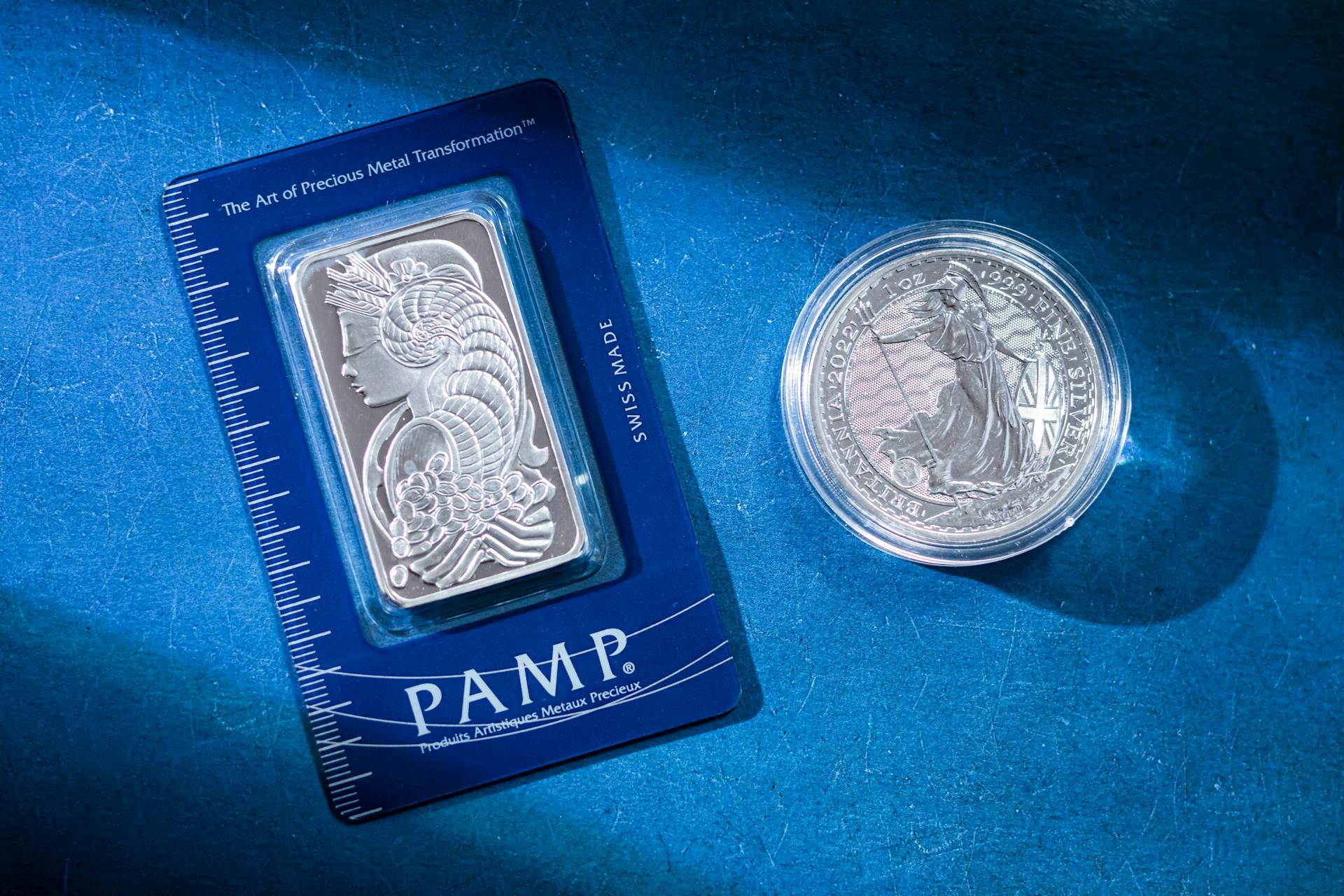
Precious Metals are a popular choice among investors and traders due to their safe haven status and industrial applications. Gold is one of the most traded commodities in the world and is often used as a store of value in central bank reserves and investment portfolios.
Gold's value is influenced by its rarity, durability, and conductivity, making it a sought-after metal for jewelry, electronics, and industrial use. Central banks have been increasing their gold reserves in recent years as a hedge against inflation and geopolitical instability.
The largest gold-producing countries are Australia, China, and Russia, while China and India dominate global demand due to their massive jewelry markets. Gold prices have surged since the Covid-19 pandemic due to increasing global uncertainty and as a hedge against high inflation.
Here are some key facts about Precious Metals:
Silver is another precious metal with industrial applications in electronics, batteries, and medical devices. Its price movements are closely correlated with gold.
Platinum is a rare and valuable metal used primarily in jewelry, industrial applications, and catalytic converters for controlling vehicle emissions. South Africa dominates global production, accounting for nearly 70% of supply.
If this caught your attention, see: U.s. Sec Approves Exchanges' Applications to List Ether Etfs
Other Commodities
Coffee is a popular traded commodity, with over 2.25 billion bags traded annually. The global coffee market is worth over $80 billion.
The price of coffee can fluctuate depending on factors such as weather conditions, crop diseases, and global demand. In 2011, a severe drought in Brazil caused coffee prices to surge.
You might like: Coffee Business Profit Margins
Cotton is another widely traded commodity, with over 25 million bales traded annually. The global cotton market is worth over $150 billion.
The price of cotton can be affected by factors such as weather conditions, pests, and global demand. In 2018, a severe drought in the US caused cotton prices to rise.
Sugar is also a traded commodity, with over 100 million tons traded annually. The global sugar market is worth over $70 billion.
The price of sugar can fluctuate depending on factors such as weather conditions, crop diseases, and global demand. In 2019, a severe drought in Brazil caused sugar prices to surge.
Rice is a staple food for many people around the world, with over 40 million tons traded annually. The global rice market is worth over $50 billion.
The price of rice can be affected by factors such as weather conditions, pests, and global demand. In 2017, a severe drought in India caused rice prices to rise.
A fresh viewpoint: Weather Invests
Commodity Lists
Brent crude oil is the most heavily traded commodity in the world, according to data from The Futures Industry Association (FIA).
Agricultural products are the most traded by volume, making up a significant portion of global commodity trade.
Here are the top 10 most-traded commodities:
- Brent crude oil
- Steel
- WTI crude oil
- Soybeans
- Iron
- Corn
- Gold
- Copper
- Aluminum
- Silver
Energy products are the second most traded commodity by volume, following closely behind agricultural products.
Commodity Information
Commodity prices are highly volatile, with prices fluctuating wildly over short periods of time. This is due to factors such as changes in supply and demand, geopolitical events, and weather conditions.
Gold, for example, is a highly sought-after commodity due to its rarity and durability. The price of gold can be affected by central banks' decisions to buy or sell gold reserves.
Some commodities, like oil, are used as a form of currency in international trade. This is because oil is a widely traded and valuable resource.
For more insights, see: Highly Confident Letter
What Are Commodities?
Commodities are often categorized into three main types: agriculture, energy, and metals. These categories are the foundation of the commodity market.
Agricultural commodities include coffee and cotton, which are widely traded around the world. Energy commodities, on the other hand, consist of crude oil and natural gas, both of which are essential for powering our daily lives.
Metal commodities are also a significant part of the commodity market, with gold and copper being two of the most valuable and widely traded metals.
Commodity Price Drivers
Commodity prices are influenced by a variety of factors that can impact supply and demand. Weather events can significantly affect commodity prices, particularly for agricultural commodities like crops and livestock.
Weather conditions like droughts, floods, and heatwaves can lead to crop failures, reduced yields, and even complete loss of harvests. This can drive up prices as demand remains high while supply is scarce.
Geopolitical events can also impact commodity prices, often due to disruptions in supply chains or trade agreements. For instance, conflicts or sanctions can limit access to certain commodities, causing prices to rise.
Suggestion: Cyber Insurance Demand
Economic growth can influence commodity prices, as an expanding economy often leads to increased demand for commodities like metals, energy, and agricultural products. This can drive up prices as more consumers and businesses compete for these resources.
Currency fluctuations can also affect commodity prices, as changes in exchange rates can make commodities more or less expensive to import or export. This can impact prices for commodities that are traded globally.
Monetary policy decisions, such as interest rate changes, can influence commodity prices by affecting the overall economy. For example, low interest rates can stimulate economic growth, leading to increased demand for commodities.
Inflation, or a general increase in prices, can also impact commodity prices by eroding the purchasing power of consumers. This can drive up prices for commodities as businesses pass on increased costs to consumers.
Here are some common commodity price drivers:
- Weather
- Geopolitical Events
- Economic Growth
- Currency Fluctuations
- Monetary Policy
- Inflation
Frequently Asked Questions
What are the 7 C's of commodities?
The 7 C's of commodities are: coffee, corn, cotton, copper, crude oil, cocoa, and cattle. These key commodities are influenced by various factors, including subsidies and foreign market interventions.
How many commodities are in trading?
There are 9 main commodity sectors in trading, including agriculture, metals, energy, and services. These sectors encompass a wide range of products, from food grains to energy products.
Featured Images: pexels.com