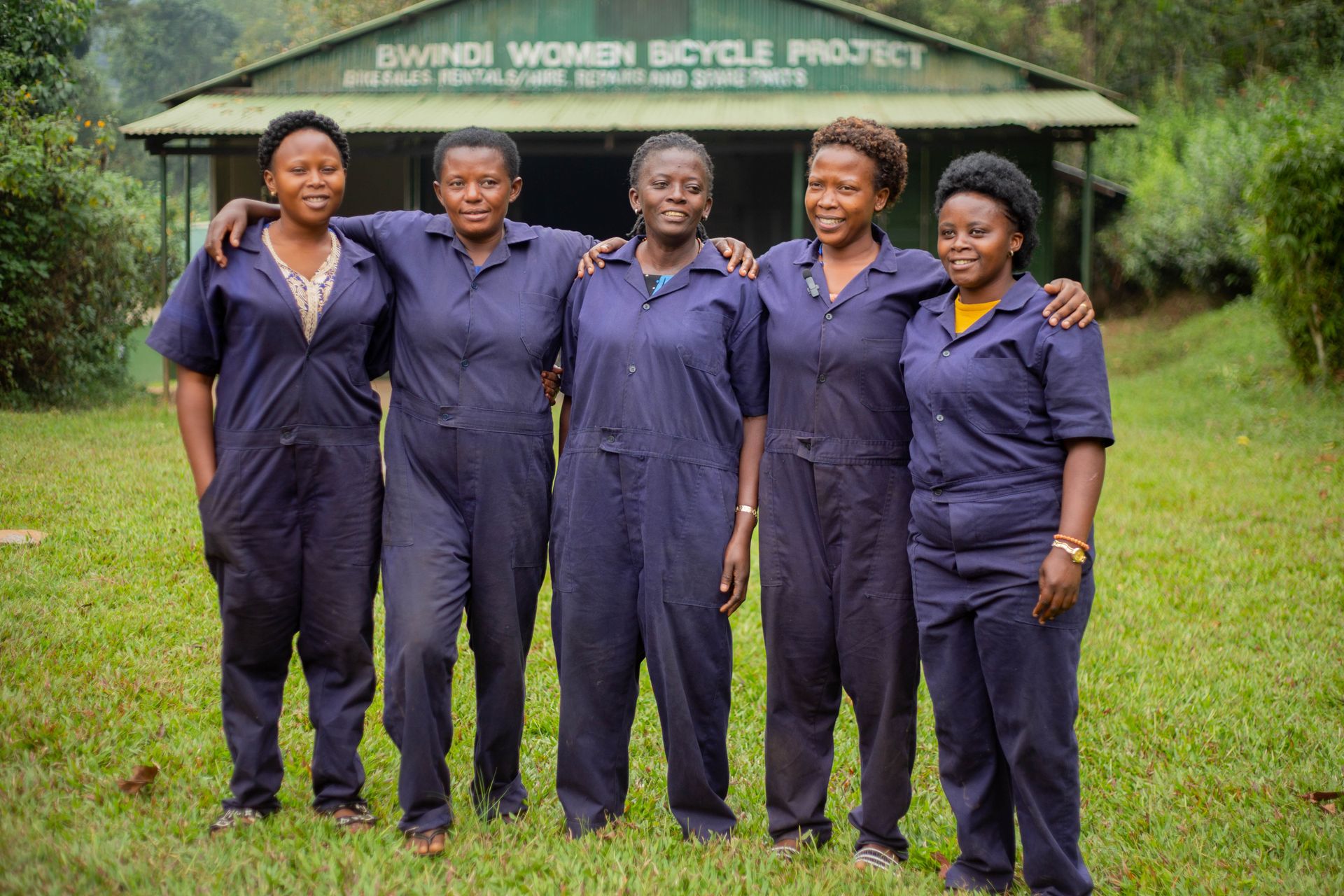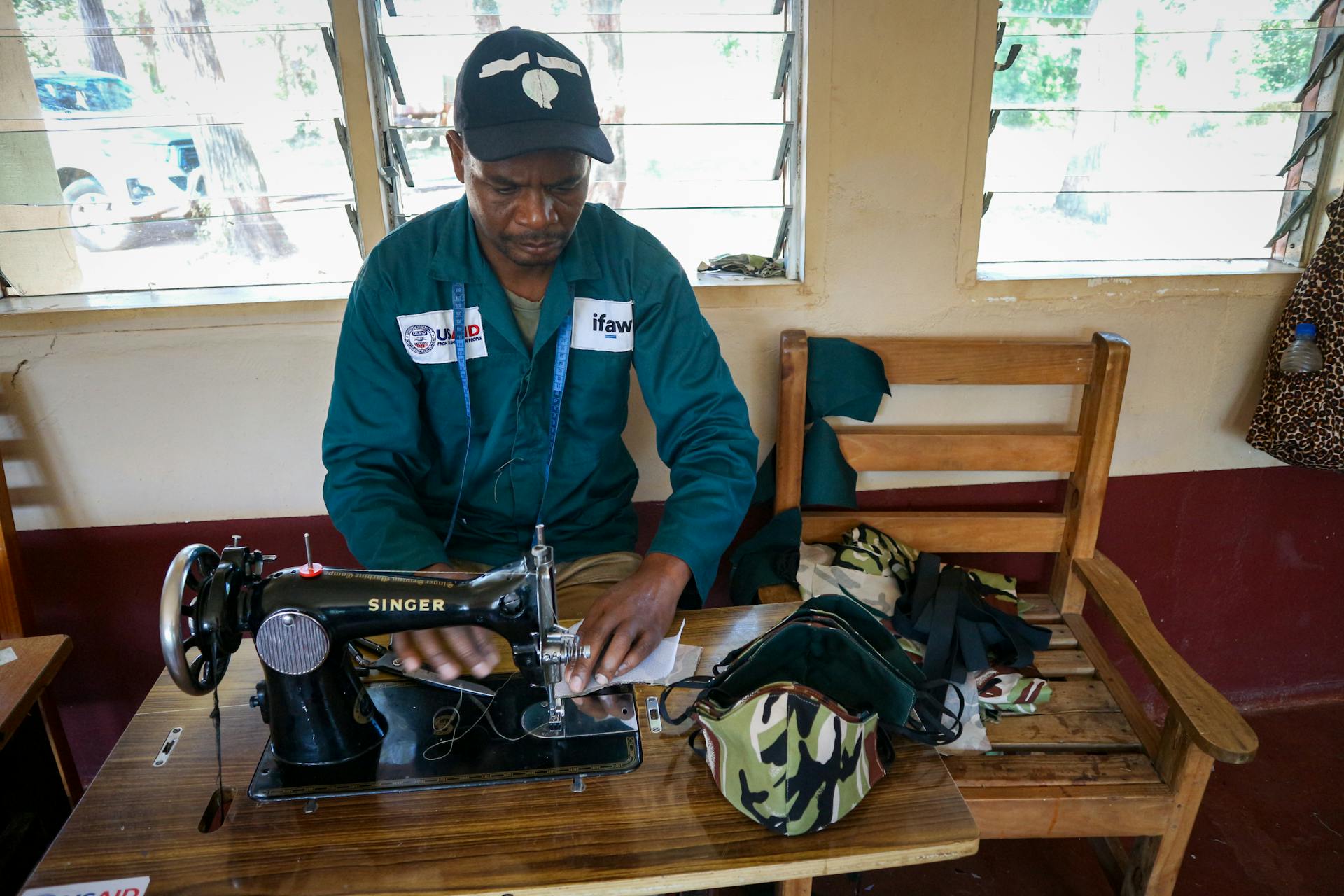
Social enterprises are organizations that use business principles to tackle social problems. They're a great example of how innovation and entrepreneurship can be used to make a positive impact.
One social enterprise that stands out is The Big Issue, a magazine sold on the streets by homeless people to help them earn a living. They've been doing this since 1991.
Another example is Patagonia, a clothing company that donates 1% of its sales to environmental groups. This is part of their mission to use business as a force for good.
Tom's Shoes is a social enterprise that gives away a pair of shoes to a child in need for every pair sold. This approach has helped them become a successful and sustainable business.
Corporate-Ready Social Enterprises
The Corporate-Ready Social Enterprises list is a result of research shared in a report led by Acumen and supported by IKEA Social Entrepreneurship. This list features 100 diverse examples of social enterprises doing business with corporations across industries and geographies.
The report aims to support increased access to corporate value chains for social enterprises and to learn what it means for social enterprises to be 'corporate-ready'. This is an important goal, as it can help social enterprises scale their impact and reach more people in need.
The list includes a subset of social enterprises that were nominated and responded to Acumen's corporate-readiness survey. It's a glimpse into the transformational impact and value that is created when social enterprises and corporations do business together.
Social Entrepreneurship Ideas
Social entrepreneurship offers a wide range of startup ideas, from funding other startups to breaking down barriers to education.
The global sustainable fashion market is expected to increase by 22.9% from 2023 to 2030, making sustainable clothing a viable business opportunity.
A sustainable clothing startup can make an impact by creating thoughtful garments that are long-lasting and ethically made out of sustainable materials like linen or hemp.
Solar Sister is a social enterprise that brings clean energy technology to rural Africa by empowering women, helping 5,019 entrepreneurs and reaching 1,765,304 people in 2020.
Toms Shoes: One for One
Toms Shoes: One for One is a social enterprise that has made a significant impact on the lives of millions of children worldwide. They've given over 50 million pairs of new shoes to children in need, enabling them to play and go to school safely, improving health, providing access to education, and building confidence.
The idea behind One for One is simple: for every pair of shoes you buy, they donate a pair to a child in need. This model has been replicated by other social enterprises, such as One World Football Project, which has donated over 45 million balls to disadvantaged communities worldwide.
Toms Shoes has taken this concept a step further by creating a sustainable business model that benefits both the consumer and the community. By donating a pair of shoes for every pair sold, they're not only providing a vital service but also creating a ripple effect of kindness that spreads far and wide.
In fact, the success of Toms Shoes has inspired other social entrepreneurs to create similar models, such as Warby Parker, which donates a pair of glasses for every pair sold, and STATE Bags, which delivers backpacks containing essential tools for success to American children in need.
Food Waste Solution
Food waste is a significant problem in the US, with at least one-quarter of the food produced going to waste every year.
This staggering statistic has led to the growth of food waste startups, which are finding innovative ways to recycle waste food and put it to good use.
These startups are not only benefiting those who may be struggling financially, but also higher-income consumers who are looking for ways to prove their commitment to sustainability and reduce their own carbon footprint.
The food waste solution market is also helping food producers to improve their profit margin, making it a win-win for all parties involved.
A knowledge of the FMCG space is beneficial for anyone looking to venture into this industry, as it can provide valuable insights into the market and its needs.
Here's an interesting read: Aim Market Listings
Ethical Business Models
A social enterprise's primary goal is to overcome or alleviate a global or local issue, such as poverty, education, health, technology access, or the environment, making them a cause-driven business.
Financial sustainability is crucial, with financial numbers and cash flow expected to be in line with long-term expectations.
Investors receive a return on their investment amount only, no dividend, and must only receive back what they put in.
The profit generated stays with the company for expansion and improvement after investments are paid back.
Businesses that prioritize workforce well-being pay market wage and provide better working conditions, fostering long-term relationships with employees.
Gender discrimination and environmental impact are tackled, making these businesses gender sensitive and environmentally conscious.
These businesses operate with joy, driven by a purpose of helping a cause.
Social Impact Platforms
Social Impact Platforms can be a powerful way to drive change in the world.
From launching a volunteering platform startup that helps people find volunteering opportunities to creating a platform that funds other startups, there's a wide range of social impact platforms to explore.
You can focus on specific locations, types of organizations, forms of volunteer work, or even target markets like corporates who want to team-build through volunteering.
Founding a social impact platform can be a simple yet impactful way to start making a difference in the world.
With the right idea and execution, you can create a platform that benefits both individuals and charitable organizations.
Social entrepreneurship ideas like these can help you start a successful business while making a positive impact.
Frequently Asked Questions
How many social enterprises are there in the USA?
There are approximately 500 social enterprises in the USA, employing thousands of people and generating significant revenue. Learn more about the impact of social enterprises in the US market.
Who are some famous social entrepreneurs?
Some well-known social entrepreneurs include Bill Drayton, Rachel Brathen, Shiza Shahid, Blake Mycoskie, Scott Harrison, Muhammad Yunus, and Jeffrey Hollender, who have made significant impacts through innovative solutions to social and environmental issues. Learn more about their inspiring stories and achievements.
Featured Images: pexels.com