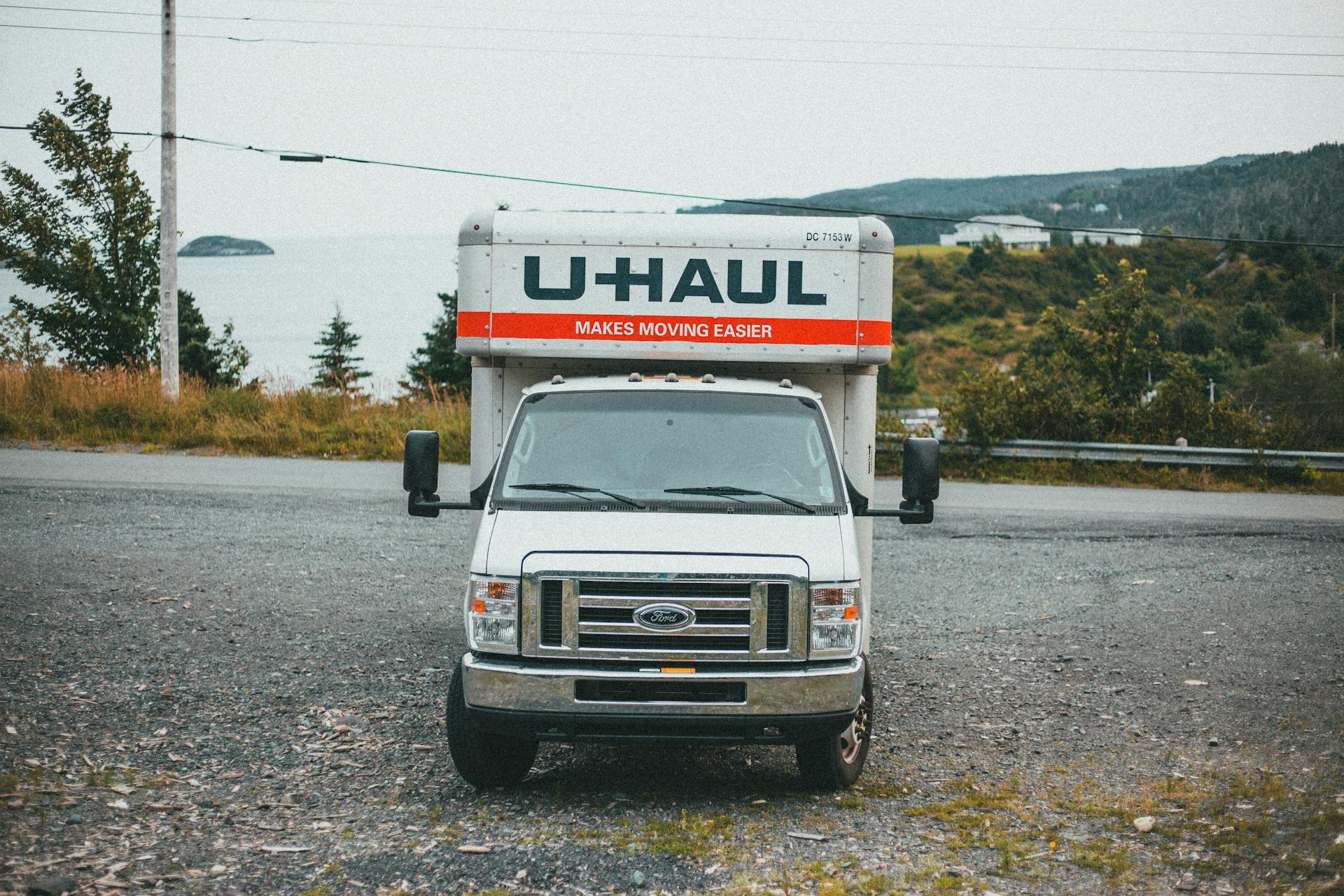
Leaseback is a modern financing tool that's gaining popularity among businesses and individuals alike. It's a simple concept: you sell your asset, but instead of owning it outright, you lease it back from the buyer.
The benefits of leaseback are numerous. For instance, you can receive a lump sum payment upfront, which can be used to pay off debts or invest in other ventures.
This financing tool is particularly useful for businesses with valuable equipment or property that they no longer need or can't afford to maintain. By leasing it back, they can free up capital and redirect it to more pressing needs.
Leaseback arrangements can be customized to suit your needs, allowing you to negotiate the terms of the lease and the purchase price of the asset.
If this caught your attention, see: Car Dealer Lied about Financing
What is Leaseback?
A sale-leaseback, or leaseback, is a financial transaction where a business sells an asset to a buyer and then leases it back.
This arrangement allows the seller to unlock the value of the asset while retaining its use, creating a win-win scenario for both parties.
The process typically starts with selling the asset to a buyer for its fair market value, which provides an immediate lump sum of cash.
This lump sum can be used to fund growth initiatives, improve cash flow, or address other financial needs.
After the sale, the seller enters into a lease agreement with the buyer, allowing them to continue using the asset.
Lease terms, including the duration and payment structure, are agreed upon upfront, providing predictability for the seller's budget.
The seller maintains full operational control of the asset throughout the lease term, ensuring no disruption to their business operations.
At the end of the lease, the seller may have several options, depending on the agreement.
Here are some common end-of-term options:
- Buy the asset back
- Extend the lease
- Return the asset to the lessor
This flexible process not only provides immediate liquidity but also allows businesses to optimize their balance sheets, avoid debt, and maintain access to critical assets.
Leaseback Types
There are several types of leasebacks, each with its own unique characteristics.
A sale-and-leaseback is a type of leaseback where a company sells a property to an investor and then leases it back to continue using the property.
A synthetic lease is a type of leaseback that allows a company to use a property as if it owned it, while still reporting the lease payments as an operating expense.
Recommended read: Is Commercial Property a Good Investment
Commercial Real Estate
Commercial real estate leasebacks are a type of transaction where a corporation sells its corporate real estate assets to an institutional investor or real estate investment trust (REIT) and then leases the property back.
This allows the corporation to access more capital than traditional financing methods, enabling them to finance expansion, purchase new equipment, or invest in new business opportunities.
A sale leaseback enables a corporation to receive 100% of the value of the property, whereas traditional financing is limited to a loan-to-value ratio or debt-coverage-ratio.
A fresh viewpoint: Days Sales Outstanding Dso Ratio
The lease term and rental rate are based on the new investor/landlord's financing costs, the lessee's credit rating, and a market rate of return.
The investor/landlord benefits from a fair return on investment in the form of rent during the lease term, and ownership of a depreciable asset already occupied by a reliable tenant.
Long-term, fully leased assets with a guaranteed income stream are also attractive to investors.
For income-tax purposes, the investor/landlord can take an expense deduction for an investment in a depreciable property to allow for the recovery of the cost of the investment.
Here are the advantages of a sale leaseback for the seller/lessee:
- Help finance expansion of the existing business, purchase new plant equipment, or invest in new business opportunities.
- Help pay down debt and improve the company's balance sheet.
- Help reduce the seller/lessee's business income tax liability caused by the appreciation in value (land only) of its corporate real estate assets.
- Helps limit risks associated with owning real estate such as cyclical market variations.
Industrial Equipment
Industrial equipment is a key area where leasebacks have made a significant impact. A long-standing example is the railroad industry, where locomotives and other rolling stock are purchased on behalf of the railroad by an 'equipment trust' set up by a bank, financing the original purchase cost with the lease payments.
This commercial transaction allows two companies to have at their immediate disposal the cash to make investments in new business opportunities. By selling some of their equipment to a lessor, such as a bank or another financial institution, companies can keep the use of the equipment while freeing up capital.
The benefits of leasebacks in industrial equipment are numerous. Companies can unlock the value of their assets, retain access to the equipment they need, and free up capital for operational expenses, expansion, or upgrading equipment.
Here are a few key industries that benefit from leasebacks in industrial equipment:
- Manufacturing: Manufacturers can use leasebacks to free up capital for operational expenses, expansion, or upgrading equipment.
- Transportation and Logistics: Companies in this sector can use leasebacks to convert their assets into working capital while maintaining their operational capabilities.
Sale as a Modern Tool
A sale-leaseback is a modern tool that can provide a business with immediate liquidity and access to capital, allowing it to fund growth initiatives, improve cash flow, or address other financial needs.
The sale-leaseback concept has been used in various industries, including commercial real estate, industrial equipment, and biotechnology. In commercial real estate, a sale-leaseback typically involves a corporation selling its corporate real estate assets to an institutional investor or a real estate investment trust (REIT) and then leasing the property back.
This arrangement allows the corporation to access more capital than traditional financing methods, which are limited to a loan-to-value ratio or debt-coverage-ratio. The sale-leaseback also helps the corporation reduce its business income tax liability caused by the appreciation in value of its corporate real estate assets.
In industrial equipment, a sale-leaseback has been used in the railroad industry, where locomotives and other rolling stock are purchased on behalf of the railroad by an 'equipment trust' set up by a bank. This arrangement allows the railroad to access the equipment it needs without tying up large amounts of capital.
A sale-leaseback can be a strategic financial tool for businesses in capital-intensive industries like biotechnology, manufacturing, healthcare, transportation, and agriculture. It allows these businesses to unlock the value of their assets while retaining access to the tools they need to innovate and grow.
Some of the key benefits of a sale-leaseback include:
- Immediate liquidity: A business receives a lump sum payment upfront, providing immediate access to capital.
- Improved cash flow: A sale-leaseback allows a business to spread the cost of an asset over time through predictable lease payments.
- No new debt: A sale-leaseback does not create new debt on a business's balance sheet.
- Tax benefits: Lease payments are typically tax-deductible, and a business may be able to write off depreciation.
- Retention of asset use: A business retains full use of the asset, ensuring no disruption to its operations.
Here are some examples of industries that benefit from sale-leasebacks:
- Biotechnology and life sciences: Biotech companies often require specialized lab equipment, manufacturing facilities, and R&D infrastructure.
- Manufacturing: Manufacturers frequently invest in costly machinery and production facilities.
- Healthcare: Hospitals, clinics, and other healthcare providers can use sale-leasebacks to monetize medical equipment, imaging devices, or real estate.
- Transportation and logistics: Companies in this sector often own fleets of vehicles, aircraft, or shipping containers.
- Technology and IT: Tech companies with data centers, servers, or specialized hardware can use sale-leasebacks to fund innovation or scale their infrastructure.
- Agriculture: Farms and agribusinesses with expensive equipment like tractors, harvesters, or irrigation systems can benefit from sale-leasebacks to manage cash flow and invest in new technologies.
By using a sale-leaseback, a business can access the capital it needs to fund growth initiatives, improve cash flow, or address other financial needs, while retaining access to the assets it relies on.
Leaseback in Different Countries
The leaseback concept has spread to other European countries, including Spain and Switzerland.
In these countries, you can find a variety of properties available for leaseback, such as studios, apartments, and villas.
Typical locations for these properties include areas near ski resorts, beach resorts, and golf courses.
A different take: Landlords No Credit Check
United States
In the United States, a sale/leaseback transaction is becoming increasingly popular due to the lack of financing available in the market. Many American businesses are turning to this option to provide quick capital.
Developers of master-planned communities often sell the model home to a buyer before the community is sold out, leasing it back from the buyer for a period of up to two years. This allows them to free up funds for other uses.
The current lessee may have the option to buy the asset back at the end of the lease, which typically takes place at the end of the tax year. This is to avoid any potential issues with the IRS in case of an audit.
For your interest: When a Car Lease Is up What Happens
Other Countries
Leaseback properties have gained popularity in Europe, with countries like Spain and Switzerland adopting the concept.
In Spain, you can find a range of properties, including studios, apartments, and villas, often situated near beach resorts.
These properties are also found in Switzerland, near ski areas.
The Swiss and Spanish leaseback markets offer a unique opportunity for investors to diversify their portfolios and earn rental income.
On a similar theme: Long Term Car Lease Spain
Leaseback Process
A leaseback is a type of financing where a business sells an asset and then leases it back from the buyer.
The leaseback process typically involves a three-way agreement between the business, the buyer, and a leasing company.
The business receives a lump sum payment from the buyer, which can be used to cover the purchase price of the asset.
This payment is usually a fraction of the asset's market value, as the buyer is essentially taking on the risk of owning the asset.
The business then signs a lease agreement with the leasing company, which allows them to use the asset for a set period of time.
Related reading: Buyer Brokerage
The lease agreement typically includes a fixed monthly payment, which covers the leasing company's costs and a portion of the asset's depreciation.
The business can continue to use the asset for the duration of the lease, while the leasing company owns the asset and bears the risk of its depreciation.
At the end of the lease, the business can choose to purchase the asset at a predetermined price or return it to the leasing company.
A unique perspective: Ck Hutchison Panama Ports Company Sale Status 2025
Choosing a Leaseback Partner
Choosing a leaseback partner is a crucial step in unlocking the value of your assets. A reputable partner can make all the difference in a seamless sale-leaseback experience.
When evaluating potential partners, look for a proven track record in your industry, such as biotech or manufacturing. A partner familiar with the unique challenges of your sector will be better equipped to structure a deal that meets your needs.
A financially stable partner is essential to reduce the risk of disruptions to your operations. Ensure the partner has strong financial backing and can fulfill their obligations throughout the lease term.
To ensure a smooth process, choose a partner with flexible lease terms, including options for lease duration, payment structures, and end-of-term choices. This will give you the freedom to adjust your business strategy as needed.
Here are some key factors to consider when evaluating potential leaseback partners:
Choose a Sale
A sale-leaseback is a financial tool that can provide significant advantages, particularly for businesses in capital-intensive industries like biotech.
Immediate access to capital is one of the most compelling benefits of a sale-leaseback, allowing you to unlock the value of your assets and use the funds for essential business activities.
By selling your equipment or property and leasing it back, you can convert illiquid assets into cash, which can be used to fund R&D, hiring top talent, or expanding operations.
The types of equipment that typically qualify for a sale-leaseback include real estate, high-value machinery, and biotech instruments.
A sale-leaseback allows you to spread the cost of the asset over time through predictable lease payments, freeing up cash flow for other priorities.
A unique perspective: How Does a Salvage Title Affect Value
Lease payments in an SLB arrangement are often fully tax-deductible, providing potential savings for your business.
Here are some key factors to consider when evaluating a sale-leaseback:
- Equipment Type: Real estate, high-value machinery, and biotech instruments
- Fair Market Value: The financing company will assess the liquidation value or fair market value of the equipment
- Recent Purchase: Most leasing companies prefer that the equipment be recently purchased, typically within 9 to 12 months
By retaining full use of the asset, you can ensure no disruption to your day-to-day operations and maintain operational control.
At the end of the lease, you may have the option to purchase the asset back, continue leasing, or return it, providing flexibility in your financial arrangement.
Discover more: What Is an Asset Sale of a Business
Choose the Right Sale Partner
Choosing the right sale partner is crucial for a smooth sale-leaseback transaction. A partner with a proven track record in your industry will be better equipped to structure a deal that meets your needs.
Experience and reputation are key factors to consider when evaluating potential partners. Look for a partner familiar with the unique challenges of your industry, such as biotech or manufacturing.
A financially stable partner reduces the risk of disruptions to your operations. Ensure the partner is capable of fulfilling their obligations throughout the lease term.
Flexible lease terms can make a big difference in your business. Choose a partner who offers flexible lease terms, including options for lease duration, payment structures, and end-of-term choices.
Transparent pricing is essential for a fair deal. A reputable partner should provide clear, upfront pricing with no hidden fees.
Here are the key factors to consider when evaluating potential partners:
A good partner will offer strong customer support and work with you to structure an SLB that supports your business goals.
Why Choose Excedr?
Excedr has years of experience supporting biotech and life sciences companies, which gives them a deep understanding of the unique challenges this industry faces.
Their flexible lease terms allow companies to adapt to changing needs, providing a seamless sale-leaseback experience.
Excedr's transparent pricing ensures that companies know exactly what they're getting into, with no hidden surprises.
Excedr's commitment to customer support means they're always available to help companies navigate the process.
Excedr's financial stability and industry expertise give companies the confidence to trust them with unlocking the value of their assets.
Excedr's commitment to customer support ensures that companies can maintain operational efficiency while working with them.
Recommended read: The Receipt of Cash in Advance from a Customer
Benefits and Considerations
A sale-leaseback can provide immediate access to capital by converting illiquid assets into cash, allowing businesses to fund essential activities without taking on additional debt.
By spreading the cost over time through predictable lease payments, businesses can free up cash flow for other priorities, such as scaling production or investing in innovation.
Immediate Liquidity
You receive a lump sum payment upfront, providing immediate access to capital that can be used for growth, operational expenses, or other priorities.
Tax Benefits
Lease payments are typically tax-deductible, and you may be able to write off depreciation, depending on the lease structure, providing potential savings for your business.
No New Debt
An SLB does not create new debt on your balance sheet, preserving your creditworthiness and financial flexibility, making it easier to secure additional funding if needed in the future.
Benefits of Sale-Leaseback:
Toxic Banking Assets Solution
One option being considered for dealing with toxic banking assets is a sale-and-leaseback of these assets. This is according to Robert Peston, a former Business Editor for the BBC.

A sale-and-leaseback between the banks and the state has two key advantages. There's no need to value the toxic assets, which can be a complex and costly process.
Losses on these assets would be absorbed by the banks in manageable chunks over about 10 years. This would help to spread out the financial burden and make it more sustainable for the banks.
Curious to learn more? Check out: Regional Banks with Largest Commercial Real Estate Exposure
Sale vs. Loan
Sale vs. Loan: What's the Best Choice for Your Business?
An SLB does not create new debt on your balance sheet, unlike traditional financing methods like loans and lines of credit.
This can help preserve your creditworthiness and financial flexibility, which is especially important for businesses with limited cash flow.
You receive a lump sum payment upfront with an SLB, providing immediate access to capital that can be used for growth, operational expenses, or other priorities.
This is in contrast to loans, which often come with stricter eligibility requirements and longer approval processes.
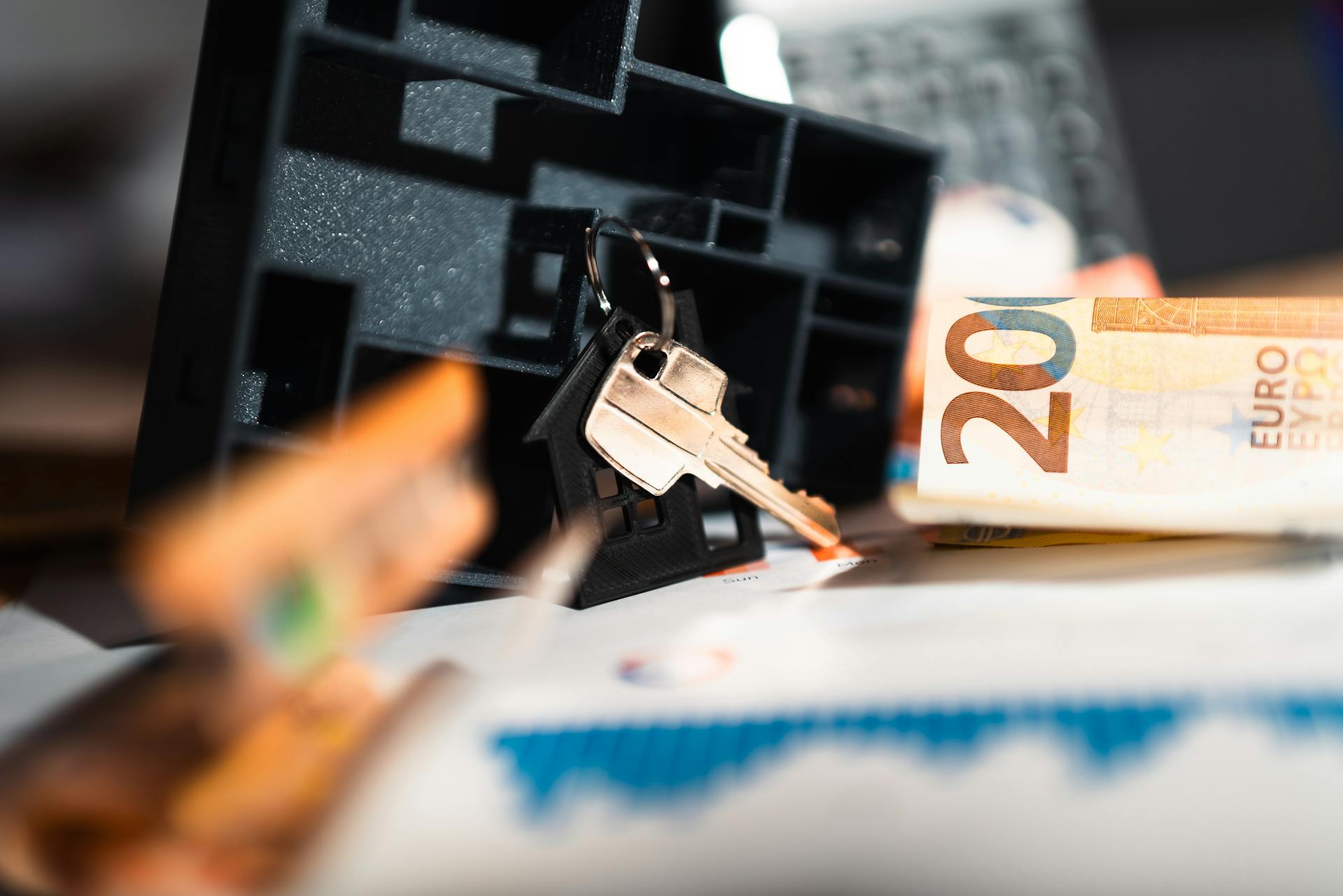
Lease payments are typically tax-deductible with an SLB, and you may be able to write off depreciation, depending on the lease structure.
This can lead to significant tax savings, especially for businesses with high asset depreciation.
At the end of the lease, you may have the option to purchase the asset back, continue leasing, or return it, providing flexibility that's not typically found with loans.
Here's a comparison of the two options:
Real-World Sales Examples
A biotech startup secured $2 million in upfront capital by selling its lab equipment through a sale-leaseback and leasing it back, allowing them to hire top talent and expand their R&D efforts.
Manufacturers can use sale-leasebacks to free up capital for operational expenses, expansion, or upgrading equipment without disrupting production. For example, a mid-sized manufacturer sold its existing machinery for $5 million and leased it back, enabling them to purchase state-of-the-art equipment and increase production capacity.
Hospitals can use sale-leasebacks to modernize their equipment and improve patient care. A regional hospital sold its outdated equipment for $3 million and leased it back, using the funds to purchase new, cutting-edge technology.
For another approach, see: Turning in a Leased Car for Another Lease
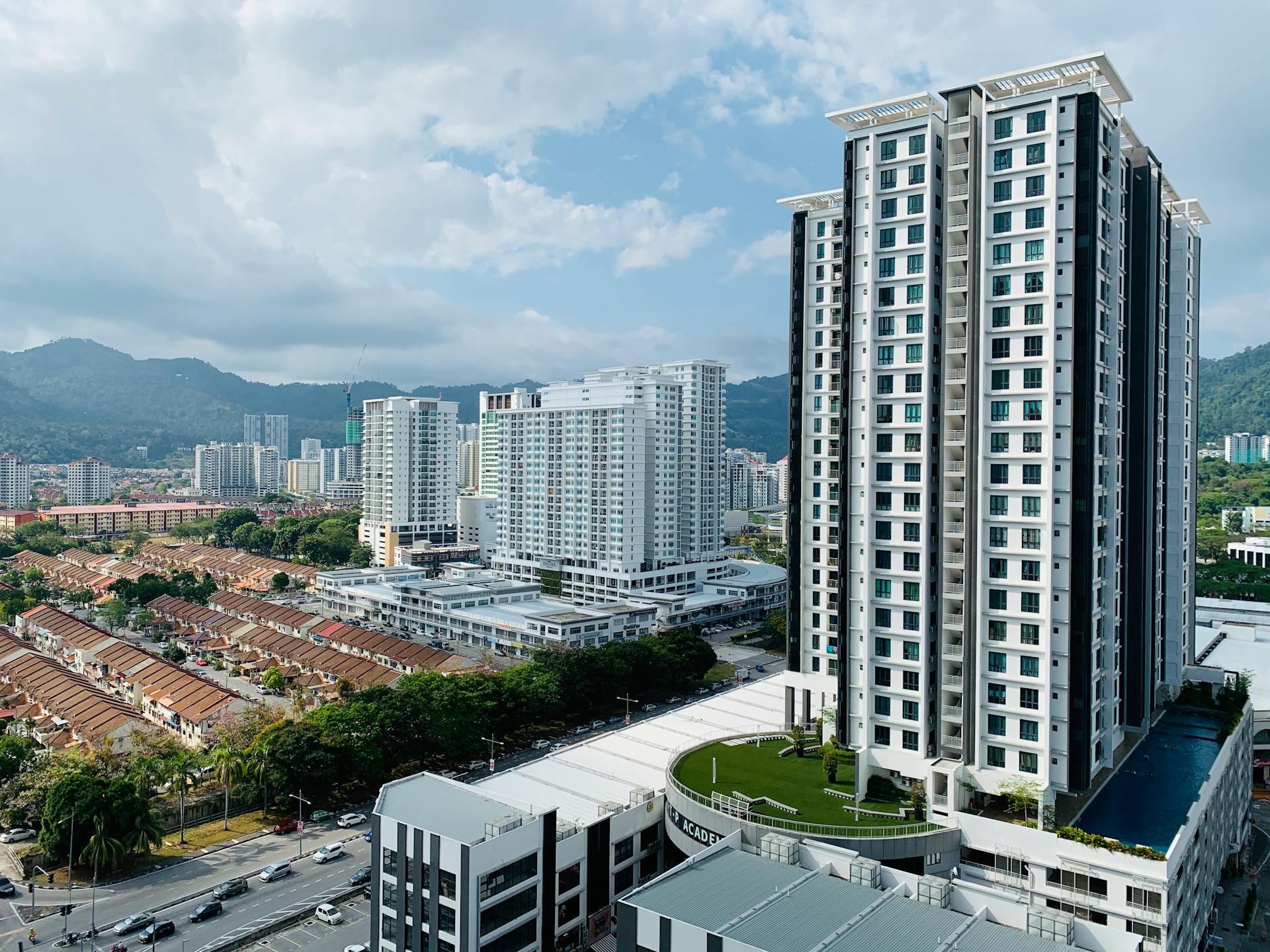
Agricultural businesses can also benefit from sale-leasebacks, as seen with a family-owned farm that sold its existing machinery for $1.5 million and leased it back, allowing them to implement sustainable solutions and reduce costs.
Here are some examples of businesses that have used sale-leasebacks to achieve their goals:
Municipal Finance and Leaseback
Lease-leasebacks are a common tool for financing construction projects in municipalities. They can be used for high-occupancy buildings where the organization doesn't have the ability to fill the entire space.
Municipalities like school districts use lease-leasebacks to finance construction projects, such as making improvements to existing buildings. The developer secures financing for the project using the lease agreement.
A lease-leaseback arrangement typically involves a 10-year lease period, during which the school district makes rent payments to the developer for the use of the building. The developer makes the necessary improvements to the building and then leases it back to the school district.
Broaden your view: Construction Contract
At the end of the lease period, the school district has the option to purchase the building or enter into a new lease agreement with the developer. The accounting for lease-leasebacks is different from normal sublease accounting methods and requires both parties to account for the arrangement as a net transaction.
Expand your knowledge: Net Method of Accounting for Sales Discounts
Frequently Asked Questions
What are the disadvantages of leaseback?
Leaseback can result in lost profits from property appreciation and long-term rental commitments that may become costly. This can be a significant drawback for businesses considering leaseback options.
Featured Images: pexels.com