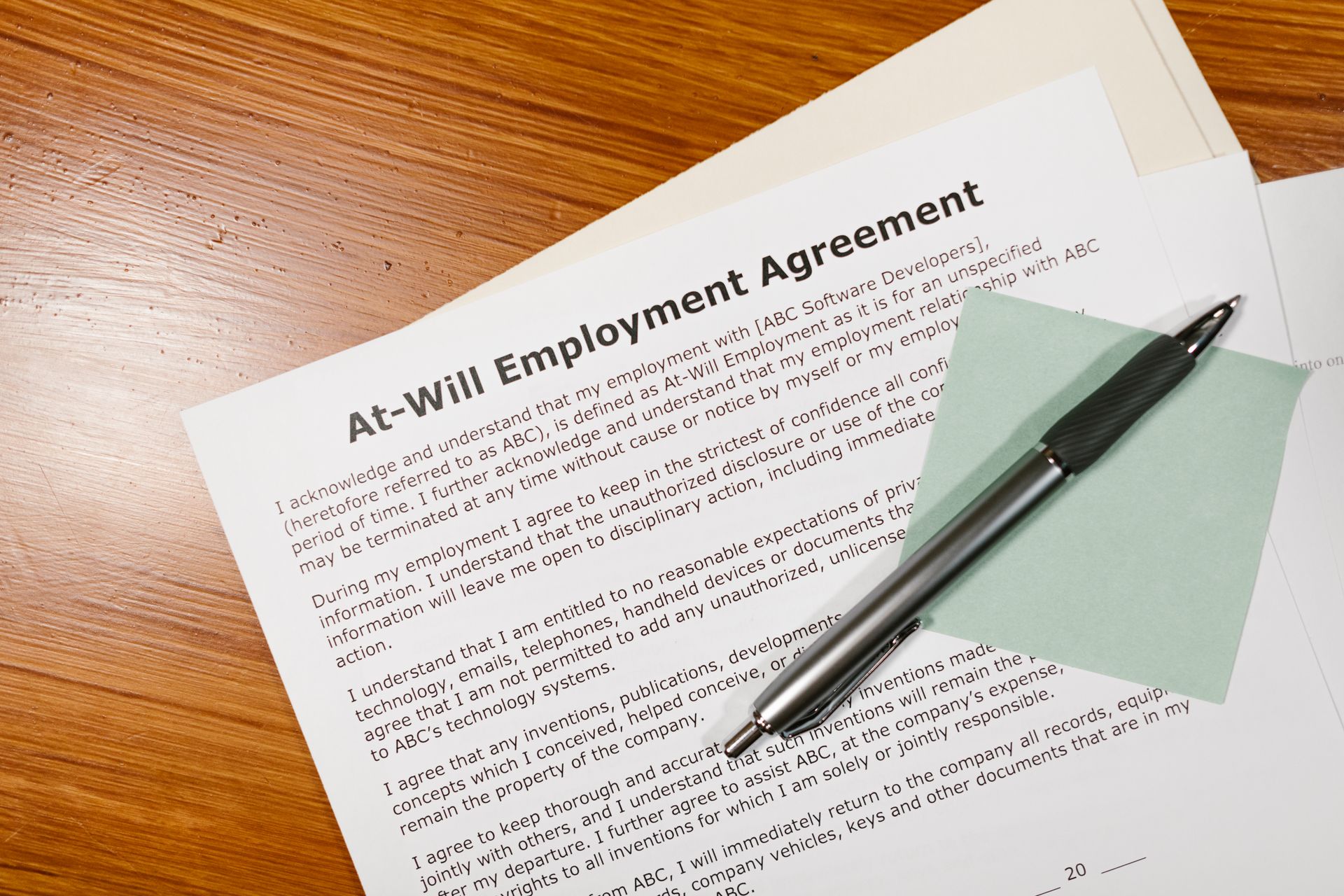
Writing a clear and simple legal agreement is crucial for any business or personal transaction. A well-written agreement helps avoid misunderstandings and potential disputes down the line.
To start, define the scope of the agreement. This includes specifying the parties involved, their roles, and the terms of the agreement. For example, a sales contract might outline the buyer and seller, the product being sold, and the payment terms.
Clear language is essential in a legal agreement. Avoid using jargon or technical terms that may confuse readers. Use simple, concise language that gets the point across. This will help ensure that all parties understand the agreement.
Incorporate a clear and concise summary of the agreement at the beginning. This summary should highlight the main points of the agreement, such as the purpose, scope, and key terms.
A unique perspective: Is a Contract Binding If Not Signed by All Parties
Understanding Legal Agreements
To write a legal agreement, you need to understand the basics of contract law. Law students spend an entire year studying Contract Law, so you don't need to be an expert, but having a basic understanding is crucial.
For more insights, see: Contract Law Non Performance
A contract won't be valid if all parties don't have the legal capacity to enter into it, meaning everyone understands what the contract says and its implications. If someone's mental state prevents them from understanding the contract, it's not valid.
You can't make a contract if you're under the influence or pressured into it. For example, if you're very drunk or someone threatens you, the contract is void.
To prepare a contract, you need to understand basic concepts like offers, acceptance, and consideration. Fortunately, with Google, you can educate yourself on these principles.
Having a contract in writing is essential, as it provides a clear roadmap for expectations, deadlines, and payment terms. A handshake deal can be binding, but it's better to have everything in writing.
A unique perspective: Why Is Writing an Essay so Hard?
Drafting the Agreement
To draft a solid agreement, start with a contract template. This can be a great way to get started, as it provides a basic structure to build upon.
Before you begin, read the steps below on how to write a contract. This will ensure you're on the right track and have a clear understanding of the process.
Using a template can save you time and effort, and help you avoid common mistakes that can lead to disputes or complications.
Draft in 13 Steps
Drafting the agreement requires a structured approach to ensure all necessary elements are included.
Step 1: Define the purpose of the agreement, which should be clearly stated in the introduction.
A well-defined purpose helps to guide the rest of the drafting process.
Step 2: Identify the parties involved, including their names, addresses, and contact information.
This information is essential for establishing the agreement's authenticity and enforceability.
Step 3: Clearly outline the scope of the agreement, including the specific terms and conditions.
A comprehensive scope helps to prevent misunderstandings and disputes down the line.
Step 4: Establish the agreement's effective date, which can be a specific date or a date range.
See what others are reading: How Do I Write My Date of Birth?
This date determines when the agreement comes into effect.
Step 5: Specify the agreement's duration, including any renewal or termination provisions.
A clearly defined duration helps to prevent disputes over the agreement's validity.
Step 6: Outline the terms of payment, including the amount, frequency, and method of payment.
This information is crucial for ensuring timely and accurate payment.
Step 7: Define the roles and responsibilities of each party, including any specific duties or obligations.
A clear definition of roles and responsibilities helps to prevent confusion and disputes.
Step 8: Include any necessary warranties or representations, which can provide additional protection for one or both parties.
Warranties and representations can help to mitigate risks and ensure compliance.
Step 9: Establish any dispute resolution procedures, including mediation, arbitration, or litigation.
A clear dispute resolution process helps to prevent costly and time-consuming conflicts.
Step 10: Specify the governing law and jurisdiction, which can impact the agreement's enforceability.
The governing law and jurisdiction can significantly affect the agreement's validity and enforceability.
Readers also liked: 2015 Junior Doctors Contract Dispute in England
Step 11: Include any necessary termination or cancellation clauses, which can provide flexibility for both parties.
Clear termination clauses help to prevent disputes over the agreement's validity.
Step 12: Review and revise the agreement to ensure all necessary elements are included.
A thorough review and revision process helps to prevent errors and omissions.
Step 13: Finalize the agreement by signing and dating it, and having all parties acknowledge their understanding of the terms.
A signed and dated agreement provides a clear record of the parties' understanding and commitment.
Intriguing read: Boilerplate Clauses in a Contract
Use a Template
Using a template is a great way to get started on drafting a contract. You can choose from a library of customizable proposal templates that are already structured with essential elements.
You don't have to start from a blank page, which can be overwhelming. These templates are flexible enough to accommodate your specific needs.
At Qwilr, you can add various formal agreements to your Qwilr pages with an all-in-one proposal and contract management software. This makes it super convenient to collect secure payments and seal the deal with legally binding e-signatures.
You can start with a basic contract template and then read the steps below on how to write a contract.
Readers also liked: How to Write a Business Proposal
Key Components
Writing a legal agreement can be a daunting task, but breaking it down into key components can make it more manageable.
A well-crafted contract isn't about using fancy legal jargon—it's about clearly communicating expectations and protecting everyone involved. The core components of all contracts include agreement, consideration, parties, intention, and terms and conditions.
The agreement component outlines the specific terms and conditions that outline what each party is obligated to do or refrain from doing under the contract. This could include a consultant completing work for compensation from a client.
Consideration is essential for making the contract enforceable, and it involves something of value being exchanged between the parties, such as money, services, or goods. For example, payment for services rendered or a trade of goods can serve as consideration.
The parties component includes all of the people involved in the agreement, and it's essential to include full legal names and addresses of each party.
Recommended read: Legal Definition of Consideration in Contract Law
The intention component ensures that everyone understands and agrees to the terms and conditions, and it involves the mutual intention of both parties to enter into a legally binding agreement.
Here's a summary of the key components of a contract:
By understanding and including these key components, you can create a solid foundation for your legal agreement and ensure that everyone involved is on the same page.
Parties and Capacity
To write a legal agreement, it's crucial to identify all parties involved. This means clearly spelling out who's in the agreement beyond basic company names and business entity names, including addresses. Establishing clear lines of communication from the start helps seal in who has the authority to make decisions, approve changes, or sign off on deliverables.
For instance, in a marketing agency agreement, you'd specify whether the client's Marketing Director alone can approve deliverables or if the CMO's sign-off is required. This ensures everyone knows their role and responsibilities.
Make sure all parties are legally able to participate in the agreement. This means everyone involved had the legal capacity to enter into it, understood what the contract says, and understood what the contract meant for them.
Related reading: Link to a Smart Contract You Deployed Means What
Identify All Parties
Clearly spelling out who's involved in a contract is crucial for establishing clear lines of communication.
This step establishes who has the authority to make decisions, approve changes, or sign off on deliverables.
In a marketing agency agreement, specify whether the client's Marketing Director alone can approve deliverables or if the CMO's sign-off is required.
If one party is an incorporated entity, like a company, its name must be written correctly in the contract.
This includes the company's name at the top, throughout the contract, and at the end where the parties sign.
A legal description of the property and its exact location is also necessary when buying or selling real property.
Be clear about the parties and the subject matter to avoid mistakes.
A contract is a set of promises between two or more parties concerning a certain subject.
For example, an Automobile Purchase Agreement is typically entered between a car dealer and a car buyer.
If a contract is drafted between the wrong parties, it can create an entirely different set of obligations.
This can lead to a nightmare for one of the parties, as seen in the example of Jane Smith buying a car on behalf of her business, "Jane Corp."
Explore further: What Is a Tax Write off
Ensure Legal Capacity of Participants
To ensure a contract is valid, it's essential to verify that all parties have the legal capacity to participate.
You can't make a legal contract if your mental state prevents you from understanding the implications of it. For example, being very drunk can render a contract invalid.
There are specific rules around minors, who can enter into a contract, but the other side can't typically enforce it. An exception is for contracts for the "necessaries of life", like food or shelter.
If someone threatens to harm you unless you agree to a contract, it's not a valid contract. You didn't enter the agreement voluntarily, which is known as coercion or duress.
Why You Should Have a Will
Having a will is just as important as having a written contract. A will helps ensure that your wishes are carried out after you pass away, just like a written contract helps prevent disputes when something expensive is on the line.
Curious to learn more? Check out: How to Write a Will Virginia?
If you're buying or selling a car, hiring someone to do home improvements, or buying or selling an electronic device, a written contract can save you from arguing over what was agreed upon. Similarly, having a will can prevent disputes among your loved ones about what you wanted done with your assets.
If a problem arises with a written contract, you can refer back to it to resolve the issue. In the same way, having a will allows you to clearly state your wishes, so your loved ones don't have to guess what you wanted.
Here are some scenarios where having a will is particularly important:
- Buying or selling a car
- Hiring someone to do home improvements
- Buying or selling an electronic device
- Offering your services to an employer
These scenarios are all situations where a written contract can help prevent disputes. Having a will can provide similar peace of mind, ensuring that your wishes are respected after you're gone.
Termination and Dispute
When writing a legal agreement, it's essential to consider the termination and dispute resolution clauses. Adding a termination conditions section can ensure you have clear exit strategies in case things go south.
For more insights, see: Unilateral Termination of Contract
Specify how either party can end the agreement, and what happens afterward, with a standard 30-day notice period working for ongoing services. However, consider shorter windows for project-based work.
To protect your interests, add checkpoints depending on the contract's timelines, and immediate termination rights for deal-breakers, breach of contract, or non-payment.
Incorporating a dispute resolution process is also crucial, as disputes are more common than you think. Structure it like a ladder, starting with an informal discussion or good faith meeting with the immediate team lead, escalating to seniors if not resolved, and potentially moving to mediation before considering legal action.
Specify which state's laws govern the agreement, and whether you'll use arbitration or traditional court proceedings if needed.
Add Termination Conditions
Adding termination conditions to your contract is crucial for clear exit strategies. Specify how either party can end the agreement and what happens afterward.
A standard 30-day notice period works for ongoing services, but consider shorter windows for project-based work.
To protect your interests, add checkpoints depending on the contract's timelines and immediate termination rights for deal-breakers, breach of contract, or non-payment.
These termination conditions should be clearly outlined to avoid disputes and misunderstandings down the line.
Readers also liked: Payment Terms and Conditions Sample Text
Incorporate Dispute Resolution
Dispute resolution is a crucial aspect of any business relationship, and it's essential to have a structured approach to resolving issues as they arise.
Business owners often think disputes are rare, but they're more common than you think. No business owner begins a client relationship with a dispute in mind.
To resolve disputes, start with an informal discussion or good faith meeting with the immediate team lead. This is the first step in the ladder-like process of resolving disputes.
Disputes may escalate to senior management if not resolved at the team lead level. It's essential to have a clear plan in place for how to handle escalating disputes.
Mediation can be a useful step in the dispute resolution process, potentially avoiding the need for legal action. However, if needed, specify which state's laws govern the agreement in your contract.
Arbitration or traditional court proceedings can be used if mediation doesn't work. It's essential to have this specified in your agreement to avoid confusion.
Signing and Review
Reviewing your contract is crucial to ensure all sections align with your business needs and legal requirements. You should thoroughly read through key sections such as pricing and deliverables to double-check that termination clauses protect you from scope creep and provide clear exit paths if needed.
Having a lawyer review your contract can protect your interests and identify potential legal issues, ambiguities, or loopholes that could lead to disputes later on. This may seem unnecessary, especially for smaller agreements, but hiring a lawyer familiar with contract law can be a worthwhile investment.
Sealing the deal with legally compliant e-signatures is a must. This can be achieved through online signature creation and immediate invoice generation, making the contract finalization process friction-free.
Explore further: Prenuptial Agreements Lawyer
Sign and Date
Signing and dating a contract is a straightforward process. You'll need to sign on the dotted line and date the document, along with all other parties involved.
To ensure the contract is binding, make sure the person signing has the authority to enter the agreement on behalf of the company. This is particularly important if your contract involves another business.
Signatures and dates are recorded, and a copy of the completed agreement should be provided to each party. Any changes will typically require a new contract or an amendment that all parties must sign again.
Get a Review
Reviewing your contract is a crucial step to ensure it aligns with your business needs and legal requirements. Review your client contract thoroughly, ensuring all sections align with your business needs and legal requirements.
Read through key sections such as pricing and deliverables to double-check that termination clauses protect you from scope creep and provide clear exit paths if needed. This is especially important to avoid potential disputes later on.
Hiring a lawyer to review your contract can protect your interests and identify potential legal issues, ambiguities, or loopholes. Most importantly, they can confirm you included all necessary clauses and that your contract complies with relevant laws and regulations.
Regularly review and update contracts to reflect changes in business relationships or legal requirements. Establish a systematic approach by setting a schedule for periodic reviews of key contracts, especially long-term or ongoing agreements.
Take a look at this: Uniswap V3 Contracts
Best Practices
Writing a legal agreement can be daunting, but there are best practices to keep in mind. First and foremost, write the contract in plain language that's easy to understand.
This means describing what's being exchanged and what each party is promising to deliver. For example, if services are involved, specify what services will be performed, who will perform them, where, when, and for how long. Additionally, state what the person will get for performing the services.
To help you stay on track, consider the following checklist:
- Describe the things of value being exchanged
- State what services will be performed, who will perform them, where, when, and for how long
- Specify what the person will get for performing the services
- If goods are involved, state the make, model, size, color, and delivery date
- If money is exchanged, specify the method of payment and whether payment will be made in one lump sum or multiple installments
Write Simply
Writing contracts and agreements can be a daunting task, but it's essential to get it right. A clear and concise contract is the foundation of a successful business relationship.
When writing a contract, it's crucial to use plain language that's easy to understand. This means avoiding legal jargon and technical terms that might confuse the other party.
A good contract should clearly describe what's being exchanged, including goods, services, or money. For example, if you're hiring a freelancer to edit a manuscript, specify the services they'll perform, the deadline, and the payment terms.
Suggestion: Writing Call Options
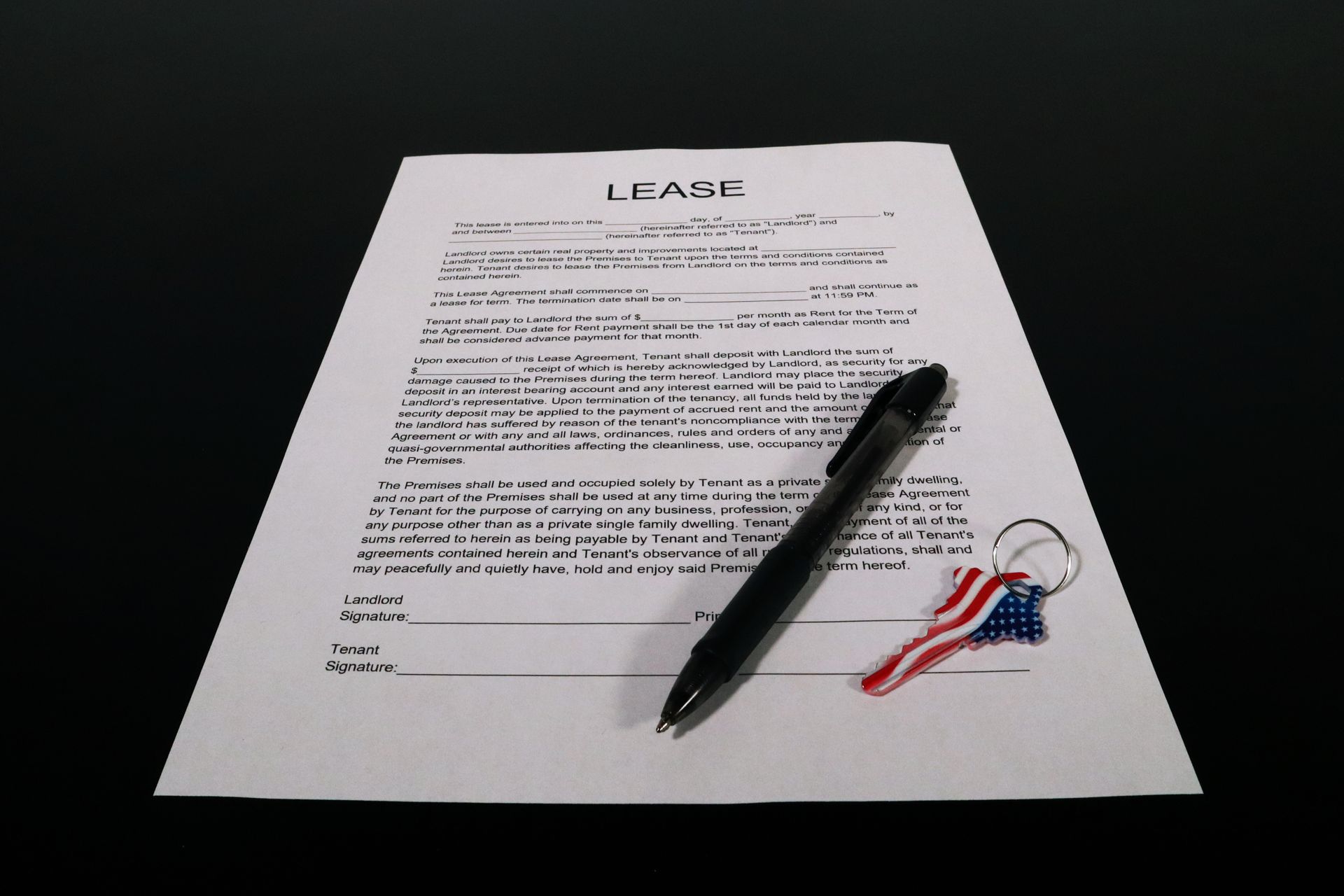
Here are the essential details to include in a contract:
By including these details, you'll ensure that both parties are on the same page and that the contract is enforceable.
Remember, a clear contract is not just a legal requirement, but also a way to build trust and credibility with your clients or partners. It shows that you're professional, reliable, and committed to delivering what you promise.
Keep Detailed Records
Keeping detailed records is crucial for any contract. This involves maintaining a robust version control system to track all changes.
Save every draft, including notes and comments from all parties involved. This preserves the negotiation process's context and helps resolve disputes.
Keep all correspondence related to the contract, including emails, letters, and meeting notes. This provides evidence of the parties' intentions and understandings.
Securely store signed versions of the contract, maintaining both physical and digital copies. Regular backups are essential for digital files.
Maintain an audit trail logging who made changes and when. This ensures accountability and compliance with legal standards.
Frequently Asked Questions
What are the 5 C's of contract law?
The 5 essential elements of a valid contract are: offer, acceptance, consideration, mutual intent, capacity, and legality. Understanding these elements can help you navigate contract law and protect your interests.
Can I write my own legally binding contract?
Yes, you can write your own contract, but it's essential to first document the agreed terms in simple language to create a solid foundation
Featured Images: pexels.com