
Exchange-rate flexibility plays a crucial role in the global economy. It allows countries to adjust their exchange rates in response to changes in economic conditions, which can help stabilize their economies.
Countries with flexible exchange rates can absorb economic shocks more easily. For example, if a country experiences a trade deficit, a flexible exchange rate can help reduce the value of its currency, making exports cheaper and imports more expensive.
A flexible exchange rate can also help to promote economic growth by attracting foreign investment. According to the International Monetary Fund, countries with flexible exchange rates tend to have higher foreign direct investment inflows.
In contrast, countries with fixed exchange rates may struggle to respond to economic changes, which can lead to economic instability.
What is Flexible Exchange Rate
A flexible exchange rate system is a type of exchange rate regime where the exchange rate is determined by the forces of demand and supply of different currencies in the foreign exchange market. This system is also known as the Floating Rate of Exchange or Free Exchange Rate.
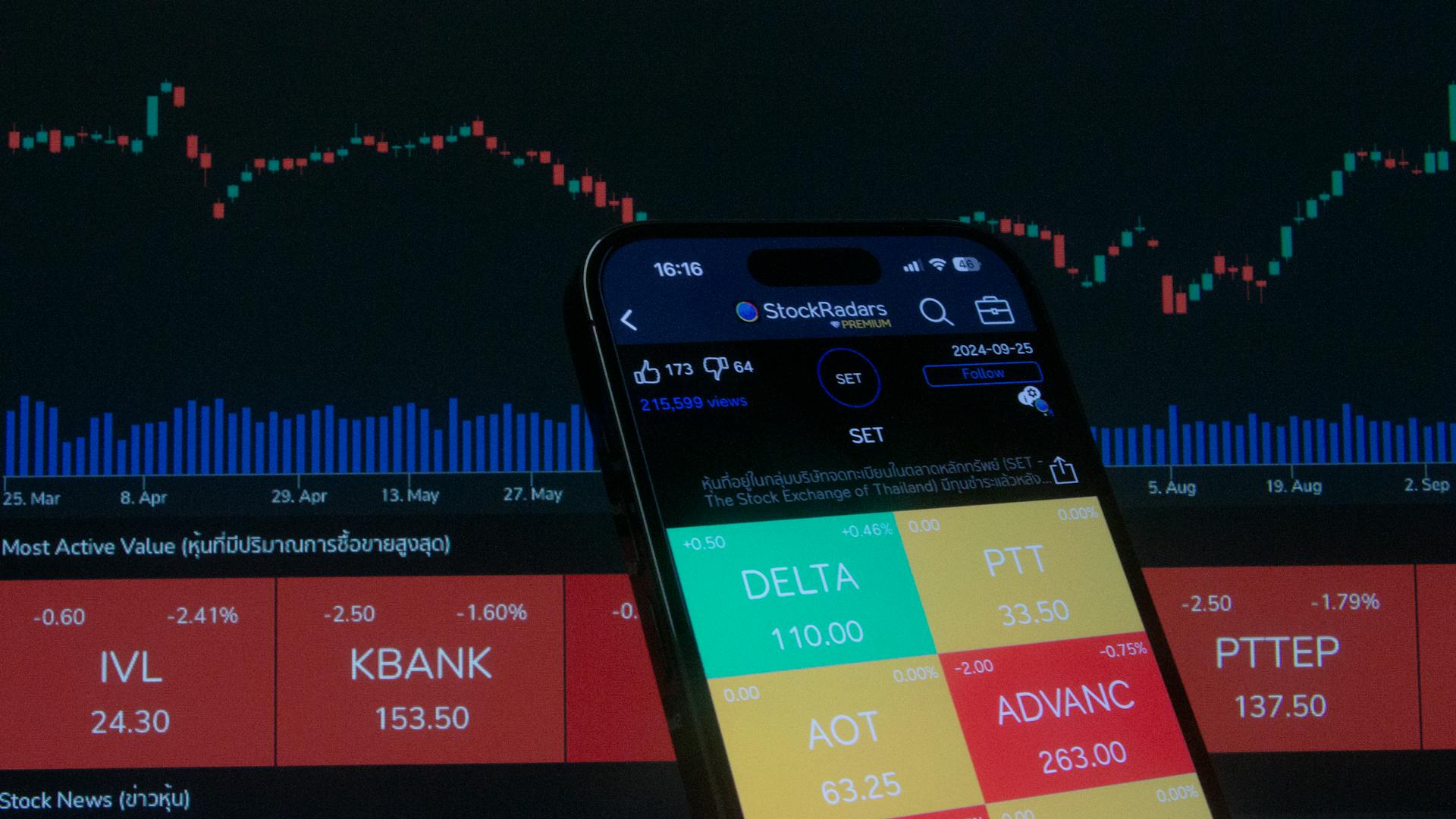
Under the flexible exchange rate system, there is no intervention by the government, allowing the market to set the exchange rate.
The exchange rate is determined through interactions of banks, firms, and other institutions that want to buy and sell foreign exchange in the foreign exchange market.
The rate at which the demand for foreign currency is equal to its supply is called the Par Rate of Exchange, Normal Rate, or Equilibrium Rate of Foreign Exchange.
A crawling peg is a variant of the flexible exchange rate system, where the currency's par value is gradually altered at a predetermined rate or as a function of inflation differentials.
Here are some key characteristics of the flexible exchange rate system:
- No government intervention
- Exchange rate determined by market forces
- Par rate of exchange is the equilibrium rate
Benefits and Contribution
Flexible exchange rates offer a range of benefits, particularly in terms of automatic adjustment in the balance of payments (BOP).
One of the major advantages is that the disequilibrium in BOP automatically gets corrected when there is a change in the exchange rate.
Under a flexible exchange rate system, the domestic economy is not affected by external shocks and pressures, minimizing the threat of import inflation from outside the country.
In a flexible exchange rate system, the government can maintain internal balance on its own, allowing it to focus more on solving internal problems like unemployment and inflation.
This system also eliminates the need for a minimum foreign exchange reserve, as the exchange rate is not pegged.
By imitating the base country's monetary policy, local policymakers can dampen exchange rate fluctuations and reduce vulnerabilities, making flexible exchange rates a valuable tool for policymakers.
Flexible Exchange Rate System
The Flexible Exchange Rate System is a system where the exchange rate is determined by the forces of demand and supply of different currencies in the foreign exchange market. This system is also called the Floating Rate of Exchange or Free Exchange Rate.
In a Flexible Exchange Rate system, there is no intervention by the government, allowing the rate to change with the change in the market forces. The exchange rate is determined through interactions of banks, firms, and other institutions that want to buy and sell foreign exchange in the foreign exchange market. The rate at which the demand for foreign currency is equal to its supply is called the Par Rate of Exchange, Normal Rate, or Equilibrium Rate of Foreign Exchange.
Consider reading: Bonds with Relatively Low Risk of Default Are Called
This system has several advantages, including automatic adjustment in the Balance of Payments (BOP) and the absorption of sudden shocks. With a flexible exchange rate, the domestic economy is not affected by external shocks and pressures, and there is a minimum threat of import inflation from outside the country.
Some of the key merits of the Flexible Exchange Rate System include:
- Automatic adjustment in BOP
- Absorption of sudden shocks
- No collusion between internal-external objectives
- Minimum buffer of foreign exchange reserves
Types
In the Flexible Exchange Rate System, there's no intervention by the government. This means that the exchange rate is determined entirely by the market forces of supply and demand.
The Flexible Exchange Rate System is called flexible because the exchange rate changes with the change in market forces. This is a key characteristic of this system.
The exchange rate is determined through interactions of banks, firms, and other institutions that want to buy and sell foreign exchange in the foreign exchange market.
There are different rates of exchange, but the rate at which the demand for foreign currency is equal to its supply is called the Par Rate of Exchange, Normal Rate, or Equilibrium Rate of Foreign Exchange.
If this caught your attention, see: How Foreign Exchange Rate Is Determined
Flexible Exchange Rate System
The Flexible Exchange Rate System is a great way to manage currency exchange rates. It's determined by the forces of demand and supply in the foreign exchange market.
Under this system, the government doesn't intervene, allowing market forces to dictate the exchange rate. This is also known as a Floating Rate of Exchange or Free Exchange Rate.
The exchange rate is determined through interactions of banks, firms, and other institutions that want to buy and sell foreign exchange in the foreign exchange market. This process can be complex, but ultimately, it's what sets the exchange rate.
The rate at which the demand for foreign currency is equal to its supply is called the Par Rate of Exchange, Normal Rate, or Equilibrium Rate of Foreign Exchange.
One of the main advantages of a Flexible Exchange Rate System is that it allows for automatic adjustment in the Balance of Payments (BOP). This means that if there's a deficit, the exchange rate will fall, making exports cheaper and imports more expensive, ultimately correcting the deficit.
On a similar theme: Armed Forces and Police Savings & Loan Association, Inc.
In a Flexible Exchange Rate System, there is no need for a minimum buffer of foreign exchange reserves, as the exchange rate is not pegged.
Some of the key benefits of a Flexible Exchange Rate System include:
- Automatic adjustment in BOP
- Absorption of sudden shocks
- No collusion between internal and external objectives
- Minimum buffer of foreign exchange reserves
By allowing market forces to dictate the exchange rate, a Flexible Exchange Rate System can be a powerful tool for managing currency exchange rates and promoting economic stability.
Findings and Weaknesses
The findings of this study reveal that flexible exchange rates and restrictions on capital flows can actually limit a country's ability to set its own monetary policy. This is because local policymakers may be less likely to exploit the monetary autonomy conferred by a flexible exchange rate.
In particular, a country with a flexible exchange rate will be more sensitive to the policy rate of its base country when it has negative foreign currency exposures. This is especially true when these exposures stem from portfolio debt and bank liabilities.
We also see that base country monetary policy can have a significant impact on local policy rates, particularly when the base country tightens its policy. This can make it more difficult for local policymakers to set their own policy rates.
The study's findings suggest that the benefits of flexible exchange rates may be limited by the financial channel of exchange rates. This means that local policymakers may need to be more cautious in their monetary policy decisions, taking into account the potential impact on their country's financial system.
For another approach, see: Base Erosion and Profit Shifting
Featured Images: pexels.com