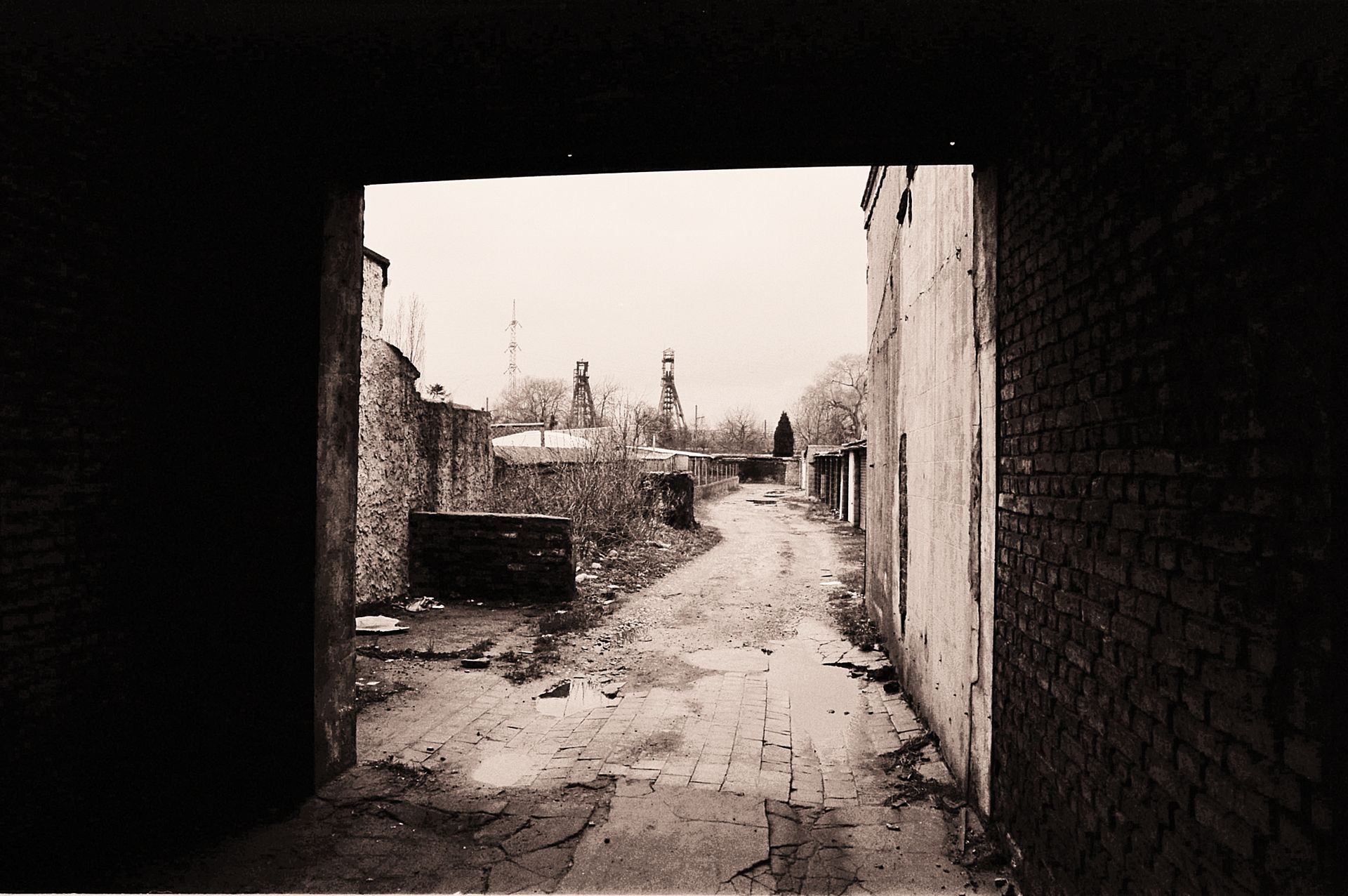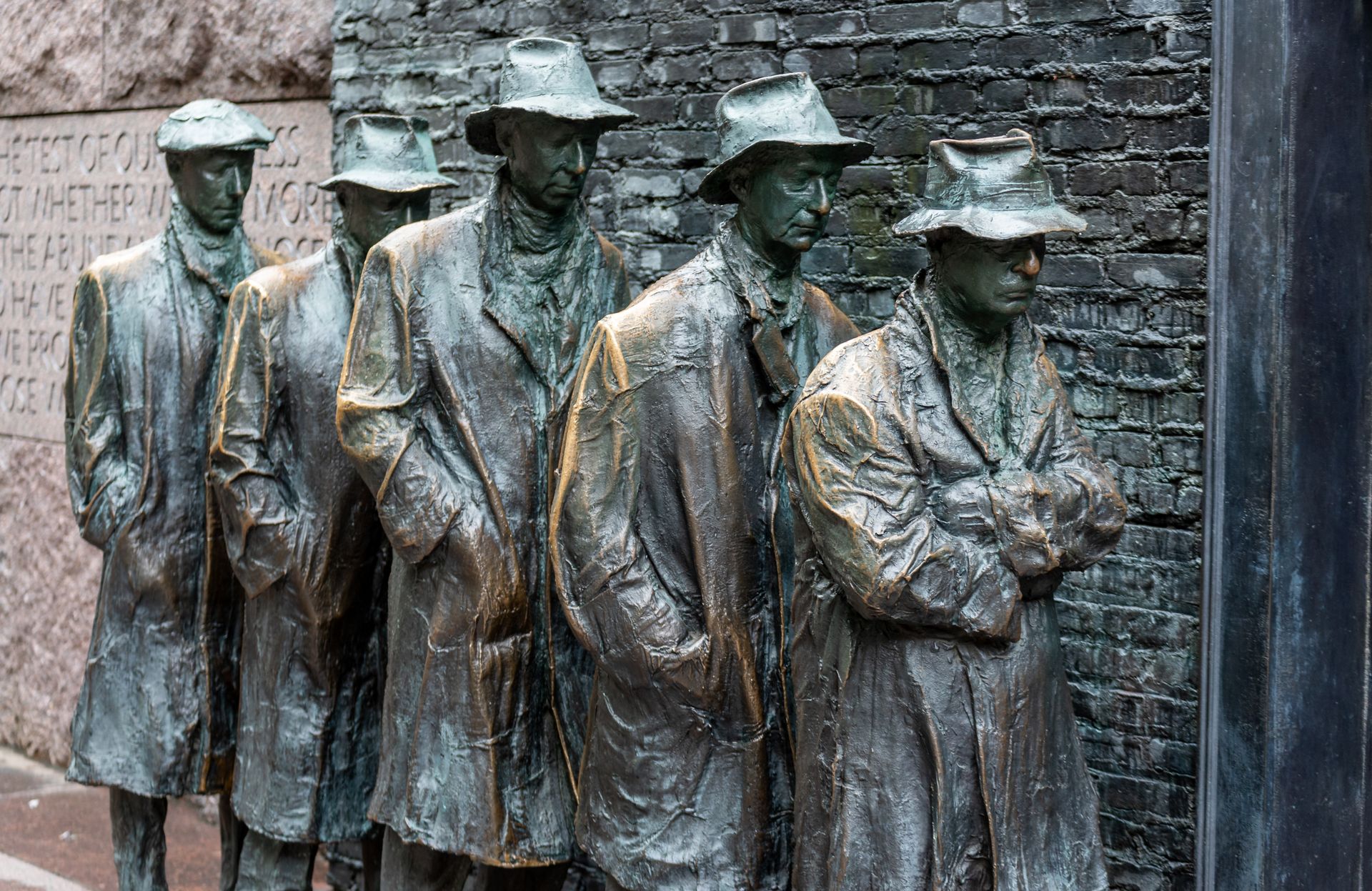
Economic downfall has been a recurring theme throughout history, with various factors contributing to its occurrence. The Great Depression, which lasted from 1929 to the late 1930s, was caused by a stock market crash and a subsequent global economic contraction.
One of the most significant consequences of economic downfall is widespread unemployment. During the Great Depression, unemployment rates soared, with some estimates suggesting that up to 25% of the US workforce was out of a job. This had a devastating impact on individuals and families, leading to poverty, homelessness, and even starvation.
The collapse of the Soviet Union in the early 1990s is another example of economic downfall. The country's economy was plagued by inefficiencies, corruption, and a lack of competition, which ultimately led to its demise. The consequences were severe, with the country experiencing a significant decline in living standards and a loss of international influence.
The effects of economic downfall can be long-lasting, with some countries taking decades to recover.
Broaden your view: American Economic Downfall
What is Economic Downfall?
An economic downfall is a period of national or regional economic breakdown where the economy is in distress for a long period, which can range from a few years to several decades.
Social chaos and social unrest are common characteristics of an economic downfall, making it difficult for governments to intervene and bring the economy back on track.
A country's economy can suffer a sudden and drastic decline in its output, income, and wealth, leading to devastating consequences for the population, such as poverty, unemployment, hunger, disease, violence, and migration.
An economic downfall can be triggered by a combination of factors, including hyperinflation, currency devaluation, banking failures, social unrest, civil war, or external shocks.
A recession can lead to an economic downfall if it is prolonged and severe enough, with a recession being a period of negative economic growth that lasts for at least two consecutive quarters.
In extreme cases, an economic downfall can last for many years, with the Great Depression in the US lasting for a decade and the unemployment rate reaching 25% and wages falling by 42%.
Broaden your view: China Economic Downfall
Causes of Economic Downfall
Economic downfall can be a complex and multifaceted phenomenon, but some common causes can be identified. Poor economic policies or mismanagement can lead to an economic collapse, as seen in the Great Depression, where the stock market crash of 1929 shattered confidence in the American economy.
A combination of internal and external factors can contribute to an economic downfall. Overdependence on a single sector or commodity can make an economy vulnerable to external shocks or events. The Great Depression was also marked by banking panics, which caused many banks to fail and decreased the pool of money available for loans.
Corruption or fraud can also lead to an economic collapse. External shocks or events, such as war or conflict, can have a devastating impact on an economy. Natural disasters or pandemics can also lead to economic downfall.
Some common signs of an economic depression include rising interest rates, which can limit the amount of money available for investors to invest. Rising inflation can also be a sign of an economic depression, as it can discourage people from spending and lead to a lowered demand for products and services.
Expand your knowledge: Cuban Banks Have No Money
Here are some common causes of economic downfall:
- Poor economic policies or mismanagement
- Corruption or fraud
- Overdependence on a single sector or commodity
- External shocks or events
- War or conflict
- Natural disasters or pandemics
These causes can interact and reinforce each other, creating a vicious cycle that can worsen the situation. For example, poor economic policies can lead to corruption, which can lead to overdependence, which can lead to external shocks, which can lead to war, which can lead to natural disasters, which can lead to more poor economic policies.
Take a look at this: Eugenics Lead
Historical Examples
The Great Depression was a global economic downturn that lasted from 1929 to the late 1930s. It was the longest and most severe economic downturn in modern history.
The timing and severity of the Great Depression varied across countries, with the US and Europe being particularly hard hit. In contrast, Japan and much of Latin America experienced a milder downturn.
Here's a brief overview of the causes of the Great Depression:
- The stock market crash of 1929 led to sharp reductions in spending and investment.
- Banking panics in the early 1930s caused many banks to fail, reducing the pool of money available for loans.
- The gold standard required foreign central banks to raise interest rates to counteract trade imbalances with the US, depressing spending and investment in those countries.
- The Smoot-Hawley Tariff Act imposed steep tariffs on many industrial and agricultural goods, inviting retaliatory measures that reduced output and global trade.
The economic impact of the Great Depression was enormous, with industrial production in the US falling by nearly 47 percent and unemployment reaching over 20 percent.
The Great Depression
The Great Depression was a pivotal event in modern history, with far-reaching consequences for the global economy. It began in the United States in 1929 and lasted for over a decade, making it the longest and most severe economic downturn in modern history.
The timing and severity of the Great Depression varied across countries, with the United States and Europe experiencing the worst of it. In contrast, Japan and much of Latin America were affected less severely.
Industrial production in the United States plummeted by nearly 47% between 1929 and 1933, while the country's GDP declined by 30%. Unemployment soared, reaching over 20% in some areas, and 20% of banks in existence in 1930 had failed by 1933.
The causes of the Great Depression were complex and multifaceted. The stock market crash of 1929 was a significant contributing factor, as it shattered confidence in the American economy and led to sharp reductions in spending and investment.
The following factors contributed to the severity of the Great Depression:
- Stock market crash of 1929
- Banking panics in the early 1930s
- Gold standard
- Smoot-Hawley Tariff Act (1930)
These factors interacted and reinforced each other, creating a vicious cycle that worsened the economic situation.
Global Economic Crises
Global economic crises can have devastating effects on economies worldwide. A sovereign debt crisis occurs during periods of slow economic growth, wars, political instability, drought, and when investors lose confidence in the government.
A sovereign debt crisis can affect the global economy and cause spill-over effects on other jurisdictions due to the large size of sovereign debts. A default by the government is likely to have far-reaching consequences.
The Great Depression in the United States is a stark example of the impact of economic crises. Industrial production fell by nearly 47 percent, and unemployment reached more than 20 percent between 1929 and 1933.
On a similar theme: Economic Blackout Effects so Far
Sovereign Debt Crisis
A sovereign debt crisis is a serious economic issue that can have far-reaching consequences. It occurs when a government takes on too much debt to finance large-scale projects, such as infrastructure development.
This can happen during periods of slow economic growth, wars, or political instability. A sovereign debt crisis can also be triggered by drought or a loss of investor confidence in the government.
Related reading: Define Debt in Economics
The large size of sovereign debts makes defaulting on debt obligations a significant risk. A government default can have a ripple effect on the global economy, causing economic instability in other countries.
Investor confidence is key to avoiding a sovereign debt crisis. When foreign investors lose confidence in a government's ability to meet its debt obligations, they withdraw their investments, leading to a local currency crisis.
A local currency crisis occurs when the currency depreciates in value due to a loss of investor confidence. This can happen when foreign investors sell their investments in a country, leading to a surge in the selling of the country's currency in the international market.
The consequences of a sovereign debt crisis can be severe. A country's purchasing power decreases as its currency devalues, making it harder to pay off international debts.
Global Currency Crisis
A global currency crisis can be triggered by the loss of value of a major currency used in cross-border trade transactions. The US dollar is a prime example, as it's used as the world reserve currency in the Bretton Woods institutions.
If the US dollar depreciates in value, it may lead to a global economic crisis. This could have far-reaching consequences for individuals, corporations, and governments involved in international trade.
The value of a currency is determined by supply and demand in the foreign exchange market. If there's a sudden surge in demand for a currency, its value can skyrocket, causing a currency crisis.
A global currency crisis can have devastating effects on the economy, including widespread job losses, business closures, and a decline in living standards.
Worth a look: What Is Salvage Value in Economics
Recessions and Bear Markets
Recessions are a normal part of economic cycles, and they can often coincide with bear markets. A bear market is a sustained drop of 20% or more from a market peak, and 14 out of 25 bear markets since 1928 have overlapped with recessions.
The average recession has lasted 17 months, with the six recessions since 1980 lasting less than 10 months on average. This can be a challenging time for businesses and individuals alike.
Suggestion: Is the Stock Market Economics or Finance
Some sectors, such as consumer staples, health care, and utilities, tend to fare better during recessions, as their demand is less affected by economic fluctuations.
Do Recessions Always Lead to Bear Markets?
Recessions and Bear Markets often go hand-in-hand. A bear market is commonly defined as a sustained drop of 20% or more from a market peak.
Out of 25 bear markets since 1928, 14 have overlapped with recessions. This suggests a strong connection between the two economic phenomena.
Recessions can indeed lead to bear markets, but not always. The stock market crash is often a reflection of investors' declining confidence in the economy.
A stock market crash occurs when there is a loss of investor confidence, and stock prices plummet. This creates a bear market and drains capital out of businesses.
In some cases, a recession can trigger a bear market, but the market can also crash without a recession occurring.
For your interest: Dogecoin Leads Crypto Market Losses amid Economic Data and Liquidations
What's a Recession?

A recession is a complex economic phenomenon, but essentially it's a period of decline in economic activity. Recessions are sometimes defined as two consecutive quarters of decline in real gross domestic product (GDP), which measures the combined value of all the goods and services produced in an economy.
The National Bureau of Economic Research (NBER) dates recessions based on indicators including GDP, payroll employment, personal income and spending, industrial production, and retail sales. This organization is the official arbiter of recessions in the United States, and its definition helps us understand the broader economic context.
Some common measurements of recession severity include GDP decline, peak unemployment rate, and duration. These factors help us understand the impact of a recession on the economy and its citizens. A recession can have a ripple effect on businesses and individuals, making it essential to understand its causes and effects.
Here are some key statistics on U.S. recessions since the Great Depression:
Understanding the concept of a recession is crucial in navigating economic downturns. By knowing the definition, causes, and effects of a recession, we can better prepare ourselves for the challenges that come with it.
Expand your knowledge: Warren Buffet Recession
Warning Signs and Indicators
Economic trouble signs are often subtle, but they can be alarming if you know what to look for. A high inflation rate is one such indicator, with the US experiencing a 7% rate in December 2023, the highest since 1982. The national debt is another concern, surpassing $30 trillion in 2023, or about 130% of GDP.
The effects of the COVID-19 pandemic have been far-reaching, causing millions of deaths and disrupting many sectors of the economy. Environmental crises, such as wildfires, floods, droughts, and hurricanes, have damaged infrastructure and reduced productivity. The ongoing manufacturing slowdown is also a sign of trouble, with factory output and purchasing manager indices (PMI) signaling contraction.
Declining consumer confidence is a warning sign that many Americans are feeling uncertain about their financial future and the economy. Weak retail sales growth, with July 2024 retail sales increasing by only 2.6% from last year, is another indicator of sluggish consumer spending post-pandemic. Rising interest rates, as the Federal Reserve has increased the benchmark rate to 5.5%, are leading to higher borrowing costs.
Here's an interesting read: Economic Crime and Corporate Transparency Act 2023
Some specific indicators of economic trouble include:
- High inflation rate (e.g., 7% in December 2023)
- Rising national debt (e.g., $30 trillion in 2023, or about 130% of GDP)
- Manufacturing slowdown
- Declining consumer confidence
- Weak retail sales growth
- Rising interest rates
- Increasing bankruptcies
These indicators collectively paint a troubling picture of the current economic environment in the US, raising concerns about future stability and growth.
Prevention and Prevention Strategies
To prevent another economic downfall, economists suggest implementing policies that stimulate economic growth. One such policy is increasing government spending to boost aggregate demand.
A key strategy is to reduce debt and improve government finances. Economists recommend reducing government deficits and implementing fiscal discipline. This can be achieved by increasing taxes or reducing government spending.
Monetary policies, such as lowering interest rates, can also help prevent an economic downturn. Central banks can use quantitative easing to inject liquidity into the economy and stimulate borrowing.
Preventing Another
Economists suggest policies to prevent another economic depression, which is a constant fear that still lingers today.
Implementing fiscal policies that stimulate economic growth can be an effective way to prevent a depression.
A fresh viewpoint: Bank Runs during the Great Depression
Monetary policies, such as setting interest rates, can also help control inflation and prevent a recession.
The government can also implement policies to boost consumer spending and investment, such as tax cuts or subsidies.
Economists recommend that governments maintain a stable financial system, with sufficient regulations to prevent excessive borrowing and spending.
Strengthening social safety nets, such as unemployment insurance and welfare programs, can also help mitigate the effects of an economic downturn.
Key Takeaways
Recessions are a normal part of the economic cycle, but they can be unpredictable and have a significant impact on individuals and businesses.
A recession is defined as an economic downturn that lasts for more than a few months. This can be a challenging time for many people, but it's essential to remember that recessions are a normal part of the economic cycle.
In recent decades, recessions in the United States have become shorter and less frequent. This is a positive trend, as it suggests that the economy is becoming more resilient.
The COVID-19 recession was the shortest on record, lasting only a few months. In contrast, the Great Recession of 2007-2009 was the deepest since the downturn in 1937-1938.
Here are some key statistics to keep in mind:
- A recession lasts for more than a few months.
- Recessions in the United States have become shorter and less frequent in recent decades.
- The COVID-19 recession was the shortest on record.
- The Great Recession of 2007-2009 was the deepest since the downturn in 1937-1938.
Specific Events and Scenarios
An economic collapse can be triggered by a single event or a combination of factors. The Gulf War Recession in 1990-1991 is a prime example of how a global event can lead to economic downturn.
The recession lasted for eight months, with a GDP decline of 1.5% and a peak unemployment rate of 6.8%. This relatively mild recession was caused by the oil price shock resulting from Iraq's invasion of Kuwait.
The Oil Embargo Recession in 1973-1975 was even more severe, lasting 16 months with a GDP decline of 3% and a peak unemployment rate of 8.6%. This recession was triggered by the Arab Oil Embargo, which quadrupled crude prices and tipped the balance for an economy struggling with high inflation and trade deficits.
Here are some key statistics from notable economic downturns:
These examples illustrate the potential severity and duration of economic downturns, highlighting the importance of understanding the underlying causes and taking proactive measures to mitigate their effects.
Scenarios of Collapse
A total economic collapse is a severe and prolonged downturn in economic activity, accompanied by high unemployment, falling prices, and widespread poverty. This is much more severe and lasting than a recession, which is a normal part of the business cycle that generally occurs when GDP contracts for at least two quarters.
A total economic collapse can be triggered by various factors, including high inflation, a stock market crash, or a global pandemic. These events can lead to a loss of confidence in the economy, causing people to stop spending and investing, which in turn can lead to a decline in economic activity.
High unemployment is a hallmark of a total economic collapse, with unemployment rates often soaring above 20%. This can lead to widespread poverty, as people struggle to make ends meet and access basic necessities like food and shelter.
A total economic collapse can also be characterized by falling prices, as businesses struggle to stay afloat and reduce their prices to attract customers. This can lead to a vicious cycle of deflation, where prices keep falling and businesses struggle to make a profit.
In a total economic collapse, economic activity can come to a grinding halt, with businesses shutting down and people losing their jobs. This can have a devastating impact on individuals, families, and communities, leading to widespread suffering and hardship.
A unique perspective: Japanese Yen Collapse
December 2007–June 2009
The Great Recession was a significant event in recent economic history, lasting from December 2007 to June 2009. This period saw a decline in GDP of 4.3% and a peak unemployment rate of 9.5%.
The recession was triggered by a nationwide downturn in U.S. housing prices, which led to a global financial crisis and a bear market in stocks. The S&P 500 plummeted 57% at its lows, making it one of the most severe economic downturns since the 1937-38 recession.
The global investment flows into the U.S. had kept market rates low, likely encouraging unscrupulous mortgage underwriting and mortgage-backed securities marketing practices. This contributed to the severity of the crisis.
Oil prices spiked to record highs by mid-2008 and then crashed, depressing the U.S. oil industry. This led to deflation and strained the U.S. economy.
Here's a comparison of the Great Recession with two other significant economic downturns in U.S. history:
Post Korean War: July 1953–May 1954

The Post-Korean War Recession was a significant economic downturn that lasted from July 1953 to May 1954.
This recession was quite short, lasting only 10 months.
The economy declined by 2.7% during this period, which is a notable drop.
The peak unemployment rate reached 5.9% during this time, affecting many workers.
The recession was caused by the government's reduced spending, which was a result of the wind-down of the Korean War. This led to a significant decline in the federal budget deficit, from 1.7% of GDP in fiscal 1953 to 0.3% a year later.
The Federal Reserve also tightened monetary policy in 1953, which had a negative impact on the economy.
You might enjoy: Economic Impact of the Gaza War
Oil Embargo 1973-1975
The Oil Embargo 1973-1975 was a period of significant economic downturn. This recession lasted for 16 months.
The effects of the embargo were severe, with the GDP declining by 3%. Unemployment rates soared, peaking at 8.6%.
The causes of this recession were multifaceted. The Arab Oil Embargo quadrupled crude prices, which was the final straw for an economy already struggling with a devalued dollar and high trade and budget deficits.
The collapse of the Bretton Woods Agreement also played a role, leading to a rise in inflation from 2.4% to 7.4% in just a year. The Fed responded by doubling the federal funds rate to 10% between late 1972 and mid-1973.
Here's a brief timeline of the key events:
The Fed's efforts to combat inflation ultimately led to a reduction in the federal funds rate to 5.25% in under a year. However, this did not immediately alleviate the economic woes, and unemployment and inflation remained elevated even after the recession ended.
On a similar theme: Us Economic Growth Inflation Q4 2024
Historical Events and Periods
The Great Depression was a pivotal event in economic history. It lasted for over a decade, with the worst effects felt in the United States and Europe.
The gold standard played a significant role in transmitting the American economic downturn to other countries. This network of fixed currency exchange rates made it difficult for countries to implement their own economic policies.
The recovery from the Great Depression was largely spurred by the abandonment of the gold standard and subsequent monetary expansion.
Rolling Adjustment (1960–1961)

The Rolling Adjustment (1960–1961) recession was a relatively mild downturn that lasted for 10 months. This period was marked by a decline in GDP of 1.6%.
Higher interest rates played a significant role in triggering this recession, with the federal funds rate increasing from 1.75% in mid-1958 to 4% by the end of 1959. This tightening of monetary policy had a ripple effect on the economy.
The recession was preceded by a shift in consumer demand, with people opting for cheaper imports over domestic autos. This change led to a decline in demand for domestic autos, which in turn affected various industrial sectors.
The peak unemployment rate during this period reached 6.9%.
Guns vs Butter
The "Guns vs Butter" scenario is a fascinating example of how economic decisions can have far-reaching consequences. This phenomenon occurred in the late 1960s, particularly during the 11-month period from December 1969 to November 1970.
The Guns and Butter Recession was characterized by a brief but significant economic downturn. GDP declined by a mere 0.6%, but the peak unemployment rate reached 5.9%.
The main reasons for this recession were the increased military spending and domestic policy initiatives. Military spending rose due to the growing U.S. involvement in the Vietnam War, while domestic policy initiatives contributed to a rising federal budget deficit.
The federal budget deficit rose from 1.1% of GDP in 1967 to 2.9% in 1968, and inflation increased from 3.1% in 1967 to 5.3% by 1970. To combat inflation, the Federal Reserve raised the federal funds rate from 5% in March 1968 to over 9% by August 1969.
This drastic increase in the federal funds rate had a significant impact on the economy. By early 1971, the Fed had lowered the federal funds rate back below 4%, which aided in the recovery.
Additional reading: Federal Reserve Bank Supervision Economics
The Gulf War (1990–1991)
The Gulf War (1990–1991) was a significant event in recent history. It lasted for eight months, from July 1990 to March 1991.
The recession that followed, known as the Gulf War Recession, was relatively mild, with a GDP decline of only 1.5%. The peak unemployment rate reached 6.8%.
This recession was caused in part by the oil price shock resulting from the war, as well as the Federal Reserve's efforts to contain inflation by raising the federal funds rate from 6.5% in February 1988 to 9.75% in May 1989.
The Fed's actions had already led to a rise in inflation, from 2.2% in 1986 to 3.9% for 1990.
Featured Images: pexels.com