Corticeira Amorim is a company that has been making high-quality cork products for over 100 years. The company was founded in 1870 by João Amorim.
Corticeira Amorim is a leader in cork manufacturing, with a global presence and a wide range of products. Their products include floor coverings, wall coverings, and other decorative items.
The company's focus on innovation and quality has allowed it to stay ahead of the competition. Corticeira Amorim has developed new products and technologies that make cork more versatile and durable.
Sustainability & Circular Economy
Corticeira Amorim has made sustainability a core focus, managing 8,181 hectares of cork oak forests and planting over 387,675 cork oak trees in 2023 to promote biodiversity and sustainable forest management.
The company utilizes 76.7% renewable energy and has avoided 72,578 tCO2eq emissions through various initiatives. Significant investments in photovoltaic projects aim to meet 20% of the company's electricity needs by 2024.
Corticeira Amorim's commitment to a circular economy is evident, with 92% of the materials used being sustainable, and 88.7% being renewable. The company employs 4,958 workers globally, 70% of whom are based in Portugal.
For more insights, see: Enad Global 7
Corticeira Amorim's dedication to community engagement is notable, investing in community development through educational initiatives and employment programs. The company plans to plant an additional 250,000 cork oaks in 2024.
The company has invested in the Herdade de Rio Frio estate to develop a new silviculture model for cork oaks, enhancing forest management practices and sustainability. Corticeira Amorim aims to reduce waste through zero-waste initiatives, ensuring the full utilization of cork material.
The company runs recycling programs to repurpose used cork stoppers and other cork products, further reducing waste. Corticeira Amorim has joined 24 organizations in the Floresta 2030 Commitment to protect Portuguese forests.
The company has launched an ESG credit line in partnership with Caixa Geral de Depósitos, promoting sustainable practices among cork suppliers. Corticeira Amorim continuously develops eco-friendly products, including cork-based insulation materials.
Here are some key statistics on Corticeira Amorim's sustainability efforts:
- 92% of materials used are sustainable
- 88.7% of materials used are renewable
- 76.7% of energy used is renewable
- 72,578 tCO2eq emissions avoided through various initiatives
- 387,675 cork oak trees planted in 2023
- 250,000 additional cork oaks to be planted in 2024
Industry and Market
Corticeira Amorim is a leading player in the cork industry, with a rich history and a strong presence in the market. The company is based in Portugal, which leads 34% of the world's forest area and 50% of cork production.
The cork industry is highly concentrated in the Iberian Peninsula, with Portugal and Spain being the main producers. Corticeira Amorim buys only 40% of its cork from the secondary market, allowing the company to secure better prices and higher-quality raw materials.
Corticeira Amorim employs 30,000 people and produces about 13 billion wine stoppers annually, accounting for 72% of all cork revenue. This is a significant contribution to the global cork market, which is valued at around 200 tons of cork produced annually.
The demand for cork is growing steadily, with a 7% annual increase in the US market alone. This growth is driven by consumers' preference for cork-finished wines, which command higher prices and exhibit greater sales growth than those with alternative closures.
Here are some key statistics on the global cork market:
Corticeira Amorim's strategy of buying only 40% of its cork from the secondary market has allowed the company to maintain a competitive edge in the market. This approach has also enabled the company to secure better prices and higher-quality raw materials.
Financial and Valuation

Corticeira Amorim's financial performance is heavily influenced by raw material prices, which can directly impact its gross margin. This is a key factor to consider when evaluating the company's financial health.
The company's operational leverage is also a significant factor, as efficiency in managing fixed costs can have a substantial impact on its operational performance.
Corticeira Amorim's valuation can be estimated using a Free Cash Flow (FCF) analysis, which yields a €1.90 billion valuation, representing a potential 50% upside from its current market cap of €1.26 billion.
Alternatively, applying a standard FCF multiple of 8-12x, which varies based on the company's growth prospects, a 10x multiple yields a valuation of approximately €1.23 billion, indicating that the company is currently fairly valued.
For another approach, see: Golden 1 Credit Union
Valuation
Valuation is a critical aspect of understanding Corticeira Amorim's financial health. Corticeira Amorim experiences margin impacts primarily from two sources: Raw Material Prices (Price Takers) and Operational Leverage (Price Makers).
Fluctuations in cork prices directly affect the gross margin, as seen in the increase in cork prices from 2018 to 2019. This had a direct impact on the gross margin.
A unique perspective: Creditaccess Grameen Nse Stock Price
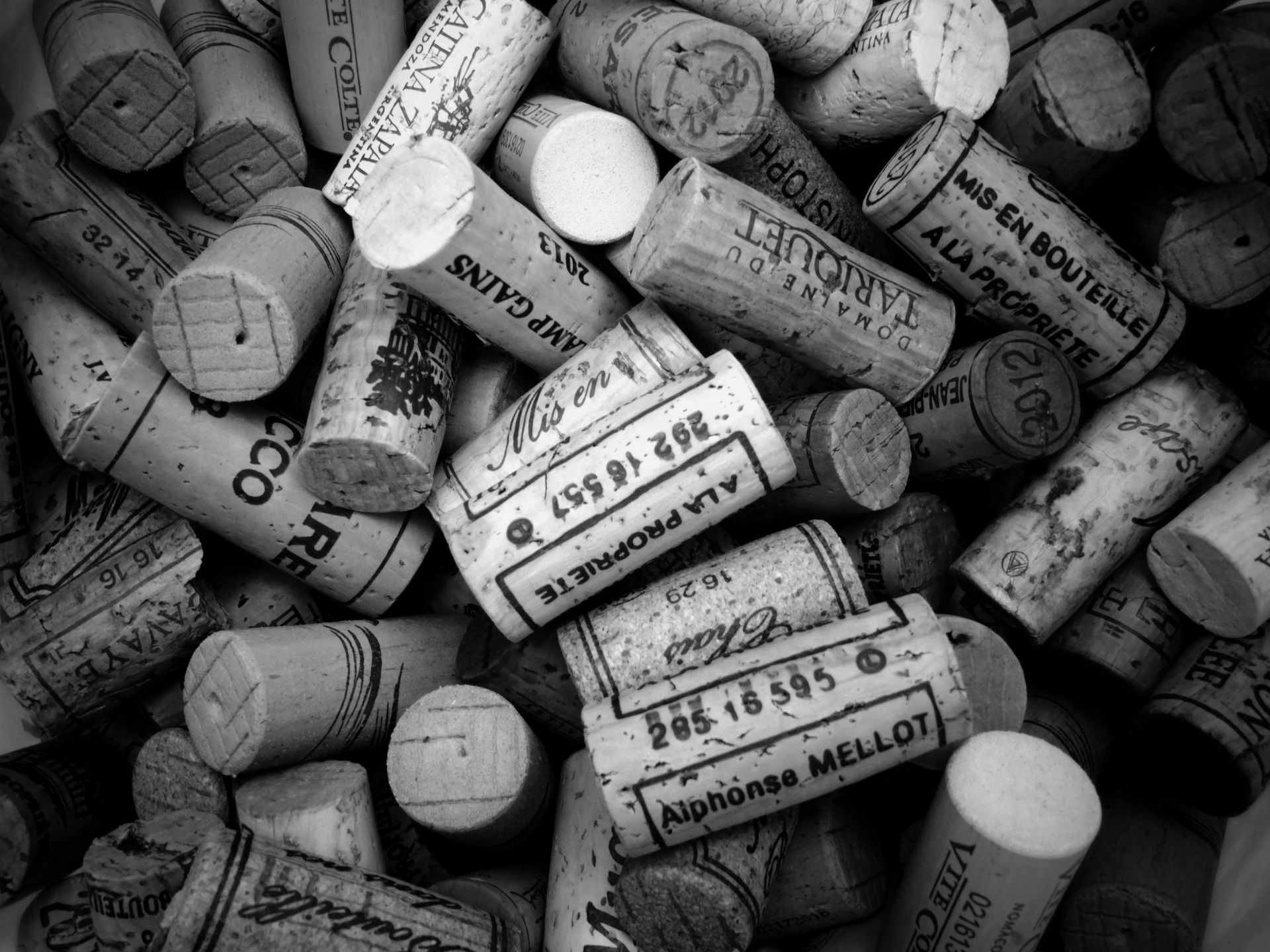
Efficiency in managing fixed costs impacts operational leverage, which is crucial for Corticeira Amorim's growth capacity. The company must balance negotiation power with long-term sustainability to maintain a healthy supply chain.
Here's a breakdown of the two sources of margin impact:
A DCF Valuation analysis arrives at a €1.90 billion valuation for Corticeira Amorim, representing a potential 50% upside from its current market cap of €1.26 billion.
For your interest: SpareBank 1 Nord-Norge
Analysts' Consensus
Analysts' Consensus plays a significant role in determining a company's stock price. Analysts' consensus is a weighted average of earnings estimates provided by multiple analysts.
The consensus estimate is a strong indicator of a company's future performance. A high consensus estimate can boost a company's stock price.
Analysts consider various factors when making their estimates, including the company's historical performance, industry trends, and economic conditions. These factors help analysts arrive at a more accurate estimate.
A high consensus estimate can also indicate a company's growth potential. This can attract more investors and boost the stock price even further.
However, a low consensus estimate can be a red flag for investors. It may indicate that a company is struggling or facing challenges that could impact its future performance.
For more insights, see: Holley Performance Products
Operations and Management
Corticeira Amorim has made significant strides in operational efficiencies, reducing personnel and external service costs as a percentage of sales by 100 basis points between 2013 and 2018. This has been achieved through innovations like automatic drilling technology for natural cork stoppers.
The company's productivity has improved, with the number of cork stoppers produced per employee rising from 1.096 million in 2013 to 1.215 million in 2021, an 11% improvement. This increase in efficiency has helped the company maintain excellent working capital management, averaging around 3.5% investment in working capital over sales.
Corticeira Amorim's scale provides significant advantages, including lower production costs per unit due to large-scale operations. With more financial resources, the company can invest heavily in research and development, leading to innovations such as TCA-free corks.
A fresh viewpoint: Companies Act 2013
Business Description
Amorim is a leading player in the cork industry, with a 27% market share and a strong presence in the beverage cork stoppers segment, where it holds a 40% share.
The company has a highly fragmented client base, with the largest clients representing only 1% of its sales.
Amorim's business is built around its high-quality cork products, which are in high demand due to the trend towards "premium” and ESG criteria.
Cork benefits primarily from the growth of premium wine, bourbon, and gin, as well as artisanal spirits that increasingly use cork.
The company's scale provides operational leverage, allowing for significant investments in research and development (R&D) and quality assurance processes.
Here are some key statistics on Amorim's financial performance:
- Steady sales growth: Despite economic downturns and the COVID-19 pandemic, the company achieved significant sales increases, particularly in the last decade
- Improved EBITDA: Consistent growth in EBITDA demonstrates enhanced profitability and operational efficiency
- Stable and increasing EBITDA margins: The margin improvements indicate effective cost control and robust financial health
Amorim's focus on R&D has led to innovations such as TCA-free corks, which are in high demand due to their quality and reliability.
The company's commitment to R&D also ensures that it remains at the forefront of technological advancements in the cork industry.
Distribution Network
Corticeira Amorim's distribution network is a key factor in its success. It has a robust distribution network that allows the company to stay close to its customers.
Worth a look: PBS Distribution

With 80% of sales conducted through its own teams, Amorim is able to maintain direct relationships with its customers. This is a significant advantage over competitors.
Amorim's extensive network is present in key markets such as Spain, France, Italy, the USA, South Africa, Australia, and New Zealand. This global presence enables Amorim to detect and respond quickly to changing market trends.
Here are some key benefits of Amorim's distribution network:
- Global Presence: Ensures proximity to key markets and customers, enhancing customer service and satisfaction
- Trend Detection: The ability to quickly detect and adapt to changing market trends gives Amorim a strategic advantage in maintaining market relevance
- Reduced Dependency on Intermediaries: Direct sales reduce dependency on intermediaries, allowing for better control over sales processes and customer relationships
Production and Procurement
Corticeira Amorim's production and procurement strategies are highly efficient and effective. The company sources its cork from leading global producers, with Portugal and Spain accounting for over 80% of the world's supply.
The company purchases cork and cork products worth 292 million euros annually, with 95% sourced locally from Portugal and Spain. This is a significant advantage, allowing Amorim to secure better prices and higher-quality raw materials.
Most of the cork is bought from private family-owned cork oak plantations in Europe, particularly in Spain and Portugal, with around 1,000 active contracts. This ensures a stable and reliable supply chain.
If this caught your attention, see: FedEx Supply Chain
Corticeira Amorim's vertically integrated business model is a significant competitive advantage, allowing the company to source all its cork directly from forest producers. This model ensures higher quality and lower costs for raw materials.
The company's scale is also a significant factor in its production and procurement strategies. As the largest producer in the cork industry, Amorim benefits from economies of scale that smaller competitors cannot match.
Here is a breakdown of the company's procurement strategy:
Corticeira Amorim's commitment to vertical integration and scale has allowed it to establish a strong and reliable supply chain. This has enabled the company to focus on innovation and growth, rather than worrying about the availability of raw materials.
History and Tradition
Corticeira Amorim has a rich history that spans over 150 years, making it the oldest cork company in the world in continuous operation.
The company was founded in 1870 by the Amorim family, who recognized the vast potential of cork, a 100% natural raw material.
From its inception, the family business emphasized the versatility and sustainability of cork, establishing its foundational philosophy of not just one market, not just one customer, not just one currency, not just one product.
This philosophy has guided the company's expansion and diversification over the years, driven by a commitment to sustainability and innovation.
The Amorim family's entrepreneurial spirit and vision have been instrumental in the company's success, with each generation building on the previous one's achievements.
Today, Corticeira Amorim is led by the fourth generation of the Amorim family, who continue to uphold the values of pride, ambition, initiative, and sobriety.
The company's global footprint extends to over 100 countries, and its diverse product portfolio serves industries ranging from aerospace to wine and spirits.
Corticeira Amorim's commitment to sustainability is evident in its operations, which are guided by principles that promote the circular economy, minimize waste, and support good forest management practices.
The company's ongoing commitment to innovation is reflected in the development of groundbreaking new products and technologies, such as NDtech, Naturity, and Xpür, which have improved the quality of cork stoppers and reached unimaginable standards in terms of quality control and anti-TCA technologies.
Recommended read: One Swiss Bank
Acquisitions and Partnerships
Corticeira Amorim employs a highly selective M&A approach, targeting recent acquisitions at multiples of 5-6x EBITDA, making them accretive to earnings.
The company's recent strategic acquisitions include a 50% stake in the SACI Group for €48.7 million and a 55% stake in VMD Group SA for €12.1 million. These moves support Amorim's strategy of leveraging growth opportunities while maintaining a focus on sustainability.
Buying companies that are doing well is a preferred approach for Amorim, as it allows for a more organic and sustainable growth model. This is in contrast to buying bankrupt companies, which increases capacity quickly but also comes with risks.
Recommended read: Titan Growth Company
Strategic Acquisitions
Corticeira Amorim employs a highly selective M&A approach, targeting recent acquisitions at multiples of 5-6x EBITDA, making them accretive to earnings.
The company has made strategic acquisitions, including a 50% stake in the SACI Group for €48.7 million and a 55% stake in VMD Group SA for €12.1 million.
On a similar theme: Ubs Mergers and Acquisitions
These moves support Amorim's strategy of leveraging growth opportunities while maintaining a focus on sustainability, as seen in the acquisition of SACI.
SACI consists of 17 companies operating in diversified sectors, with its main activity being the production and commercialization of wire wood.
The company has about 340 employees and is present in more than 30 countries, with a significant presence in Italy.
In the 2020 fiscal year, SACI had 70 million euros in sales and an EBITDA of 10.5 million euros (15% margin), making it a valuable addition to Amorim's portfolio.
Amorim prefers to buy companies that are doing well, rather than those that are struggling, which allows for a more stable and sustainable growth strategy.
The company's focus on sustainability is reflected in the acquisition of SACI, which maintains its identity and autonomy to safeguard its brands and continue to operate independently.
Recommended read: Global Strategy Group
Group Companies: SGPS, S.A
The group companies of Corticeira Amorim, SGPS, S.A. are a diverse bunch, with each one specializing in a different area of the cork industry. Amorim Champcork SA is a leading producer of cork stoppers, with a global presence.
One of the most interesting things about Amorim & Irmaos SA is that every cork stopper they produce has a story behind it. They're the largest producer and supplier of cork stoppers worldwide, and are based in Santa Maria de Lamas, Portugal.
Amorim Cork Composites SA, on the other hand, produces cork solutions for various industries, including aerospace, automotive, and construction. Their products are used in a wide range of applications, from flooring to furniture.
Here's a quick rundown of the group companies:
Amorim Top Series SA, another member of the group, is based in Argoncilhe, Portugal and also manufactures cork stoppers.
Leadership and Governance
At the helm of Corticeira Amorim is a seasoned leadership team, with António Rios de Amorim serving as the CEO since 1995.
The Executive Committee consists of five members, each with a crucial role in the company's operations. The team includes António Rios de Amorim, CEO, Cristina Rios de Amorim Baptista, Director of Finance/CFO, Fernando José de Araújo dos Santos Almeida, Chief Tech/Sci/R&D Officer, Ana Negrais Matos, Investor Relations Contact, and Pedro Jorge Ferreira de Magalhães, General Counsel.
Curious to learn more? Check out: What Does Nio Inc Company Do
The company's Board of Directors is comprised of 10 members, each bringing their expertise to the table. The Board includes António Rios de Amorim as the Chairman, a position he has held since 2001.
Here's a breakdown of the Board of Directors:
Geographical and Sales
Corticeira Amorim's sales have been steadily increasing over the years, with some segments performing better than others.
The company's sales by activity show a significant growth in Amorim Cork sales, increasing from 527 million in 2020 to 732 million in 2024.
Corticeira Amorim's geographical breakdown of sales reveals that the European Union (excluding Portugal) is a major market, accounting for 579 million in sales in 2024.
Here's a breakdown of Corticeira Amorim's sales by region in 2024:
Geographical Sales Breakdown
The geographical sales breakdown of Corticeira Amorim, SGPS, S.A. reveals some interesting trends. The company's sales have been steadily increasing in the European Union (Excluding Portugal), from 433M in 2020 to 579M in 2024.
You might enjoy: Sales Consultant Companies
A notable exception is Other European Countries, where sales have been declining from 28.78M in 2021 to 19.6M in 2023, but then increased to 29.13M in 2024.
The United States has been a stable market for Corticeira Amorim, with sales ranging from 138M to 162M over the past four years.
The company's sales in Portugal have also been relatively stable, ranging from 44.75M to 66.84M between 2020 and 2023, but then decreased to 58.79M in 2024.
Here's a breakdown of Corticeira Amorim's sales by region:
Sales by Activity
Sales by Activity is a crucial aspect of Corticeira Amorim's business, and it's interesting to see how their sales have fluctuated over the years.
The company's sales by activity have shown a steady increase in some sectors, while others have experienced a decline.
Amorim Cork sales have been steadily increasing, reaching 759 million euros in 2023, before dipping slightly to 732 million euros in 2024.
Amorim Florestal sales have also shown a steady increase, reaching 234 million euros in 2023.
Amorim Cork Composites sales have been relatively stable, ranging from 95 million to 123 million euros over the years.
Corticeira Amorim and Others sales have seen a significant increase, reaching 16.56 million euros in 2023 and 18.81 million euros in 2024.
On the other hand, Amorim Cork Flooring sales have been decreasing, reaching 79.97 million euros in 2024, down from 112 million euros in 2020.
Amorim Cork Insulation sales have also experienced a decline, reaching 15.76 million euros in 2024, down from 15.97 million euros in 2023.
Here's a summary of the sales by activity for Corticeira Amorim:
Risks and Conclusions
Corticeira Amorim, like any business, faces a range of risks that could impact its operations and financial performance.
The company is heavily reliant on cork, and fluctuations in cork prices can significantly influence its margins, squeezing profitability if prices rise due to poor harvests or other supply and demand dynamics.
Corticeira Amorim is also exposed to economic downturns, which can reduce demand for its products, particularly in discretionary segments like wine and spirits.
A near-monopoly in a sector benefiting from ESG trends is a significant advantage for Corticeira Amorim, but it currently faces margin pressures due to increased cork prices and energy inflation.
The company's management has proven effective in resolving issues and ensuring a reliable product for customers, but high debt levels can be a risk, particularly if the company experiences a downturn.
Here are some of the key risks facing Corticeira Amorim:
- Cork prices and supply chain disruptions
- Economic downturns and market competition
- Production challenges and quality control issues
- Regulatory changes and environmental impact
- Currency risk and leverage and debt
Risks
Risks can be a major concern for any business, and Corticeira Amorim is no exception. The company is exposed to various risks that can impact its operations and financial performance.
Cork prices can significantly influence the company's margins, and fluctuations in supply and demand can drive up prices, squeezing margins. For example, a poor harvest due to weather conditions can drive up cork prices.
Supply chain disruptions can also adversely affect operations and financial performance. Any disruption in the supply of raw cork, whether due to environmental factors, political instability, or other issues, can have a significant impact.
Economic downturns can reduce demand for cork products, particularly in discretionary segments like wine and spirits. This can be a major concern for a global business like Corticeira Amorim.
Market competition can also erode market share and pressure pricing. Increased competition from alternative closure products, such as synthetic stoppers or screw caps, can make it harder for the company to maintain its market position.
Production challenges, such as machinery breakdowns or labor strikes, can lead to production delays and increased costs. This can be a major concern for a company that relies on a smooth production process.
Maintaining high-quality standards is crucial, particularly for cork stoppers used in premium wines. Any lapses in quality control can damage the company's reputation and lead to costly recalls or loss of business.
Here are some of the key risks that Corticeira Amorim faces:
- Cork prices
- Supply chain disruptions
- Economic downturns
- Market competition
- Production challenges
- Quality control issues
- Regulatory changes
- Currency risk
- Leverage and debt
Regulatory changes can increase operational costs or restrict business practices, and environmental sustainability is critical for a company that relies on natural resources.
Conclusions
Corticeira Amorim's family ownership structure strongly aligns its interests, allowing for effective management involvement.
The company has a history of successfully resolving challenges, such as the 2000-2008 period's TCA problems, which demonstrates its management's effectiveness.
Corticeira Amorim has a near-monopoly in its sector, which benefits from ESG trends.
However, it currently faces margin pressures due to increased cork prices and energy inflation.
These factors are expected to stabilize, allowing Corticeira Amorim to return to its intrinsic value, which is estimated to be between 0% and 50% higher than its current price as of July 2024.
We Deliver
We've been producing cork stoppers for over 150 years, with our first production site opening in 1870.
Our manufacturing units are spread across the globe, with 28 units in total.
We produce an astonishing 5.3 billion cork stoppers every year.
That's equivalent to 21 million cork stoppers per day.
Our sales companies are also a testament to our global reach, with 40 companies working with us to get our products to customers.
We have a vast network of active customers in 85 countries and 5 continents, with 21,000 customers relying on us for their cork stoppers.
Frequently Asked Questions
Who is the founder of corticeira Amorim?
The founder of Corticeira Amorim is António Alves de Amorim, who established the company in 1870. His grandson, Américo Amorim, later transformed the business into a global leader in the cork industry.
Who is the owner of Amorim cork?
António Rios de Amorim is the Chairman and CEO of Amorim cork, indicating a high level of leadership and ownership involvement.
Featured Images: pexels.com