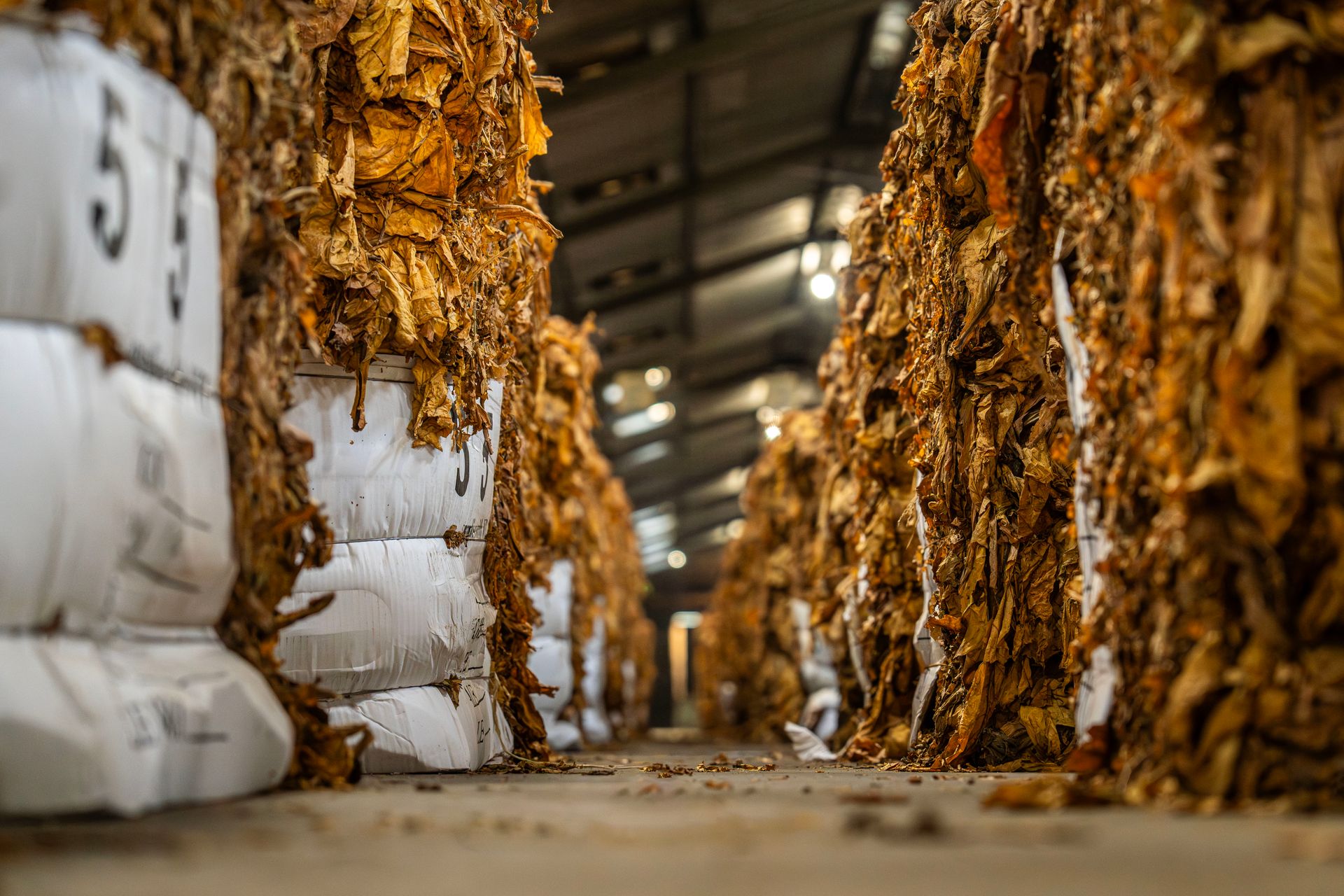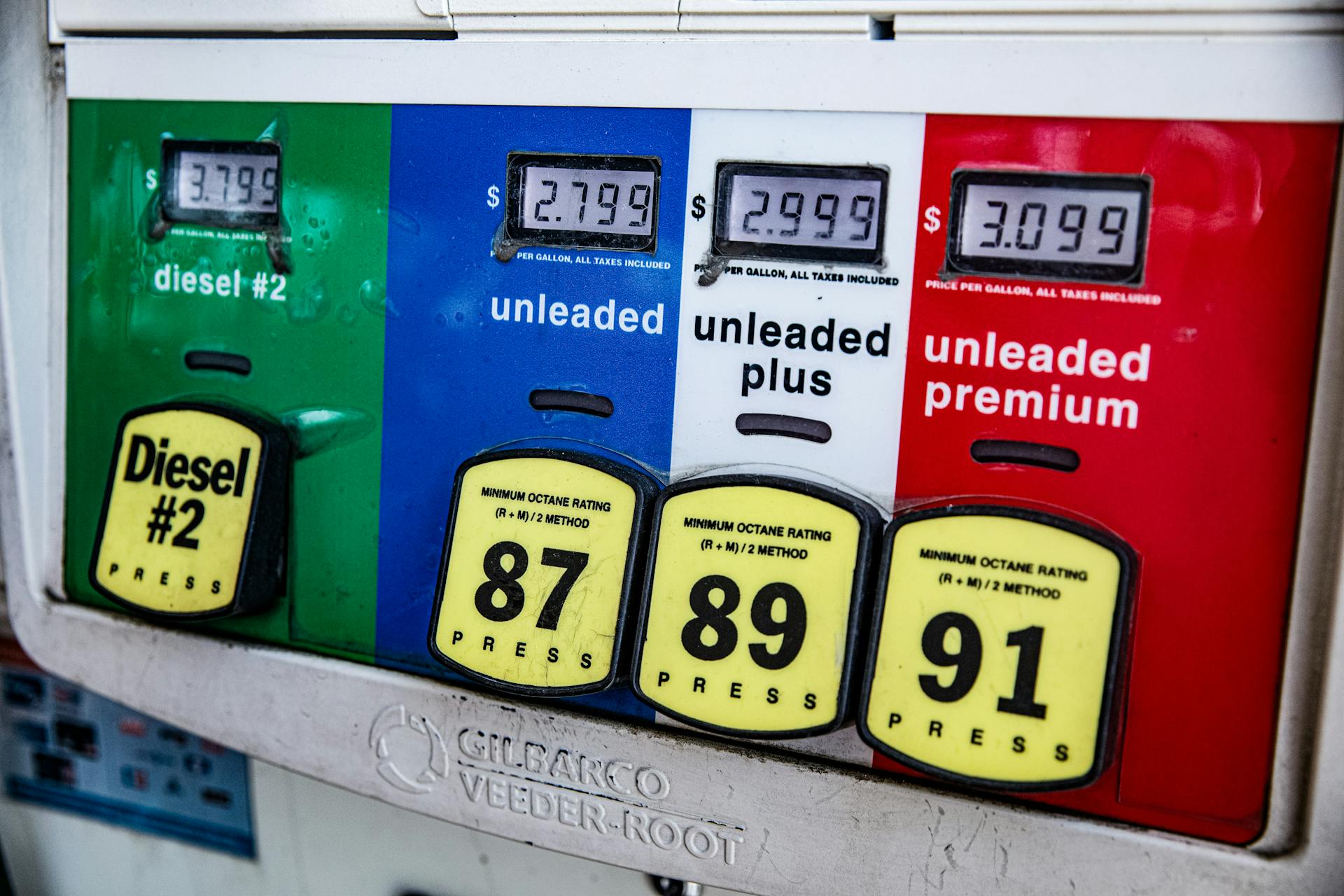
Commodity risk is a type of financial risk that arises from price fluctuations in commodities, such as oil, gold, and agricultural products. This risk can have a significant impact on businesses that rely on these commodities, whether it's a mining company or a manufacturer that uses oil as a raw material.
Commodity prices can be volatile, with prices changing rapidly due to factors such as supply and demand imbalances, weather events, and global economic trends. For example, a drought in a major agricultural region can lead to a shortage of crops, driving up prices and increasing the risk for businesses that rely on these crops.
Businesses that are heavily reliant on commodities need to have strategies in place to manage this risk, such as hedging or diversifying their supply chains.
Suggestion: Projection of Gold Prices in India
Key Concepts
Commodity price risk is a chance that commodity prices will change in a way that causes economic losses. This type of risk can affect both buyers and sellers of commodities.
Commodity price risk for buyers is due to increases in commodity prices, while for sellers/producers it is often due to decreases in commodity prices. This is a key difference to consider when managing risk.
Futures and options are two instruments commonly used to hedge against commodity price risk. These instruments can help mitigate potential losses.
Factors that can influence commodity prices include politics, seasons, weather, technology, and market conditions. These external factors can have a significant impact on commodity prices.
You might enjoy: Gold Prices in Pune
Hedging and Management
Companies can use commodity futures and options contracts to hedge against price risk. These contracts can benefit commodity buyers and producers by reducing price uncertainty.
Producers and buyers can protect themselves from fluctuations in commodity prices by purchasing a contract that guarantees a specific price for a commodity. They can also lock in a worst-case scenario price to reduce potential losses.
To manage commodity risk, it's essential to understand where your raw material is coming from and stay informed about what's happening in that location. This can help you take action to buy or sell commodities before price increases or shortages occur.
Intriguing read: Fuel Price Risk Management
A comprehensive risk management framework is crucial for navigating the complexities of commodity trading. This framework should encompass all aspects of risk, including market, credit, operational, and regulatory risk.
Key components of a robust risk management framework include risk identification, risk assessment, risk mitigation, monitoring and reporting, and governance and oversight. These components help traders prioritize risks and allocate resources to manage them effectively.
Companies can mitigate commodity price risk through futures and options contracts. A futures contract allows buyers and sellers to lock in a price for future transactions, reducing their exposure to short-term price volatility.
Here are some strategies for managing commodity price risk:
- Futures contracts: Lock in a price for future transactions
- Options contracts: Give the holder the right to buy or sell a commodity at a predetermined price
- Hedging: Use financial instruments to reduce exposure to price risk
External Factors
Politics can significantly impact commodity prices, as seen in the Russian invasion of Ukraine in 2022, which threatened grain and oilseed supply.
Seasonal and weather fluctuations have a substantial impact on commodity prices. Droughts and floods can lead to temporary increases in the prices of certain commodities.
Here's an interesting read: How Are Oil Prices Determined
Changes in consumer tastes can affect demand, raising or lowering prices for those goods. For example, changes in weather and climate can affect production of agricultural commodities.
The development of new technology can increase demand for mineral commodities, causing their prices to increase. This is evident in the example of new computer chips or technology increasing demand for mineral commodities.
Some of the most economically essential commodities include raw materials such as cotton, corn, wheat, oil, sugar, soybeans, copper, aluminum, and steel.
Extreme weather increasingly impacts harvests and crop yields globally, causing market prices to fluctuate greatly.
Recommended read: Dubai Multi Commodities Centre
Trading and Strategies
Commodity risk management is a complex task, but there are some effective strategies that can help mitigate potential losses. Hedging is the most common risk management strategy across industries, using futures or financial contracts to standardize a price for future costs.
Hedging takes into account several sub-strategies, such as diversification of products and resources in addition to price targeting. A grain producer might use futures contracts to lock in a selling price for their crop, protecting against the risk of falling prices.
Related reading: The Risk Management Process
Effective risk management in commodity trading requires a combination of strategies tailored to the specific risks faced by traders and producers. Some of the most commonly used risk management strategies include hedging, diversification, currency hedging, credit risk management, stress testing and scenario analysis, regulatory compliance and monitoring, and operational risk management.
Here are the key risk management strategies in commodity trading:
- Hedging: Using financial instruments like futures, options, and swaps to offset potential losses from adverse price movements.
- Diversification: Spreading investments across different commodities, regions, or trading strategies to reduce exposure to any single risk.
- Currency Hedging: Using currency hedging strategies like forward contracts or options to lock in exchange rates for future transactions.
- Credit Risk Management: Assessing the creditworthiness of counterparties before entering into transactions and using tools like credit insurance or collateral to mitigate the risk of default.
- Stress Testing and Scenario Analysis: Simulating extreme market conditions to assess the potential impact on a trading portfolio.
- Regulatory Compliance and Monitoring: Staying informed about changes in regulations and ensuring compliance to avoid penalties or market restrictions.
- Operational Risk Management: Implementing robust internal controls, standard operating procedures, and disaster recovery plans to mitigate operational risks.
Best Practices
To manage commodity risk effectively, it's essential to understand the underlying market dynamics.
The first step is to diversify your portfolio by investing in a variety of commodities. This can help spread risk and increase potential returns.
Regularly monitor market trends and adjust your strategy accordingly. As seen in the example of the 2008 financial crisis, sudden market shifts can have significant impacts on commodity prices.
Keep a close eye on your cash flow and ensure you have sufficient funds to cover potential losses. In the case of a commodity price drop, having a cash reserve can help mitigate the impact.
Diversification can also be achieved by investing in different types of commodities, such as energy, metals, and agricultural products. This can help reduce reliance on a single market.
It's also crucial to set clear risk management goals and strategies, and to regularly review and update them as market conditions change.
Example and Conclusion
As a demonstration of commodity price risk, consider how a coffee company like Starbucks is reliant on commodities like coffee, milk, and sugar.
An increase in the cost of any of those commodities would affect the prices that Starbucks pays for its supplies, ultimately impacting the company's bottom line. This is a clear example of how commodity price risk can have a significant impact on a business's financial stability.
Companies like Starbucks have to be mindful of commodity price fluctuations to maintain their profit margins. This involves constantly monitoring market trends and adjusting their supply chain accordingly.
In the case of Starbucks, an increase in coffee prices could lead to higher production costs, which might be passed on to consumers in the form of higher prices for their products. This could potentially drive customers away, affecting the company's revenue and profitability.
Worth a look: Commodities Broker
Frequently Asked Questions
What is an example of a commodity risk?
A commodity risk example is the 2020 crude oil price crash, which occurred due to a sudden imbalance between global demand and supply caused by the COVID-19 pandemic. This event highlights the unpredictable nature of commodity markets and the importance of understanding associated risks.
What is commodity basis risk?
Commodity basis risk occurs when the price of a physical commodity differs from the price of a futures contract used to hedge it. This mismatch can lead to unexpected losses or gains in a hedging strategy.
Featured Images: pexels.com