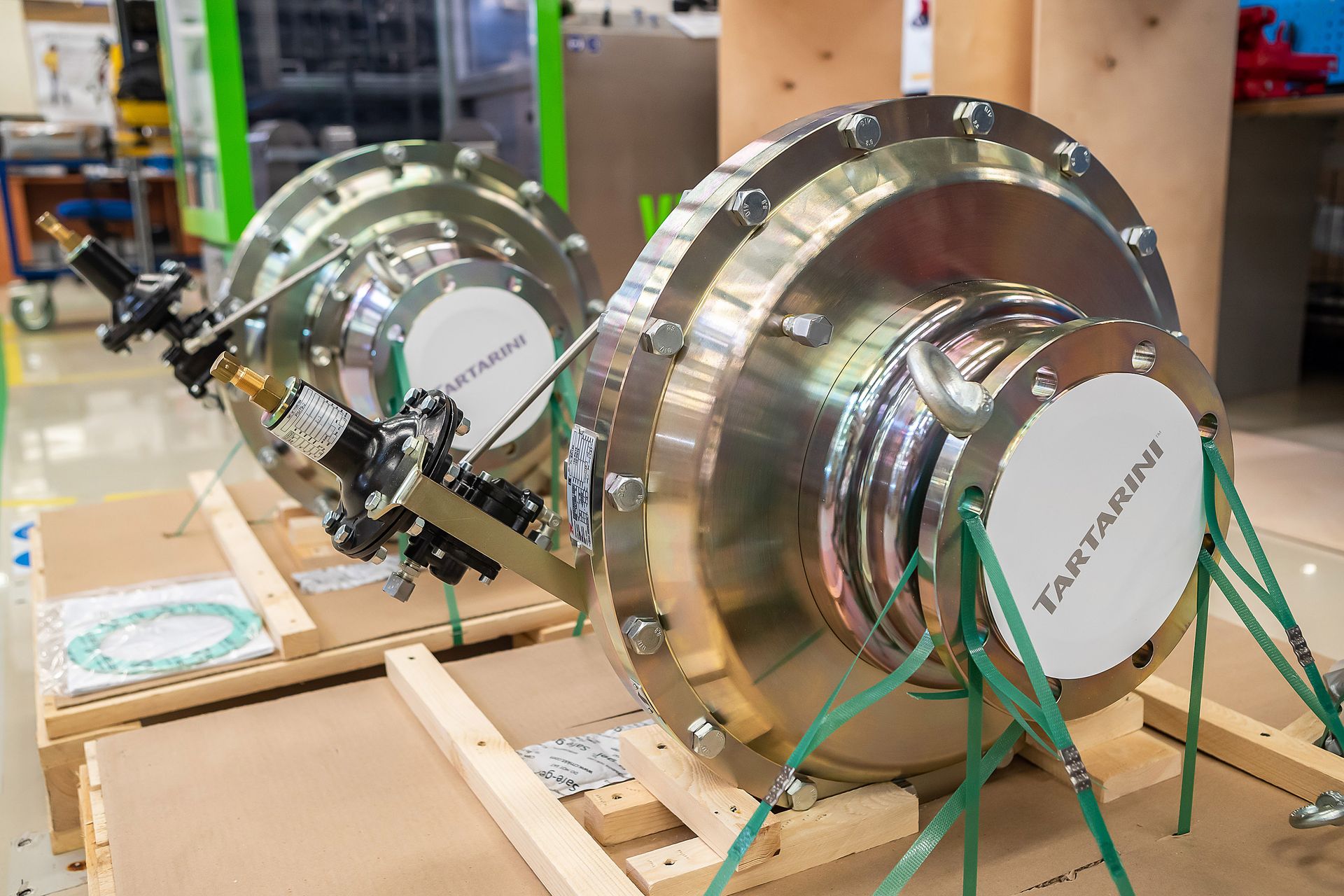
Physical capital, also known as capital goods, is a crucial component of a country's economy. It refers to man-made goods and structures used to produce other goods and services.
Capital goods can be tangible, such as buildings, machines, and equipment, or intangible, like software and patents. They are essential for businesses to operate and produce goods and services.
These goods are often created to last for a long time, such as factories, roads, and bridges, which are designed to withstand the test of time.
What Is Physical Capital?
Physical capital is a crucial component of any economy, and it's essential to understand what it entails. It refers to tangible assets used in the production of goods and services.
These assets can include machinery, buildings, tools, and equipment, which are all vital for enhancing productivity and efficiency.
Physical capital is not just about having assets, but also about investing in them to drive economic growth. The accumulation of physical capital is a key factor in this process.
Businesses rely on physical capital to produce more output with the same amount of labor, which is a significant advantage in a competitive market. This allows them to increase their productivity and efficiency, ultimately contributing to economic growth.
Explore further: Physical Depreciation
Types of Physical Capital
Physical capital, also known as capital goods, is a crucial factor in the manufacturing process. It includes human-made items or products that make production possible or enable it to run smoothly.
There are two main types of physical capital: fixed capital and working capital. Fixed capital refers to long-lived assets such as machinery and factories, which are not changed frequently. These assets have a long lifespan and are used repeatedly in the production process.
Working capital, on the other hand, involves day-to-day operations and includes assets such as raw materials, inventory, and consumable supplies. These assets are essential for the business to operate and are used up or consumed in the production process.
Here are some examples of capital goods:
- Machinery (e.g., factory equipment, industrial robots)
- Tools and equipment (e.g., construction tools, machine tools)
- Buildings and factories
- Vehicles used for business (e.g., trucks, ships, planes for freight)
- Infrastructure (e.g., roads, bridges, power plants)
Land and Real Estate
Land and Real Estate play a crucial role in the production process. This includes the land or property on which factories, shipping facilities, and stores are built.
Natural resources extracted from the ground, such as iron ore used to make steel, are also essential components of this category.
Cloud
Cloud computing is a type of physical capital that enables businesses to access and share information remotely.
It allows companies to store and process data on remote servers, reducing the need for on-site hardware and software.
Cloud computing is often used by businesses to host their websites, email services, and other applications.
Goods
Goods are a crucial aspect of physical capital, and they come in many forms. Some goods, like machinery and tools, are used directly in the production process to create other goods and services.
Examples of goods include machinery, tools, and equipment that aid in the production process. These can range from factory equipment to industrial robots, construction tools, and machine tools.
Goods also include buildings and factories, which provide the necessary space for production to take place. Vehicles used for business, such as trucks, ships, and planes for freight, are also considered goods.
Here's a breakdown of the key characteristics of goods:
In contrast to goods, consumer goods are items purchased by individuals for personal use, such as smartphones, clothing, and food.
Key Differences
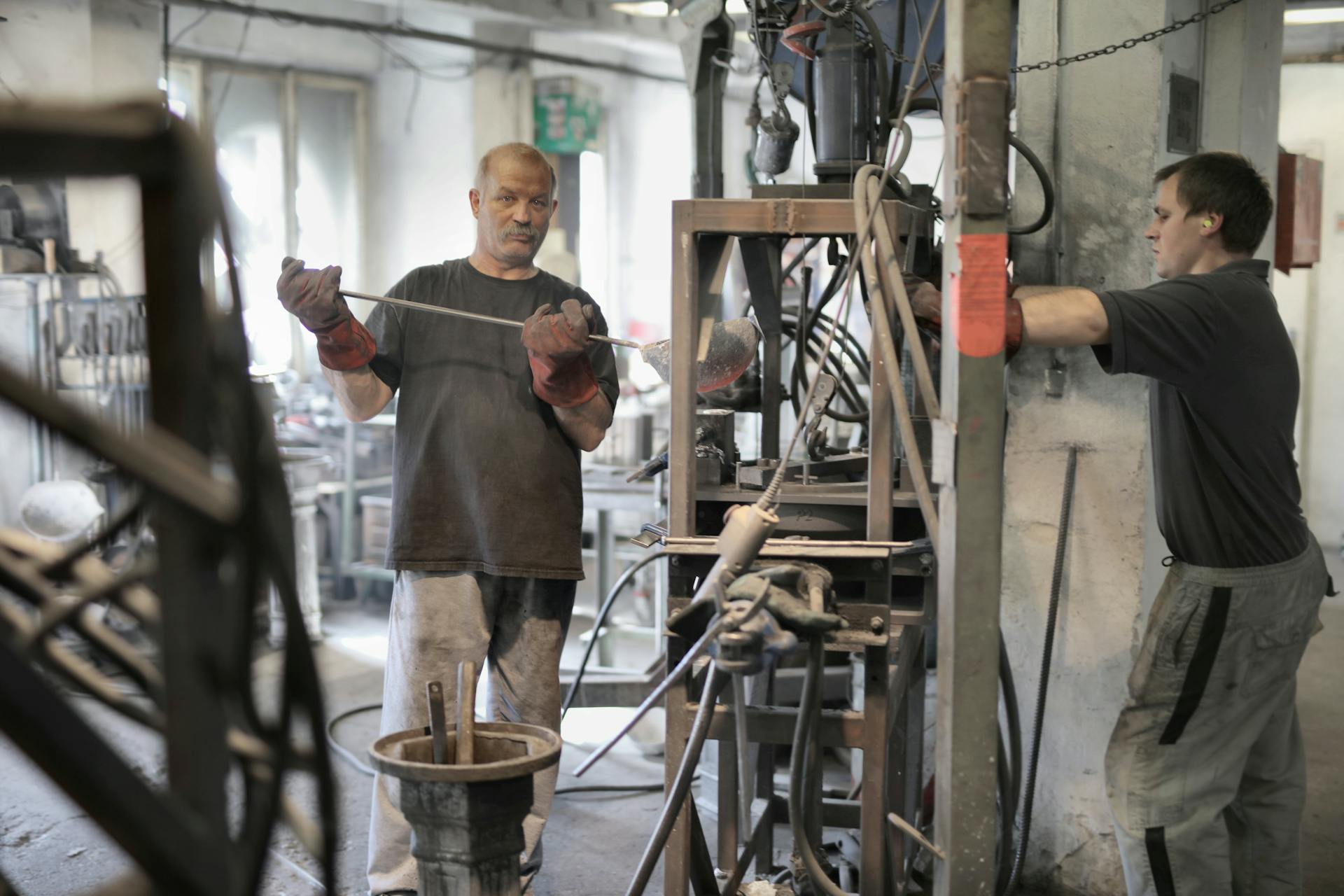
Physical capital, also known as capital goods, is a crucial component of economic production. It's the foundation upon which businesses and industries are built.
One key difference between physical capital and other forms of capital is its tangible nature. Unlike human capital, which is the skills and knowledge of individuals, physical capital can be seen and touched.
Physical capital can be further divided into two main categories: durable and non-durable goods. Durable goods, such as buildings and machinery, can be used for a long period of time, while non-durable goods, like food and clothing, have a shorter lifespan.
For more insights, see: Teens Demonstrate Good Physical Fitness
Human vs. Other Capital
Human capital is a crucial factor in creating goods and services, but it's distinct from other types of capital. It's the knowledge and skills that a human being possesses, which can be developed and improved over time.
Physical capital, on the other hand, includes tangible assets like machines and equipment. This type of capital is essential for production, but it doesn't have the ability to learn or adapt like human capital does.
A machine can make a pair of sneakers, but it requires human knowledge to build and operate the machine. This highlights the importance of human capital in creating and sustaining economic growth.
A unique perspective: Define Human Capital and Capital Goods
Human vs Key Difference
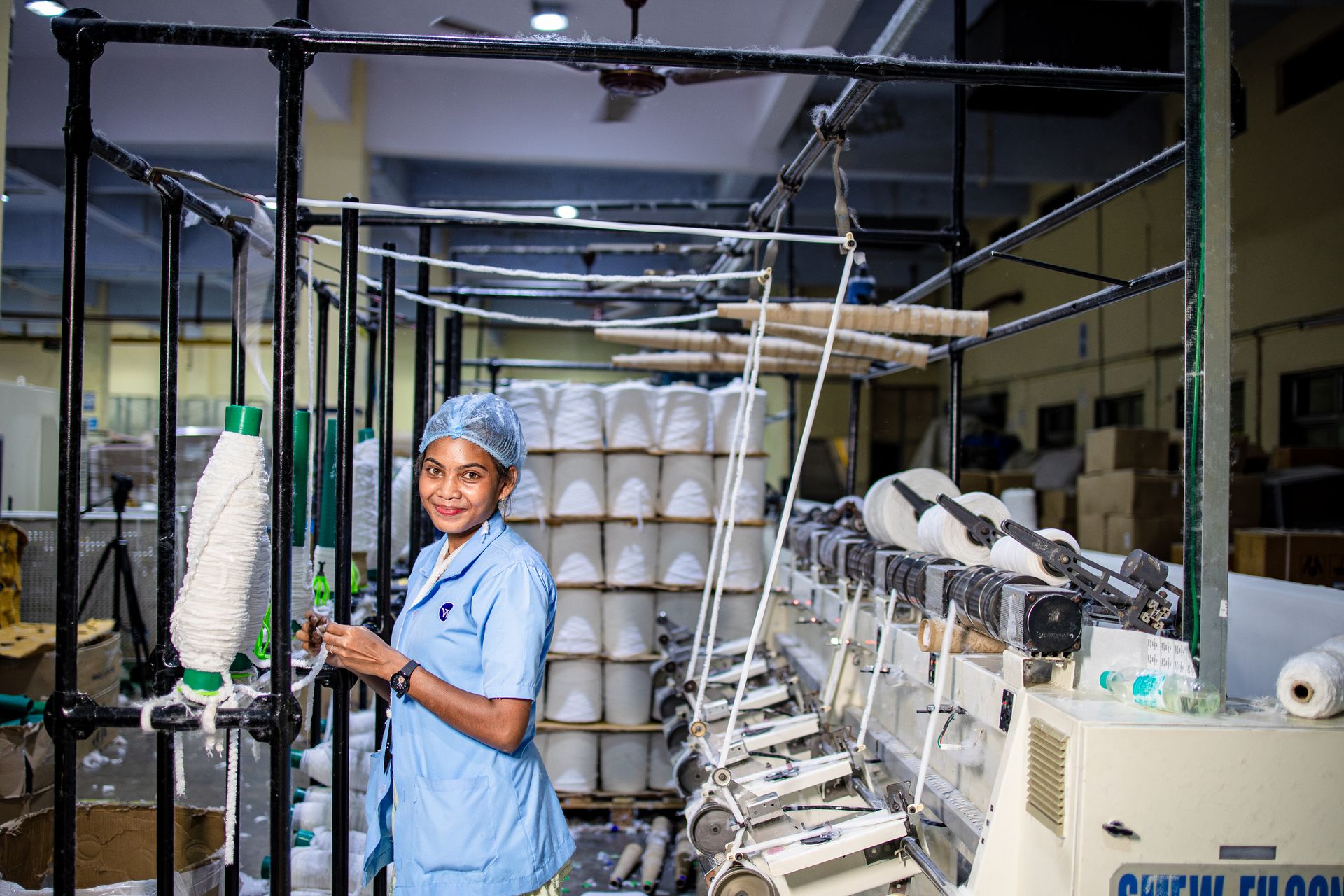
Human capital is a vital component of any business or organization. It refers to the skills, knowledge, and abilities of individuals.
These intangible assets are not easy to measure, but they're essential for productivity and success. Human capital doesn't depreciate over time, but it can become obsolete if not updated or maintained.
Investing in education and training is crucial to develop human capital. This type of investment can have a significant impact on an individual's skills and abilities.
Human capital is highly mobile, allowing individuals to transfer from one job to another. This flexibility is a key advantage of human capital over physical capital.
Here's a comparison of human and physical capital:
By understanding the key differences between human and physical capital, businesses and organizations can make informed decisions about investments and resource allocation.
Understanding Physical Capital
Physical capital is a crucial aspect of any business, and understanding it can help you make informed decisions about investments and resource allocation. It's essentially the tangible assets used to produce goods and services.
Experts agree that physical capital can be difficult to evaluate, and there's often disagreement over what exactly constitutes it. For example, a company's corporate headquarters might be considered physical capital, but it could also be classified as land or real estate.
Physical capital is often illiquid because it's designed to fulfill a specific purpose. A machine that puts caps on soda bottles, like the one used by Coca-Cola, is only useful to another beverage company and may not be easily sold or transferred.
Most objects of physical capital are fixed capital, meaning they're not consumed or destroyed during production but can be reused. This means an item of fixed capital has long-term value, but that value can change over time, usually declining as the asset ages.
Manufacturing equipment, like the machines used by Nike to create sneakers, is a prime example of fixed capital. As the machine ages, it becomes worth less, which is why fixed-capital investments are typically depreciated on a company's accounting statements over a long period.
The value of physical capital can increase if the asset itself is upgraded or there are changes to the firm that affect its value. This is why regular maintenance and upgrades are required to keep these assets productive.
Here are the key features of physical capital:
- Tangible Nature: Physical capital is always tangible, meaning it has a physical form that can be touched, seen, and quantified.
- Depreciation: Over time, physical capital depreciates due to wear and tear, aging, or technological obsolescence.
- Investment Requirement: Building physical capital requires a substantial investment in money, resources, and technology.
- Measurable: The value of physical capital can be easily quantified in monetary terms.
Conclusion
Physical capital, also known as capital goods, is a crucial component of a country's economy.
As we've seen, capital goods are tangible assets, like buildings, machines, and equipment, that are used to produce other goods and services. They play a vital role in economic growth and development.
The definition of capital goods is closely tied to the concept of production, as discussed in the article. In fact, capital goods are the means by which production is carried out.
Capital goods can be new or used, and they can be owned by individuals, businesses, or governments. For example, a factory is a type of capital good that can be owned by a private company or a government agency.
The value of capital goods can appreciate over time, increasing their worth as assets. This is why businesses often invest in capital goods to increase their productivity and competitiveness.
In conclusion, physical capital is a vital component of a country's economy, and its definition is closely tied to the concept of production.
Suggestion: Dollarize Definition
Featured Images: pexels.com