Bamburi Cement is a leading cement manufacturer in East Africa, with a rich history dating back to 1951. The company has a strong presence in Kenya, Uganda, Tanzania, Rwanda, and the Democratic Republic of Congo.
Bamburi Cement is a subsidiary of LafargeHolcim, a global cement and building materials company. This strategic partnership has enabled Bamburi Cement to tap into LafargeHolcim's global expertise and resources.
The company's financial performance is a testament to its success, with revenues exceeding KES 20 billion in 2020. This growth is attributed to the increasing demand for cement in East Africa, driven by infrastructure development and urbanization.
Environmental Impact
The environmental impact of Bamburi Cement is a story of transformation. During its early years, cement production grew from 1.2 million tons to 25 million tons, making the Bamburi quarries an inhospitable arid wasteland with brackish water.
In 1959, the company engaged Rene Haller to beautify the area. This marked the beginning of a significant shift in their environmental approach.
Here's an interesting read: Veolia Environmental Services
The reforestation project led by Haller in 1971 was a major milestone in this transformation, resulting in the formation of Haller Park. Today, the park is a thriving tourist attraction with a diverse range of flora and fauna.
The company has since made a conscious effort to convert the barren landscape of disused limestone quarries into a vibrant and diverse ecosystem of forest, grasslands, and ponds.
Business Transactions
Bamburi Cement has been involved in several significant business transactions in recent years. Amsons Group, a Tanzanian business conglomerate, acquired a 58.6% stake in Bamburi Cement through a divestment by Holcim.
The acquisition was completed in a deal worth over US$100m, with Amsons Group planning to invest heavily in Bamburi Cement to expand its footprint in the Kenyan market. Amsons Group's managing director, Edha Nahdi, expressed enthusiasm for the deal, stating that it would enable the company to be one of the largest cement manufacturers in Kenya and Tanzania by 2030.
Amsons Group has also made a binding offer to acquire up to a 100% stake in Bamburi Cement for US$180m, with the company planning to implement a major upgrade at the recently acquired Mbeya Cement in Tanzania. The offer includes a premium of 44.4% over Bamburi's last closing share price.
Completes Hima Divestment
Bamburi Cement has successfully completed the sale of its subsidiary Hima Cement to a consortium comprising Sarrai Group and Rwimi Holding for a whopping US$84m.
The transaction was finalized in early March 2024 after receiving regulatory and shareholder approval.
Holcim held a 70% share in Hima Cement, while Cementia Holding held a 30% share, both of which have been sold to the new owners.
The sale of Hima Cement was first announced in November 2023, giving the companies time to complete the necessary approvals and paperwork.
The divestment of Hima Cement is a significant move for Bamburi Cement, allowing the company to focus on its core operations and goals.
Here's an interesting read: Hima Cement Limited
The sale has resulted in a substantial cash inflow for Bamburi Cement, which will likely be used to further invest in its business and operations.
The new owners of Hima Cement, Sarrai Group and Rwimi Holding, are expected to bring fresh perspectives and expertise to the company, driving growth and development.
Savannah Clinker: $197m Offer
Savannah Clinker has made a significant offer to acquire Bamburi Cement for $197m, an 8% increase over Amsons Industries' existing bid of $183m.
The company requires a minimum stake of 60% to finalize the deal, and aims to complete it before March 2025.
Savannah Clinker owns an upcoming clinker plant and limestone mine in Kitui, and its owner Benson Sande Ndeta has a background in the cement industry, having previously held a majority of shares in Savannah Cement.
Savannah Clinker's offer is a bold move in the Kenyan cement market, and it will be interesting to see how the deal unfolds.
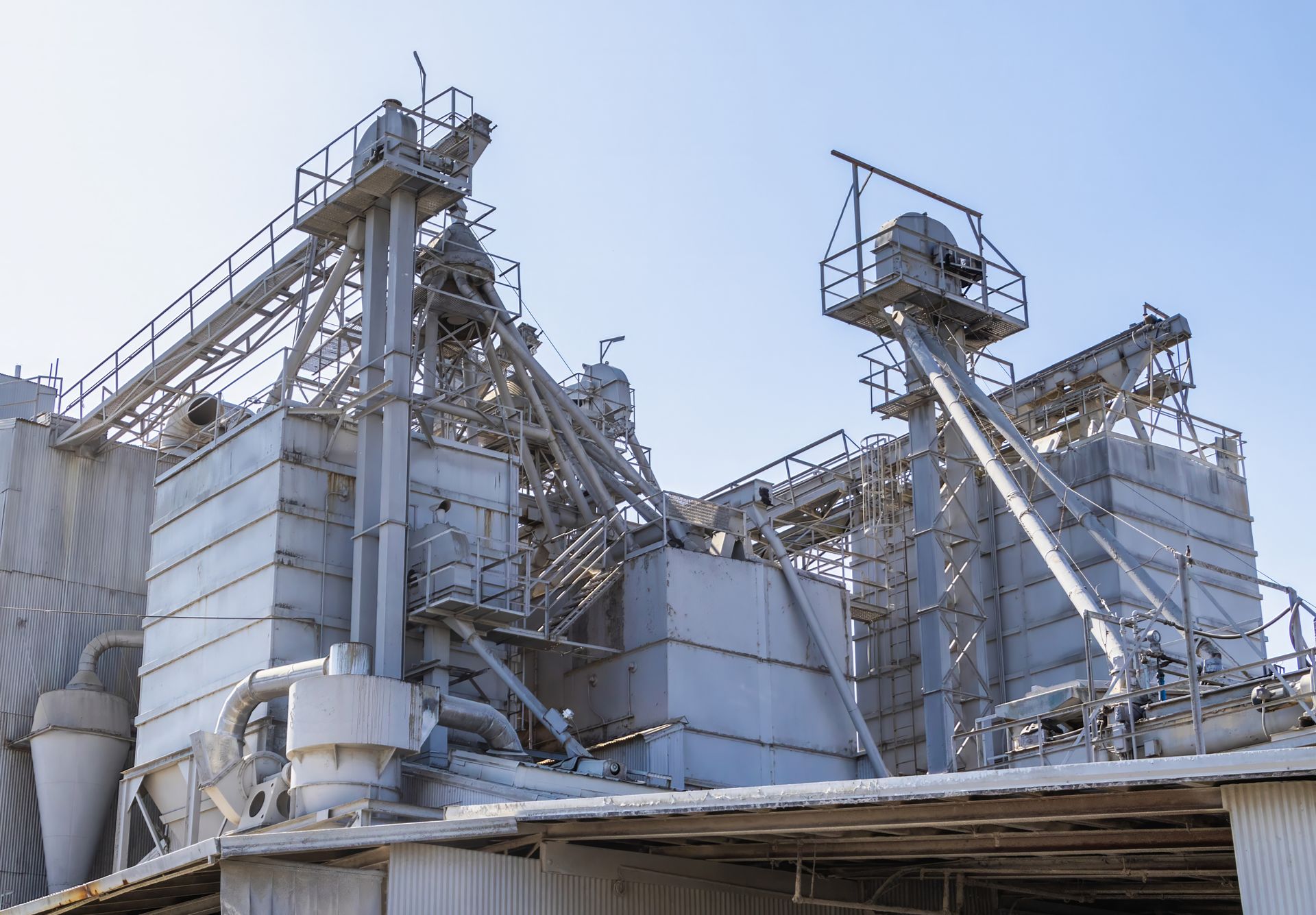
Bamburi Cement is a well-established company with a significant presence in Kenya, and Amsons Industries' existing bid of $183m may have been seen as a more conservative approach.
However, Savannah Clinker's offer of $197m may be more appealing to Bamburi Cement's shareholders, given its higher value and the company's plans to invest in the Kenyan market.
Amsons Group Bids US$180m
Amsons Group has made a significant US$180m bid to acquire the entire stake of Kenya's Bamburi Cement.
The offer includes a premium of 44.4% over Bamburi's last closing share price.
Managing Director of Amsons Group, Edha Nahdi, said "We have great plans to deepen our investment in Kenya and in Bamburi. Our offer to acquire shares in Bamburi is part of our corporate market expansion plan and will mark the formal entry of Amsons Group into the Kenyan market, where we plan to make investments in other industries in the coming months."
The bid was made on 11 July 2024, and it's part of Amsons Group's strategy to expand its footprint to the Kenyan market and trade across East Africa.
Discover more: Scrip Bid
Market and Competitors
Bamburi Cement has six market competitors in the Industrials sector.
The market capitalization of these competitors varies greatly, with East African Portland Cement Co. Ltd having a market capitalization of 5.4 billion, which is significantly higher than the others.
Olympia Capital Holdings Limited has a market capitalization of 313 million and has seen a remarkable growth of 179% in the year to date. East African Cables Limited, on the other hand, has seen a decline of 7.41% in the same period.
Here is a list of Bamburi Cement's competitors:
- Olympia Capital Holdings Limited (OCH)
- East African Portland Cement Co. Ltd (PORT)
- Trans Century Limited (TCL)
- Shri Krishana Overseas Ltd (SKL)
- Kenya Airways Limited (KQ)
- East African Cables Limited (CABL)
Kenya Airways Limited has the highest market capitalization among Bamburi Cement's competitors, at 21.2 billion.
Industrial Market Competitors
The industrial market is a competitive space, and Bamburi Cement Limited has six notable competitors. They are all engaged in the Industrials sector and can be found on the Nairobi Securities Exchange.
Olympia Capital Holdings Limited, with a market capitalization of 313 million, has seen a significant year-to-date increase of 179%. East African Portland Cement Co. Ltd, on the other hand, boasts a massive market capitalization of 5.4 billion.
Trans Century Limited has a market capitalization of 266 million and has experienced a year-to-date growth of 82.1%. Shri Krishana Overseas Ltd has a market capitalization of 400 million and has seen a year-to-date increase of 34.2%.
Kenya Airways Limited has a massive market capitalization of 21.2 billion, but has seen a year-to-date decrease of 2.61%. East African Cables Limited has a market capitalization of 253 million and has experienced a year-to-date decline of 7.41%.
Here's an overview of the market standing of these competitors:
Sector
The sector plays a crucial role in the market, and understanding its various components is essential. Basic Materials is a key sector in the market.
Construction Materials is a subcategory within Basic Materials, and it's a significant part of the sector. Construction Materials is also listed twice, indicating its importance.
Here's a breakdown of the subcategories under Basic Materials:
Construction Materials is a broad category that encompasses various subcategories, including Cement & Concrete Manufacturing.
Financial Performance
Bamburi Cement's financial performance is impressive, with a current stock price of 35.55 Kenyan Shilling (KES). The company's total market capitalisation is a substantial 12.9B KES.
The P/E ratio of 12.30 indicates a relatively stable and attractive investment opportunity. Earnings per share are a healthy 2.89 KES, suggesting a strong financial foundation.
A total of 363M shares are outstanding, providing a significant number of investment opportunities for those interested in Bamburi Cement. With consistent profits and increasing earnings per share, investors can expect lucrative dividends and earnings in the future.
Stock Performance
Bamburi Cement Ltd's stock performance is impressive, with a current price of 35.55 Kenyan Shilling (KES).
The company's market capitalisation stands at 12.9B KES.
A total of 363M shares are outstanding, giving investors a clear picture of the company's size.
The P/E ratio of 12.30 suggests that the company's stock is reasonably priced.
Earnings per share of 2.89 KES indicate a strong financial foundation for the company.
Investors can expect lucrative dividends and earnings in the future, thanks to the company's consistent profits.
Analysts forecast further improved performance, with market share growing as trading volumes increase.
Buy Stocks Step by Step
Buying stocks can seem daunting, but it's actually quite straightforward. To get started, you need to find the share you want to buy, such as "BAMB" in the case of Bamburi Cement Ltd.
You'll then need to select a forex broker that offers access to the Nairobi Securities Exchange (NSE). This is a crucial step, as not all brokers offer this service.
Next, review the broker's trading conditions, fees, deposit and withdrawal methods, trading platform, customer support, regulation, and other components to ensure they align with your trading plan. This will help you make an informed decision.
To open a live trading account, you'll need to complete the online application form and provide necessary documentation to verify the trading account. This is usually a straightforward process.
Once you have a live trading account, you're ready to make your first share purchase through the broker.
Income Statement
The income statement is a crucial part of a company's financial performance, and it's essential to understand how to read and analyze it. The income statement for Bamburi Cement Plc, listed under BAMB Stock, provides a snapshot of the company's revenues and expenses.
The income statement is divided into several key sections, including revenues, cost of sales, and operating expenses. The company's revenues come from various sources, including the stock market and equities.
Here's a breakdown of the company's income statement:
- Revenues: This section includes the total amount of money earned by the company from its sales and other sources.
- Cost of sales: This section includes the direct costs associated with producing and selling the company's products.
- Gross profit: This is the difference between revenues and cost of sales.
- Operating expenses: This section includes all the expenses incurred by the company to operate its business, such as salaries, rent, and utilities.
- Net income: This is the company's total profit after deducting all expenses from revenues.
By analyzing the income statement, investors and analysts can gain a better understanding of the company's financial performance and make informed decisions about their investments.
Corporate Structure
Bamburi Cement's corporate structure is a key aspect of its operations. The company is a subsidiary of LafargeHolcim, a leading global cement manufacturer.
Bamburi Cement is listed on the Nairobi Securities Exchange (NSE) and has a market capitalization of approximately KES 20 billion. This listing provides the company with access to capital markets and enhances its visibility among investors.
The company's board of directors is responsible for overseeing the overall strategy and direction of Bamburi Cement.
Shareholding
Bamburi Cement's shares are traded on the Nairobi Securities Exchange under the ticker symbol: BAMB.
The company's shareholding as of 31 December 2016 was dominated by two major shareholders: Fincem Holding Limited and Kencem Holding Limited.
These two companies, Fincem Holding Limited and Kencem Holding Limited, are subsidiaries of LafargeHolcim, giving LafargeHolcim significant control over Bamburi Cement.
Fincem Holding Limited and Kencem Holding Limited each hold 29.30% of Bamburi Cement's shares.
Other investors hold a combined 41.40% of the company's shares.
Here's a breakdown of the shareholding:
LafargeHolcim's control of Bamburi Cement is a result of its subsidiaries holding a combined 58.6% of the company's shares.
Executive Committee: Plc
The Executive Committee of Bamburi Cement Plc is a crucial part of the company's corporate structure. It consists of key executives who oversee the day-to-day operations of the company.
The CEO, Mohit Kapoor, has been leading the company since March 31, 2023, at the age of 54. Eugene Antera serves as the Director of Finance and Chief Financial Officer, joining the team on May 31, 2023, at 43 years old.
Joyce Munene is the Compliance Officer, appointed on July 19, 2023. Benson Wangalwa has been the Human Resources Officer since December 31, 2014.
Here's a brief overview of the Executive Committee:
Manufacturing and Operations
Bamburi Cement is a major player in the cement and concrete manufacturing industry. The company's performance can be gauged by looking at its stock price changes over the past few months.
According to the article, Bamburi Cement PLC's stock price has seen a -4.42% change in the last 5 days. This is a significant drop, but it's essential to consider the company's overall performance in the industry.
The cement and concrete manufacturing industry is highly competitive, with various companies vying for market share. Bamburi Cement's performance can be compared to its peers, such as Holcim Ltd, which has seen a +2.71% change in the last 5 days.
Here's a comparison of the stock price changes of some major players in the industry:
Overall, the cement and concrete manufacturing industry is a complex and competitive space, and Bamburi Cement's performance is just one aspect of this larger landscape.
Drugs Incinerated at Mombasa
Bamburi Cement's Mombasa plant was used to incinerate 99kg of heroin and cocaine worth US$2.3m at the request of the Directorate of Criminal Investigations Kenya.
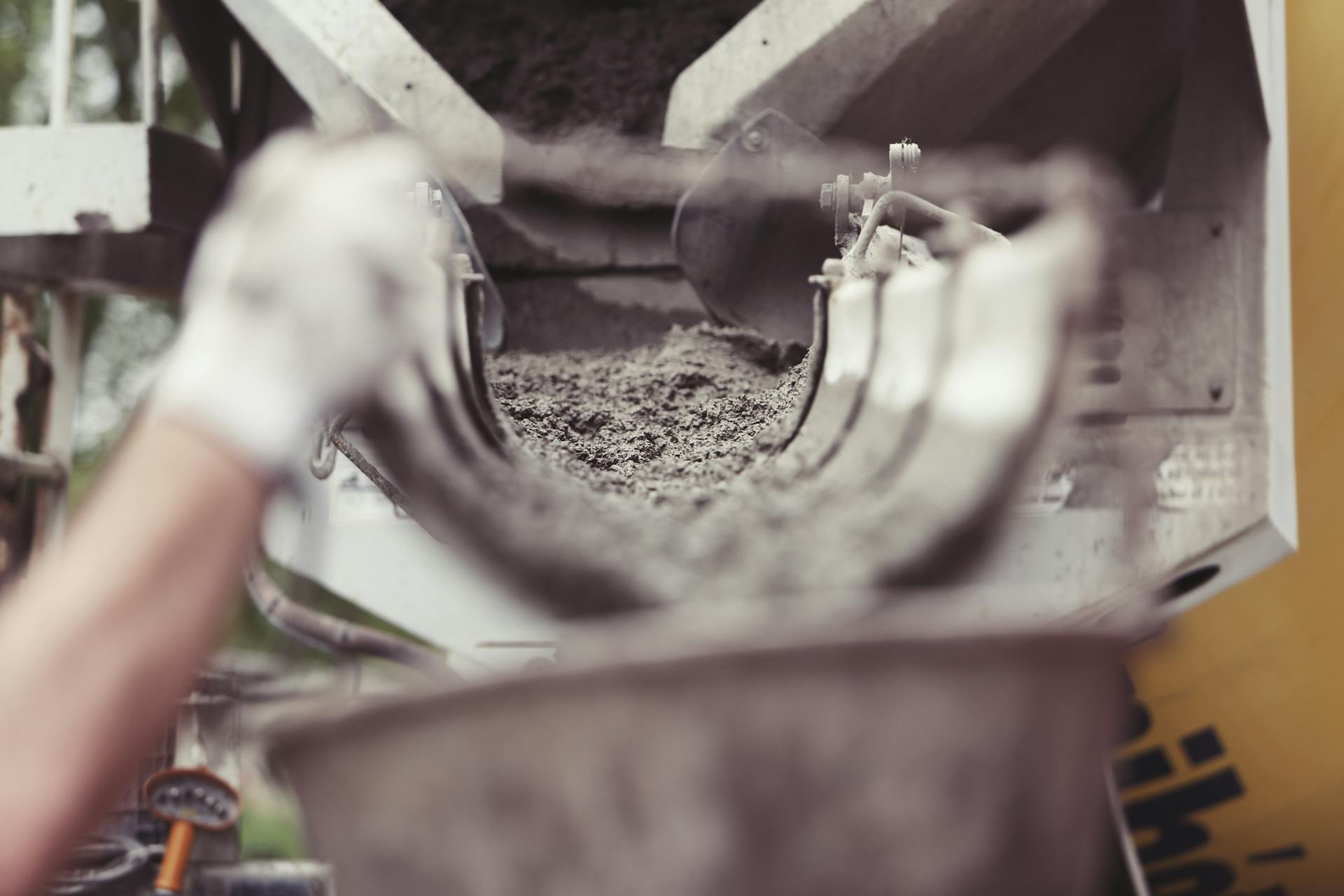
This kiln was chosen as the most secure method for destroying the seized narcotics, and it's not the first time Bamburi Cement has collaborated with authorities to dispose of hazardous waste.
Bamburi Cement has previously worked with multi-agency teams to dispose of over 5000t of hazardous waste imported into the country at its Mombasa facility.
The company's kilns are capable of co-processing waste and converting it into energy, reducing CO₂ emissions and supporting a clean circular economy.
Bamburi Cement's Sustainability & Geocycle Director Jane Wangari expressed pride in contributing to a public interest solution that eliminated a threat to Kenyan citizens.
Readers also liked: How to Dispose of Credit Cards with Metal
Concrete Manufacturing
Concrete manufacturing is a crucial aspect of the construction industry, and it's fascinating to see how companies like Bamburi Cement Plc and Holcim Ltd are performing in this space.
Bamburi Cement Plc, for instance, reported a profit before tax of 971 million Shillings for the full year ended December 31, 2024.
The cement and concrete manufacturing industry is highly competitive, with various companies vying for market share. Let's take a look at how some of the major players are doing.
Here's a snapshot of the performance of some leading cement and concrete manufacturing companies:
The weighted average by capitalization shows a positive trend, with a 1.18% increase over the past 5 days.
Investment and Mergers
Bamburi Cement has several subsidiaries and investments, including Bamburi Special Products, Lafarge Eco systems, and East African Portland Cement Company. These subsidiaries engage in various activities such as manufacturing concrete paving blocks and ready mix concrete.
The company's parent company, HimCem Holdings, is an investment holding company based in Saint Helier, Jersey, with 100% shareholding. Bamburi Cement also has a 12.5% shareholding in East African Portland Cement Company, a Kenya-based cement manufacturer listed on the NSE.
Amsons Group plans to invest heavily in Bamburi Cement, with a bid of US$180m to acquire the entire stake of the company. This investment is part of Amsons Group's strategy to expand its footprint in the Kenyan market and trade across East Africa.
Subsidiaries and Investments
Bamburi Cement, a leading cement manufacturer, has a diverse range of subsidiaries and investments across various countries.
The company's flagship unit is Bamburi Cement in Nairobi, Kenya, which is responsible for the production of cement.
Bamburi Special Products, also in Nairobi, Kenya, is a 100% subsidiary of the group and focuses on manufacturing concrete paving blocks and ready mix concrete.
Lafarge Eco systems in Nairobi, Kenya, is another 100% subsidiary that deals with environmental and rehabilitation services.
HimCem Holdings in Saint Helier, Jersey, is a 100% investment holding company.
East African Portland Cement Company in Athi River, Kenya, is a 12.5% subsidiary of the group.
Here's a list of Bamburi Cement's subsidiaries and investments:
- Bamburi Cement (Nairobi, Kenya)
- Bamburi Special Products (Nairobi, Kenya)
- Lafarge Eco systems (Nairobi, Kenya)
- HimCem Holdings (Saint Helier, Jersey)
- East African Portland Cement Company (Athi River, Kenya)
Amsons Group, a significant player in the cement industry, has plans to invest heavily in Tanzania and Kenya.
Amsons Group Invests in Tanzania and Kenya
Amsons Group is making significant investments in Tanzania and Kenya, starting with a $320m cement plant in northern Tanzania's Tanga area, which will have a production capacity of 5,000t/day.
This is part of the company's regional expansion plans, which aim to make it one of the largest cement manufacturers in Kenya and Tanzania by 2030. Amsons Group's managing director, Edha Nahdi, credits the support of the Tanzanian and Kenyan governments for putting their plans on course.
The company also plans to upgrade the recently acquired Mbeya Cement in Tanzania, including a new grinding mill. A major upgrade is also in the works for Mbeya Cement.
Amsons Group has received regulatory approval from the Comesa Competition Commission to acquire up to 100% of Bamburi Cement in Kenya, a move that is part of their strategy to expand their footprint in the Kenyan market. The acquisition bid is valued at $180m.
Edha Nahdi, the CEO of Amsons Group, sees the acquisition as a win-win scenario for investors and the two countries. The approval is a significant boost to their offer as they continue to engage investors of Bamburi Cement.
For another approach, see: Xrpl Upgrade
Frequently Asked Questions
Who is the new CEO of Bamburi Cement?
The new CEO of Bamburi Cement is Mohit Kapoor, an electrical engineer with experience in marketing and supply chain management. He took over the position on April 1, 2023, succeeding Seddiq Hassani.
Featured Images: pexels.com