Veolia Environmental Services has a rich history that dates back to the 1850s in France. The company started as a water utility company and has since grown to become a global leader in environmental services.
Veolia's services include waste management, water treatment, and energy production. They operate in over 40 countries, serving both public and private sector clients.
Veolia's expertise in waste management involves collecting, transporting, and disposing of waste in a responsible and sustainable manner. They also provide recycling and composting services to reduce waste and promote sustainability.
Veolia's water treatment services include providing clean drinking water to communities and industries, as well as wastewater treatment and recycling.
Intriguing read: Waste Management, Inc.
Company History
Veolia Environmental Services has a rich history that spans over a century. The company's roots date back to 1853 when the French Compagnie Générale des Eaux (CGE) was founded as a water industry company.
In the 1950s, CGE began to expand its services to include household waste collection, starting in 1953. This marked a significant shift in the company's focus towards environmental services.
Suggestion: O Que É Mbtc
The 1970s saw the establishment of SARP Industry, a firm dedicated to treating hazardous waste in 1975. This move further solidified CGE's position in the environmental services sector.
In the 1980s, CGE took control of several companies, including Compagnie Générale de Chauffe (CGC) and Compagnie Générale d'Entreprises Automobiles (CGEA), which had significant presence in household waste management and urban transportation.
The 1990s saw the creation of Onyx Environnement, a brand that unified all of CGEA's waste management activities in 1989. This was followed by the renaming of CGE to Vivendi in 1998.
Vivendi Environnement was established in 1999 to consolidate the environmental activities of Vivendi. However, it was divested by Vivendi between 2000 and 2002.
In 2003, Vivendi Environnement was renamed to Veolia Environnement, marking a significant rebranding effort. The company's divisions were also reorganized, with Veolia Water, Dalkia, Veolia Environmental Services, and Veolia Transport becoming the main operating units.
Here's a brief overview of Veolia's current structure:
- Veolia Water
- Dalkia (joint venture with Électricité de France (EDF) since 2000)
- Veolia Environmental Services (formerly Onyx Environnement)
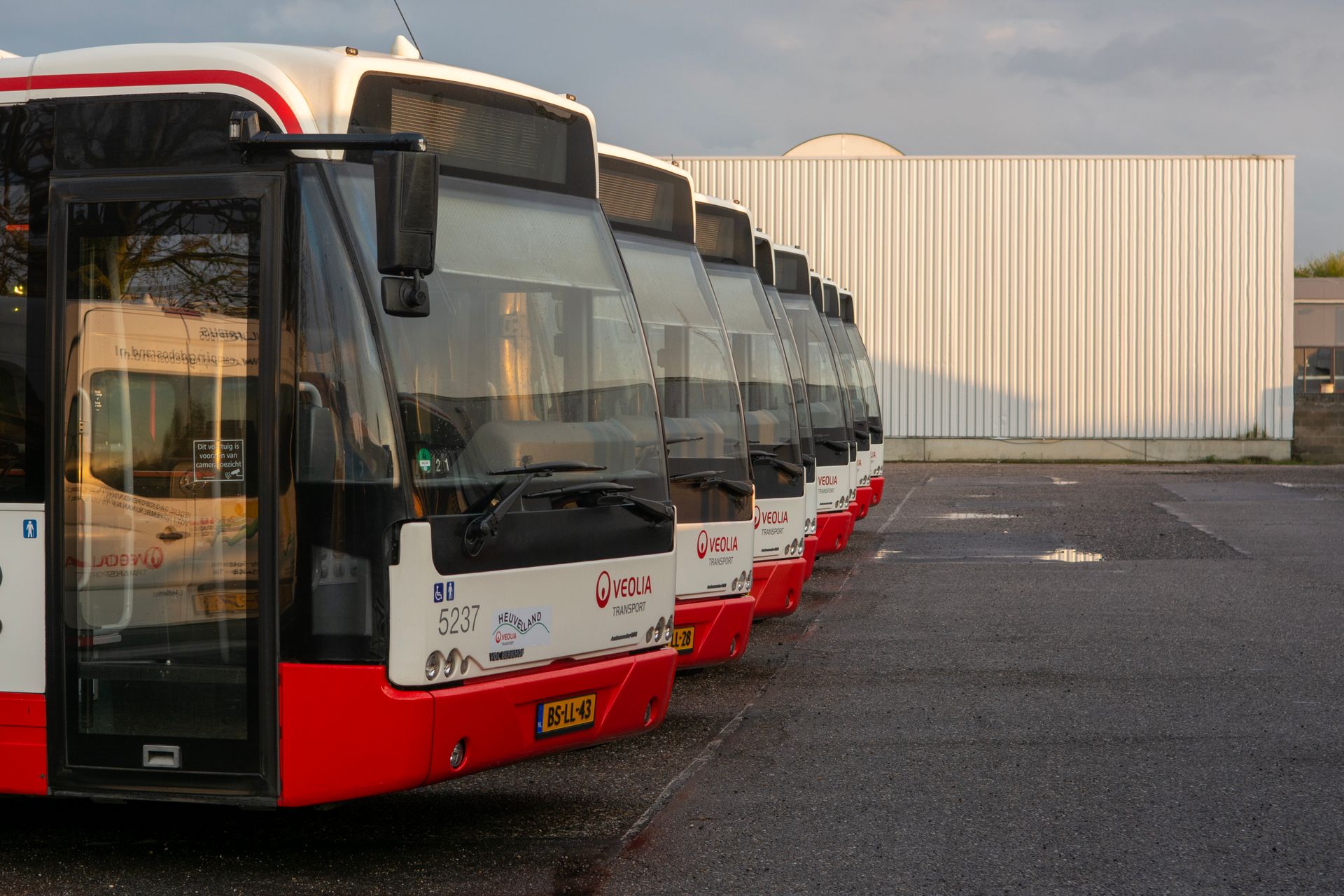
- Veolia Transport (formerly Connex)
Today, Veolia Environmental Services is a leading player in the environmental services sector, with a presence in over 220 countries and nearly 220,000 employees worldwide.
A unique perspective: Shanxi Lu'an Environmental Energy
Services and Activities
Veolia Environmental Services offers a wide range of services and activities to manage and treat waste. The company collects and recycles liquid waste, solid waste, hazardous or non-hazardous waste, and refuse from household and industrial sources.
Veolia delivers services to private companies, including management and exploitation of waste, collection and advanced treatment of hazardous waste, and operation and maintenance of chemical, petrochemical, metallurgical, and automotive plants and equipment. In 2009, Veolia had 819,000 business customers worldwide.
Veolia operates 352 centres for sorting and recycling, treating and recycling waste to produce raw materials for industry. The company treats hazardous waste through incineration, recycling of solvents, and storage and energy exploitation of non-hazardous waste. Veolia also offers urban cleaning services, including mechanized street cleaning and treatment of façades.
Veolia's services include:
- Management and exploitation of waste
- Collection and advanced treatment of hazardous waste
- Operation and maintenance of chemical, petrochemical, metallurgical, and automotive plants and equipment
- Urban cleaning services
- Sorting and recycling of waste
- Treatment of hazardous waste
- Storage and energy exploitation of non-hazardous waste
2003 – 2020
In 2003, Vivendi Environnement was renamed to Veolia Environnement after spinning off from its parent Vivendi Universal in 2002.
The name "Veolia" was established as an umbrella brand for all of the Group's divisions in 2005, with a new logo created to represent the company.
For your interest: Veolia Investor Relations
Veolia Water, originally known as Vivendi Water, was one of the divisions that fell under the Veolia brand. Dalkia, which had become a joint venture with Électricité de France (EDF) in 2000, retained its name but was now part of the Veolia group.
Veolia Environmental Services, originally known as Onyx Environnement, and Veolia Transport, originally known as Connex, were also part of the Veolia divisions at the time of rebranding.
Readers also liked: The Risk Selection and Classification Process Is Known as
Company Services
Veolia Environmental Services offers a wide range of services to private companies, including the management and exploitation of waste. This involves the collection and advanced treatment of hazardous waste.
Their services also include the operation and maintenance of chemical, petrochemical, metallurgical, and automotive plants and equipment. This includes high-pressure cleaning services and cryogenics.
In 2009, Veolia Environmental Services had 819,000 business customers worldwide. This demonstrates their extensive reach and ability to provide services to a large number of companies.
Their services are tailored to meet the specific needs of each company, including the treatment of hazardous waste, operation of industrial plants, and maintenance of equipment.
See what others are reading: Gushan Environmental Energy
Controversies and Criticisms
Veolia Environmental Services has been at the center of several controversies and criticisms. The company has been targeted by boycotts and divestment campaigns, primarily by pro-Palestinian groups.
These groups have raised concerns about Veolia's involvement in the Israeli-Palestinian conflict. Veolia's subsidiary, Veolia Environmental Services-Israel, manages the Tovla landfill in the Jordan Valley, which has been a point of contention.
Veolia's subsidiaries have also been accused of confiscating land with portions closed entirely to Palestinians. This has led to widespread criticism of the company's business practices. In addition, Veolia's Transport division has been involved in the development of the Jerusalem Light Rail system, which has been opposed by some due to its impact on Palestinian communities.
Several university organizations have supported anti-Veolia protests and boycotts, including at Oberlin College and at the University of Sheffield. In 2013, the Sheffield Palestinian Solidarity Group succeeded in petitioning the university to end their waste management contract with Veolia.
Here are some of the specific allegations made against Veolia:
- Veolia Environmental Services-Israel manages the Tovla landfill in the Jordan Valley.
- Connex-Israel, a subsidiary, has confiscated land with portions closed entirely to Palestinians.
- Veolia Transport's development of the Jerusalem Light Rail system.
Dismantling and Remediation
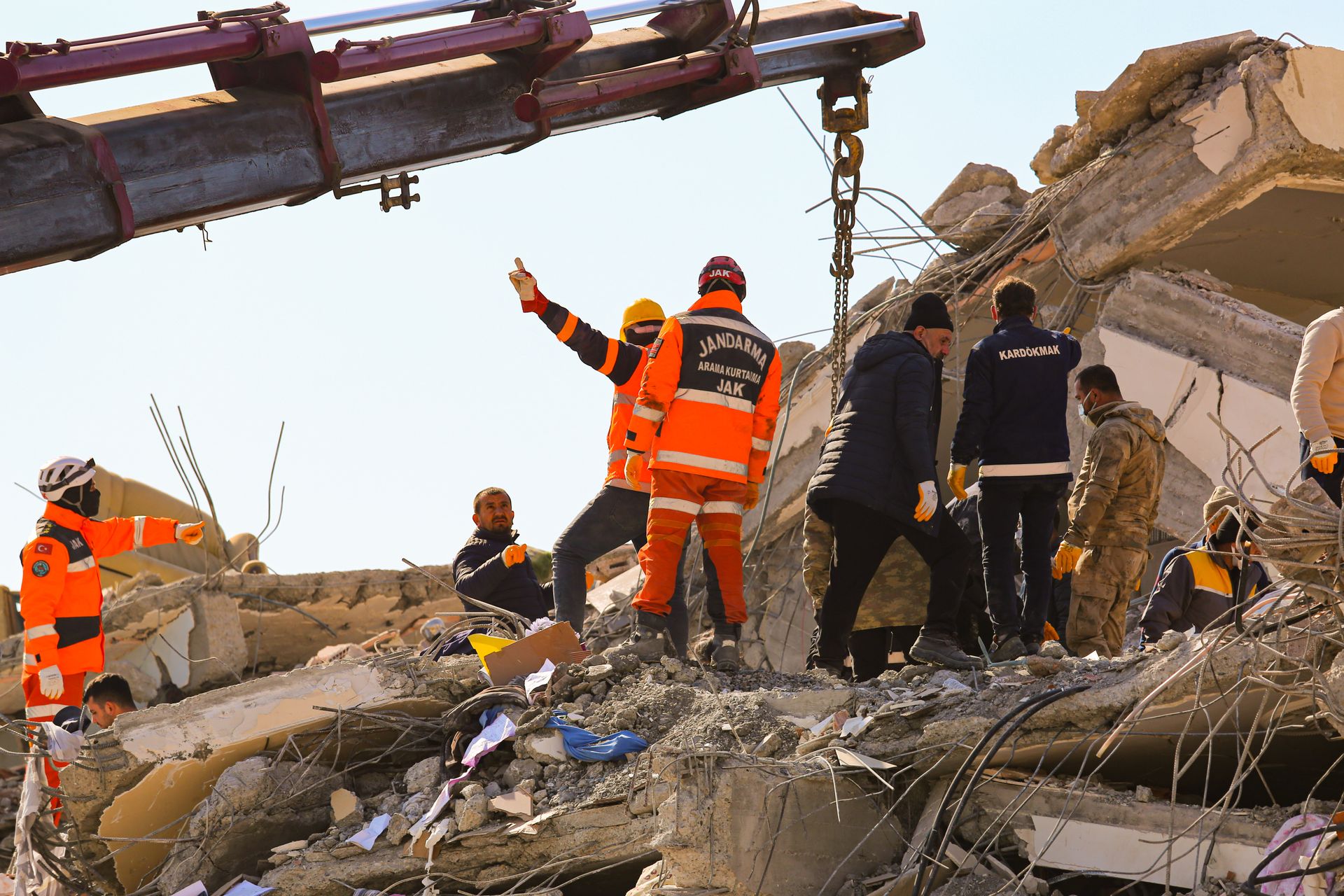
Veolia is involved in dismantling industrial plants and equipment that have reached the end of their service life, such as aircraft, ships, trains, and oil platforms.
The company disassembles these units, removes asbestos, and recovers recyclable materials.
Veolia also treats non-recyclable waste and provides site remediation.
The group is involved in rehabilitating areas where the footprint of older pollution still exists, including brownfield redevelopment.
This involves cleaning up accidental spills and upgrading industrial sites.
Worth a look: Veolia Transport
Controversies
Veolia has been the target of boycotts and divestment campaigns, primarily by pro-Palestinian groups. These campaigns have been successful in halting or withdrawing contracts, such as the £4.7 Billion contract in north London that Veolia withdrew from in 2012.
The pro-Palestinian group opposed contracting with Veolia on three primary human rights grounds. They allege that Veolia's subsidiaries have:
- Managed the Tovla landfill in the Jordan Valley
- Confiscated land with portions closed entirely to Palestinians
- Developed the Jerusalem Light Rail system
Veolia has denied wrongdoing in its involvement with Israeli settlements. However, some organizations have taken action against the company, including the Justice and Peace Commission, which urged London municipalities to stop doing business with Veolia.
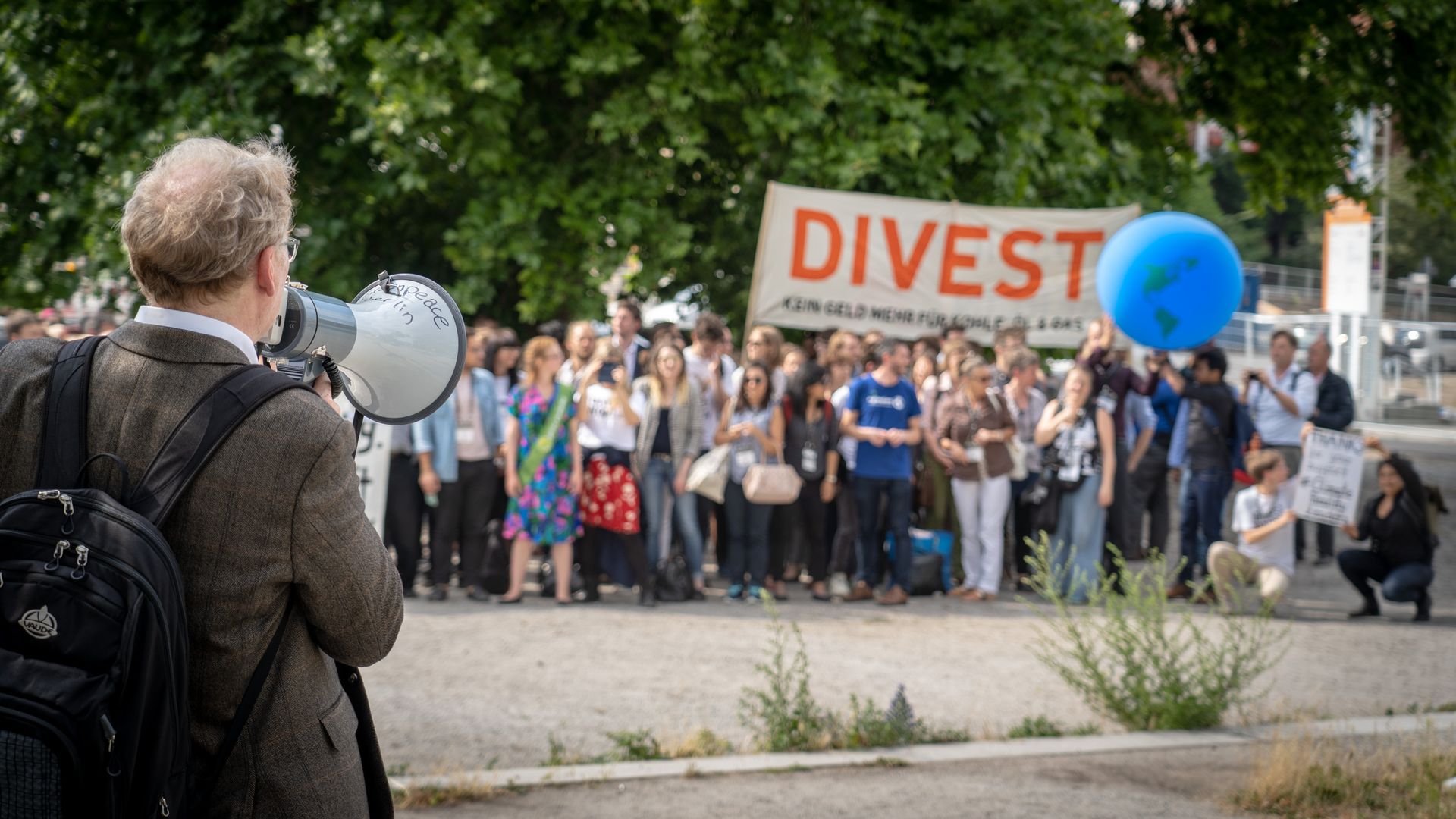
In 2015, Veolia announced that it was closing the sale of its activities in Israel, a move that was seen as a success for the BDS (Boycott Divestment and Sanctions) movement. This decision followed a worldwide campaign against Veolia's role in illegal Israeli settlements that cost the firm billions of dollars in lost contracts.
Veolia v Lithuania
Veolia v Lithuania is a case that highlights the complexities of international business and politics.
In 2017, Veolia, a French company, sued Lithuania in the Stockholm arbitration court for about 100 million euros in damages.
Veolia alleges that the Lithuanian government is involved in illegal conduct and that it expropriated Veolia's investments.
This is Veolia's second arbitration lawsuit against Lithuania, following a similar case in the Washington arbitration court in 2016.
Veolia's involvement with the Israeli government has also been a point of contention, with the Tower Hamlets London Borough Council voting to review its position with Veolia in 2011.
The council claimed that Veolia's work for the Israeli government assisted the "continued oppression of the Palestinian people".
Expand your knowledge: Bank of Lithuania
Flint Water Crisis
The Flint water crisis was a devastating event that highlighted the importance of accountability in public services.
On June 22, 2016, Michigan Attorney General Bill Schuette filed a lawsuit against Veolia North America and Lockwood, Andrews & Newnam, accusing them of professional negligence and public nuisance.
Veolia was also accused of fraud, which they strongly denied, calling the accusations "baseless" and "entirely unfounded".
City officials and representatives allegedly told Veolia to exclude lead and copper issues from their scope of work, despite Veolia's concerns about potential problems.
Corporate Information
Veolia Environmental Services is a global leader in environmental services. It was formed in 2003 through the merger of Compagnie Générale des Eaux and Vivendi Environment.
The company has a strong presence in over 75 countries, providing a wide range of services to both public and private customers. Veolia's expertise spans waste management, water treatment, and energy production.
Veolia's commitment to sustainability and environmental protection is reflected in its goal to reduce its customers' greenhouse gas emissions by 50% by 2030.
Discover more: Get to Know Your Customers Day
Financial Information
Veolia Environnement's financial situation has been a subject of concern in recent years. The company's shares were the worst performer on France's CAC 40 index in 2011, falling 60%.
In 2011, Veolia issued two profit warnings and announced plans to quit half of the 77 countries where it does business. This led to a €5 billion fire sale of assets.
The company's financial data shows a mixed picture. Consolidated revenue has been increasing, reaching €44,692 million in 2024. However, operating income has been fluctuating, ranging from €919.5 million in 2020 to €3,012 million in 2024.
Net income has also been increasing, reaching €1,530 million in 2024. Free cash-flow has been relatively stable, ranging from €507 million in 2020 to €1,156 million in 2024.
Veolia's financial debt has been increasing, reaching €17,819 million in 2024. The company has a significant number of institutional shareholders, with 48.8% of shares held by other institutional shareholders.
Here is a summary of Veolia's financial data:
Veolia's staff numbers have been relatively stable, ranging from 171,495 in 2018 to 215,041 in 2024.
Corporate Social Responsibility
The company's commitment to corporate social responsibility is evident in its diverse sustainable development activities. This is particularly important given its operations in three sectors that can have a huge impact on the environment.
The company has integrated its environmental, social, and societal performance commitments into its strategic plan. This shows a clear focus on long-term sustainability.
Its involvement in the implementation of the 17 UN SDGs is significant, with a direct impact on 13 of them. This highlights the company's dedication to making a positive difference in the world.
The company's sustainability efforts are furthered by its Foundation and Institute, which emphasize innovation and research. This suggests a proactive approach to finding solutions to environmental and social challenges.
Discover more: Dow Jones Sustainability World Index Djsi
Frequently Asked Questions
Who bought out Veolia?
Veolia was not bought out, but rather it made a takeover bid for Suez to create a global ecological champion. The bid aimed to combine Veolia's and Suez's assets to achieve a revenue of around €37 billion.
Featured Images: pexels.com