
The 2008-2010 automotive industry crisis was a global economic downturn that had a profound impact on the industry. Many car manufacturers and suppliers were forced to file for bankruptcy or received government bailouts.
The crisis was triggered by a combination of factors, including the US housing market bubble bursting and the subsequent global financial crisis. This led to a sharp decline in consumer spending and a significant drop in car sales.
The Big Three US automakers - General Motors, Ford, and Chrysler - were particularly hard hit, with their sales plummeting by over 30% in 2008. This led to a significant increase in inventory levels, which further exacerbated the crisis.
The crisis led to widespread job losses, with over 750,000 jobs lost in the US automotive industry alone.
Causes of the Crisis
The 2008-2010 automotive industry crisis was a perfect storm of factors that led to its downfall. The global financial crisis of 2008 was a major contributor, causing a significant decrease in consumer demand and a subsequent 18.1% drop in industry car sales to 13.2 million vehicles.
The rise in oil prices to above $4 per gallon in 2008 also played a role, as Americans stopped buying gas-guzzling SUVs and large pickups, which were a significant source of profit for the Big Three automakers. This led to a drop in sales and profitability for the industry.
The Big Three's reliance on SUVs and large pickups made them vulnerable to the shift in consumer behavior, and the 2008 financial crisis made it difficult for them to obtain credit to stay afloat. The instability of the job market and individual consumers' finances also discouraged people from taking on new loans and payments, further exacerbating the crisis.
The industry's annual capacity of 17 million cars was severely impacted, with sales dropping to an annual rate of only 10 million vehicles made in the U.S. and Canada in 2008. This had a ripple effect throughout the entire national manufacturing sector, which was tied to the automobile industry, with some 20% of the sector still dependent on it.
Here are some key statistics that highlight the severity of the crisis:
- 2008 industry car sales: 13.2 million vehicles (down 18.1% from previous year)
- Annual industry capacity: 17 million cars
- 2008 sales rate: 10 million vehicles (U.S. and Canada)
- Percentage of U.S. economic output accounted for by the industry: 2.3% (down from 3.1% in 2006)
Oil Price Shock

The oil price shock of 2008 was a significant contributor to the crisis faced by the Big Three automakers. Gasoline prices rose above $4 per gallon, causing Americans to stop buying large and profitable SUVs and pickups.
This shift in consumer behavior had a devastating impact on the Big Three's sales and profitability, with sales plummeting and profit margins shrinking. Manufacturers made 15% to 20% profit margin on an SUV, compared to 3% or less on a smaller, fuel-efficient car.
The financial crisis also played a role, as GM was unable to obtain credit to buy Chrysler, further exacerbating the problem. Consumer credit tightened, making it harder for people with average or poor credit to obtain a bank loan to buy a car.
Here's a rough breakdown of the impact of the oil price shock on the industry:
The instability of the job market and individual consumers' finances also discouraged consumers from taking on new loans and payments, affecting almost all major manufacturers. By December 19, 2008, oil prices had fallen to $33.87 per barrel, but the automobile crisis continued.
Intriguing read: Consumers Credit Union
Background

The global financial crisis of 2008 had a profound impact on the automotive industry. The global recession that followed led to a significant decrease in consumer demand, affecting business operations across the board.
Industry car sales plummeted by 18.1% to 13.2 million vehicles, a staggering decline that reflected the dire economic situation. The Ford Motor Company, in particular, was on the brink of financial distress in 2006, suffering a massive loss of $12.7 billion.
This was followed by another loss of $14.8 billion in 2008, a devastating blow that further eroded the company's financial stability. By the end of October 2008, the stock prices had plummeted to $1.01, down 87.5% from the previous year.
Regional Impact
The automotive industry crisis had a significant impact on various regions in 2008. Europe was one of the hardest hit areas, with car sales plummeting and governments considering financial support for the industry.
In Europe, particularly in France, Germany, and Italy, discussions took place about a common rescue package to be agreed by all EU member states. German Foreign Minister Frank-Walter Steinmeier and Jean-Claude Juncker, Luxembourg's Prime Minister and head of the Eurogroup, were key players in these talks.
The crisis also affected North America, with the CAR industry news highlighting the severity of the situation. The Auto Industry Financing and Restructuring Act was one of the measures implemented to address the crisis.
Here are some key events that occurred in North America during this time:
- GM closed plants in Wisconsin and Ohio.
- Thousands of jobs were threatened in the Swedish auto industry.
- The European auto industry was also in crisis.
China
China's automotive industry was significantly impacted by the economic downturn in 2008. In response, the Chinese government reduced automotive taxes to boost sales.
The government's move seemed to work, as Chinese auto-manufacturer Chery reported unprecedented monthly sales in January 2009. This was a notable achievement, especially considering the challenging economic conditions at the time.
China also played a significant role in the development of electric vehicles, with the introduction of the BYD F3 compact sedan's plug-in hybrid version in 2008. This was a groundbreaking moment, making it the world's first production model plug-in hybrid car.
The economic downturn also affected other industries, with Fuji Heavy Industries, Japan's largest transport equipment manufacturer, announcing its exit from the World Rally Championship in December 2008. This decision was made in response to the widespread economic downturn affecting the automotive industry.
Additional reading: Original Brand Manufacturer
Japan
Japan is home to over 127 million people, making it the 11th most populous country in the world.
The country has a highly developed economy, with a GDP of over $5 trillion, making it the third-largest in the world.
Japan is known for its unique culture, with a blend of traditional and modern influences.
The population of Japan is aging rapidly, with over 28% of the population being 65 or older.
The country is also home to many natural wonders, including Mount Fuji, which is the highest peak in Japan and a UNESCO World Heritage Site.
Japan's dense population and unique culture make it an interesting case study in regional impact.
Europe
In Europe, car sales had drastically decreased, prompting consideration for financial support to the automotive industry, particularly in France, Germany, and Italy.
German Foreign Minister Frank-Walter Steinmeier and Jean-Claude Juncker, Luxembourg's Prime Minister and head of the Eurogroup, discussed a common rescue package to be agreed by all EU member states.
The European automotive industry was facing a severe crisis, and governments were exploring options to provide financial support.
On November 24, 2008, French President Nicolas Sarkozy and German Chancellor Angela Merkel agreed to support the crisis-stricken automobile industry in France and Germany.
This move showed a commitment to the industry's survival and a desire to mitigate the economic impact of the crisis.
The European governments were working together to address the crisis, demonstrating a sense of unity and cooperation in the face of adversity.
United States
The auto industry crisis had a significant impact on the United States, with General Motors shares falling to their lowest price since the Great Depression in November 2008. This was due to the diminishing chances of a bailout.
The Big Three employees, parts-supplier employees, and car-dealer employees totaled approximately 1.6 million people. GM directly employs 123,000 in all of North America.
At the time, the auto industry employed approximately 3.1 million people in the United States, including those in related industries and after-market service businesses. This is a staggering number, and it's no wonder the industry's struggles had far-reaching consequences.
An estimated two million people relied on the industry for health care, and 775,000 retirees collect auto-industry pensions. This highlights the industry's importance to the overall economy and the lives of many Americans.
The auto industry's struggles also had a significant impact on jobs, with thousands of workers at risk of losing their positions. In North America, the industry employed a significant number of people, including those in manufacturing, repair operations, wholesale operations, dealer operations, and parts manufacturing.
Government Response
The government's response to the automotive crisis was a key factor in determining the fate of the Big Three automakers. The Brookings Institution advocated for a government-facilitated solution, where the Big Three's assets would be transferred or sold to other firms better able to deploy them.
President-elect Obama was concerned about providing too much aid to the industry, stating that he didn't want to see the auto industry disappear, but also didn't want to provide billions of dollars only to have the industry come back asking for more.
In an effort to provide a short-term infusion of capital, the Senate was divided on the issue, with Republican senators suggesting bankruptcy might be the best option, while Democrats insisted action needed to be taken quickly.
For your interest: Why Does Trump Want a Recession
Government Asset Sale

The Brookings Institution suggested that the government facilitate the sale of Big Three assets to other firms better able to utilize the plant and employee resources. This would involve a short-term infusion of capital with strict repayment rules to encourage the auto makers to sell off their assets.
The government's role in facilitating the sale of assets was seen as a constructive way to address the Big Three's financial struggles. The authors argued that the Big Three make automobiles that not enough Americans want to buy, which cannot be solved by a bankruptcy restructuring focused initially on cost-side considerations.
Industry experts and academics recommended various restructuring alternatives, including bankruptcy. Bankruptcy is a court-supervised method of reorganizing or shutting down a company.
The Senate rejected a bailout bill on December 11, losing 52-35 on a Senate procedural vote. This vote was a significant setback for the Big Three, which had been seeking financial assistance.
After the Senate's rejection of the bailout, the auto companies continued to explore alternative solutions. GM expressed its deep disappointment with the failure and said it would assess all of its options to continue its restructuring and obtain the means to weather the current economic crisis.
Curious to learn more? Check out: One Share, One Vote
Federal Government Process
The federal government played a significant role in the automotive crisis, with various proposals and actions taken to address the issue.
On November 19, 2008, the heads of Chrysler, Ford, and General Motors appeared before the United States Senate to request financial aid of $25 billion to avoid bankruptcy.
The Senate was divided on the issue, with Republican senators opposing the bailout and some even suggesting that bankruptcy might be the best option.
The Democratic senators, however, insisted that action needed to be taken quickly, with President-elect Obama also supporting a bailout.
Rick Wagoner, head of General Motors, estimated that there could be a loss of 3 million jobs within the first year if the auto industry failed.
The Democratic congressional party leaders, Nancy Pelosi and Harry Reid, sent a letter to the CEOs of the Big Three automakers calling for a "credible restructuring plan" by December 2, 2008.
The plan required significant sacrifices and major changes to the way of doing business, including transparent reporting to an oversight body and restrictions on executive pay.
On December 2, 2008, the Big Three submitted revised plans to Congress, which included more drastic measures such as lowering executive pay and reducing the number of brands.

The total amount of the bailout requested had now risen to $34 billion, with Chrysler needing $7 billion by the end of the month just to keep running.
In an interview on NBC's Meet The Press on December 7, 2008, President-elect Obama expressed concerns about providing billions of dollars to the auto industry without a clear plan for reform.
On December 9, 2008, negotiators revealed the terms of an emerging deal between the White House and Congress, which included a short-term $15 billion bailout for the Big Three.
The bill proposed the appointment of a 'car czar' to oversee automakers' restructuring efforts and restrictions on executive bonuses and golden parachute packages.
The federal loan would prevent General Motors from going into immediate bankruptcy, but required both companies to dramatically restructure their operations to demonstrate long-term viability.
On December 11, the Senate rejected the bailout bill, losing 52-35 on a Senate procedural vote.
The Obama administration ultimately abandoned the idea of a car czar, opting for joint Lawrence Summers/Timothy Geithner oversight of a possible second round of lending to the auto companies.
Take a look at this: How Much Money Has Us Given Israel since October 7
New Labor Agreements
The government's response to the economic downturn was a crucial factor in the company's success. New labor agreements were negotiated with unions, reducing labor costs and allowing for more flexibility.
This move made the company's manufacturing base more competitive. The agreements helped to streamline operations and improve productivity.
By reducing labor costs, the company was able to invest in new technologies and expand its operations. This strategic decision paid off in the long run, contributing to the company's growth and stability.
The new labor agreements also allowed for more flexibility in scheduling and production, enabling the company to adapt quickly to changing market conditions. This flexibility was a key factor in the company's ability to respond to the economic downturn.
For more insights, see: Exchange-rate Flexibility
Automotive Industry
The automotive industry was a massive employer in the United States, with approximately 3.1 million people working in auto-related industries and after-market service businesses in 2008. This included 1.6 million employees from the Big Three, parts suppliers, and car dealers.
The industry's impact was felt far beyond the factory floor, with an estimated two million people relying on it for healthcare and 775,000 retirees collecting auto-industry pensions. GM directly employed 123,000 people in North America, making it a significant contributor to the local economies.
Here's a breakdown of the industry's workforce in 2008, according to the U.S. Bureau of Labor Statistics:
- Parts manufacturing: 504,000
- Repair operations: 864,000
- Wholesale operations: 340,000
- Dealer operations: 1.2 million
- Manufacturing: 114,000
Industry Statistics
The automotive industry is a massive employer in the United States. At the time, the Big Three employees, parts-supplier employees, and car-dealer employees totaled approximately 1.6 million.
The industry's impact goes beyond just manufacturing and sales. All auto-related industries and after-market service businesses employed approximately 3.1 million people in the United States.
Let's break down the workers into segments. As of September 2008, the U.S. Bureau of Labor Statistics reported the following: 504,000 in parts manufacturing, 864,000 in repair operations, 340,000 in wholesale operations, 1.2 million in dealer operations, and 114,000 in manufacturing.
GM directly employs 123,000 people in all of North America. This number gives you an idea of the scale of the industry's workforce.
Approximately two million people relied on the industry for health care, highlighting the industry's broader social impact.
For more insights, see: Auto Parts Ecommerce Solution
General Motors
General Motors filed for Chapter 11 bankruptcy on June 1, 2009, after failing to negotiate deals with bond holders, marking the largest failure of an industrial company in US history.
The company's restructuring plan led to the closure of at least 20,000 US jobs and the idling of three more plants, with General Motors' chief executive Fritz Henderson appealing to customers to give the company another chance.
General Motors' losses for the final quarter of 2008 were $9.6 billion, bringing its overall 2008 losses to $30.9 billion, with the company conceding that it expected auditors to question its future viability.
The US government owned 60% of General Motors, with the Canadian government owning 12.5%, making it largely a nationalized institution at the time of its bankruptcy filing.
General Motors had previously announced that it would close nine more plants, in addition to the three that would be idled, as part of its restructuring efforts.
Worth a look: List of Trading Losses
Edward E. Whitacre Jr., the new chairman of GM, said in a June 9, 2009 interview that he didn't know much about cars but was willing to learn, and he resigned a year later.
The company's senior management was criticized for its handling of the crisis, with many calling for their removal as part of the bailout.
General Motors would invest $1 billion of bailout money in Brazil, as part of its efforts to transform the company and regain focus on core brands.
Bill Ford appointed Alan Mulally as CEO, who brought about strategic, structural, and operational shifts within the organization, including a shift away from pickups and SUVs.
Management Inefficiencies
Management Inefficiencies played a significant role in Ford's struggles. The company had a slow and bureaucratic decision-making process, which hampered its ability to respond quickly to competitive threats.
This slow decision-making process was a major issue, causing Ford to fall behind its competitors. The presence of silos within the company also resulted in a lack of collaboration, with managers focusing on their individual departments rather than prioritizing corporate goals.
Readers also liked: Why Is At&t so Slow
Years of success and market dominance had bred complacency and risk aversion, dulling Ford's drive for continuous improvement and cost discipline. The cost structure inflated over many years due to managers' lack of discipline in controlling costs.
Here are some key management inefficiencies that contributed to Ford's struggles:
- The company had a slow and bureaucratic decision-making process.
- The presence of silos resulted in a lack of collaboration.
- The cost structure inflated over many years due to lack of cost discipline.
These issues led to lower profit margins compared to competitors and made it difficult for Ford to adapt to changing market conditions.
Financial Impact
The financial impact of the 2008-2010 automotive industry crisis was significant. General Motors shares plummeted to their lowest price since the Great Depression on November 20.
Ford shares also took a drastic hit, but began to recover once rumors of bipartisan progress on a bailout started to circulate. This shows how quickly the market can respond to news of potential government intervention.
The global financial crisis of 2008 added fuel to the fire, affecting business operations as consumer demand decreased significantly. Overall industry car sales plummeted by 18.1% to 13.2 million vehicles.
Bond ratings were also downgraded, with Fitch Ratings downgrading General Motors and Chrysler's Issuer Default Rating to "C" on December 19, 2008. This indicated that default was imminent.
The downgrades continued, with Standard & Poor's and Moody's Investors Service cutting General Motors and Ford's debt further below investment status.
Hourly Compensation
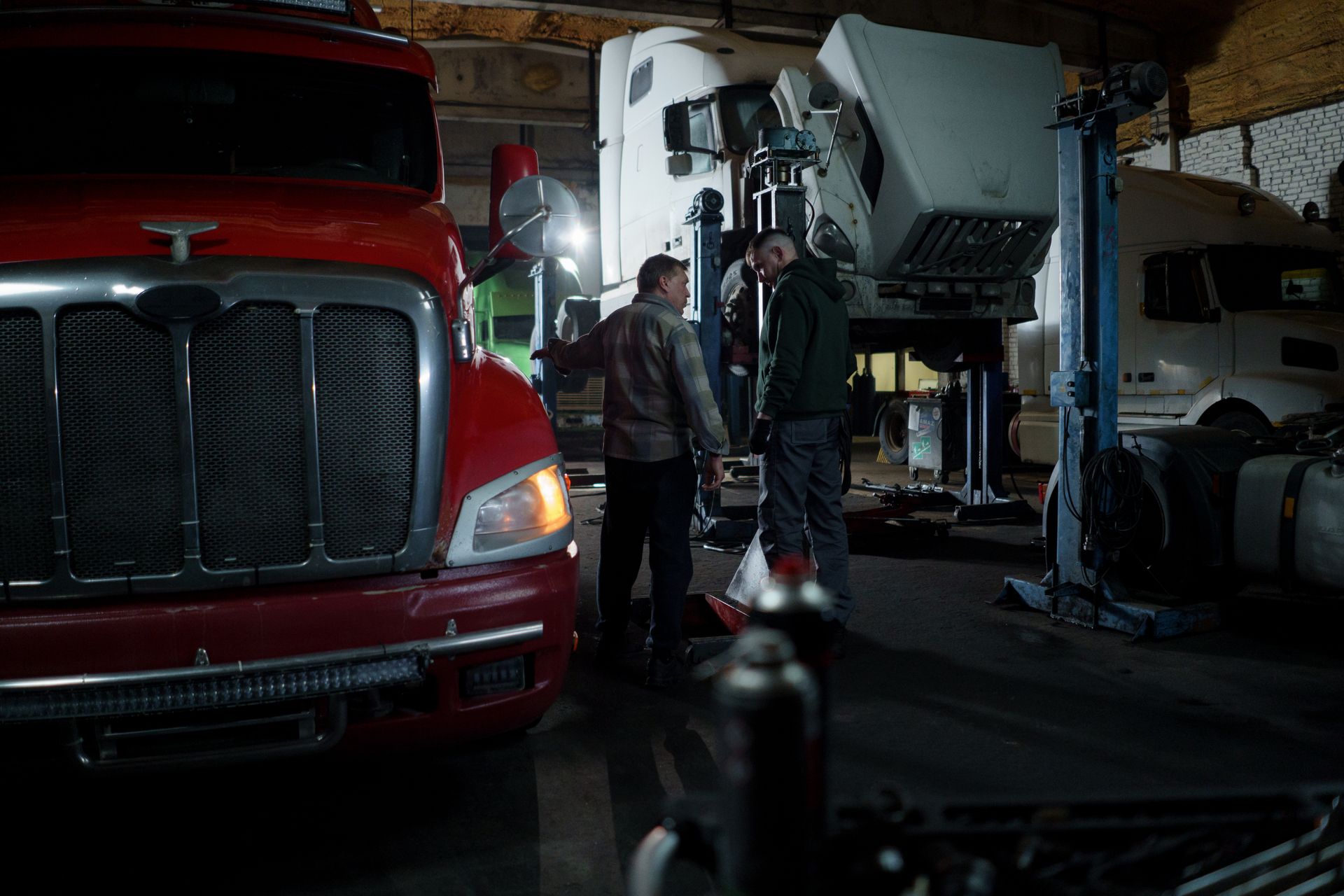
The hourly compensation for workers in the automotive industry is a complex issue, with different numbers being thrown around by various experts. Gary Burtless of the Brookings Institution argued that the basic hourly wage received by a UAW worker in a Big Three plant is close to that received by a Toyota or Honda worker in a U.S. plant.
The UAW-negotiated wage was roughly $28 an hour in 2007, with new workers earning lower wages at $14 an hour and senior workers making more money. Dan Ikenson of the Cato Institute computed that total compensation is the cost of labor to companies, and for GM it is about $73 per hour and for Toyota about $48.
This cost differential is huge, with Ikenson stating that the average cost differential between the Big Three and all the foreign nameplate companies is about $30 per hour. Andrew Sorkin of The New York Times indicated that GM and Chrysler pay $10–20 more per hour than transplants, a claim disputed by David Cole of the Center for Automotive Research.
The average annual wages for production workers at the Big Three were $67,480 in 2007, and $81,940 for skilled workers.
Broaden your view: Wage Garnishment for Medical Bills
The Financial Crisis
The global financial crisis of 2008 added fuel to the fire, affecting business operations as consumer demand decreased significantly.
Industry car sales plummeted by 18.1% to 13.2 million vehicles, making it a tough time for the Big Three U.S. automakers.
GM shares fell to the lowest price since the Great Depression as the chances of a bail-out diminished, but once rumors of bipartisan progress on a bailout began to circle, share prices recovered.
The Detroit News published a story in 2005 on how the Big Three U.S. automakers paid more than 12,000 idled employees their full salary and benefits in "jobs bank" programs, established in the 1984 UAW labor contracts.
As a result, the U.S. automakers are contractually obligated to pay 85–95 percent of union wages and benefits to members of the United Auto Workers union who aren't working – even if their plants have been closed.
GM was carrying a $43 billion debt burden, with nearly $3 billion per year in interest costs, which would be substantially reduced if bondholders swapped stakes for common stock (equity).
Additional reading: U. S. Steel Košice, S.r.o.
Bondholders of both Chrysler and GM rejected the debt swap offers, complaining of unequal treatment compared to the UAW, citing that their outstanding debt was more than double that of the UAW's health care trust.
On December 19, 2008, Fitch Ratings downgraded the Issuer Default Rating of General Motors and Chrysler to "C", indicating "default is imminent".
The financial crisis led to a significant decline in the bond ratings of General Motors and Ford, with their debt being cut further below investment status by Standard & Poor's and Moody's Investors Service.
Here is a list of the major events that led to the financial crisis:
- The global financial crisis of 2008 added fuel to the fire.
- Industry car sales plummeted by 18.1% to 13.2 million vehicles.
- GM shares fell to the lowest price since the Great Depression.
- Bondholders of both Chrysler and GM rejected the debt swap offers.
- Fitch Ratings downgraded the Issuer Default Rating of General Motors and Chrysler to "C".
Financial Ties Between Big Three and Congress
The Big Three automakers have significant financial ties to Congress, which can influence the outcome of bailout negotiations. The Big Three spent almost $50 million to lobby Congress during the first nine months of 2008.
Senator Carl Levin received $438,304 over 30 years, or $14,610 a year, from the Big Three. House member John Dingell received nearly $1 million over his 54 years in Congress, or $18,518 a year.
Broaden your view: Congress Trading Stocks
House member Joe Knollenberg received $879,327 over only 16 years in office, or $54,957 a year. Dingell's wife Debbie used to work as a lobbyist for General Motors.
The Big Three also have personal financial ties to Congress, such as House member John Dingell owning GM stock worth up to $350,000, GM stock options worth up to $1 million more, and a GM pension fund.
Worth a look: Masshealth Member Services
Amount of Investment
The amount of investment made by the U.S. government in the bailout was significant, with a February 18, 2009 CNN article estimating a cost of $130 billion to taxpayers.
As of early June 2009, the Bush and Obama administrations had invested $80.3 billion, showing a notable reduction from the initial estimate.
General Motors was one of the companies that received bailout money, which it later repaid, with Chrysler repaying the last of the money to the U.S. and Canadian treasuries on May 24, 2011, several years ahead of schedule.
The bailout also enabled General Motors to invest in other areas, such as Brazil, where it invested $1 billion, as mentioned in a February 2, 2009 article in the Latin American Herald Tribune.
Take a look at this: Amazon Discontinues Pc Downloads of Kindle Books after February 2025
Restructuring Process Alternatives
The 2008-2010 automotive industry crisis was a complex and multifaceted issue, with various restructuring process alternatives being considered. Industry experts, academics, and media outlets made a variety of recommendations, including bankruptcy.
Bankruptcy was a contentious issue, with some arguing that it would allow the industry to become more competitive and sustainable. For example, economist Jeffrey Sachs advocated for a government and private industry partnership to transform the automotive industry, creating a "high mileage vehicle economy" based on hybrid and fuel cell cars.
Others, like former Massachusetts governor Mitt Romney, believed that bankruptcy was a more efficient way to resolve the industry's problems, rather than a government bailout. Romney favored bankruptcy rather than government aid, though he had favored the Troubled Asset Relief Program (TARP) as a whole.
In the end, Ford took a different approach, appointing Alan Mulally as CEO and implementing the "One Ford Plan", which included aggressive restructuring, closing manufacturing plants, and laying off approximately 30,000 workers.
Related reading: Scrip Issue
Here are some of the key bankruptcy alternatives that were considered:
- Chapter 11 bankruptcy: allows a corporation to reorganize and renegotiate contracts, but may not be feasible due to consumer skepticism about purchasing cars from a bankrupt automaker.
- Chapter 7 bankruptcy: used to shut down and liquidate an enterprise, with the proceeds going to the debt holders.
The outcome of these restructuring efforts ultimately led to a remarkable financial turnaround for Ford, with the company posting a profit of approximately $2.6 billion for 2009, up from a $14 billion loss in 2008.
Challenges and Lessons
Internal conflicts and misalignment of strategy can destroy any organization, as we saw in the automotive industry crisis. This can be devastating, regardless of the economic environment.
Changing customer preferences can disrupt entire industries, and it's crucial to understand what customers need and align product offerings accordingly. The industry's failure to adapt to shifting consumer demands contributed to the crisis.
Turnarounds can be executed in recessions if problems and challenges are strategically addressed. It's never too late to make changes and get back on track.
Mergers and acquisitions should align with a company's vision, or you may end up acquiring businesses that don't align with your core values and strengths. This can lead to wasted resources and lost opportunities.
Alignment of interests between business managers and corporate goals is key to achieving efficiencies and business goals. This ensures everyone is working towards the same objectives.
Innovation, whether in product development or quality enhancement, can rejuvenate consumer interest in a product and keep a company on a path of continuous growth. This can be a game-changer during times of crisis.
A recession or challenging business environment is a good time for strategic planning, allowing corrective actions and positioning the organization to capitalize on economic recovery.
Frequently Asked Questions
What was Ford's financial crisis in 2008?
Ford suffered a significant financial crisis in 2008, incurring a $14.8 billion loss and seeing its stock price plummet to $1.01 by October 2008. This marked a devastating 87.5% decline from 2005, leaving the company on shaky ground.
What was the main reason the US automotive industry survived the financial crisis of 2008?
The US automotive industry survived the 2008 financial crisis due to government loans, particularly $80 billion under TARP. This financial aid enabled companies like GM and Chrysler to restructure and avoid bankruptcy.
Featured Images: pexels.com