Qatar's economy is driven by its strategic location in the Middle East, which has enabled it to become a major hub for international trade and commerce. Its natural gas reserves are the third-largest in the world, providing a significant source of revenue.
The country's decision to invest heavily in infrastructure has paid off, with a state-of-the-art transportation system and world-class facilities. This has made it an attractive destination for businesses and tourists alike.
Qatar's business-friendly environment, with minimal bureaucracy and a favorable tax regime, has attracted a large number of multinational corporations.
Natural Resources
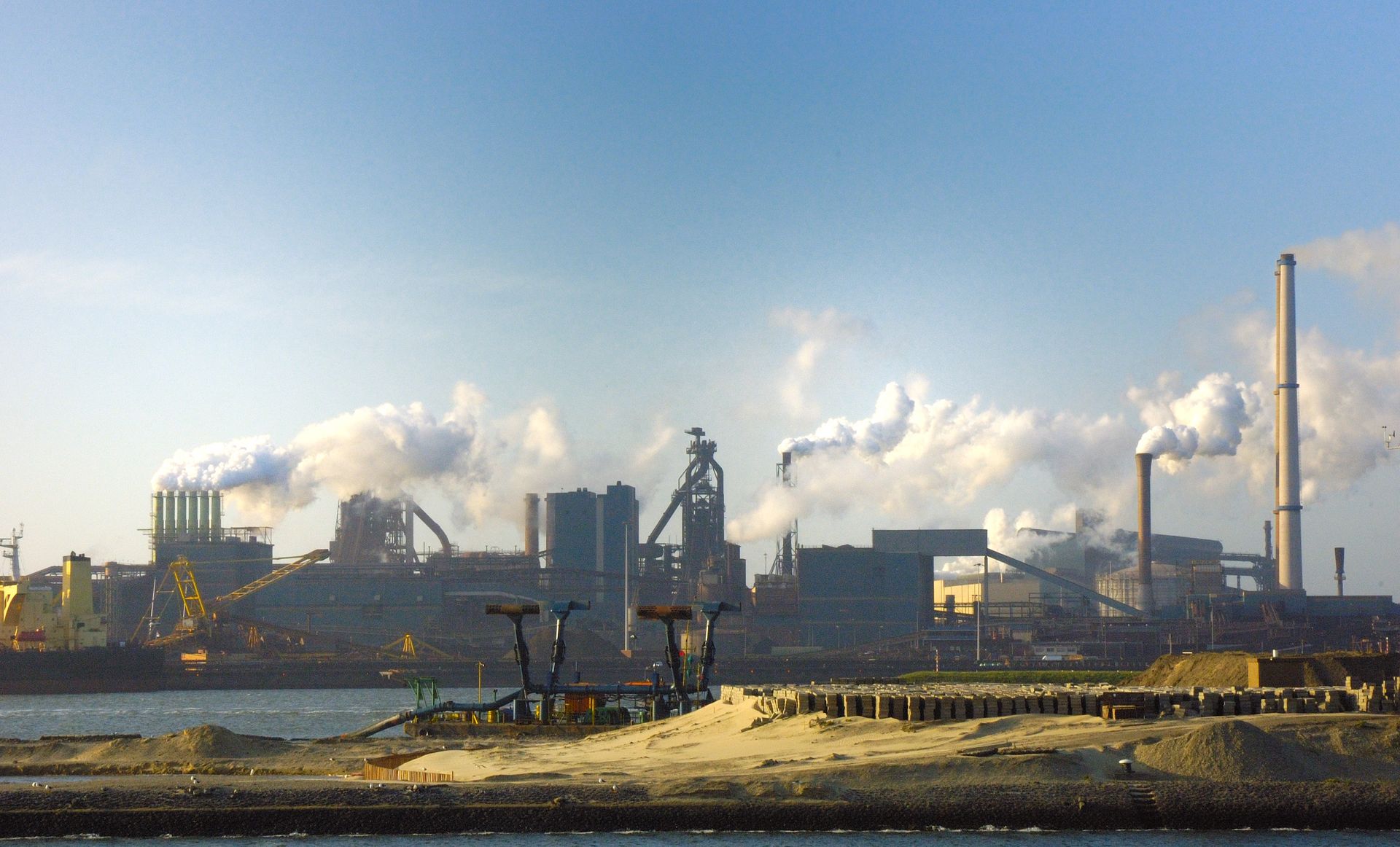
Qatar possesses enormous deposits of natural gas, with the offshore North Field being one of the largest gas fields in the world.
The country's petroleum reserves are modest by regional standards, but Qatar has made significant efforts to develop its natural gas resources in recent decades.
Qatar's natural gas reserves are vast, with the North Field holding approximately 900 trillion cubic feet of recoverable natural gas.
This is about 13% of the world's total natural gas reserves, making Qatar home to the world's third-largest natural gas reserves.
Qatar's state-owned energy company, QatarEnergy, is the world's largest producer of liquefied natural gas (LNG), accounting for approximately 30% of the global LNG market.
Qatar has invested heavily in liquefied natural gas (LNG) infrastructure, enabling it to export gas to markets around the world, especially in Asia and Europe.
The country's natural gas industry has become the main driver of Qatar's economy, surpassing oil production in terms of revenue and GDP.
Qatar has the cheapest cost of extraction and liquefaction than any other country in the world, allowing it to make a profit even at low prices.
Most of Qatar's natural gas is exported to Asian economies like Japan, South Korea, and China.
Economic Factors
Qatar's economic success can be attributed to its strategic use of natural resources, particularly oil and gas. The country's GDP is boosted by billions of dollars in annual revenues from natural gas exports.
Qatar's economy has been transformed over the past three decades, with the country ranking 13th in the world in oil reserves and holding 12% of the world's gas reserves. This wealth has enabled the government to fund massive infrastructure projects, diversify the economy, and invest globally.
The prudent exploitation of oil and gas deposits has allowed Qatar to earn billions of dollars a year, making it one of the world's largest exporters of both oil and gas. Oil has always been less prevalent in Qatar, with gas being the primary natural resource.
The revenues generated from natural gas exports have had a transformative impact on Qatar's economy, allowing the government to support social programs, develop world-class healthcare and education systems, and maintain a high standard of living for its citizens.
Here are some key statistics that highlight Qatar's economic success:
- Qatar ranks 13th in the world in oil reserves, with a share of 1.6% of global reserves.
- Qatar holds 12% of the world's gas reserves, making it the third-largest holder after Russia and Iran.
- The LNG industry generates billions of dollars annually, allowing Qatar to fund massive infrastructure projects, diversify its economy, and invest globally.
Qatar's small size and population do not hinder its economic growth, as it has been able to achieve a high GDP per capita of $127,600, making it the richest country in the world.
Industry and Trade
Qatar's economy is heavily reliant on its natural resources, with oil and natural gas being the primary drivers of its growth. The country's strategic location on the Persian Gulf has made it an ideal hub for trade, with top import sources including the United States, China, Germany, Japan, and the United Arab Emirates.
The majority of Qatar's exports are in the form of petroleum and petroleum products, with Japan and South Korea being the largest recipients. In fact, Japan receives the largest proportion of Qatar's exports, with South Korea coming in second. This is largely due to the country's vast reserves of natural gas, which have been used to develop a strong liquefied natural gas (LNG) industry.
Qatar has also made significant strides in manufacturing, with the sector comprising large firms of mixed state and foreign private ownership. The country's abundance of cheap energy has made it an attractive location for manufacturing, with industries such as flour milling and cement production being undertaken. However, the country's reliance on hydrocarbon resources has also tied its economic growth to the global demand for oil and gas.
A unique perspective: Forbes South Africa Rich List
The country's economic success can be attributed to the prudent exploitation of its natural resources, particularly oil and gas. In fact, Qatar ranks 13th in the world in oil reserves, with a share of 1.6% of global reserves. However, it holds a significant 12% of the world's gas reserves, making it the third-largest holder after Russia and Iran.
Here is a breakdown of Qatar's top export destinations:
- Japan: Receives the largest proportion of Qatar's exports, largely in the form of petroleum and petroleum products.
- South Korea: Receives a significant proportion of Qatar's exports, also primarily in the form of petroleum and petroleum products.
- China: A major import source for Qatar, with the country also being one of its key export destinations.
- India: Another significant export destination for Qatar, with the country also being an important source of imports.
Infrastructure and Development
Qatar's infrastructure has undergone a remarkable transformation, making it a modern and cosmopolitan hub.
The country's leadership has invested heavily in infrastructure, technology, and education to create a knowledge-based economy. This has positioned Qatar as a major player in global finance, real estate, sports, and tourism.
Hamad International Airport is a state-of-the-art transportation hub that serves travelers between Europe, Asia, and the Middle East. It's home to Qatar Airways, one of the world's leading airlines.
Qatar Rail is a modern metro and rail system that connects key areas of the capital, Doha, enhancing the country's overall transportation infrastructure.
Lusail City is a new planned city near Doha, designed to accommodate over 200,000 people. It features luxury residences, commercial districts, and entertainment venues.
These infrastructure projects not only support economic growth but also attract foreign investment and tourism, playing key roles in diversifying the economy.
Here are some key infrastructure projects that have contributed to Qatar's development:
- Hamad International Airport: A state-of-the-art airport that serves as a major transportation hub.
- Qatar Rail: The development of a modern metro and rail system.
- Lusail City: A new planned city near Doha, designed to accommodate over 200,000 people.
Finance and Influence
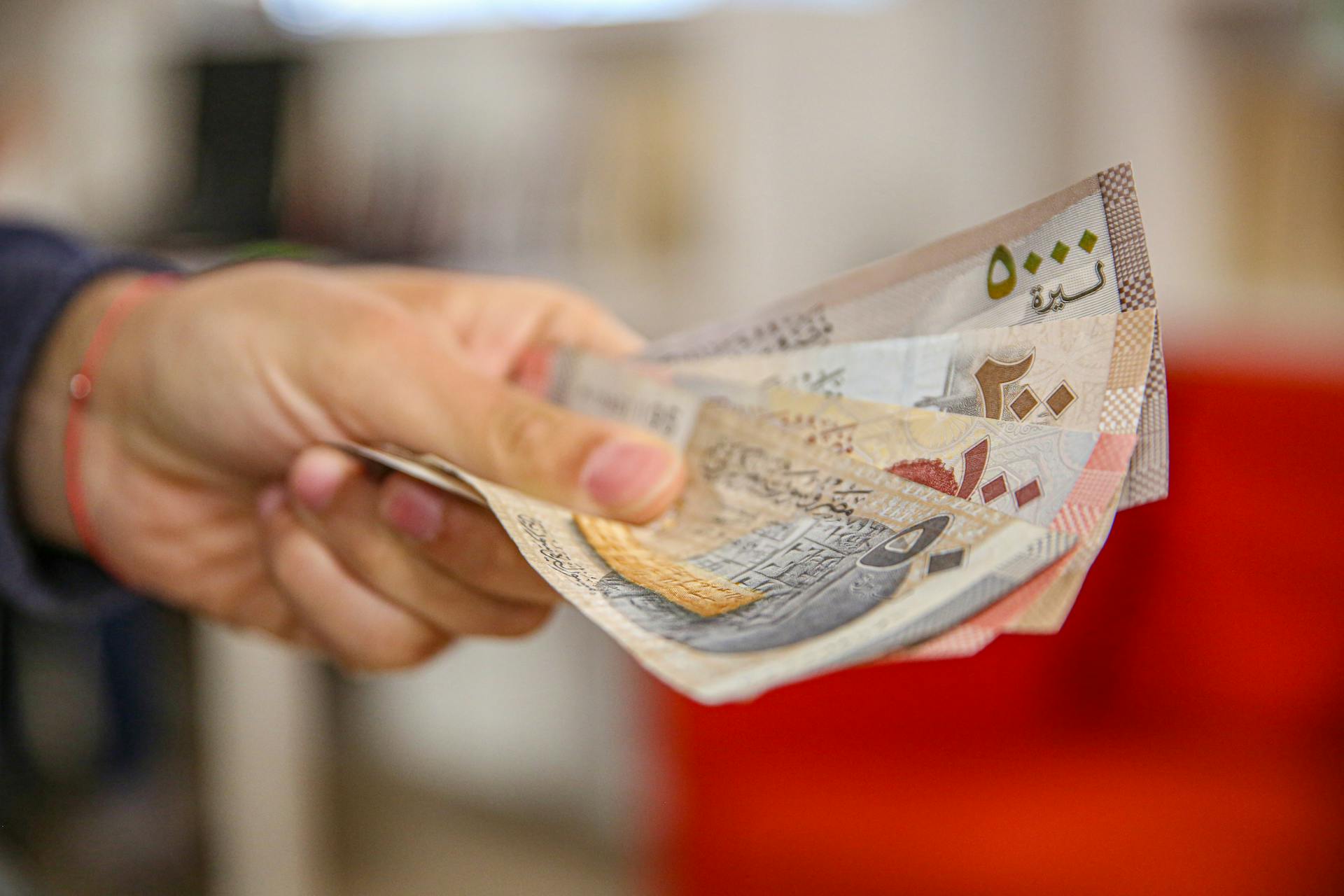
Qatar's finance sector has come a long way since its founding in 1993, with the Qatar Central Bank providing banking functions for the state and issuing the Qatari rial, the national currency.
Domestic banks, including commercial, development, and Islamic banks, operate alongside licensed foreign banks, taking advantage of Qatar's generous foreign aid disbursements to other Arab and Islamic countries.
The Doha Stock Exchange began operations in 1997, further solidifying Qatar's financial presence.
Qatar's sovereign wealth fund, the Qatar Investment Authority (QIA), manages assets worth over $450 billion, making it one of the largest sovereign wealth funds in the world.
For your interest: List of Banks in Qatar
The QIA has invested in a diversified portfolio of global assets, including real estate, stocks, bonds, and technology companies, such as Harrods, The Shard, Volkswagen, Barclays, Credit Suisse, and Paris Saint-Germain.
These investments have helped diversify Qatar's income streams, reducing its reliance on natural gas revenues and ensuring long-term financial stability.
Finance
Qatar's financial system is quite impressive, with the Qatar Central Bank providing banking functions for the state and issuing the national currency, the Qatari rial.
The country has a well-regulated banking system, with both domestic and foreign banks operating in Qatar. Domestic banks include commercial, development, and Islamic banks, which are bound by strict religious rules governing transactions.
Qatar has been generous with its foreign aid disbursements, particularly to other Arab and Islamic countries. This shows the country's commitment to supporting its neighbors and contributing to regional development.
The Doha Stock Exchange began operations in 1997, providing a platform for companies to raise capital and investors to buy and sell securities. This is a key aspect of Qatar's financial infrastructure.
A fresh viewpoint: Qatar Development Bank
Qatar's sovereign wealth fund, the Qatar Investment Authority (QIA), manages assets worth over $450 billion. This makes it one of the largest sovereign wealth funds in the world.
The QIA's investments are diversified across various sectors, including real estate, stocks, bonds, and technology companies. Some notable investments include stakes in Harrods, The Shard, Volkswagen, Barclays, and Credit Suisse.
Here are some key statistics about Qatar's wealth and economy:
- Qatar's GDP is approximately $270 billion per year.
- GDP per capita is a key indicator of a country's wealth, and Qatar consistently ranks in the top ten richest countries in the world.
- The country's GDP per capita is significantly higher than its ranking in terms of total GDP, which is 65th in the world.
Qatar's strategic investment in sovereign wealth has helped to diversify its income streams and reduce its reliance on natural gas revenues. This has ensured long-term financial stability for the country.
Qatar's Sovereign Wealth
Qatar's Sovereign Wealth is a key factor in the country's economic success. The Qatar Investment Authority (QIA) was established in 2005 to manage the country's wealth by investing in a diversified portfolio of global assets.
The QIA is estimated to manage assets worth over $450 billion, making it one of the largest sovereign wealth funds in the world. This fund has acquired stakes in several prominent global companies, including Harrods, The Shard, Volkswagen, Barclays, and Credit Suisse.
Qatar's strategic investment in sovereign wealth has helped to diversify its income streams, reducing its reliance on natural gas revenues and ensuring long-term financial stability. By investing in various industries and sectors across the globe, Qatar is able to generate returns that contribute to the country's wealth.
The QIA's success can be seen in the fact that it has obtained $335 billion in assets from the rest of the world since its formation in 2005. This has helped to solidify Qatar's position as one of the wealthiest countries in the world.
Here are some of the key investments made by the QIA:
- Harrods (the iconic London department store)
- The Shard (London's tallest skyscraper)
- Volkswagen, Barclays, and Credit Suisse
- Paris Saint-Germain (PSG) (the French football club)
These investments demonstrate Qatar's commitment to diversifying its economy and reducing its reliance on natural gas revenues. By investing in various industries and sectors, Qatar is able to generate returns that contribute to the country's wealth and ensure long-term financial stability.
Qatar Global Influence
Qatar's global influence has grown significantly as its economy has become richer and larger. This has raised concerns among neighboring middle eastern economies such as Saudi Arabia and UAE.
The new emir of Qatar had a goal of gaining global influence when he reached power. He saw an opportunity to do so by presenting Qatar as a new destination for US troops.
In 2003, Saudi Arabia asked the US to remove its troops, and Qatar stepped in, spending over a billion dollars to build a military base. This move made Qatar feel more secure about its nation's security.
Qatar's economic growth has continued despite being hit with sanctions in 2016 by Saudi Arabia, Bahrain, Egypt, and the UAE. These sanctions were due to allegations of Qatar's support for terrorist organizations, but they failed to slow down Qatar's economic growth.
Related reading: Saudi Arabia Oil Money
Tourism and Sports
Qatar's tourism sector is a crucial part of its National Vision 2030 plan to reduce dependence on energy revenues. The government has focused on developing luxury tourism, with new hotels, resorts, and entertainment venues being built to attract high-end travelers.
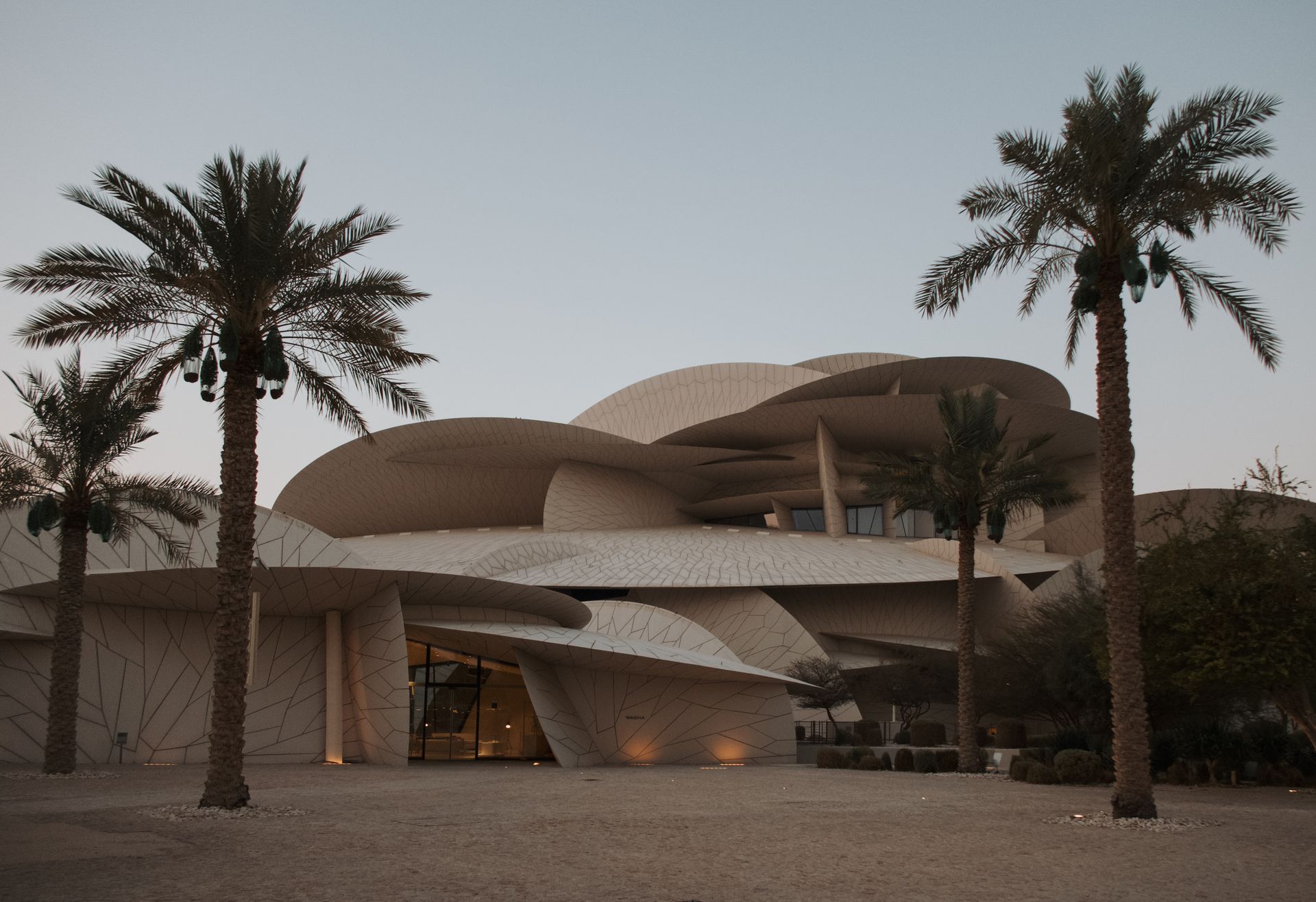
Some notable tourist developments include the Museum of Islamic Art, a world-class museum showcasing one of the largest collections of Islamic art, and the Pearl-Qatar, a luxury artificial island development offering upscale shopping, dining, and marina facilities.
The Museum of Islamic Art is designed by the renowned architect I.M. Pei and features a stunning collection of Islamic art from around the world.
Katara Cultural Village is another significant cultural complex, featuring theaters, galleries, and performance spaces designed to promote Qatar’s rich heritage and culture.
Qatar is also working to leverage its natural attractions, such as the inland sea (Khor Al Adaid), a UNESCO-recognized desert landscape, to boost eco-tourism.
The country has made major investments in sports infrastructure and events, establishing itself as a key player on the global sports stage. The most notable event is Qatar’s successful bid to host the FIFA World Cup 2022.
Qatar hosts numerous other international sporting events, including MotoGP races at the Losail International Circuit, tennis tournaments like the Qatar Open, and golf tournaments, including the Commercial Bank Qatar Masters.
These investments in sports have not only increased global awareness of Qatar but also brought in significant tourism revenue, further diversifying the economy.
Intriguing read: International Bank of Qatar
Qatar's Unique Position
Qatar is a small country, ranking 155th in the world by land area, with an area of about 11 thousand square kilometers. Its population is 2.6-2.8 million people, putting it at 139th place globally.
Despite its small size, Qatar has a GDP of about $270 billion per year, which may not seem impressive at first, but its GDP per capita is a different story. Qatar consistently ranks in the top ten richest countries in the world, and in recent years, it's even been in the top five.
The country's GDP per capita is influenced by the purchasing power parity (PPP) of its currency, which takes into account the prices of goods and services within the country. This is where Qatar shines, with a strong economy that allows its citizens to enjoy a high standard of living.
Qatar's GDP PPP per capita is a more accurate reflection of its wealth, and it has consistently ranked in the top three richest countries for the past 10 years. In fact, it regularly takes first place in this ranking.
Here's a comparison of Qatar's GDP and GDP PPP per capita with other countries:
Note that GDP PPP per capita is a more accurate measure of a country's wealth, as it takes into account the prices of goods and services within the country.
Qatar's unique position in the world is a result of its strategic investment in sovereign wealth and its prudent exploitation of its natural resources. The country's GDP PPP per capita is a testament to its economic success and its ability to provide a high standard of living for its citizens.
Frequently Asked Questions
Are there poor Qatari citizens?
Yes, a small percentage of Qatari households are considered to be relatively poor, with 6.4% of households falling below the national poverty line. Despite this, Qatar's overall poverty rate remains low compared to other countries in the region.
Featured Images: pexels.com