
Background checks can be a frustrating and time-consuming process, especially if you're waiting to hear back from a potential employer. One of the main reasons for delays is the complexity of the process itself.
In most cases, background checks involve multiple checks, including a review of your credit history, employment verification, and criminal record. This can take several weeks or even months to complete.
Delays can also be caused by incomplete or inaccurate information on your part, which can lead to additional verification steps. Make sure you're providing all necessary documents and information to avoid this issue.
If you're experiencing delays, it's a good idea to follow up with the screening company or employer to ask about the status of your background check.
Curious to learn more? Check out: E Verify Employment Verification Check
Reasons for Delay
Delays in background checks can be frustrating, but there are many reasons why they happen. Sometimes, it's not the fault of the background checking service. Delays can occur due to third-party failings entirely out of the screener's control.
Other organizations may simply move at a much slower pace, causing delays. Even slight differences can accumulate over time to create a significant delay. It's a domino effect, and it's mostly out of the control of both the employer and screener alike.
Incorrect and inaccurate information can also cause delays. This can be due to the candidate providing incomplete or inaccurate information, or even small mistakes like a misspelled name or wrong social security number. Even small mistakes can cause significant delays in processing.
Discrepancies or red flags can also cause delays. When discrepancies or potential issues are identified in a background check, additional time may be required to investigate and resolve these discrepancies.
Some background checks, especially those involving criminal history, may be subject to legal or regulatory requirements that vary by jurisdiction. These requirements can add time to the process, especially if there are delays in obtaining records.
Court records can also be a cause of delay. Accessing court records for criminal background checks in specific jurisdictions may be delayed by court staffing or other issues.
Manual checks can also cause delays. Not all records are digitized, especially in smaller towns or counties. If a court or an institution has not transitioned to digital records, the background check company might need to rely on manual processes, like physical visits to courthouses, to retrieve the necessary information.
Recommended read: Can I Be Fired for Not Signing an Arbitration Agreement
Here are the top 10 reasons employee background checks get delayed:
- Candidate Accuracy and Cooperation: If the candidate provides incomplete or inaccurate information, it can lead to delays as the background check provider may need to verify or clarify the details.
- Verification Process: Certain checks, like employment and education verification, may require contacting past employers or educational institutions. Delays can occur if these entities are slow to respond or if the information is not readily available.
- Discrepancies or Red Flags: When discrepancies or potential issues are identified in a background check, additional time may be required to investigate and resolve these discrepancies.
- Legal or Regulatory Requirements: Some background checks, especially those involving criminal history, may be subject to legal or regulatory requirements that vary by jurisdiction.
- Provider-related Issues: During peak hiring seasons, background check providers may experience high volumes of requests, leading to longer processing times.
- International Checks: Conducting background checks on candidates with international backgrounds often takes longer due to the need to coordinate with foreign entities and access international databases.
- Court Records: Accessing court records for criminal background checks in specific jurisdictions may be delayed by court staffing or other issues.
- Manual Checks: Some checks, especially in regions where comprehensive databases are not readily available, may involve manual verification processes, like contacting individuals or institutions by phone or email.
- Additional Checks: Some employers may require additional information, such as credit checks, reference verifications, or social media screening, which can add to the overall timeline.
- Custom Requirements: If an employer has unique requirements for a background check, it may take longer to complete the check based on these custom criteria.
Regulatory Factors
Regulatory Factors play a significant role in background check delays. State regulations vary, requiring background screening services to navigate different policies with caution and care.
Some states have more restrictions on data availability, which can slow down the retrieval process. For example, some states don't allow background check companies to request records for bankruptcies or criminal convictions older than seven years.
State regulations can either facilitate faster screenings or result in delays, depending on the state and country involved. Certain states or countries may have more stringent privacy laws or slower bureaucratic processes, leading to extended wait times.
Check this out: Employment Equality (Age) Regulations 2006
Differing State Regulations
State regulations can significantly impact the background check process. Some states have more restrictions on how readily available an individual's data is, which can delay the retrieval process.
Background screening services must navigate different policies with caution and care to avoid violating state regulations. This diligence required delays the process, but it's a necessary delay.
Intriguing read: State Unemployment Tax Rates by State

State regulations can have a positive or negative effect on your background screening, depending on the state in which your job will take place and the state in which your background check company operates. Some states facilitate much faster screenings, while others often result in background check delays.
Certain states or countries may have more stringent privacy laws or slower bureaucratic processes, leading to extended wait times. If your background check involves multiple states or countries, it can add complexity and slow down the process.
Here are some examples of varying state regulations:
Some states don't allow background check companies to request records for bankruptcies or criminal convictions of longer than seven years prior to the date of the background check. Other states allow criminal convictions to remain on candidate records indefinitely.
Check this out: Employment Discrimination Law in the United States
County Court Delays
County Court Delays can be a major obstacle in the background check process. These delays can occur due to various reasons, such as court outages, staffing issues, or backlog challenges. For instance, a lack of staffing can cause a county court or clerk's office to be inefficient, resulting in delays.
Court outages can happen for various reasons, including federal holidays or lack of staff. Staffing issues are also a common cause of delays, as seen in Example 3.
Backlog challenges can occur during seasonal hiring spikes or major national events, like the COVID-19 pandemic. This resulted in a background check backlog that had to be worked through in the weeks and months following the pandemic.
Some examples of delays caused by county court issues include:
- Court outages: This happens when the courts are closed for federal holidays, there's a lack of staffing, etc.
- Staffing issues: If a county court or clerk's office doesn’t have enough staff to run the place efficiently, it may be some time before they can provide a background check agency with the necessary records
- Backlog challenges: These are more common during seasonal hiring spikes or major national events
What Is a Federal Take?
A Federal background check is a detailed and comprehensive search required for most Federal jobs. It involves a thorough investigation of an individual's past, including their employment history, education, and any potential criminal offenses.
Standard Federal background checks can be completed in as little as 4 to 7 business days. This is because these checks are typically less complex and involve fewer steps.
Some Federal background checks, like security clearance searches, can take several weeks or even months to complete. This is due to the sensitive nature of the information being searched.
On average, a standard Federal background search will take up to a week to complete. This timeline can vary depending on the specific requirements of the search and the efficiency of the processing agency.
Readers also liked: Federal Unemployment Tax Rates 2022
Background Check Process
A background check can be completed within a few days, but there are circumstances that may cause delays. Delays are not uncommon, and several factors could be at play.
Criminal background checks typically take 1 to 2 weeks, especially if manual courthouse records need to be checked. Employment verification can be completed in as little as 1 day or take up to 5 days, depending on how quickly previous employers respond.
Here's a breakdown of average timelines for different types of background checks:
How a Check Works
A background check is a thorough process that involves verifying various aspects of an individual's history. It can be completed within a few days, but delays are possible due to various factors.
Criminal background checks typically take 1 to 2 weeks, especially if manual courthouse records need to be checked. This is because the process involves searching through physical records, which can be time-consuming.
Employment verification, on the other hand, is usually completed quickly, taking anywhere from 1 to 5 days, depending on how quickly previous employers respond. I've seen cases where previous employers respond promptly, but others take longer.
Worth a look: When Do Employers Drug Test
Education verification typically takes about 2 to 3 days, but may vary depending on the institution. Some schools may respond quickly, while others may take longer.
Credit history checks are usually completed within 1 to 2 days, but may take longer depending on the complexity of the information. This is because credit reports can be extensive and require careful review.
The time it takes to complete a background check can vary significantly depending on the type of check and the factors involved. Here's a breakdown of the typical timeframes for different types of background checks:
- Criminal Background Check: 1 to 2 weeks
- Employment Verification: 1 to 5 days
- Education Verification: 2 to 3 days
- Credit History Check: 1 to 2 days
- Federal Background Check: 2 to 3 days
Fingerprint Background Setup
Fingerprint Background Setup can be a straightforward process if you know what to expect. Electronic submissions can turn around within 1-3 business days.
To start, you'll need to decide on the type of submission you'll be making. Most electronic submissions are the way to go, as they are faster than paper and ink submissions.
Paper and ink submissions can take anywhere from 1 to 4 weeks to complete. This is something to keep in mind if you're working on a tight deadline.
Electronic submissions are the clear winner in terms of speed, but they do require a specific setup. You'll need to make sure your equipment is compatible with the submission process.
In general, electronic submissions are the way to go for faster turnaround times.
Physical County Records
In some cases, your background check might require access to physical county court records, which can slow down the process.
These records are still maintained by county clerks, and not all counties have digitized their records yet.
If a county's offices are closed, the background check company has to wait until they reopen to request the necessary information.
This isn't a common issue, but it can happen in remote communities or smaller towns that haven't modernized their records systems.
As a result, you can expect your background check to take a little longer than usual if physical county records are required.
How to Take
To take a background check, you'll need to provide the necessary information and documents. This may include your full name, date of birth, Social Security number, and previous addresses.
Start by gathering any required documents, such as identification, proof of residency, and employment verification.
A typical background check may include a review of your criminal history, credit report, and employment verification.
You can request a background check from the organization or agency conducting it, such as a potential employer or a government agency.
Be prepared to provide any additional information or documentation they may need to complete the check.
Explore further: Agency Workers Regulations 2010
Potential Issues
Incomplete records can significantly delay the screening process. Sometimes, it's just one incorrect spelling or mislabeled piece of information that can cause the entire process to come to a halt.
A background screener may contact an organization to verify specific details, but this can add days or even weeks to the estimated screening timeline, depending on the organization's efficiency.
Incomplete data records can be present at every step of the background check process, including requesting records from local county courts, federal records, and even records from previous or current employers.
Small mistakes, such as a misspelled name, incorrect birthdate, or wrong social security number, can cause significant delays in processing.
Candidate Mistakes
Mistakes happen, and they can cause delays in the background check process. Everyone makes mistakes, and it's essential to ensure you provide 100% accurate information to prospective employers.
One small mistake, like substituting one digit for another in your Social Security number, can lead to confusion about your identity. This can cause the background check agency to reach out to you for corrections.
You might think a single mistake won't make a big difference, but it can delay the entire process. Any inaccuracies can potentially cost you an excellent job opportunity.
Incomplete data records can also cause delays, often due to minor mistakes like incorrect spellings or mislabeled information. These errors may go undetected until midway through the screening process.
Incomplete or incorrect information is one of the most frequent causes of delays. Even small mistakes, such as a misspelled name or wrong social security number, can cause significant delays in processing.
Take a look at this: How Many Employees Does Morgan Stanley Have
Speed Up the Process
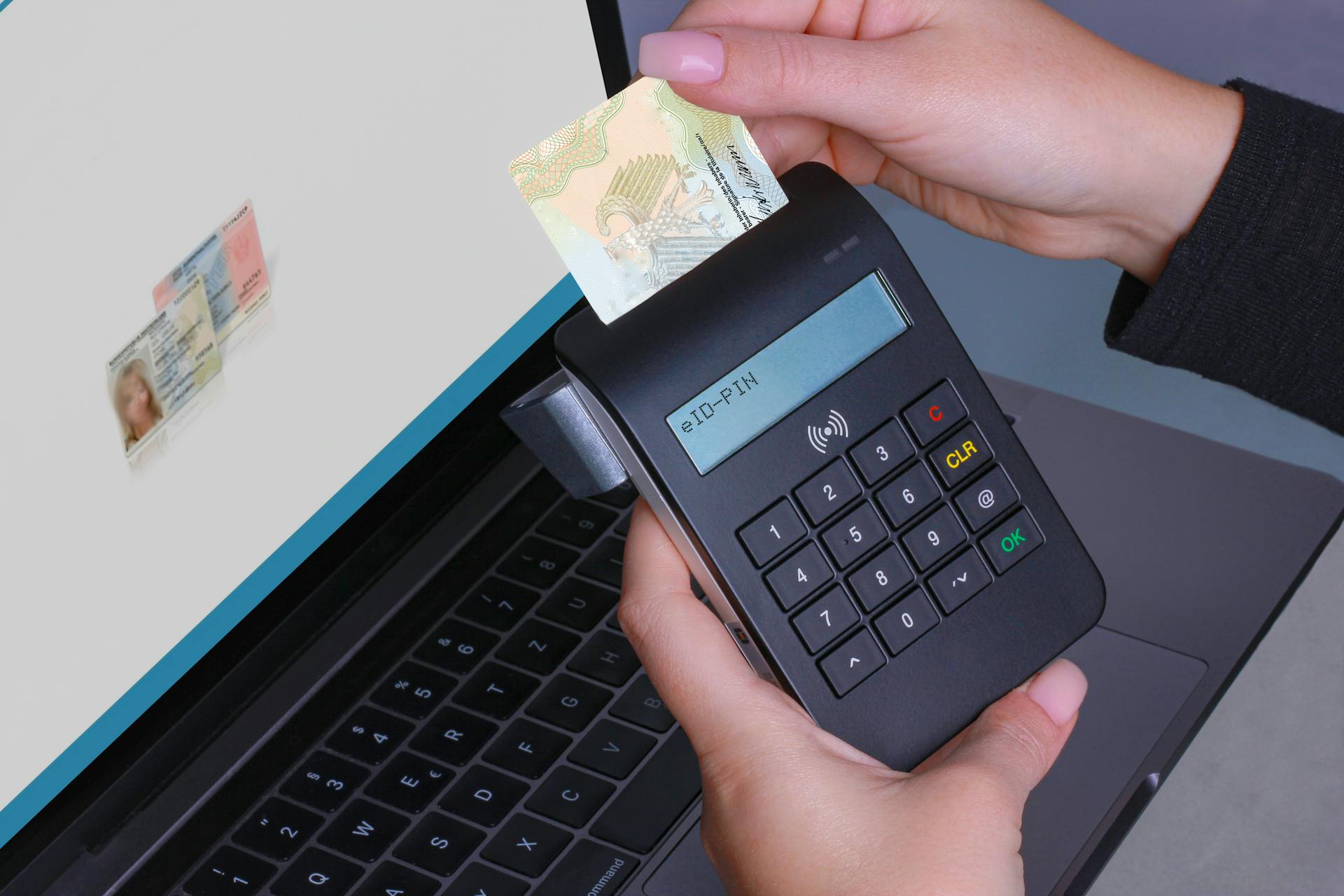
Speeding up the background verification process can make a huge difference in getting hired or resolving any issues.
To minimize delays, it's essential to provide accurate and complete information. This includes personal details, employment history, and educational credentials.
If an employer or background check company asks for additional documents or clarifications, responding quickly is key.
Using a reputable background check provider can also help speed up the process. Employers should research and select a provider with a reputation for fast and accurate results.
Here are some actionable tips to speed up the process:
- Provide accurate and complete information.
- Respond to requests quickly.
- Use reputable services.
Third-Party Involvement
Third-party involvement can be a major contributor to delays in background checks. Delays are not always the sole responsibility of the background checking service, but rather can occur due to third-party failings entirely out of the screener's control.
Other organizations may simply move at a much slower pace, creating a domino effect that accumulates over time to create a significant delay. This is often outside of the control of both the employer and screener alike.
Third-party verification is a crucial part of the background check process. If a background check depends on verifying information with knowledgeable third parties, delays can occur if those parties are unable to respond promptly.
For example, if you have a college degree and your job requires that degree, the background check agency will double-check that you got the degree from your claimed school. But what happens if that school is closed or if it doesn't have enough staff to keep up with background check requests?
Delays can also occur if the background check company needs information from a third-party agency or individual, but that party doesn't respond quickly. Good background check agencies know how to contact individuals or companies through many different communication channels, but some agencies may not put as much effort forward, resulting in significant background check delays.
A fresh viewpoint: Agency Worker Law
Employment and Criminal Checks
Employment and Criminal Checks can be a lengthy process, but understanding the typical timelines can help. A criminal background check, for instance, can take anywhere from 1 to 2 weeks, especially if manual courthouse records need to be checked.
Explore further: Certified Criminal Record Check
Employment verification, on the other hand, is usually completed within 1 to 5 days, depending on how quickly previous employers respond. This can be a significant factor in delays, as some employers might take longer to provide the necessary information.
Circumstances like these can cause delays in employment and criminal checks. Here's a breakdown of typical timelines for these types of background checks:
Keep in mind that these are just general guidelines, and delays are not uncommon.
How an Employment Takes Place
So, how does an employment background check take place? Generally, it takes 2-5 business days to complete. This timeframe can vary depending on the background check company used.
Some companies promise faster turnaround times, but it's essential to understand that this is not always the case. If the applicant has a complex past employment and education history, it may take longer to review.
How a Criminal Takes
A criminal background check usually takes around 3 business days on average.
Delays can occur if an applicant has a lengthy criminal record, and it may take a week or two to complete the check.
Holidays and weekends do not count as business days, so if you're waiting for a result, don't expect it to come in on a Sunday or holiday Monday.
In general, it's best to plan ahead and allow at least a week for the check to be completed.
Featured Images: pexels.com