
Bank transfers can be frustrating, especially when they take longer than expected. This is often due to the fact that banks have to verify the recipient's account and ensure the funds are legitimate.
Banks have to follow strict regulations to prevent money laundering and other financial crimes. This includes verifying the recipient's account and checking for any suspicious activity.
The verification process can take anywhere from a few hours to several days, depending on the bank's procedures. This is because banks have to manually check the recipient's account and confirm the transfer details.
In some cases, bank transfers can be delayed due to technical issues or system maintenance. This can cause a backlog of transfers and lead to longer processing times.
Why Transfers Are Slow
Bank transfers can take a while to arrive, and it's not just because your bank is moving at a snail's pace. Domestic transfers usually take place on the same day or by the next day, but international transfers are a different story.
Related reading: Bank Transfer Day
Some bank transfers can take up to two hours, overnight, or even the next business day to arrive. This is because of the various factors that come into play, such as the timing of the transfer, destination, currencies involved, security checks, or bank holidays.
Telegraphic transfers, for example, can take 1-5 business days, while ACH transfers can take 1-3 business days. SWIFT payments, on the other hand, average around 18 hours.
Delays can result from factors like bank cut-off times and time zone differences, bank holidays, weekend delays, different currencies, intermediary banks, missing documents, incorrect payment details, fraud prevention procedures, and even global events and natural disasters.
Here are some common causes of delays:
- Bank Cut-off Times and Time Zone Difference
- Bank Holidays
- Weekend Delays
- Different Currencies
- Intermediary Banks
- Missing Documents
- Incorrect Payment Details
- Fraud Prevention Procedures
- Global Events and Natural Disasters
Factors Affecting Transfer Times
Bank transfers can take longer than expected due to several factors. Some of the main causes include bank cut-off times and time zone differences.
Banks have daily cut-off times, which mark the latest time you can initiate a transaction for it to be processed the same day. For example, Bank of America requires deposits to be submitted before 10.45 pm ET, while US Bank requires submissions by 8 pm CT for same-day transfers.
Intriguing read: Why Are so Many Companies Laying off
Time zone differences can also cause delays, especially when making international payments. If the recipient's bank operates in a different local business hour, the transaction may be delayed until the next business day in their time zone.
- Bank Cut-off Times: Vary between banks and types of transfers, but are generally at the end of the working day, around 5 pm.
- Time Zone Differences: Can cause delays when making international payments, especially if the recipient's bank operates in a different local business hour.
- Weekends and Public Holidays: Banks do not process transfers on weekends or public holidays, adding extra days to the transfer time.
It's essential to check the bank's cut-off time on their website or by contacting their customer service team to avoid delays. Additionally, be aware of the time zone difference when making international payments to ensure a smooth transaction.
Cut-Off Times & Time Zones
Banks have daily cut-off times, which mark the latest time you can initiate a transaction for it to be processed the same day. These times vary between banks and may also depend on the type of transfer, such as domestic or international.
For example, Bank of America requires deposits to be submitted before 10:45 pm ET, while US Bank has different cut-off times for same-day transfers, wire transfers, and internal transfers through digital banking.
Initiating transfers early is key to avoiding delays. Submit ACH payments well before deadlines, especially before weekends, to ensure timely processing.
Even if you send a payment before your bank's cut-off time, the recipient's bank may already be closed if their cut-off time has passed due to the time difference. This can delay the transaction until the next business day in their time zone.
Some transactions are processed by banks in batches, meaning they are gathered throughout the day and processed all at once before cut-off times, rather than being handled individually in real-time.
Here are some examples of cut-off times for different banks:
It's essential to check the bank's cut-off time on their website or by contacting their customer service team to ensure timely processing of your transactions.
Batch System
The batch system is a crucial factor in ACH transfer times. It's a process where ACH operators collect transfers into batches that are processed only at specific times during the day.

Scheduled windows are used for batch processing, where transfers are collected and processed at set times. This can add waiting time to transfers.
Many ACH transfers are processed during overnight batch runs, creating an inherent delay. The Federal Reserve, which settles ACH transactions, only processes these batches during business hours on weekdays.
No settlement occurs outside of business days, causing additional delays for transfers initiated before weekends or holidays. This is confirmed by the Federal Reserve's ACH processing schedule.
Here's a breakdown of the batch processing system:
- Scheduled Windows: Transfers are collected and processed at set times.
- Federal Reserve Settlement Limitations: Only processed during business hours on weekdays.
- Overnight Processing: Many ACH transfers are processed during overnight batch runs.
- No Weekend or Holiday Processing: No settlement occurs outside of business days.
Technical Issues
Technical issues are a major contributor to slow bank transfers. Many banks still operate on core banking systems built decades ago, running on mainframe systems from the 1970s and 1980s.
These outdated systems weren't designed for real-time processing and create technical limitations that are expensive to overcome. Integration challenges arise when connecting modern payment systems to legacy infrastructure, creating bottlenecks that slow down processing.
Here's an interesting read: Why Is Quickbooks Online so Slow
Technical debt is a significant problem, with years of patchwork solutions and system modifications adding up. This slows down processing and makes it difficult for banks to adapt to changing customer needs.
Here are some common technical issues that contribute to slow bank transfers:
- Outdated Technology: Mainframe systems from the 1970s and 1980s
- Integration Challenges: Connecting modern payment systems to legacy infrastructure
- Technical Debt: Years of patchwork solutions and system modifications
These technical issues can be frustrating for customers, but it's essential to understand that they're often a result of outdated systems and infrastructure.
Administrative Delays
Missing paperwork can lead to bank transfer delays, as banks often ask for supporting documents to verify the legitimacy of international transactions.
In some cases, banks may request multiple documents to support a transaction, which can cause delays if not provided in a timely manner.
This can be frustrating, especially if you're in a hurry, but it's essential to ensure that all necessary documents are submitted to avoid any issues with the transfer.
For another approach, see: Why Do Banks Take so Long to Process Payments
Holidays
Holidays can be a major cause of administrative delays in international transfers. Banks are typically closed on public holidays, which means transactions won't be processed during these holidays.

In some countries, holidays can be adjusted around special events, like Ramadan in the UAE, where banks may operate from Saturday to Thursday. This can impact international transfers, so it's essential to be aware of the public holidays in both the sending and receiving countries.
If you're transferring money to China during the Golden Week or to Pakistan during the Eid Festival, most banks in those countries will likely be closed, which can delay your transfer. This is because international transfers often involve intermediary banks in other countries, which may also be closed during holidays.
To minimize delays, keep in mind that transactions are typically processed on the next business day, even if your bank is open on weekends for in-branch services. This means that your payment may not be processed immediately, even if you make it on a weekend.
Weekend Delays
Weekend delays can be a real frustration when sending or receiving money. Banks often close on Sundays and weekends to observe customs, give staff a break, reduce costs, and align with broader financial systems.
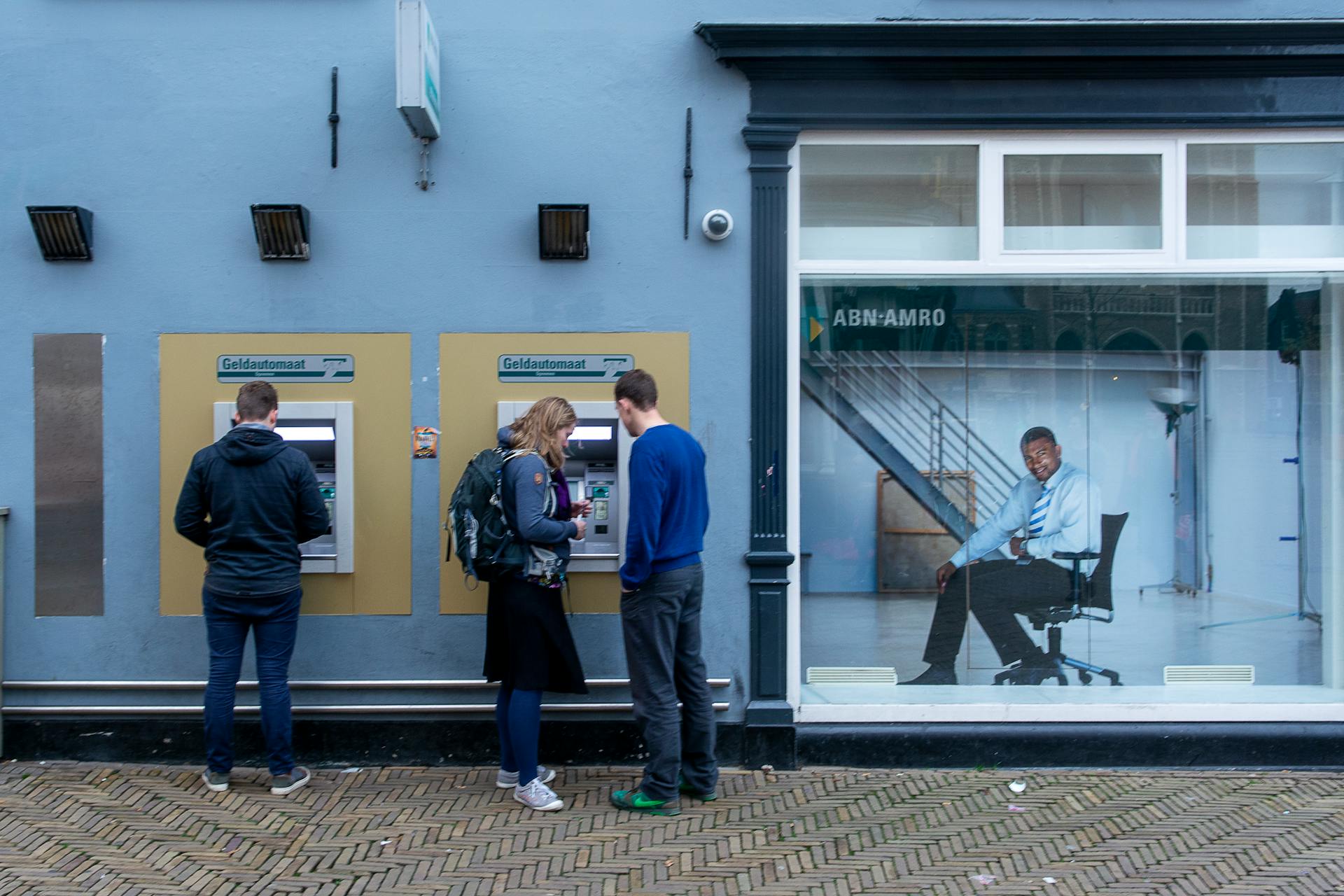
This means that even if you process a payment on Thursday or Friday, it might take longer to reach the receiver than 2-3 days. In some countries, weekends are adjusted around holidays, like during Ramadan in the UAE.
If you're sending funds across borders, be aware that international transfers may involve not only your bank and the recipient's bank but also intermediary banks in other countries. If any of these countries have holidays during the process, it could delay the transfer.
To minimize delays, be aware of the public holidays in both the sending and receiving countries, as well as any third-party countries that might be involved in the transaction.
Here's a rough estimate of how weekend delays can impact your transfer:
- If you transfer money to China during the Golden Week or to Pakistan during the Eid Festival, most banks in those countries will likely be closed.
- If your transfer is due on a Friday, it might not arrive until the next working day.
It's always a good idea to double-check the working days in both countries to avoid any unexpected delays.
Multiple Financial Intermediaries
Multiple financial intermediaries can significantly slow down the transfer process. Each ACH transfer passes through several institutions before reaching its destination.
The originating bank initiates the process, but the transfer then goes through the ACH operator, either the Federal Reserve or The Clearing House. This is where the transfer is processed in batches.
The receiving bank, or RDFI, receives and posts the transaction. But that's not all - many businesses use third-party payment processors that add another step to the process.
This chain of intermediaries can add significant delays to the transfer process, especially when smaller financial institutions with limited technology capabilities are involved. A transfer that would take minutes with direct bank-to-bank communication can take days when passing through this chain of intermediaries.
Here's a breakdown of the typical institutions involved in an ACH transfer:
- Originating Bank (ODFI): Initiates the process
- ACH Operator: Processes the batch (either Federal Reserve or The Clearing House)
- Receiving Bank (RDFI): Receives and posts the transaction
- Payment Processors: Many businesses use third-party processors that add another step
Missing Paperwork
Missing paperwork can cause significant delays in international bank transfers. Each country has specific requirements for processing international transactions, which can vary based on factors like the transfer amount, destination, and purpose.
Banks often ask for supporting documents to verify the legitimacy of international transfers. Insufficient documents provided to support the transaction can lead to bank transfer delays.
For more insights, see: Bank Transfers to Mexico
Failure to submit the required paperwork can result in significant delays or even the rejection of the transaction. Missing paperwork is a common issue that can be avoided by double-checking the requirements of the destination country.
To avoid delays due to missing paperwork, it's essential to research and understand the specific requirements for international transactions. This will help you gather all the necessary documents and submit them correctly.
Security Measures
Banks have to follow strict regulations to prevent fraud, which can cause delays in transfers. These regulations include anti-money laundering (AML) and fraud prevention measures.
International wire transfers involve multiple layers of scrutiny to ensure the transaction's legitimacy. This means your bank will conduct a series of checks from the moment you initiate the transfer.
The recipient's bank also conducts its own fraud prevention procedures, delaying the payment even further. This is to safeguard both the sender and recipient.
If a third-party bank is involved in facilitating the payment, they'll also conduct their own processes and checks. This can extend the timeline even more.
The SWIFT network demands every transfer provide details of up to 3 correspondent banks. This is just one example of how banks and payment networks have strict fraud prevention measures in place.
You might enjoy: Why Does Zelle Take so Long
Transfer Methods and Speed
Bank transfers can take a while to reach their destination, but the speed of delivery varies depending on the payment method used. Card payments are usually instant, while bank transfers can take 1-4 working days and Swift transfers can take 1-6 working days.
Some payment methods are faster than others, and it's essential to know what to expect. We always show you an estimate for each payment method when you set up your transfer.
If you're looking for faster options, consider using alternative transfer methods like Wire Transfers, Real-Time Payments (RTP), FedNow, or Peer-to-Peer Apps, which offer near-immediate or instant transfers.
You might enjoy: How Long Does an Instant Bank Transfer Take
Different Currencies
International bank transfers can be a complex process, and one key factor to consider is the type of currency involved. The processing time can be significantly influenced by the currency, with some taking longer than others to convert.
For example, US dollar transactions had an average processing time of 23 hours, 35 minutes, and 25 seconds, while GBP transactions were quicker, averaging 4 hours and 27 minutes. This shows that the type of currency can make a big difference in the processing time.
In fact, cross-currency transfers involving EUR to GBP and USD to GBP process faster compared to transfers involving USD to EUR. For instance, EUR to GBP transfers averaged 5 hours, 41 minutes, while USD to GBP transfers averaged 6 hours, 50 minutes.
Here's a rough breakdown of the average processing times for different currency transfers:
Keep in mind that these are just general estimates, and the actual processing time may vary depending on the specific transfer and bank involved.
Direct Connections
Direct Connections can make a huge difference in the speed of your transfers. By establishing direct connections to banking partners and the ACH network, you can eliminate unnecessary intermediaries that slow down the process.
These intermediaries not only add processing time to transfers, but also charge fees at each step, creating opacity in the transfer process. This can be frustrating and costly.
Faster processing times are just one benefit of direct connections. Optimized routing can also reduce the number of steps involved in a transfer, making it more reliable with fewer points of failure.

With direct connections, you get complete visibility into payment status, so you can keep track of your transfers with ease. This level of transparency is a game-changer for anyone who's ever wondered where their money is.
By cutting out the middlemen, direct connections can also significantly lower operational costs, which are often passed on as savings to you. This can be a welcome bonus, especially for frequent users of transfer services.
Alternative Transfer Methods
If you're looking for faster transfer options, consider these alternatives to ACH transfers. Wire Transfers are a near-immediate option, but they typically come with a cost of $20-50.
ACH transfers can take time, especially on weekends. If you need to transfer money on a Saturday, check out our guide on Do ACH Transfers Go Through On Saturdays? to understand your options.
If you're looking for instant transfers, Real-Time Payments (RTP) is a good option, but it requires both banks to participate. FedNow, the Federal Reserve's new instant payment service, launched in 2023 and offers another option for fast transfers.
Peer-to-Peer Apps like Zelle offer instant transfers between participating banks, making them a convenient option for those who need fast transfers.
Related reading: Instant Money Transfer with Bank Account
Same Day Processing

Same-day ACH processing is a game-changer for those who need their money to arrive quickly. This feature allows for much faster transfers, potentially crediting your account on the same business day you initiate the transfer.
Not all ACH transfers qualify for same-day processing, so it's essential to check with your bank to see if they participate in this service and their specific requirements. Some banks set specific requirements, such as initiating the transfer before a particular cut-off time.
To take advantage of same-day ACH, you'll need to initiate the transfer early in the day and meet the processing deadlines. This ensures all the necessary steps can be completed within the same business day.
Here's a breakdown of how same-day ACH works:
While same-day ACH is exciting, it's not universally available. Not all banks currently offer this service, and there might be limitations on transfer amounts.
Improving Transfer Times
The world craves instant gratification, and that includes our money too! ACH payments are already faster than checks, but the longer processing time is still a concern.
The good news is that there's always room for improvement. Instant or Expedited ACH is a promising development that could revolutionize how we transfer money. This technology would allow us to send money and have it appear in the recipient's account almost instantly.
To get the most out of ACH transfers, it's essential to know your bank's cut-off times and initiate transfers early in the day. This can help ensure faster processing. For example, if your bank has a cut-off time of 2 pm, it's best to initiate the transfer before then to ensure it goes through quickly.
Technological advancements and stronger collaborations between banks could also streamline the ACH process further, leading to faster and more efficient transfers.
Worth a look: How Long Does Electronic Money Transfer Take
Payment Processing
Bank transfers can take a while to process, but what's behind the delay? It all starts with the Automated Clearing House (ACH) network, which is managed by NACHA. ACH transfers are the best option for businesses looking to save time and reduce costs, but they're not instantaneous.
The ACH transfer process involves several steps, including initiating the transfer, sending a secure electronic message through the network, verification and security checks, and finally, the money is transferred electronically. This process can take anywhere from 1-3 business days, although same-day ACH processing is now available in some cases.
To understand why ACH transfers take so long, let's break down the process:
- Initiation: The transfer is initiated by the sender, who provides the recipient's bank account information and the payment amount.
- Information Highway: The sender's bank sends a secure electronic message through the ACH network, which includes the payment details.
- Verification and Security: The ACH network verifies the payment details and ensures that the sender has sufficient funds in their account.
- Money on the Move: Once everything is verified, the money is transferred electronically from the sender's bank to the recipient's bank.
The good news is that same-day ACH processing is now available in some cases, which can significantly reduce the waiting time. However, not all banks currently offer this service, and there may be limitations on transfer amounts.
Transfer Options and Limitations
Bank transfers can take a while, but there are faster options available. Wire Transfers, for example, offer near-immediate settlement but typically come with a cost of $20-50.
Real-Time Payments (RTP) and FedNow are also faster alternatives, with RTP offering instant 24/7 transfers if both banks participate, and FedNow being the Federal Reserve's new instant payment service launched in 2023.
See what others are reading: How Long Does Paypal Instant Transfer Take
For weekend transfers, you can consider Peer-to-Peer Apps like Zelle, which offer instant transfers between participating banks.
However, it's essential to note that ACH has its limitations, including transaction limits, processing timeframes, and the risk of insufficient funds and penalties.
Here are some key limitations of ACH transfers:
- Transaction Limits: There might be limitations on how much money you can transfer through ACH, especially with same-day processing.
- Processing Timeframes: Even with standard ACH transfers, there can be cut-off times for same-day processing.
- Insufficient Funds and Penalties: Attempting an ACH transfer with insufficient funds in your account could result in a rejection and potentially lead to fees.
Transfer Options
If you're looking to transfer money, you have several options to consider. You can use digital banking features or alternative payment methods, such as digital wallets (e.g., PayPal) or cash apps (e.g., Venmo).
Some banks offer tools through mobile or internet banking to help speed up transfers and improve tracking. You can check with your bank to see what options are available, and consider opting for a faster payment method, which may come at an additional cost.
ACH payments are another option, but they can take longer to process. Typically, funds are available in your account within 1-3 business days, but same-day settlement can reduce this waiting time.
You might enjoy: All Bank Online Banking
Here are some key differences between digital banking features and ACH payments:
It's worth noting that ACH payments have some advantages, including speed, convenience, and security. They're significantly faster than traditional checks, and the ACH network prioritizes security with verifications and checks to prevent fraud.
You might like: Why Are Checks so Expensive
Limitations of
If you're planning to send money via ACH, it's essential to understand its limitations. ACH transfers have certain transaction limits, which vary from bank to bank.
You might be surprised to know that even with same-day ACH processing, there can be cut-off times for initiating transfers. If you initiate a transfer after the deadline, you might have to wait an extra day for processing.
Attempting an ACH transfer with insufficient funds in your account can result in rejection and potentially lead to fees. This is similar to attempting to write a check with insufficient funds in your account.
Here's a summary of the limitations of ACH transfers:
These limitations are essential to consider when choosing an ACH transfer as your transfer option.
Multicurrency Accounts for Business
Multicurrency accounts can be a game-changer for businesses that need to make international payments.
Volopay offers a complete expense management ecosystem and payment service provider for businesses, allowing you to make local and international payments quickly.
You can set up multi-currency accounts with Volopay to make payments internationally without the usual delay in bank transfers.
With Volopay, you can hold and send money in 60+ different currencies and across 100+ countries.
Each currency wallet lets you hold and send money to vendors in different currencies without incurring FX charges for every transaction.
This means you can create a USD wallet, load money into it, and use it to make payments in the USA to avoid FX fees for all those transactions.
The payments on the Volopay platform give you the option to make transfers through the SWIFT network or a non-SWIFT method, which is extremely fast and economical.
SWIFT transfers ensure accurate tracking, while the non-SWIFT method is faster and more economical.
Here's an interesting read: How to Stop Spending so Much Money
Featured Images: pexels.com