Companies are prioritizing profits over people and the planet, but why? One reason is that they're driven by a shareholder-first model, where executives are incentivized to maximize short-term gains for investors. This can lead to decisions that harm the environment and communities.
Research has shown that companies with a strong focus on social responsibility tend to be more successful in the long run. A study found that companies with high environmental, social, and governance (ESG) ratings outperformed their peers in terms of financial returns.
The pursuit of profit can also lead to exploitation of workers. In some industries, companies are paying employees wages that don't keep up with the cost of living, forcing them to rely on government assistance. This can create a cycle of poverty and undermine social mobility.
Ultimately, we need a shift in how companies are structured and governed to prioritize people and the planet alongside profits.
Suggestion: Lead Product Manager Salary
Executive Greed Exposed
The Fortune 100 list is a stark reminder of the growing wealth gap between executives and workers. Six Democratic members of Congress introduced a bill to increase the corporate tax rate on companies with an excessive CEO-to-worker pay ratio, but only a handful of companies on the list would pay no tax under the proposed legislation.
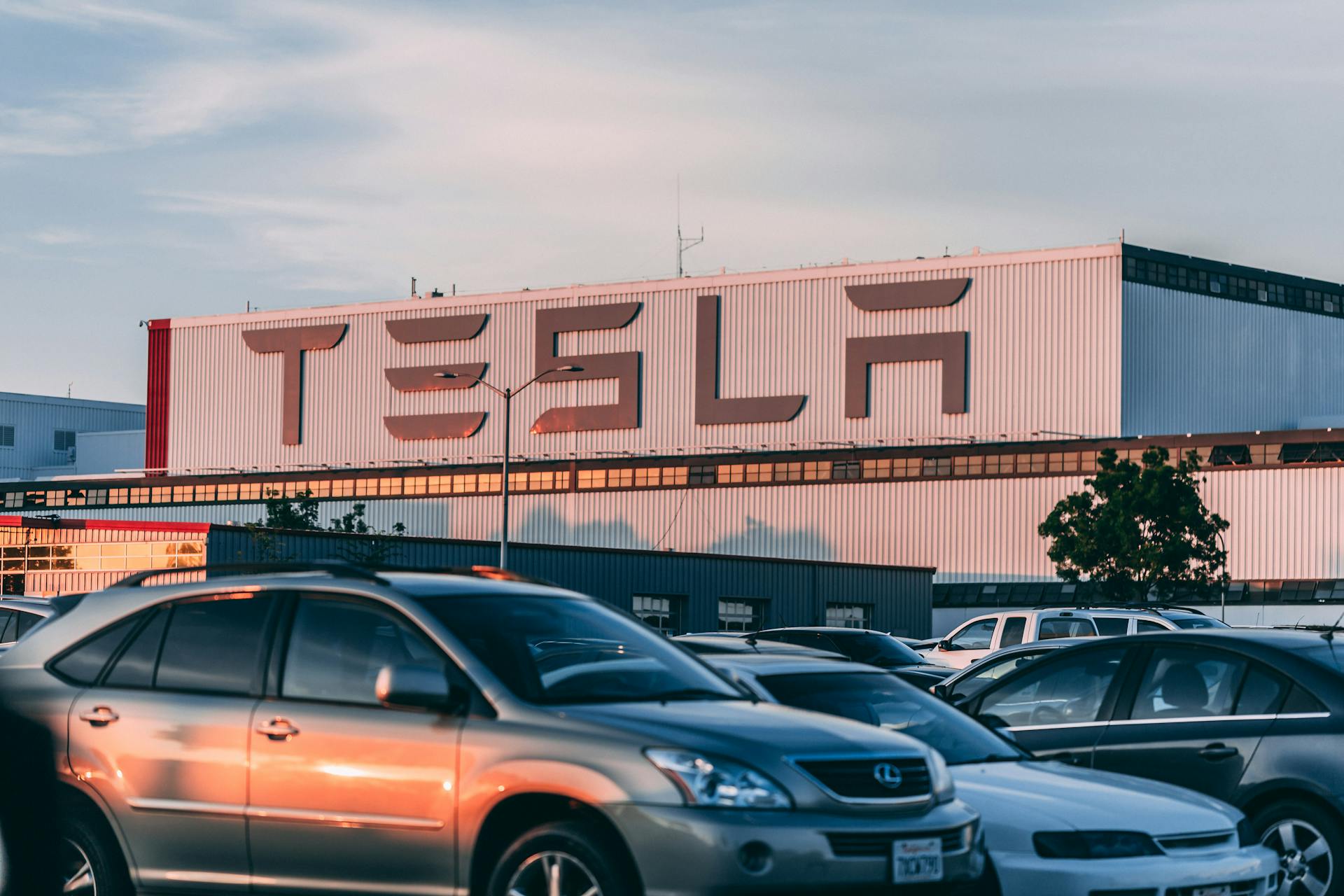
One of those companies is Tesla, which had a CEO-to-worker pay ratio of 0:1 this year, thanks to CEO Elon Musk taking no salary. However, next year's ratio will likely be around 1,200,000:1 after shareholders approved a $56 billion payday for Musk.
The Tax Excessive CEO Pay Act aims to close the gap between executives and workers, but it's clear that corporate greed has gone unchecked for too long. The median CEO at a major U.S. company was paid $16.3 million in 2023, a 12 percent increase from the previous year.
Here are some striking statistics on CEO pay:
- The Economic Policy Institute estimates that CEO pay increased by 1,209 percent between 1978 and 2022.
- In 2023, the median CEO at a major U.S. company was paid $16.3 million, a 12 percent increase from the previous year.
- That increase was over three times the wage increases of the median worker.
- A 2018 study found the median annual CEO compensation across Europe was about 5.8 million euros.
Corporate greed is not limited to the Fortune 100 list. The meatpacking industry, for example, saw a chance to profit during the COVID-19 pandemic by pressuring staff to work in unsafe conditions, even when production fell due to consumer demand.
The corporate motto? Never let the truth get in the way of a good story, especially if that story multiplies your profits. This mindset has spread from the food sector to touch every consumer.
The most unequal industry within the Fortune 100 may be American big-box retail, with companies like T.J. Maxx, Target, and Walmart having a median worker take-home pay of around $31,000, while the median retail CEO's compensation was $16.5 million, resulting in a 522:1 ratio.
Check this out: Seed Money the Chuck Holmes Story
Causes of Greed
Companies are so greedy now due to a combination of factors that have created an environment where executives feel entitled to massive paychecks. The Economic Policy Institute estimates that CEO pay increased by 1,209 percent between 1978 and 2022.
One major contributor to this trend is the way executive compensation is structured. CEO pay packages are often tied to meeting certain financial and operational metrics, which can lead to reckless behavior and a focus on short-term gains over long-term sustainability. For example, Boeing CEO Dave Calhoun was grilled by a Senate panel over the company's catastrophic safety and transparency record, which was largely due to meeting revenue and cash flow targets.
This phenomenon is not unique to the US, but it's particularly pronounced here. According to a 2018 study, the median annual CEO compensation across Europe was about 5.8 million euros, which is significantly lower than the median CEO pay in the US.
On a similar theme: How to Know When Credit Card Payment Is Due Discover
Private Equity
The private equity industry is a massive force in the US and worldwide, buying control over businesses, housing, education, consumer lending, energy, infrastructure, and more. This has made a small class of money managers extremely rich.
Private equity firms are increasingly acting like corporate raiders from the 1980s, taking control of companies and assets without regard for their impact on workers and communities. They're making a profit at the expense of others.
Their business model is predatory, harming workers, investors, and communities. We need policy changes to address this issue.
Private equity executives should be held legally liable for the damage they cause, just like any other business leader.
Recommended read: Mid-America Apartment Communities
Cycle of Overconsumption
The Cycle of Overconsumption is a vicious cycle that corporations have cleverly engineered to keep us hooked on buying more. We're constantly bombarded with advertising that exploits our insecurities, making us feel like we're never enough.
70% of consumers admit they feel manipulated by ads that prey on body image, financial status, or self-worth. This is a staggering number, and it highlights just how effective these tactics can be.
A different take: Actuarial Control Cycle
We're also living in a world where products are designed to fail, forcing us to upgrade and buy more. Tech giants like Apple and Samsung have been caught deliberately slowing down older devices, making us feel like we need the latest model.
U.S. household debt has hit a record $17.5 trillion in 2023, and it's clear that corporations are pushing consumption while failing to pay workers enough to keep up. This is a recipe for disaster, and it's having a devastating impact on our mental and financial health.
Here are some eye-opening statistics that illustrate the scale of the problem:
We need to wake up to the reality of the Cycle of Overconsumption and start making conscious choices about what we buy and why. By being more mindful of our consumption habits, we can break free from this cycle and start living more sustainably.
A fresh viewpoint: Cash Convention Cycle
Impact of Greed
The impact of corporate greed is staggering. The Economic Policy Institute estimates that CEO pay increased by 1,209 percent between 1978 and 2022, with the median CEO at a major U.S. company paid $16.3 million in 2023.
This massive increase in CEO pay is not matched by workers, who have seen their wages stagnate. In 2023, the median worker's wage increase was a mere 3.4 percent, compared to the 12 percent increase in CEO pay. This widening gap between the rich and the poor is a hallmark of corporate greed.
Corporate greed is not just about CEO pay; it's also about price gouging. During the 2020 meat shortage, corporate titans like Smithfield and Tyson took advantage of the situation to jack up prices and pad their profits. This is just one example of how corporate greed can have far-reaching consequences for consumers.
Here are some key statistics on the impact of corporate greed:
The evidence is clear: corporate greed is driving income inequality and price gouging. It's time for policymakers to take action and hold corporations accountable for their actions.
Grocery Markups
Grocery markups have been a topic of interest, especially during the pandemic when prices seemed to skyrocket. Profit margins for food manufacturers climbed dramatically during the pandemic before settling near pre-pandemic levels at the start of this year.
A fresh viewpoint: Impact of the COVID-19 Pandemic on the Walt Disney Company
Supermarkets, liquor stores, and convenience stores are less profitable businesses overall, with profit margins climbing more gradually in recent years. They've been slower to give up those gains, keeping a slightly bigger share of the money from sales.
Even though profit margins for grocery stores have gone up, the increase appears to be only a small contributor to the rise in food prices relative to the increase in their operating costs. Economist Ernie Tedeschi has tracked how much grocers' income has outpaced increases in their costs, and found that grocery was different from the rest of retail.
Grocery didn't pop as quickly in the depths of the pandemic, but it rose sort of like a slow burn and it stayed tenaciously higher. This suggests that grocery markups are a contributing factor to food price inflation, but not the only one.
Additional reading: Coffee Business Profit Margins
Oil & Gas Industry Gouges Consumers Amid Ukraine War
The oil and gas industry's greed is on full display. Corporate executives, like ExxonMobil's Darren Woods, are cashing in on the global energy crunch, pinching American families and sending excess profits back to shareholders and Wall Street speculators.
Gasoline prices nearly doubled since the start of 2022, and even though they're leveling off, they're still significantly higher per gallon than before the spike. This is a direct result of corporate greed, not a legitimate shortage.
Big Oil & Gas is using the Ukraine crisis to rally for a host of items on their wishlist, including more fracking, more gas export terminals, and more LNG projects. This is a clear example of how corporations will use any crisis to further their own interests.
The International Energy Agency warned in 2021 that fossil fuel production must stop growing immediately to avoid the worst effects of climate chaos. We know we have to move to renewable energy right away, but the oil and gas industry is fighting against it.
Here are just a few examples of how the oil and gas industry is gouging consumers:
- Gasoline prices nearly doubled since the start of 2022
- Excess profits are being sent back to shareholders and Wall Street speculators
- Big Oil & Gas is using the Ukraine crisis to rally for more fracking, gas export terminals, and LNG projects
Loss of Trust in Communities
Corporations have spent $3.73 billion lobbying against wage increases, environmental protections, and workers' rights in 2022 alone.
This kind of behavior erodes the foundation of trust that holds society together, making it harder for us to rely on each other and our communities.
The 20 largest fossil fuel companies are responsible for a third of global greenhouse gas emissions, yet they fight meaningful climate action every step of the way.
This message sends a clear signal that profits matter more than people, and it's a message that's been repeated over and over again.
In the 1970s, 70% of Americans believed corporations worked in the public interest, but that number has plummeted to just 36% today.
This decline in trust is a symptom of a larger problem, one that affects us all and makes it harder to build strong, healthy communities.
For your interest: Automatic Message Accounting
Consequences of Greed
Corporate greed has severe consequences that affect us all. The Fortune 100 list is a stark reminder of this issue, with companies like Dell Technologies and Berkshire Hathaway paying their CEOs a whopping 41:1 and 5:0 ratios, respectively.
The Economic Policy Institute estimates that CEO pay increased by 1,209 percent between 1978 and 2022. This staggering growth is a result of corporate greed, where executives are prioritizing their own interests over those of their employees and the community.
The median CEO at a major U.S. company was paid $16.3 million in 2023, a 12 percent increase from the previous year. This is over three times the wage increases of the median worker.
The consequences of corporate greed are far-reaching and devastating. In 2020, during the pandemic, meatpacking companies like Smithfield and Tyson took advantage of the situation to profit from a supposed "meat crisis." They pressured staff to work in unsafe conditions, even when they were ill, and issued fake warnings about food shortages to jack up prices.
Here are some key statistics on corporate greed:
The consequences of corporate greed are not just financial; they also have a profound impact on our well-being and the environment. As the article points out, corporate decisions shape our lives and influence how we think, feel, and behave. It's time for us to take a stand against corporate greed and demand a more equitable and sustainable future.
Solutions to Greed
We have the power to create change by making conscious choices about the corporations we support. By spending our money with companies that align with our values, we can send a strong message about what we want to see in the world.
One way to do this is to prioritize people over possessions. This means rejecting the cycle of endless consumerism and finding fulfillment in human connection, not corporate products. It's a simple yet profound shift in perspective that can have a significant impact.
To hold corporations accountable, we can advocate for policies that protect workers and the environment. This can be done by supporting organizations that work towards these goals, and by using our voices to raise awareness about the importance of corporate responsibility.
A unique perspective: Stocks That Represent Ownership Shares in Corporations
End Short-Term Thinking
Companies that prioritize short-term gains often sacrifice long-term sustainability. In the meat industry, this led to unsafe working conditions and exploitation of employees during the 2020 "meat crisis."
Broaden your view: Bene Meat Technologies
The consequences of short-term thinking are evident in the actions of corporate titans like Smithfield and Tyson. They pressured staff to work despite illness, all to maximize profits.
Investing in employees, on the other hand, yields better results. Businesses that do so see 147% higher earnings per share than those that don't, according to Gallup.
By prioritizing employee well-being, companies can build a loyal workforce and foster a positive work environment. This, in turn, can lead to increased productivity and better overall performance.
Ultimately, shifting from short-term to long-term thinking requires a fundamental change in corporate culture. It's a mindset that values sustainability over profits and people over profits.
A fresh viewpoint: Bloomberg Short-term Bank Yield Index
The Future Is Ours
We have the power to create a better future for ourselves and our communities. The way corporations operate today is not inevitable, it's a choice. We can demand better and create a system where companies thrive because they do right by their people, not at their expense.

We can start by supporting ethical businesses that align with our values. This means spending our money with companies that prioritize their workers and the environment. By doing so, we can send a message to corporations that we value people over profits.
The Tax Excessive CEO Pay Act is a step in the right direction. If passed, it would place a progressive tax on companies whose CEO-to-worker ratio is greater than 50:1. Currently, only a handful of companies on the Fortune 100 list would pay no tax under this legislation. These companies include Dell Technologies, Berkshire Hathaway, and Tesla.
CEO pay packages are often tied to meeting certain financial and operational metrics. However, these metrics are not always correlated with a profitable and sustainable company. For example, Boeing CEO Dave Calhoun was grilled by a Senate panel over the company's catastrophic safety and transparency record, despite meeting revenue and cash flow targets.
Here are some key statistics on CEO pay:
- The Economic Policy Institute estimates that CEO pay increased by 1,209 percent between 1978 and 2022.
- In 2023, the median CEO at a major U.S. company was paid $16.3 million, a 12 percent increase from the previous year.
- That increase was over three times the wage increases of the median worker.
- A 2018 study found the median annual CEO compensation across Europe was about 5.8 million euros.
By understanding these statistics and making informed choices, we can work towards creating a more equitable and sustainable future.
Changing Corporate Culture
Corporate decisions have a profound impact on our lives, shaping how we think, feel, and behave.
Research shows that companies that prioritize people as much as profits thrive, with stronger customer loyalty and higher productivity.
The push for profits has created a world where people constantly fall behind, with job insecurity and manipulative marketing being just two examples.
Companies that prioritize people enjoy long-term success, making a change in corporate culture a viable option.
Ultimately, it's up to corporations to choose to change, and it's clear that this can lead to a better world for everyone.
CEO Pay and Compensation
CEO pay and compensation have become a major issue in the corporate world. The gap between CEO and average worker pay has grown exponentially, with the AFL-CIO reporting a staggering 324 to 1 ratio in 2021.
This is a far cry from the 1960s, when CEOs made only 20 times more than average workers. The current system encourages CEOs to prioritize short-term gains over long-term sustainability, often at the expense of workers and their communities.
Readers also liked: Why Are so Many Ceos Stepping down
Six Democratic members of Congress introduced a bill to address this issue, the Tax Excessive CEO Pay Act, which would place a progressive tax on companies with a CEO-to-worker ratio greater than 50:1. The Fortune 100 list is an indictment of executive greed, with many companies paying their CEOs millions while their workers struggle to make ends meet.
Here are some alarming statistics on CEO pay:
- The Economic Policy Institute estimates that CEO pay increased by 1,209 percent between 1978 and 2022.
- In 2023, the median CEO at a major U.S. company was paid $16.3 million, a 12 percent increase from the previous year.
- This increase was over three times the wage increases of the median worker.
The proposed Tax Excessive CEO Pay Act could raise $150 billion over ten years, and 13% of the Fortune 100 would be taxed an additional 5 percent, the maximum amount. This is a step in the right direction, but more needs to be done to address the root causes of this issue.
The Fortune 100 is strikingly unequal, with the median CEO making about $21.1 million last year while the median worker took home a little more than $80,000. This breaks down to a ratio of 320:1.
Related reading: Median Income
Frequently Asked Questions
Has corporate greed caused inflation?
A study by the Federal Reserve found that corporate price increases contributed a lower amount to inflation than the historical average, contradicting the idea that corporate greed drives inflation. However, the relationship between corporate actions and inflation is more complex than initially thought, and further investigation is needed to fully understand its impact.
Featured Images: pexels.com