
A summons is a legal document that serves as a formal notice to an individual or organization to appear in court or respond to a lawsuit. This document is typically issued by a court clerk or a law enforcement officer.
In a court case, a summons is used to notify the defendant of the lawsuit and inform them of their rights and obligations. The summons will specify the date, time, and location of the court hearing, as well as the name of the case and the parties involved.
Receiving a summons can be intimidating, but it's essential to understand that it's a normal part of the court process. The summons will also outline the potential consequences of not responding or appearing in court, which can include fines, penalties, or even arrest.
The summons is usually served in person, but it can also be delivered by mail or through a process server. This ensures that the defendant receives the notice and has a clear understanding of their responsibilities.
See what others are reading: Bill of Exchange Document
What is a Summons?
A summons is a formal notice from a court that requires you to take action or appear in court. It's usually issued by a court clerk or an attorney, and it includes important information such as the case number, the names of the plaintiff and defendant, and what the case is about.
You might receive a summons because of a legal claim or debt. In some cases, you might be summoned as a witness and required to provide a statement under oath. A summons can be delivered by an officer of the court, who can confirm that you received it in person.
Here are the key components of a summons:
- The name and type of court who has issued the summons
- The case number
- The names of the plaintiff and defendant
- What the case is regarding
- Information on when the summons should be responded to, and how
- What is being asked of you
Citation/Claim
A citation or claim is a type of summons that's typically used for minor traffic infractions or misdemeanors. It's prepared and served by a law enforcement official at the scene of the occurrence.
In Australia, minor traffic and some summary offences are known as an infringement notice or a fine, which can be dealt with by paying a particular monetary amount. The accused person has the right to have the matter heard in a court.
A different take: Werhof V Freeway Traffic Systems GmbH & Co KG
In the United Kingdom and Hong Kong, law enforcement officials may deal with certain minor offences by issuing a fixed penalty notice, also known as an "on-the-spot fine". If such a notice is ignored or disputed, a court summons will be issued.
A citation or claim is often used for minor traffic infractions, such as proceeding through a red light, which could result in a fine ranging from A$353 to A$2,200 if convicted in NSW.
Here are some key differences between a citation/claim and other types of summons:
Failure to appear within the allotted period of time for a citation or claim is a separate crime of failure to appear.
Additional reading: On Which Financial Statement Would the Accumulated Depreciation Account Appear
United States
In most U.S. jurisdictions, a valid summons is required for the court to have jurisdiction over the party being summoned. The process of serving a summons is called service of process.
The form and content of service in the federal courts is governed by Rule 4 of the Federal Rules of Civil Procedure. This rule provides a clear outline of how a summons should be served.
Consider reading: Criminal Summons
One or more copies of the summons are usually stamped by the court clerk with the court seal and returned to the attorney, who then uses it to serve the defendants. This is a common practice in many states.
In some states, the summons may be issued by an attorney, but in others, the attorney must first file the summons in duplicate before it becomes effective. This is an important distinction to note.
New York State is unique in its permissive filing system, where the summons or complaint need not be filed at all. This is a departure from the usual practice in other states.
Here are some key facts about serving a summons in the United States:
- Federal Rules of Civil Procedure govern the form and content of service in federal courts.
- Rule 4 outlines the process for serving a summons.
- In many states, the court clerk stamps the summons with the court seal before it is served.
- Some states require the attorney to file the summons in duplicate before it becomes effective.
- New York State has a permissive filing system where the summons or complaint need not be filed.
Preparation and Service
A court summons is a formal notice directing an individual or organization to attend a legal proceeding, and it's essential to take it seriously.
Receiving a court summons is a significant legal event, and it's crucial to read the document carefully to understand the nature of the case, the parties involved, and the specific actions you need to take.
A court summons typically includes case details, deadlines, and instructions. Pay close attention to any deadlines, as ignoring them can lead to negative consequences, such as default judgments.
Here are the different types of legal scenarios where a court summons may be issued:
- Civil Litigation: In civil cases, a summons may be issued to a defendant in a lawsuit, compelling them to respond to claims made by the plaintiff.
- Criminal Proceedings: When an individual is charged with a crime, a summons can be issued instead of an arrest warrant.
- Small Claims Court: In small claims cases, a summons is often sent to inform the defendant of the claim against them and to provide details about the hearing.
- Family Law Matters: In cases involving child custody, support, or divorce, a summons may be issued to notify the other party of the legal action.
- Administrative Hearings: Certain regulatory or administrative bodies may issue summonses to individuals or organizations to appear for hearings.
Remember, a summons issued by the court means they have formally initiated the process, and you must respond.
Preparation, Submission, Service
When you receive a summons, it's essential to carefully read the instructions to understand what actions you need to take.
Clear instructions are crucial in a summons, detailing the actions the recipient must take, such as filing a written answer or appearing in court by a specific date.
The instructions in a summons are designed to guide the recipient through the process, ensuring they understand their responsibilities and how to address the legal issue.
A summons typically includes specific dates and deadlines for responding, so it's vital to mark these down and plan accordingly.
Readers also liked: Société Par Actions Simplifiée
Instructions
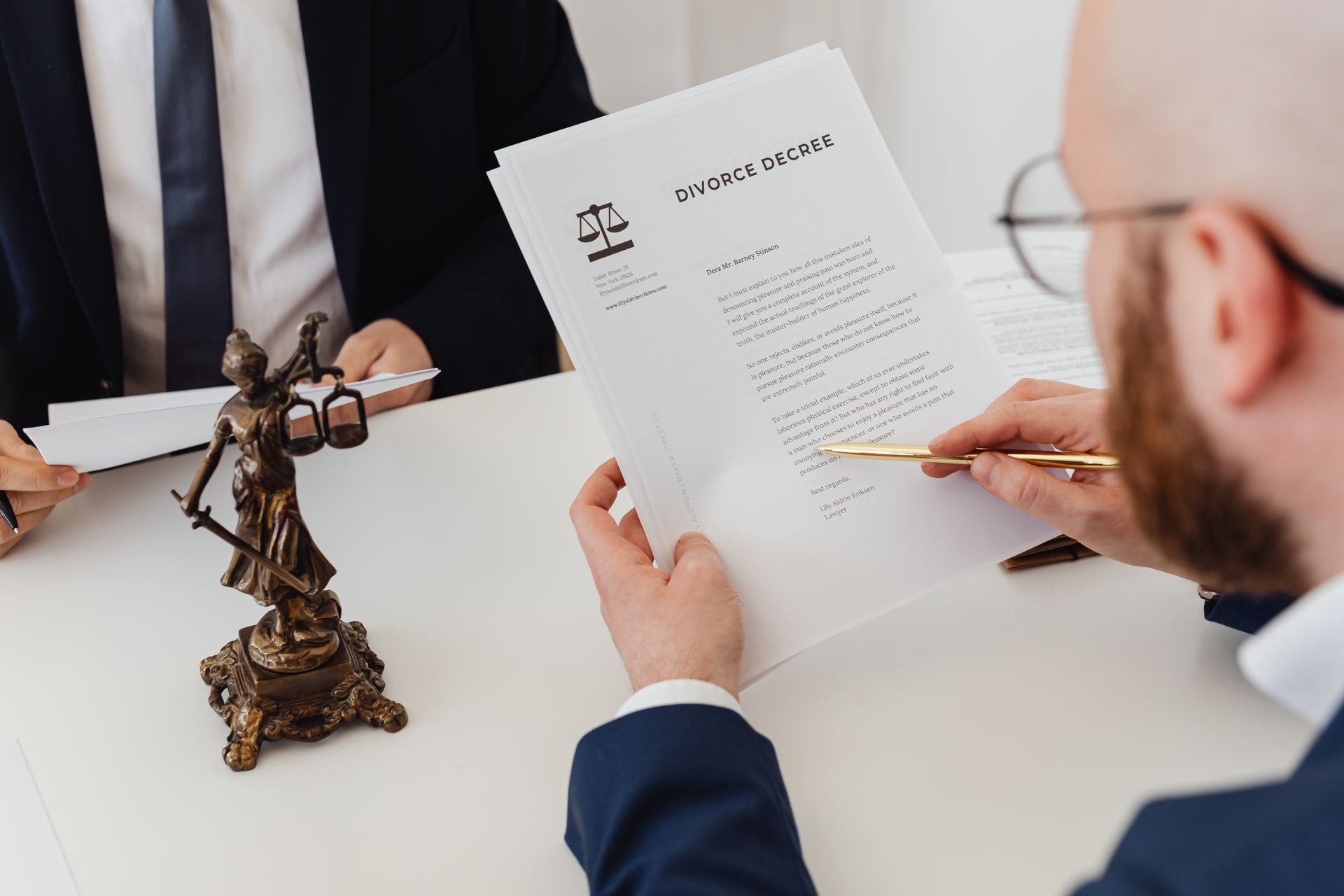
When you receive a court summons, it's essential to carefully read the instructions to understand your responsibilities. This will help you respond appropriately to the legal issue at hand.
The instructions in a summons detail the actions you must take, such as filing a written answer or appearing in court by a specific date. Clear instructions are essential for you to understand your responsibilities.
A court summons typically includes deadlines, and ignoring them can lead to negative consequences, such as default judgments. So, make sure to pay close attention to any deadlines mentioned in the summons.
The instructions may also specify the type of response required, such as a written answer or a motion. Understanding the expected response will help you prepare accordingly.
In some cases, the instructions may require you to appear in court, which can be intimidating, but it's essential to comply with the summons. Failure to comply can result in contempt charges or even arrest.
Related reading: Does a Contract Have to Be Written

Here are some key things to look for in the instructions:
- Specific dates for filing a written answer or appearing in court
- Required documents or information to be submitted
- Instructions for serving other parties or parties involved
By carefully reading and following the instructions in a court summons, you can ensure that you respond appropriately to the legal issue and avoid any potential consequences.
Served?
So, you've been served a court summons - what does that even mean? It means the court has formally initiated the process, and you must respond.
A summons is not just a piece of mail, it's a formal legal document that carries significant weight and urgency. Its carefully structured format is designed to ensure that the recipient understands the seriousness of the situation.
You'll typically have a deadline to respond, which usually ranges from 20 to 30 days. Ignoring this deadline can lead to a default judgment, allowing the plaintiff to win without your input.
If you're wondering what's at stake, failing to respond can result in financial penalties, and you could even lose the case automatically.
For your interest: Rhodes Scholar Deadline

Here's what you need to do:
- Read the document carefully, as it outlines the nature of the case, the parties involved, and the specific actions you need to take.
- Pay close attention to any deadlines, as ignoring them can lead to negative consequences.
- Submit a written answer that addresses each point raised in the complaint meticulously.
Remember, a summons is a formal notice directing you to attend a legal proceeding. Don't ignore it, or you could face serious consequences.
Understanding the Document
A summons is a serious document that requires your attention. It signifies your involvement in a legal matter and is not optional.
The first thing to do when receiving a summons is to read it carefully. Every detail matters, from the case number to the response deadline.
A summons includes key sections like court details, case information, and deadlines. Each element serves a specific purpose, contributing to the overall clarity and effectiveness of the communication.
In civil cases, the summons notifies the party being sued of the allegations and the timeline for responding. This gives you a clear understanding of what to expect.
A summons contains essential details like the case number, names of the parties involved, and a summary of the legal action. This information is vital for understanding the proceedings and preparing a response.
Worth a look: What Does Mou Stand for in Business
To ensure you understand your obligations, ask yourself the following questions as you read the summons:
- What is this case about? Look for the nature of the complaint or charges.
- Am I required to appear in court? If so, when and where?
- What type of response is required? Civil cases often require written answers; criminal cases may require physical appearances.
Decide Response
Deciding how to respond to a summons is a crucial step in navigating the legal process effectively. Understanding the type of summons you receive is key to making the right decision.
Civil summonses are typically used for non-criminal matters, such as lawsuits or disputes over property. You'll need to decide how to respond to the summons, which may involve filing a response or appearing in court.
Administrative summonses are often used for regulatory or enforcement matters, such as tax audits or environmental inspections. You'll need to review the summons carefully to determine the best course of action.
To help you decide how to respond, create a checklist of tasks, including understanding the type of summons, reviewing the summons carefully, and determining the best course of action.
Recommended read: Public Adjuster Online Courses
Seek Legal Advice
Seeking legal advice is a crucial step in responding to a summons, no matter how minor the case may seem. Consulting a lawyer can help you understand the implications of the summons and make informed decisions about your case.
A lawyer can assist with filing a proper response, which is essential to avoid any potential penalties or consequences. This is especially important if you're facing allegations and need to develop a defense strategy.
A legal expert can provide guidance on how to navigate the court system and ensure you're taking the right steps to protect your rights. This can be a daunting process, but with the right advice, you can feel more confident and in control.
Here are some ways a lawyer can help:
- Understand the implications of the summons.
- File a proper response.
- Develop a defense strategy if you’re facing allegations.
Differences and Variations
A summons can be issued in various forms, such as a written notice or a court order.
Some summonses are formal, while others are informal, like a notice to appear in court.
A summons can be served in person, by mail, or through a third party, depending on the jurisdiction.
Administrative
In the US, an administrative summons is a serious request for information or attendance at a hearing.
The IRS can issue a summons for a taxpayer to appear before the US Secretary of the Treasury or his delegate, requiring them to produce books, papers, records, or other data, and to give testimony under oath.
A failure to obey the summons can result in a criminal penalty of up to one year in prison or a fine, or both.
In the US immigration court system, a "Notice to Appear" is an administrative summons ordering a respondent to appear before an immigration court for removal proceedings.
You may need to provide documents or testify about a specific matter if you receive an administrative summons.
Noncompliance can result in penalties or enforcement actions by the issuing agency, such as the IRS.
For your interest: Does E Verify Check Immigration Status
Jurisdictions
Jurisdictions can be confusing, but knowing the basics can help. A summons includes important court information, such as the name, address, and contact details of the issuing court.
This information is vital for recipients to know the jurisdiction of the legal proceedings and where to direct further inquiries or actions. The issuing court's contact details are often listed on the summons, making it easy to get in touch with them.
On a similar theme: Central Bank Currenty Issuing
What Is the Difference Between a Subpoena and a Summons?
A summons and a subpoena are two court orders that often get confused with each other, but they have some key differences.
A summons is typically delivered by an officer of the court and is often used for cases involving a legal claim or debt. It may include the name and type of court, case number, names of the plaintiff and defendant, and what the case is about.
If you've been summoned, you're usually required to respond by a certain deadline, and missing that date can have consequences. For example, if you're summoned as the defendant in a small claims court case and you fail to respond, you might lose the case.
A subpoena, on the other hand, is similar to a summons but typically asks you to do something or provide documentation before the court. It's often used for witnesses who need to provide a statement under oath.
Here's a quick comparison of the two:
If you're unsure about what to do with either a summons or a subpoena, it's always a good idea to consult with a lawyer to make sure you understand what's being asked of you and what the potential consequences are.
Court vs Civil
A court summons is a formal notice directing an individual or organization to attend a legal proceeding, while a civil summons specifically notifies a defendant of a lawsuit. This means there are two distinct types of summonses with different purposes.
A court summons can be issued in various legal scenarios, including civil litigation, criminal proceedings, small claims court, family law matters, and administrative hearings. This broad scope of application sets it apart from a civil summons.
In contrast, a civil summons is a specific type of legal document issued in the context of civil litigation cases, serving as an official notification to a defendant that they are being sued. It outlines the necessity for them to respond to the allegations presented in a complaint.
The purpose of a court summons is to direct an individual or organization to attend a legal proceeding, whereas a civil summons aims to notify a defendant of a lawsuit and prompt a response. This distinction is crucial in understanding the differences between the two.
Worth a look: Authorized Issued and Outstanding Shares

Here's a summary of the key differences between a court summons and a civil summons:
Understanding these differences ensures you respond appropriately based on the nature of your summons.
Criminal
Criminal matters can be complex and overwhelming, but understanding the basics can help you navigate the process. A criminal summons typically requires a court appearance, and the requirements may vary depending on the specific charges.
You'll need to enter a plea, which can be guilty, not guilty, or no contest. Arranging for legal representation is also crucial, as it can impact the outcome of your case.
Failing to respond to a criminal summons can have serious consequences, including contempt of court charges, fines, or even an arrest warrant.
Consider reading: UK Default Charges Controversy
Frequently Asked Questions
Can I go to jail for a summons?
Yes, failing to appear in court on a summons can result in arrest and jail time until you resolve your criminal charges. If you ignore a summons, you risk being taken into custody.
Featured Images: pexels.com