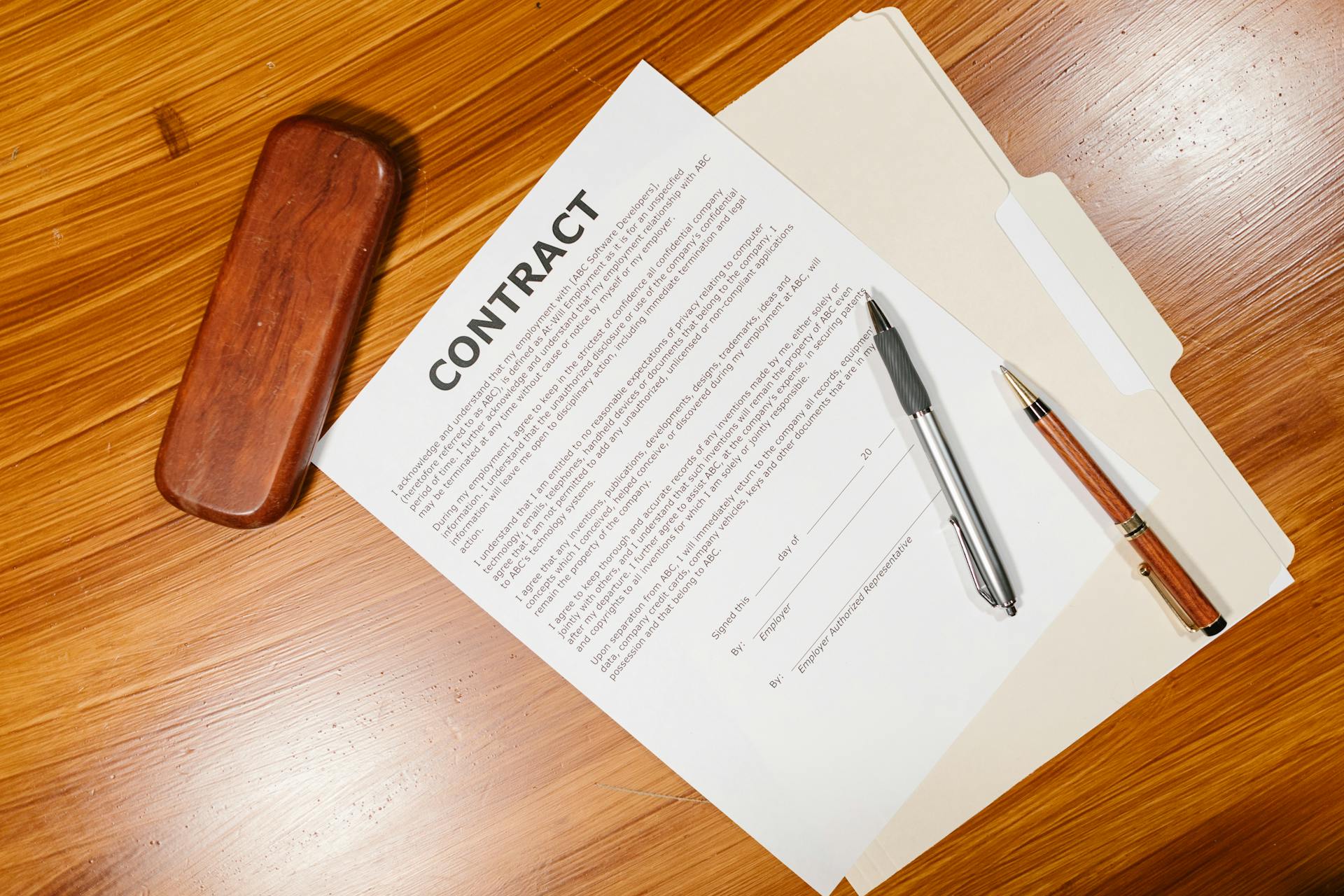
A futures contract is a type of financial instrument that allows you to buy or sell an asset at a predetermined price on a specific date in the future. It's a way to hedge against potential losses or gains in the market.
Futures contracts are standardized, meaning they have set terms, such as the quantity and quality of the asset being traded. This standardization makes it easier to understand and compare different contracts.
A futures contract can be used to speculate on price movements, but it's also a valuable tool for managing risk. For example, a farmer can use a futures contract to lock in a price for their crops, protecting themselves from market fluctuations.
The Chicago Mercantile Exchange (CME) is one of the largest futures exchanges in the world, offering contracts on a wide range of assets, including commodities, currencies, and indices.
Take a look at this: Equity Market Futures
What is a Futures Contract?
A futures contract is an agreement to buy or sell an underlying asset at a later date for a predetermined price. Investors can use this contract to profit from price fluctuations in the underlying asset.
By purchasing the right to buy or sell the underlying asset, an investor expects to profit from a price increase or decrease. This is a key concept in understanding futures contracts.
A financial analyst can profit from the right to buy if the price of the underlying asset increases, allowing them to resell the asset at the higher current market price. They can then exercise their right to buy the asset at the lower price obtained through buying the futures contract.
Investors profit from the right to sell if the price of the underlying asset decreases, selling the asset at the higher market price secured through the futures contract and then buying it back at the lower price.
Types of Participants
Futures contracts attract a variety of participants, each with their own motivations and strategies.
There are two main types of participants in the futures market: hedgers and speculators. Hedgers use futures contracts to protect themselves against price volatility in the underlying commodity.
Hedgers take a side of the contract to mitigate their exposure to price changes. For example, a corn farmer might sell short a number of December corn futures contracts to lock in a price and protect against a drop in corn prices.
Speculators, on the other hand, buy grain futures if they believe the grain price will rise before delivery. They're betting on the price movement, rather than trying to protect themselves against it.
Hedgers
Hedgers are businesses or individuals that use futures contracts to protect themselves against volatile price movements in the underlying commodity. They aim to lock in a price to ensure they can buy or sell a commodity at a predetermined price.
A good example of hedging is a corn farmer and a corn canner. The corn farmer wants protection from corn prices decreasing, while the corn canner wants protection from corn prices increasing.
Hedgers use futures contracts to mitigate their exposure to price volatility. They can either buy or sell futures contracts to lock in a price, depending on their needs.
Consider reading: How to Buy Gold Futures
For instance, a corn farmer might sell short December corn futures contracts to lock in a price of $3 a bushel in July, and then close out the trade by buying the contracts back at the lower price of $2.50 a bushel in December. This way, they can make up the 50-cent market price drop through a 50-cent per bushel profit on their futures trade.
A list of examples of hedgers includes:
- Corn farmers who sell short December corn futures contracts to lock in a price
- Corn canners who buy December corn futures contracts to lock in a price
- Oil producers who use futures contracts to lock in a price for oil
- Manufacturing companies that use futures contracts to lock in a price for oil
Speculators
Speculators are independent traders and investors who trade futures contracts. They may use their own money or trade on behalf of clients or brokerage firms.
Speculators can take advantage of the futures market's greater volatility, which means prices tend to fluctuate more than stock or bond prices. This increased volatility provides more opportunities to profit from short-term price fluctuations.
Futures contracts are highly leveraged investments, requiring only 10-15% of the underlying asset's value as margin. This allows traders to ride the full value of the contract as prices move up and down.
Related reading: Trade Futures Contracts
Futures contracts are harder to trade on insider information, as there is no such thing as insider information on weather or other factors affecting commodity prices. This makes the futures market a more level playing field for speculators.
Here are some key advantages of futures contracts for speculators:
- Greater volatility provides more opportunities to profit from short-term price fluctuations
- Highly leveraged investments allow traders to trade larger amounts with less money
- Commission charges are small relative to other investments
- Commodity markets are very liquid, with transactions completed quickly
Key Concepts
A futures contract is a standardized agreement that allows buyers and sellers to trade an underlying asset at a predetermined price on a future date. This contract is traded on regulated exchanges, ensuring a high level of regulation and oversight.
The two main purposes of futures contracts are hedging and speculation. Hedging involves securing prices against market fluctuations, while speculation involves betting on future price movements for profit. This is a key concept to understand when working with futures contracts.
Here are the key components of a futures contract:
Futures contracts are created by regulated exchanges, which standardize the specifications of each contract. This ensures that all participants have a clear understanding of the terms and conditions of the contract.
A Standardized

Futures contracts are standardized agreements that specify the quality, quantity, physical delivery time, and location for the given product. This is a key characteristic of futures contracts that allows buyer or seller to easily transfer contract ownership to another party by way of a trade.
The specifications of the contract are identical for all participants, making it easy to transfer ownership. For example, a contract for 5,000 bushels of corn to be delivered in March is the same for all participants.
The only contract variable is price, which is discovered by bidding and offering until a match, or trade, occurs. This is how futures contracts are priced.
Here are some examples of standardized futures contracts:
Futures contracts are products created by regulated exchanges, which are responsible for standardizing the specifications of each contract. This ensures a high level of regulation and oversight in the futures markets.
Margin Requirements
Margin requirements for futures contracts are typically between 3-10% of the underlying contract value. This means you can control a large number of assets with a relatively small amount of capital.
High leverage can result in substantial returns on invested capital, but it can also lead to significant losses.
Margin requirements are the same for both long and short positions, which means you'll need to meet the same minimum requirement regardless of whether you're buying or selling a contract.
Futures contracts are highly leveraged, giving traders the ability to make a big impact with a small amount of capital.
Practical Uses
Futures contracts are used by two main categories of market participants: hedgers and speculators.
Hedgers use futures contracts to limit their risk and control their costs of operation.
A farmer may sell a futures contract to lock in a price to sell their crop and avoid a potential loss from declining prices.
The farmer knows exactly how much money they'll receive by selling the crop at the agreed-upon price.
A soybean meal manufacturer buys a futures contract to lock in a price to purchase soybeans, control production costs, and avoid price increases.
By buying the contract, the manufacturer can assure delivery of the product on the agreed-upon date.
Trading Strategies
To profit from futures, you can take a "long" position as the buyer, which means you'll profit if the price of the underlying asset increases.
The key to successful trading is understanding your position – whether you're a buyer or seller. As the buyer, you're essentially betting on the price going up. If it does, you'll make a profit.
The seller, on the other hand, is taking a "short" position, which means they'll profit if the price of the underlying asset declines. This is often used by investors who want to hedge against potential losses.
There are two primary uses for futures: hedging and speculation. Hedging is used to protect against downside risk, while speculation is used to make bets on price movements.
Here's a breakdown of the two:
Whether you're hedging or speculating, it's essential to understand the risks involved. Futures can be volatile, and prices can fluctuate rapidly. But with the right strategy and knowledge, you can navigate the market and make informed decisions.
Comparison and Equivalents
Futures contracts and forwards contracts are often confused with each other, but they have some key differences.
Futures contracts are exchange-traded and have standardized contract specifications, which provides transparency and regulation.
In contrast, forwards contracts are private agreements between a buyer and a seller, and are often traded over the counter (OTC) without the same level of regulation.
Futures contracts can be traded on an exchange, making them more accessible to retail investors, while forwards contracts are less accessible due to their OTC nature.
One key benefit of futures contracts is that they can be traded on an exchange, which provides a transparent and regulated market.
Forwards contracts, on the other hand, offer more flexibility in terms of customization, as the buyer and seller can agree on specific terms and contract specifications.
Futures contracts are often used for speculation and hedging, similar to forwards contracts, but the standardized nature of futures contracts makes them more attractive to some investors.
Overall, while futures contracts and forwards contracts share some similarities, their differences in terms of regulation, accessibility, and customization make them distinct options for investors.
Recommended read: Seller Financing Agreement
Who Trades and How
Oil producers who think oil prices will rise in the future may opt not to lock in a price now, but instead enter into a futures contract to guarantee a sale price.
The futures markets are regulated by the Commodity Futures Trading Commission (CFTC), a federal agency created by Congress in 1974.
Standardized contracts are used in futures trading, with one oil contract on the Chicago Mercantile Exchange (CME) being for 1,000 barrels of oil.
To lock in a price on 100,000 barrels of oil, someone would need to buy or sell 100 contracts, while 1 million barrels would require 1,000 contracts.
Futures contracts are priced using a mathematical model that takes into account various factors, including the current spot price and the time to maturity.
Related reading: Futures Algorithmic Trading Strategies
Who Trades?
There are two types of people who trade futures contracts: hedgers and speculators. Hedgers use futures to lock in a price today to reduce market uncertainty between now and the time that good is to be delivered or received.
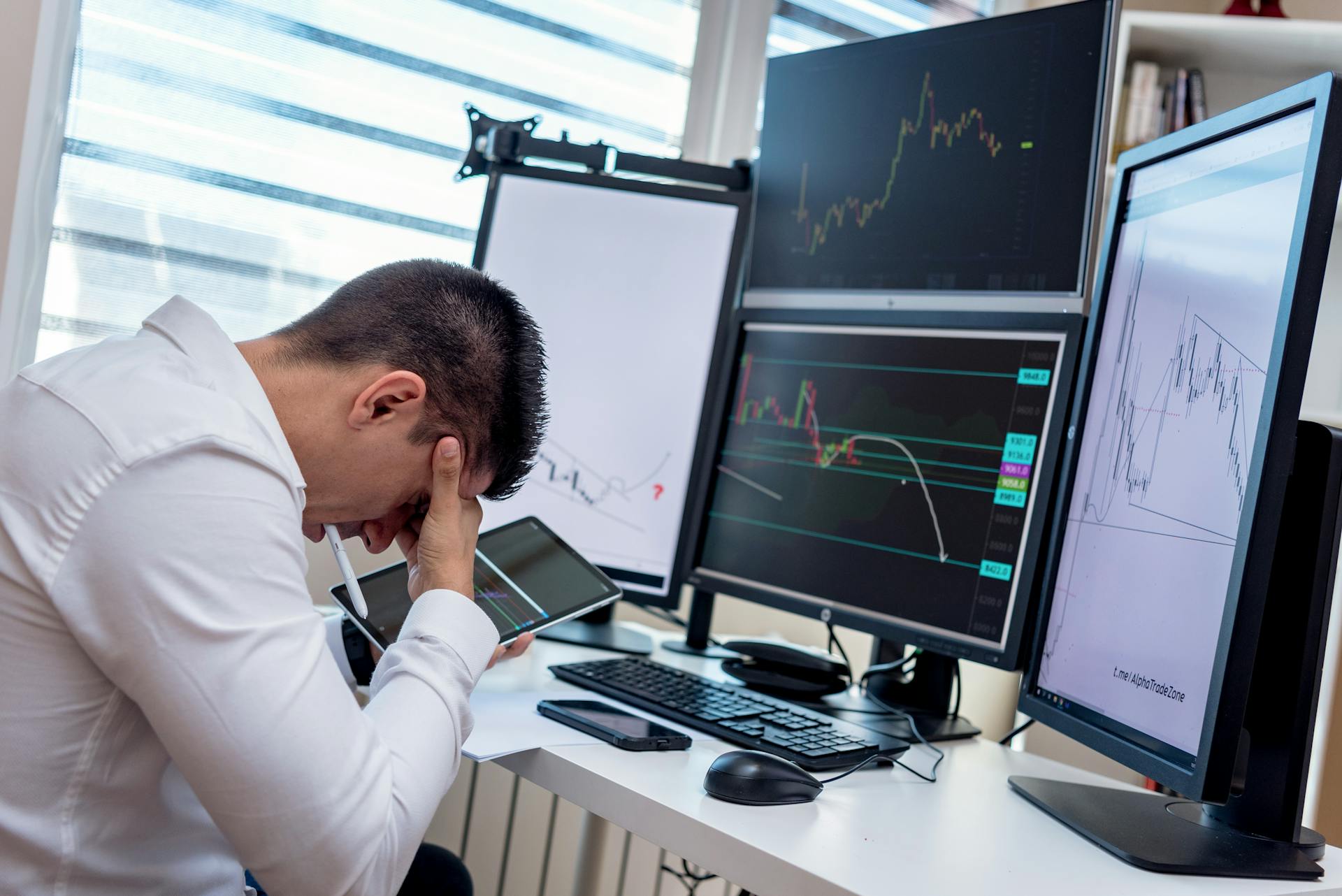
Hedgers are often investors who intend to sell a specific asset in a large quantity someday in the future, and futures protect against downside risk by helping them recoup losses if the asset were to decline substantially in value. Speculators, on the other hand, make speculative bets surrounding asset price movements in the hopes of receiving high returns.
Speculators can use futures contracts to bet on the future price of some asset or security. They don't actually intend to receive or deliver the underlying asset, but rather to capture a profit on the price moves of the asset.
Here's a breakdown of the two types of traders:
Both types of traders use futures contracts to achieve their goals, but they have different motivations and strategies.
How Work
So, you want to know how futures contracts work? Well, let's break it down. A futures contract is a standardized legal agreement between two parties to buy or sell a specific commodity, asset, or security at a predetermined price on a specified future date.
The contract is designed to facilitate trading on futures exchanges, ensuring standardized terms for quality and quantity. This allows for efficient market operations. Buyers commit to purchasing the underlying asset at contract expiration, while sellers commit to delivering it.
Here's an example of how it works. Let's say an oil producer thinks oil will be higher in one year, so they opt not to lock in a price now. But, if they think $75 is a good price, they could lock in a guaranteed sale price by entering into a futures contract.
The price of a futures contract is determined by a mathematical model that takes into account various factors, including the current spot price, the risk-free rate of return, time to maturity, storage costs, dividends, dividend yields, and convenience yields. For example, one-year oil futures contracts might be priced at $78 per barrel.
Contracts are standardized, which means that one oil contract on the Chicago Mercantile Exchange (CME) is for 1,000 barrels of oil. If someone wanted to lock in a price on 100,000 barrels of oil, they would need to buy/sell 100 contracts. To lock in a price on one million barrels of oil, they would need to buy/sell 1,000 contracts.
Check this out: Options Settlement T+1
Here's a quick rundown of the key terms in a futures contract:
- Quantity of Asset: This specifies the amount of the underlying asset that will be exchanged.
- Purchase Price of Asset (or Sale Price from Seller’s Viewpoint): This is the predetermined price at which the asset will be bought or sold.
- Date of Transaction (i.e. Payment and Delivery Timing): This specifies when the payment and delivery of the asset will take place.
- Quality Standards: This outlines the specifications for the quality of the underlying asset.
- Logistics (e.g. Location, Method of Transport if Applicable): This specifies the details of how the asset will be transported or delivered.
In a futures contract, the buyer is obligated to purchase the underlying asset at the predetermined price and receive the asset once the contract has expired. The seller, on the other hand, is obligated to sell the underlying asset at the agreed-up price and deliver the asset to the buyer per the schedule outlined in the contract.
Trading Options
You can trade futures contracts purely for profit, without actually delivering or receiving the underlying asset. This is because futures contracts can be closed before expiration, allowing you to capture a profit on price moves.
For example, if you believe the price of oil will rise before the contract expires, you can buy the contract at $55 and control 1,000 barrels of oil without paying the full $55,000. Instead, you'll only need to make an initial margin payment, typically a few thousand dollars.
Futures contracts can be traded on various exchanges, and each contract has its own specifications, including expiration dates. Make sure to check the contract specifications before trading, as expiration dates can vary.
Here are the key benefits of trading futures contracts for profit:
- Initial margin payments are typically low, making it easier to get started.
- You can close the position before expiration to capture a profit.
- The profit or loss of the position fluctuates in your account as the price of the futures contract moves.
Keep in mind that if the loss gets too big, your broker may ask you to deposit more money to cover the loss, known as maintenance margin.
Frequently Asked Questions
Do you need $25,000 to trade futures?
No, you don't need $25,000 to trade futures, as some brokers offer lower minimums or micro contracts that allow smaller accounts to trade with lower margin. However, the $25,000 minimum typically applies to stocks, not futures.
What difference is there between a futures contract and a forward contract?
The main difference between a futures contract and a forward contract is how often they are settled, with futures contracts settled daily and forwards settled at maturity. This difference affects how they are traded, with futures contracts publicly traded on exchanges and forwards typically traded over-the-counter.
Featured Images: pexels.com