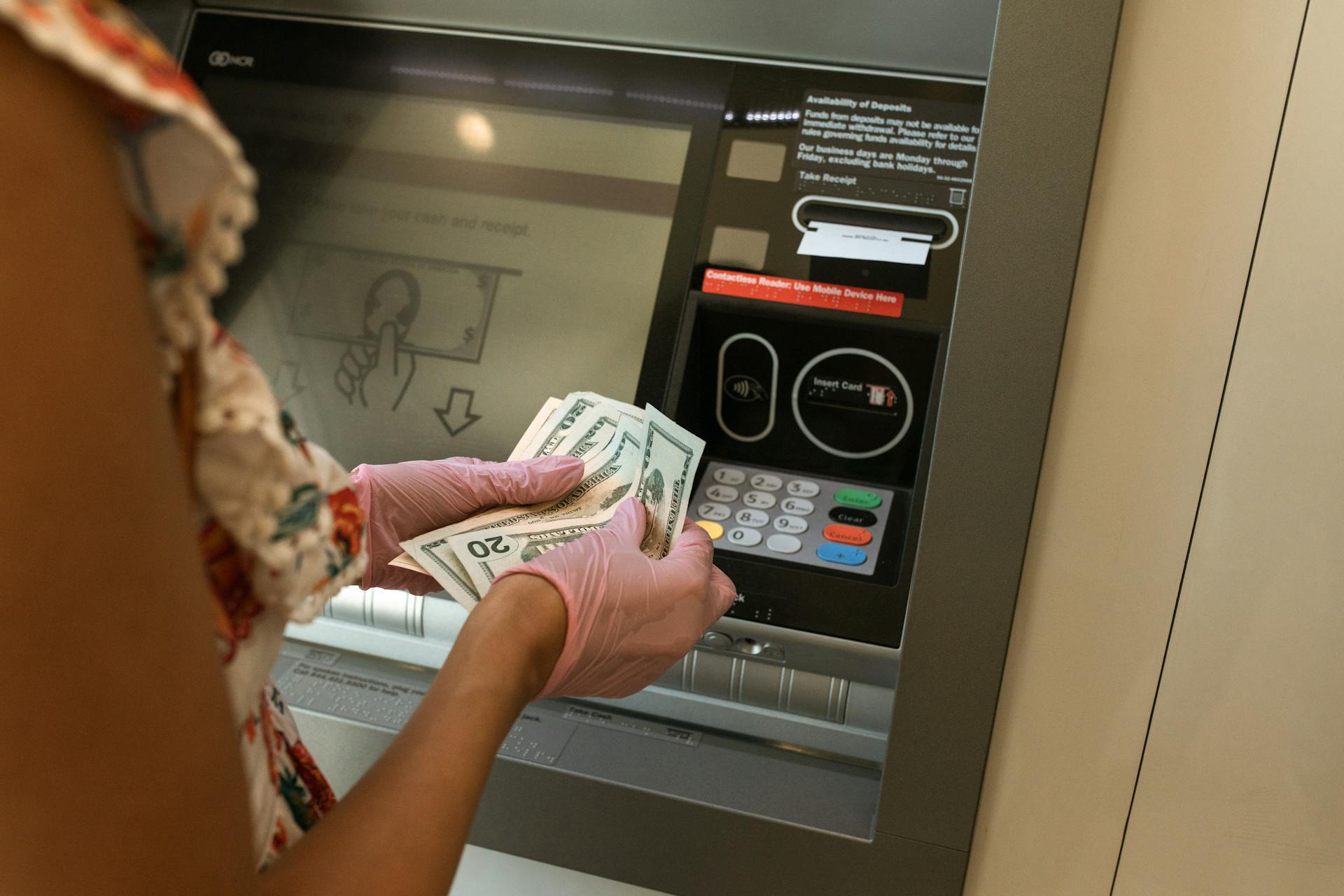
A direct deposit is a convenient way to receive your paychecks, benefits, or government payments directly into your bank account.
This eliminates the need to visit a bank or post office to deposit a check or cash a payment.
You can set up direct deposit through your employer, bank, or government agency, depending on the type of payment.
To do so, you'll need to provide your bank account information, such as your account number and routing number.
Some employers even require direct deposit for paychecks, making it a necessary step for receiving your wages.
Direct deposit is typically free and can be set up online, over the phone, or in person at your bank.
The Benefits of
Direct deposit offers faster access to your money, often early in the morning, eliminating delays caused by waiting for physical checks or clearing times.
This makes direct deposit a reliable solution for managing cash flow and ensuring your money is available exactly when you need it.
Security is another major benefit, as direct deposit reduces the risk of lost, stolen or damaged checks since the entire process is handled electronically.
Employers and banks use secure systems to transfer funds, protecting your money and personal information from potential fraud.
Direct deposit is also incredibly convenient, eliminating the need to visit a bank, wait in line or manually deposit a check.
Whether you're at home, at work or traveling, your money is automatically deposited into your account, saving you time and effort.
Many individuals use this convenience to automate their savings by splitting deposits into multiple accounts.
Direct deposit can also improve budgeting and financial planning, as knowing exactly when your funds will arrive makes it easier to manage expenses, pay bills on time and avoid overdraft fees.
By setting up automatic transfers to savings or investment accounts, you can consistently work toward financial goals without worrying about forgetting to save.
Direct deposit can often lead to cost savings, with many banks offering perks like waiving account maintenance fees for customers who use direct deposit.
You also save on check-cashing fees and avoid transportation costs associated with visiting the bank.
These small savings can add up over time, making direct deposit a practical choice for managing your finances efficiently.
Here are some of the key benefits of direct deposit:
- Faster access to funds
- Increased security
- Convenience
- Better budgeting opportunities
- Cost savings
- Environmental benefits (by reducing the need for paper checks)
By offering these benefits, direct deposit is an essential tool for simplifying your financial life and reaching your financial goals.
Setup and Process
Setting up direct deposit is a straightforward process that requires some basic banking information. You'll need to provide your bank account number and routing number to your employer or payment provider.
To get started, you can find this information on a check, your bank's website, or by contacting your bank directly. Make sure to sign up for direct deposit with your employer and banking institution of choice.
It can take one to two pay cycles for direct deposit to begin, so keep an eye on your bank account to confirm when the first transfer arrives. Review your pay stubs or payment statements to ensure the deposit matches the expected amount.
Here's a step-by-step guide to setting up direct deposit:
Once the form is completed, submit it to your employer, payment provider, or relevant organization.
How It Works
Direct deposit is a safe and convenient way to receive payment. It's a method that's commonly used to transfer employee salaries, tax refunds, and government benefits like Social Security.
To set up direct deposit, you'll need to provide the name of your bank, your account number, and the bank's routing number to the payer. Alternatively, you can provide a voided check with the same information printed on it. This process can take a few days to complete.
Here's a step-by-step overview of the direct deposit process:
Once the depositor has the required information, they enter it into their banking system. Funds are transferred electronically and are deposited into the recipient's account at midnight on the payment date. Since the funds clear automatically through the ACH, they are available immediately, so there's no need for the bank to put a hold on them.
With direct deposit, your employer electronically sends your pay to your bank ahead of the upcoming payday, and your bank releases the funds to your account on the scheduled dates. As soon as your payday arrives, your pay shows up in your account and you can access it immediately.
A fresh viewpoint: What Bank Makes Check Deposits Available Immediately
How to Set Up
Setting up direct deposit is a straightforward process, whether it's for a paycheck, government benefits, or other recurring payments. You'll need to provide basic banking details, including your bank account number, bank's routing number, and the type of account you want the funds deposited into.
To find this information, you can check a check, your bank's website, or contact your bank directly. Your bank's routing number identifies your financial institution, so make sure you have it handy.
To set up direct deposit, you'll need to fill out a direct deposit form, which can usually be found on your employer's website or by contacting their payroll department. Make sure to fill in your personal details and banking information accurately to avoid delays.
Most institutions now allow you to submit this form digitally through an online portal. For government benefits or tax refunds, you may be able to set up direct deposit through a secure website or by contacting the agency directly.
Here's an interesting read: Contacting Employees on Fmla Leave

Once you've completed the form, submit it to your employer, payment provider, or relevant organization. It can take one to two pay cycles for direct deposit to begin, so keep an eye on your bank account to confirm when the first transfer arrives.
You can also split your direct deposit across multiple accounts, which is especially helpful for automating savings goals, such as building an emergency fund or saving for a major purchase.
Here are the basic banking details you'll need to provide:
- Your bank account number (for checking or savings)
- Your bank's routing number, which identifies your financial institution
- The type of account you want the funds deposited into (checking or savings)
Key Information
Direct deposit is a convenient way to receive payments, and it's widely used in the US. 93% of U.S. workers use direct deposit, making it the standard way Americans get paid.
Enrolling in direct deposit is easy, taking just a minute to set up with your bank account's routing number and account number. You can get your paycheck up to two days early, which can help your savings grow faster.
Many banks offer perks to direct deposit customers, including waived monthly fees, early paycheck access, and higher interest rates on savings accounts. This can be a great incentive to sign up for direct deposit.
You can split your direct deposit between multiple accounts to automate your savings strategy. This can be a useful feature for those who want to set aside money for specific goals or expenses.
Comparison and Analysis
Direct deposit is a convenient way to receive payments, and it's especially useful for regular paychecks or government benefits.
In the US, direct deposit is a common practice, with over 70% of employees receiving their paychecks via direct deposit.
Direct deposit allows you to receive your money as soon as it's processed, without having to wait for a check to arrive in the mail.
According to the Electronic Fund Transfer Act, employers are required to offer direct deposit as an option to their employees.
See what others are reading: How Long to Receive My Irs Efund via Efile
Direct deposit is also a secure way to receive payments, as it eliminates the risk of lost or stolen checks.
Direct deposit can be set up through your employer's payroll department or online banking system.
Direct deposit can be cancelled or changed at any time, usually by contacting your employer or bank.
Direct deposit is a free service offered by most banks and employers, making it a cost-effective option for receiving payments.
Frequently Asked Questions
Does Zelle count as direct deposit?
No, Zelle payments are not considered a direct deposit. This means they may not be eligible for certain benefits or requirements that apply to traditional direct deposits.
Featured Images: pexels.com