In business, a greenfield project is a new venture that involves building something from scratch, without any existing infrastructure or assets. This approach is often used when entering a new market or creating a new product.
A key advantage of greenfield projects is that they allow companies to design and build their operations from the ground up, without being constrained by existing systems or processes. This can be particularly beneficial in industries with rapidly changing technologies.
Greenfield projects can be more cost-effective in the long run, as companies can avoid the costs associated with renovating or upgrading existing infrastructure. This can also lead to increased efficiency and productivity.
You might like: Business Credit Cards New Business
What is Greenfield in Business
Greenfield in business refers to creating a new business venture from scratch in a completely new market or location. This type of investment allows companies to establish their own business model, providing them with greater control and flexibility.
Companies may choose to undertake a Greenfield investment when they want to enter a new market or industry, or when they want to expand their operations beyond their current territories. Greenfield investments can be a risky proposition, as a company must invest significant amounts of time and money to establish their business in a new location.
Recommended read: Cornering the Market
A prominent example of a successful Greenfield investment is Toyota's decision to establish a manufacturing plant in Kentucky in the 1980s. Toyota's investment ultimately proved successful, as the company was able to establish a strong foothold in the US market.
Greenfield investments can be beneficial because they allow for complete control over the new facility's design and operations. This is particularly appealing to real estate developers and software teams, who can define everything as they see fit.
Here are five facts about Greenfield investment:
- Green-field investment is a type of foreign direct investment where a company builds a new facility in a foreign country.
- Green-field investment is considered riskier than other forms of investment because the company has no established relationships or infrastructure in the foreign country.
- Green-field investment can be beneficial because it allows for complete control over the new facility's design and operations.
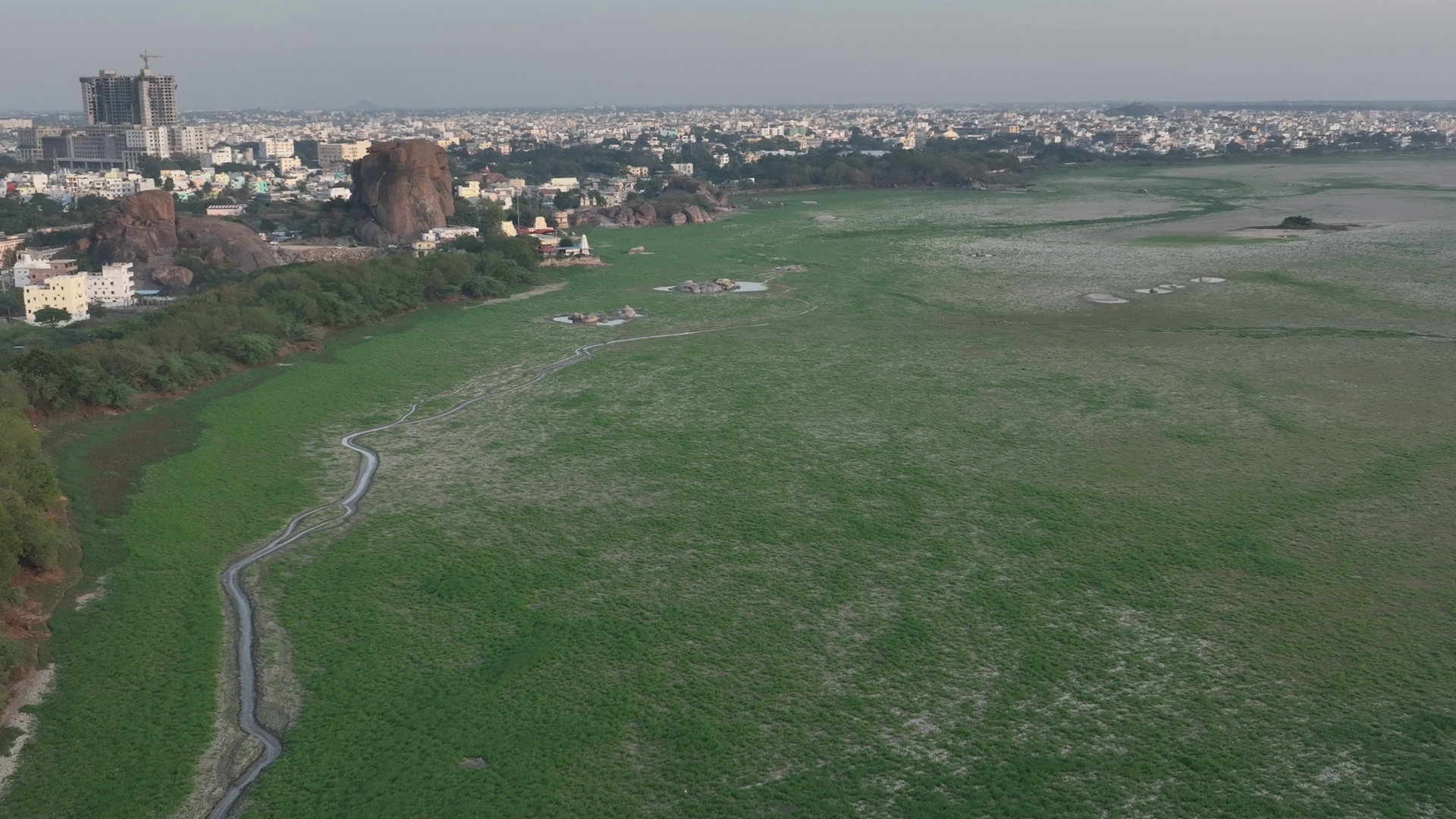
- The term "green-field" comes from the idea of building on undeveloped land, which is often green in color.
- Examples of companies that have engaged in green-field investment include Toyota, Samsung, and Coca-Cola.
Characteristics of Greenfield
A greenfield project is a brand-new project, unencumbered by existing constraints. This means you won't be limited by legacy processes.
One of the main benefits of a greenfield project is that you won't be constrained by things like coding language, project management framework, or team roles. This gives you the freedom to start from scratch and build something entirely new.
Here are some of the key characteristics of a greenfield project:
- Coding language: You're free to choose the language that best suits your needs.
- Project management framework: You can select the framework that works best for your team.
- Team roles: You can define the roles and responsibilities that make sense for your project.
Starting a greenfield project requires more work and risk, but it also offers a clean slate and the opportunity to build something truly innovative.
Challenges of Greenfield
Greenfield projects are exhausting because they require starting everything from scratch. Your team will need to write user personas, research target markets, validate your idea, build processes for team collaboration and project tracking, and earn decision-maker approval to proceed with the project.
Some of the many tasks involved in a greenfield project include writing user personas, researching target markets, validating your idea, building processes for team collaboration and project tracking, and earning decision-maker approval to proceed with the project.
Starting a greenfield project is also risky, as there's a chance the product will fail and that's a catastrophe for your company. The misfire will be a public embarrassment that could hurt your company's brand and credibility.
A failed greenfield project can be costly, as seen with Microsoft's first foray into digital music players, the Zune. This failure was especially notable because the iPod and several other mp3 players were already on the market, giving Microsoft the benefit of studying market trends.
Suggestion: What Does Accredited by Better Business B Mean
Greenfield projects have many unknowns, which can make them challenging to execute. You'll be charting new territory, and the upside is that anything is possible, but that's also part of the downside: anything is possible. This means your product will take longer to bring to market, and outside forces could undermine your plans.
Projects Are Exhausting
Starting a project from scratch can be a daunting task. Kicking off a project from the ground up has its downsides as well.
Greenfield projects are exhausting because you'll need to start everything from scratch. This includes writing user personas, researching your target markets, and validating your idea. Your team will also need to build processes for team collaboration and project tracking. And, to top it off, you'll need to earn decision-maker approval to proceed with the project.
Some of the many tasks your team needs to complete include:
- Writing user personas
- Researching your target markets
- Validating your idea
- Building processes for team collaboration and project tracking
- Earning decision-maker approval to proceed with the project
Projects Have Unknowns
Projects have unknowns. A greenfield project, by definition, involves charting new territory, and that's both a blessing and a curse. The upside is that anything is possible, but the downside is that anything is possible – and that can be overwhelming.
A new product will take longer to bring to market, and outside forces can undermine your plans at any moment. A competitor might launch a similar product before yours is ready, or a sudden downturn in the economy or your industry could lessen the chances of early revenue.
A greenfield project means starting without a well-defined user or buyer persona, or feedback from key personas. This makes it harder to estimate the product's total addressable market and the most effective selling messages and pricing models.
Some of the unknowns of a greenfield project include:
- Will your user and buyer personas want your product when it's finally available?
- Will a competitor launch a similar product before yours is ready?
- Will a sudden downturn in the economy or your industry affect your chances of early revenue?
These unknowns can be daunting, but they're also an opportunity to innovate and create something truly new and groundbreaking.
Examples and Implementation
Let's explore some real-life examples of green-field investments. Toyota's investment in Alabama is a great example of how this type of investment can help a company set up in a foreign market.
Green-field investments can be found in various countries, such as Vietnam, where Samsung has invested. This shows that green-field investments can be a viable option for businesses looking to expand globally.
In addition to these examples, green-field implementation involves considering key questions in each phase of a project, such as a Salesforce implementation. This process can help businesses understand what to expect and plan accordingly.
Worth a look: Does S Corp Pay Corporate Taxes
Examples of Green-Field
Examples of Green-Field investment are quite impressive, and I'd like to share a few notable ones with you. Toyota's investment in Alabama is a great example of how green-field investment can help a company set up in a foreign market.
Green-field investment involves building a new facility in a foreign country, which can be beneficial for companies looking to expand their operations. This type of investment is considered riskier than others because the company has no established relationships or infrastructure in the foreign country, but it also allows for complete control over the new facility's design and operations.
Companies like Toyota and Samsung have successfully engaged in green-field investment, with Toyota building a new facility in Alabama and Samsung investing in Vietnam. These investments have helped these companies establish a presence in new markets and expand their operations.
Here are some notable examples of companies that have engaged in green-field investment:
The term "green-field" comes from the idea of building on undeveloped land, which is often green in color. This type of investment can be beneficial for companies looking to establish a presence in a new market and expand their operations.
Implementation

Implementation can be a complex process, but understanding the phases involved can make it more manageable. You can expect to go through a Greenfield Implementation, which is a type of implementation that involves a complete overhaul of your existing systems.
This type of implementation requires careful planning and consideration of key questions in each phase. To better understand what to expect, it's essential to consider these questions throughout the process.
A Greenfield Implementation is often compared to building a new house from scratch, where every aspect is designed and built to meet specific needs. This analogy can help illustrate the level of customization and attention to detail involved in this type of implementation.
A unique perspective: Credit Cards Processing
Featured Images: pexels.com