
Fire insurance is a type of property insurance that protects homeowners and businesses from financial losses due to fire damage. It's a crucial coverage to have, especially if you own a home or business in an area prone to wildfires.
Fire insurance typically covers the cost of repairing or rebuilding your property after a fire, as well as any personal belongings that were damaged or destroyed. This includes furniture, appliances, and other household items.
The coverage amount will depend on the policy you choose, but it's usually based on the value of your property and its contents. For example, if your home is worth $200,000 and you have $100,000 worth of personal belongings, your fire insurance policy would need to cover at least $300,000 in damages.
Additional reading: Does Homeowners Insurance Cover Rental Property
What Fire Insurance Covers
Your home and personal property are protected against damage from fires, including electrical fires, fire pit mishaps, and other accidental fires, under your standard homeowners insurance policy.
Worth a look: Does Car Insurance Cover Electrical Fires
Homeowners insurance typically includes fire insurance coverage, even in basic policies.
You can make a claim with your regular insurance if an earthquake knocks down an electrical line and sets your home on fire.
Standard home insurance usually covers smoke damage, too, which can damage walls, furniture, and other objects.
Your insurance company will pay up to your coverage limits minus your deductible after a fire.
Liability coverage protects against lawsuits and related damage if a fire spreads from your house to a neighbor's property.
Homeowners insurance covers your home and belongings against several types of hazards, also called "named perils." Fire is one of the 16 named perils included in your standard homeowners insurance policy.
Here are the most common types of fire insurance coverages:
- Dwelling Coverage: pays for the cost to repair your home or pay you a lump sum, minus your homeowners insurance deductible, in the event that the structure of your house is destroyed by fire.
- Personal Property Coverage: helps to pay for the cost to replace your stuff, up to your personal property coverage limit, if your house catches fire and the things inside it are damaged or destroyed.
Personal property coverage may pay to repair or replace your personal belongings damaged or destroyed in a fire, such as furniture, clothing, and electronics.
A different take: What Does Personal Property Insurance Cover
How Fire Insurance Works
A standard homeowners insurance policy usually includes fire insurance, providing coverage against loss and damage to your home and possessions. This includes the interior and exterior of the home and any assets kept on the property.
Additional reading: Does Home Owner Insurance Cover Plumbing
Your policy may also cover injuries that someone sustains while on the property. This is especially important if you have a mortgage, as your lender will likely require you to have homeowners insurance before approving the loan.
Fire insurance can be purchased as a stand-alone policy, covering you against fire loss or damage from various sources, such as faulty wiring, gas explosions, lightning, and natural disasters. It may also cover burst pipes and overflowing water tanks.
Fire insurance pays to fix damage to your home and other structures on your property after a fire. It also covers the cost of repairing or replacing your belongings, like furniture and clothes.
If this caught your attention, see: Maximum Flood Insurance Coverage for Commercial Property
Protecting Your Home and Property
Most basic homeowners insurance policies cover fire and smoke damage, including damage to your home, personal property, and other structures on your property. Your personal property coverage will help pay for the cost to replace your belongings, up to your personal property coverage limit, minus your deductible.
Expand your knowledge: Insurance Cover or Coverage
Your dwelling coverage will help pay for the cost to repair or rebuild your home, up to your dwelling coverage limit, minus your deductible. This coverage is essential to ensure you have enough protection to match the value of your home.
If you live in an area with a high risk of wildfires, your insurance company may exclude wildfire damage from your policy. However, you can consider purchasing a separate dwelling fire coverage policy to get more protection.
Other structures on your property, such as detached garages, barns, or tool sheds, may also be covered by your homeowners insurance policy. Other structures coverage may pay to rebuild or repair those structures if they are damaged or destroyed by fire.
Here are some common types of fires that are typically covered by standard homeowners policies:
- Electrical fires
- Fires caused by fireplaces or fire pits
- Kitchen fires
Keep in mind that even if your policy doesn't cover the cause of the fire, your insurance company will still pay to fix fire damage up to your coverage limits minus your deductible.
Special Considerations
A policyholder should check their home’s value each year to determine if they need to increase their coverage amount. Keep in mind that you cannot get insurance for more than a home’s actual value.
Standard homeowners insurance policies often include coverage for fire, including costs related to repairing your home and additional expenses such as relocation.
You may want more extensive coverage if your policy excludes coverage for fire damage, especially if your property contains valuable items that cannot be covered with standard coverage.
Check this out: Does Home Insurance Cover Garage Door
Special Considerations
It's essential to regularly check your home's value to determine if you need to increase your coverage amount. This ensures you're not underinsured in the event of a fire.
You can't get insurance for more than your home's actual value, so it's crucial to keep this in mind. Insurance companies may offer separate policies for rare and expensive items that aren't covered in standard fire insurance.
Explore further: Does Homeowners Insurance Cover Siding Replacement
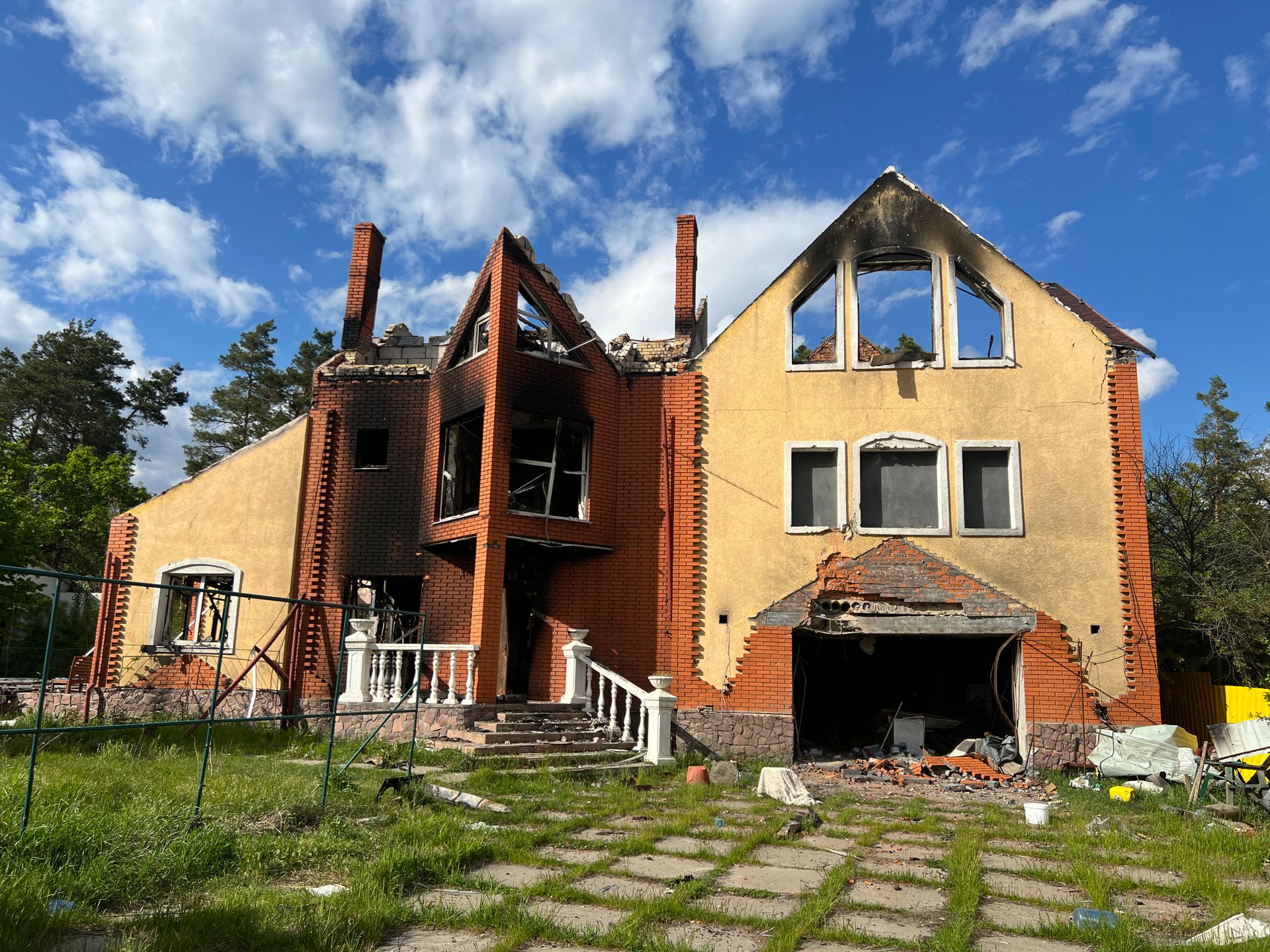
Standard homeowners insurance policies often include coverage for fire, including costs related to repairing your home and additional expenses like relocation. This can provide significant financial protection in the event of a fire.
If your insurance policy excludes coverage for fire damage, you may need to purchase separate fire insurance, especially if your property contains valuable items that can't be covered with standard coverage.
Grease
Grease fires typically only happen in homes with gas ranges, but if your cooking oil catches fire while you’re making dinner, your homeowners insurance should help to cover the damages.
If you're cooking with oil and it starts smoking, it's a sign that it's about to catch fire, so be sure to turn off the heat and carefully pour in a small amount of water to cool it down.
Homeowners Insurance and Fire
Homeowners insurance typically includes fire insurance coverage, which protects your home and belongings against damage from fires, smoke, and other related hazards. This coverage can help pay for repairs, replacements, and additional living expenses if you're temporarily displaced due to a fire.
Standard home insurance policies usually cover smoke damage, not just the physical damage caused by the fire itself. If an earthquake knocks down an electrical line and sets your home on fire, you can make a claim with your regular insurance.
In the event of a fire, your insurance company will pay up to your coverage limits minus your deductible. Liability coverage can also protect you against lawsuits and related damage if a fire spreads from your house to a neighbor's property.
Here are some common causes of fires that are typically covered under standard homeowners policies:
- Gas leaks
- Heating elements
- Lightning strikes
- Power surges
- Wildfires
If you're the victim of arson, your home insurance may cover the damage, but not if you started the fire yourself. Arson is considered a type of vandalism, which home insurance typically covers.
Fire Insurance Examples and Scenarios
Fire insurance policies typically provide coverage regardless of whether the fire originates inside or outside the home. The limit of coverage depends on the cause of the fire.
Most policies reimburse policyholders on either a replacement-cost basis or an actual cash value (ACV) basis for damages. The insurance company may reimburse the home's current market value if it's considered a total loss.
For example, if a policy insures a house for $350,000, the contents are usually covered for at least 50% to 70% of the policy value. This means the contents are covered for $175,000 to $245,000.
Here are some fire insurance claim examples:
Different parts of your home insurance policy cover fire damage to different things. Dwelling coverage pays to repair burned-away or singed portions of your house.
Why Purchase?
Your standard homeowners insurance policy may not be enough to cover the full extent of fire-related damages. Policy limits can cap your coverage, leaving you with a significant financial burden.
If you live in a wildfire-prone area, you may not be covered by your standard policy. Fire insurance can provide reassurance and protection that goes beyond your standard property insurance policy.
Standalone fire insurance can help cover replacement and reconstruction costs in case your place burns down. This can be a lifesaver if you've lost everything.
Fire insurance can also cover losses and damages above your property coverage limit. This means you'll have extra protection in case the fire is more extensive than expected.
If a short circuit in your apartment causes a fire, you're covered. Fire insurance can provide peace of mind in case of unexpected events like this.
Fire Insurance Coverage Options
Most basic homeowners insurance policies cover fire and smoke damage, including damage to your home, belongings, and landscaping.
Standard home insurance usually covers smoke damage, too, which can damage walls, furniture, and other objects.
Your insurance policy should pay to fix fire damage, even if your policy doesn't cover the cause of the fire.
There are different types of fire insurance coverages, including dwelling coverage and personal property coverage.
Dwelling coverage helps pay for the cost to repair your home or pay you a lump sum, minus your homeowners insurance deductible, in the event that the structure of your house is destroyed by fire.
Personal property coverage will help to pay for the cost to replace your stuff, up to your personal property coverage limit.
You can raise your personal property coverage limit and even do what’s called “scheduling” with certain items to give them more comprehensive protection.
The following types of expenses are typically covered under dwelling coverage:
- Repair or replacement of your home's structure
- Temporary living expenses, such as lodging and meals
- Damage to trees, shrubs, plants, or landscaping
The following types of expenses are typically covered under personal property coverage:
- Repair or replacement of your belongings
- Smoke damage to your belongings
Make sure you have enough coverage to match the value of your home and then some, so you're not left with a gap in coverage.
Frequently Asked Questions
What is excluded in fire insurance?
Fire insurance typically excludes intentional damage, war, electrical malfunctions, and missing property from coverage. Understanding these exclusions is crucial for ensuring adequate protection.
Featured Images: pexels.com