
Setting up a work-from-home stipend is a great way to boost employee morale and productivity. A stipend is a fixed amount of money paid to employees to cover expenses related to working from home.
To determine a fair stipend amount, consider the average cost of utilities, internet, and other expenses that employees incur while working from home. According to our research, the average cost of utilities for a home office is around $100 per month.
A well-structured stipend plan can also help manage expenses and reduce financial stress for employees. By setting clear guidelines and reimbursement procedures, companies can ensure that employees are using their stipend for legitimate work-related expenses.
Recommended read: Are You Working Remotely or in the Office
Benefits of WFH Stipend
A WFH stipend is a great way to support your remote employees and boost productivity. It's a long-term investment in your company and its employees, helping to increase employee satisfaction, performance, and retention.
By providing a stipend, employers can help ensure that their employees have a comfortable and ergonomic workspace that can increase job satisfaction. This is especially important as employees are feeling the effects of inflation, and a stipend can help minimize the impact.
If this caught your attention, see: Remote Work Employees
A WFH stipend can also enhance wellness and comfort for remote workers. With the ability to invest in items that can improve the workspace, such as ergonomic chairs or standing desks, workers can do their tasks in a comfortable and healthy environment.
Some companies offer one-time stipends, while others offer monthly stipends. Some cover specific home office setup items, like internet and cell phone services, office equipment, or productivity apps.
According to a Glassdoor survey, four out of five employees would prefer perks and benefits like a WFH stipend over a comparable increase in salary. This makes a WFH stipend a great way to attract new employees and make them happier once they've joined.
Here are some benefits of a WFH stipend:
- Increased productivity
- Improved work-life balance
- Enhanced wellness and comfort
- Increased employee satisfaction, performance, and retention
- Attraction and retention of top talent
- Enhanced connection between employers and their team
Setting Up WFH Stipend
Setting up a WFH stipend can be a great way to show your appreciation for remote workers. You can offer a stipend of $100/month, $500/quarterly, or $2,000 annually.
Additional reading: Stipend
Some companies offer a stipend only to remote team members, while others offer it in addition to what they offer all employees. According to our latest Lifestyle Benefits Benchmarking Report, Compt clients offer everything from $50 to $2,400 per employee per year.
Deciding on a stipend amount can be a challenge. You can choose an amount that fits your company's budget and culture.
Eligible Expenses
A work-from-home stipend can cover a wide range of expenses to help remote workers set up a comfortable and functional home office.
Here are some examples of eligible expenses for a work-from-home stipend: high-speed internet, office equipment like laptops and monitors, office furniture such as desks and ergonomic chairs, and office supplies like sticky notes and paper shredders. These expenses can include internet bills, cell phone bills, and even home office decorations like plants or art.
Some stipends may also cover job-specific tools like Grammarly or Miro, as well as professional development opportunities. Additionally, a stipend may cover expenses like coworking space fees, headphones or noise-cancelling headphones, and even meals or groceries.
Here's an interesting read: Make Your Own Hours Work from Home
To give you a better idea, here are some specific examples of eligible expenses:
- Cell phone bills
- Coworking space fees
- Office equipment (laptops, monitors, web cameras, etc.)
- Office furniture (desks, ergonomic chairs, bookcases, etc.)
- Office supplies (sticky notes, notebooks, printers, etc.)
- Headphones, Airpods, or noise-cancelling headphones
- Internet bills
- Music and podcast subscriptions
- Productivity apps for time management and work performance improvement
- High-speed internet
- Job-specific tools like Grammarly or Miro
- Professional development
- Electric and utility bills
- Meals or groceries
- Home office decorations like plants or art
- Under-desk treadmills or ellipticals
Tax and Finance
As you navigate the world of remote work, understanding the tax implications of your work-from-home stipend is crucial. The stipend is considered taxable income and must be reported on your tax return.
You'll need to set aside a portion of your stipend for taxes, as it's not automatically deducted like a traditional paycheck. This can help you avoid any unexpected tax bills come April.
The IRS considers a work-from-home stipend as a form of income, and you'll need to report it on your tax return under the "Other Income" section.
See what others are reading: Can I Deduct Home Office Expenses If I Work Remotely
From-Home Income is Taxable
In the US, all monetary compensation is taxed regardless of whether it's a salary or stipend, including work-from-home allowances. This means employees must pay taxes on their stipends just like income.
Companies hiring internationally must be aware of local regulations and laws to avoid penalties. Tax laws vary between countries, so it's essential to stay informed.
In Belgium, companies can offer €130 to each employee tax-free, which incentivizes them to provide stipends. This is a notable exception to the general rule that work-from-home income is taxable.
A unique perspective: Wfh Companies That Provide Equipment
From-Home Expenses Mostly Not Tax-Deductible for
From-Home Expenses Mostly Not Tax-Deductible for Employees in the US.
The Tax Cuts and Jobs Act of 2017 prevents employees who receive a paycheck or W-2 from claiming expenses related to setting up and maintaining a home office.
In the US, employees are not allowed to deduct work-from-home expenses, unlike self-employed people, independent contractors, and other gig workers.
Employees in the US who work from home cannot claim expenses for things like office furniture, equipment, phone, internet, and utility bills as tax deductions.
The UK has a different system, where employees working from home can claim £6/weekly in tax relief on household costs, office furniture, and equipment they purchase for work.
For your interest: Business Use of Home Form
Best Practices
To get the most out of a work-from-home stipend, consider implementing a clear and transparent policy that outlines expectations and guidelines for remote work.
A stipend of $100 per month can go a long way in offsetting home office expenses, but it's essential to have a system in place to track and reimburse employees fairly.
To avoid confusion, establish a simple and easy-to-use reimbursement process that allows employees to request funds for approved expenses.
Decide Process Management

Deciding how to manage the remote work process is a crucial step in ensuring its success. You can manage the remote work stipend manually, as mentioned in the article.
Having a clear process in place helps you stay organized and avoid mistakes. This is especially important when managing a remote team, where miscommunication can lead to delays and errors.
Automating the process can save you time and reduce the risk of human error. However, it may require additional setup and maintenance, which can be time-consuming.
A manual process can be more flexible and adaptable to changing circumstances, but it may become overwhelming if the team grows rapidly.
Adding Flexibility
Adding flexibility to your remote work stipend program can be a game-changer for your employees and your business. You can adapt your stipend to fit any working environment, whether it's a 100% remote team, a hybrid work model, or only certain remote/hybrid departments.
Offering flexible space is a great way to add flexibility to your stipend program. With platforms like LiquidSpace, you can find available workspaces according to your size and location requirements, and compare rates on demand. This allows your teams to have more control over where and how they work.

Companies like HubSpot and Buffer offer flexible stipends that cover a range of expenses, from home office setup to wellness benefits and productivity-related expenses. For example, HubSpot provides a quarterly stipend for internet bills, office equipment, and other productivity-related expenses.
Here are some examples of flexible stipends:
These stipends give employees the freedom to choose how they want to work and what expenses they need to cover. By offering flexible stipends, you can attract and retain top talent and drive your business forward in the new normal of remote work.
Additional reading: Do University Stipends Cover Health Insurance
Employer Considerations
As an HR leader, you should consider the strategic benefits of a WFH stipend for your organization. A WFH stipend can align with your company's culture and values, providing a way to demonstrate your commitment to investing in these values.
You should also think about fairness and equality among team members. A WFH stipend helps maintain fairness by ensuring everyone has a conducive work environment, regardless of personal circumstances. This can be especially important for employees with disabilities or caregiving responsibilities.
To ensure you're making the most of a WFH stipend, consider the following points:
- Fairness and Equality: A WFH stipend helps maintain fairness among team members.
- Productivity and Engagement: Proper home office setup can increase productivity and engagement.
- Attracting and Retaining Talent: A WFH stipend can make your organization more appealing to prospective employees.
- Cost-effectiveness: A WFH stipend could save you money in the long run by reducing the need for office space and lowering overhead costs.
Management Considerations
As an employer, considering the needs of your remote workers is crucial for their productivity and engagement. A WFH stipend can help maintain fairness among team members.
A WFH stipend ensures everyone has a conducive work environment, regardless of personal circumstances. This is especially important for employees who may not have a dedicated workspace at home.
Proper home office setup can increase productivity and engagement. If your team has the right tools and a comfortable workspace, they can focus better on their work, leading to better results.
In a global market, offering a WFH stipend can make your organization more appealing to prospective employees. It also shows your current employees that you care about their wellbeing, helping to retain talent.
Here are some key points to consider when thinking about a WFH stipend:
- Fairness and Equality: A WFH stipend helps maintain fairness among team members.
- Productivity and Engagement: Proper home office setup can increase productivity and engagement.
- Attracting and Retaining Talent: In a global market, offering a WFH stipend can make your organization more appealing to prospective employees.
- Cost-effectiveness: A WFH stipend could save you money in the long run by reducing the need for office space and lowering overhead costs.
- Compliance and Tax Implications: Be aware of local laws and regulations around WFH stipends in different countries.
Remember to also consider the cost-effectiveness of a WFH stipend, which could save you money in the long run.
Strategic Benefits for Employers
Offering a remote work stipend can be a strategic benefit for employers, as it aligns with company culture and values. This can be seen in the way companies tailor their perks to match their culture, providing benefits that resonate with employees on a personal level.
By providing a stipend, employers can demonstrate their commitment to investing in their employees' well-being. This can lead to increased employee satisfaction and productivity.
Here are some key benefits of offering a remote work stipend:
- Aligns with company culture and values
- Provides scalability as the company grows or changes
- Encourages mindful spending and a sense of responsibility among employees
- Can increase productivity and engagement among employees
A remote work stipend can also be a cost-effective option for employers, as it can reduce the need for office space and lower overhead costs.
Companies Offering
Companies like Buffer, Basecamp, and LinkedIn have started offering work-from-home employee stipends as a part of their benefits package. This is a great way for employers to show they care about their employees' comfort and productivity while working from home.
Google, for instance, gave its employees $1,000 to cover the costs of work-from-home equipment during the pandemic. This is a significant investment in employee well-being and productivity.
Curious to learn more? Check out: California Remote Work Laws

Shopify took it a step further by providing $1,000 to their team members to buy everything they need to make their work from home effective and comfortable. This kind of support can make a huge difference in an employee's ability to focus and thrive in a remote work environment.
Some companies are even more generous with their stipends. Webflow, for example, offers a range of stipends, including:
These stipends can help employees cover the costs of setting up a functional, comfortable, and productive home office.
Drawbacks of Home Ownership
Some employees may view a work-from-home stipend as a replacement for other benefits or compensation, leading to dissatisfaction and resentment.
A stipend may not cover all the costs associated with working from home, particularly in areas with limited internet access or high utility costs.
Employees may feel that a stipend is not equitable for all employees, especially if it doesn't account for varying living expenses.
A lack of other benefits or compensation can make a stipend feel like a token gesture rather than a meaningful perk.
Employee Perspective
A work-from-home stipend can be a game-changer for remote workers. It can increase productivity by providing a comfortable and ergonomic workspace.
Employees are feeling the effects of inflation, and a stipend can help minimize its impact. By being proactive, employers can send a clear message that they support their employees and value their needs.
One Forma member appreciated their work-from-home stipend, which allowed them to invest in a comfortable workspace.
A different take: Secure Workspace for Remote Work
Home Offices Attract Job Candidates
Home offices attract job candidates because they offer a comfortable and ergonomic workspace, which is essential for productivity and job satisfaction. According to a Glassdoor survey, four out of five employees would prefer perks and benefits like a WFH stipend over a comparable increase in salary.
Companies that offer work-from-home stipends demonstrate their commitment to employee comfort and well-being, making them more attractive to job candidates. This is especially true in today's remote work era, where flexibility and comfort are top priorities.
Additional reading: Whats a Wfh Job
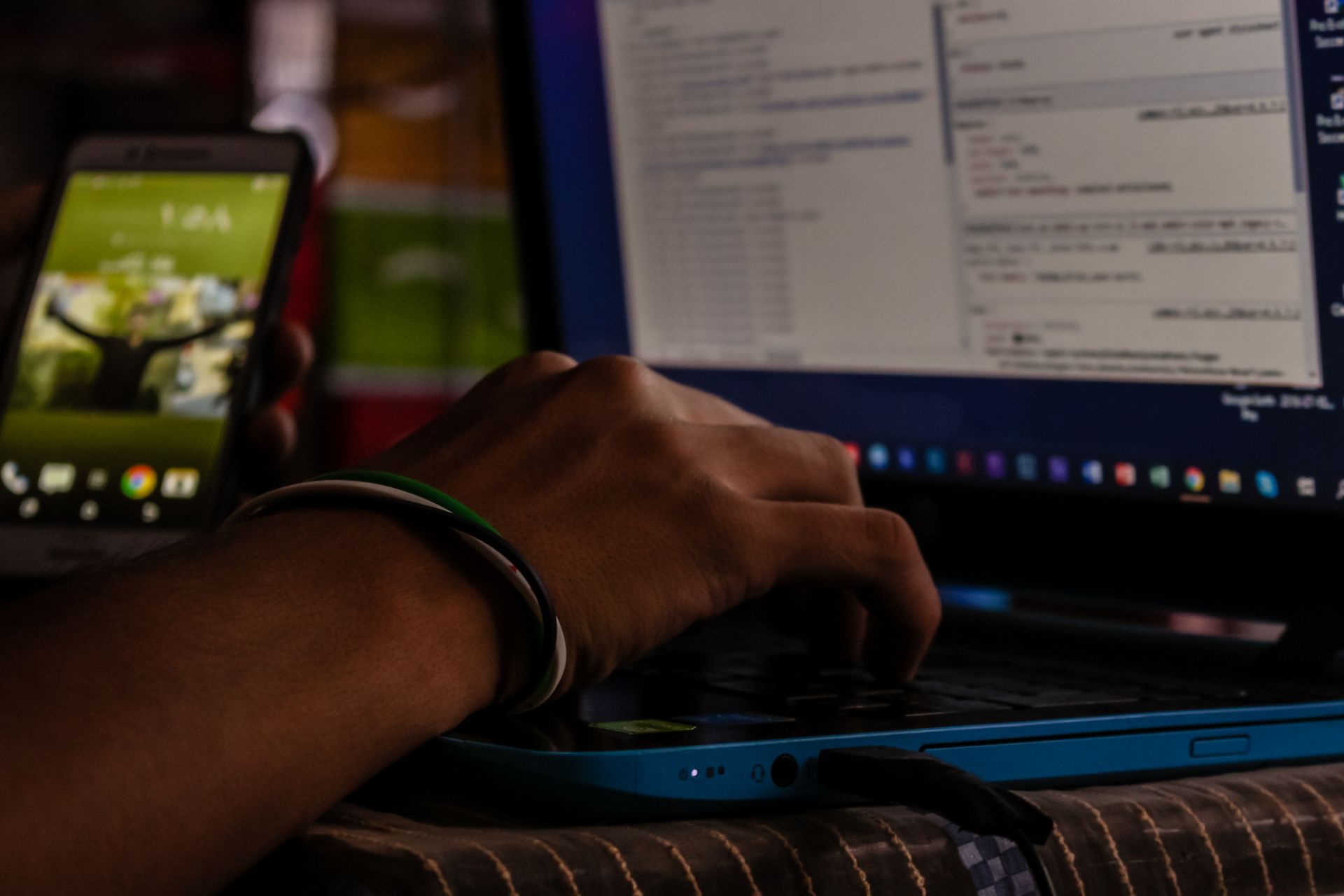
A work-from-home stipend can provide employees with the resources they need to set up a functional and comfortable home office, such as purchasing home office equipment, upgrading internet connections, and using a VPN. This can help employees feel more connected to their work and their company.
Some companies, like Buffer, Basecamp, and LinkedIn, have already adopted work-from-home stipends as a part of their benefits package. By offering this perk, they're able to attract top talent and create a positive work environment.
Here are some examples of companies that offer work-from-home stipends:
- Google: $1,000 to employees for work-from-home equipment
- Shopify: $1,000 to team members to buy everything they need to make their work-from-home effective and comfortable
- Webflow: $200 per month to all employees for health and wellness, $250 per month to remote workers, and $1,000 yearly stipend for continuous learning
Typical Remote Work Salary
Companies with stipends offer a range from $250 per month to a $1000 one-time payment.
A typical work-from-home stipend can vary significantly, but it's essential to consider what works best for your business.
Companies tend to offer a range of stipend options, and $500 per month is a common midpoint in this range.
The amount of the stipend can be a one-time payment or a recurring monthly payment, depending on the company's needs.
Calculations and Tools
To determine the expenses associated with your remote work stipend vendors, use the Perks Vendor Cost Calculator.
You can identify potential savings by consolidating with Compt, which your CFO will love.
The Perks Vendor Cost Calculator helps you calculate the cost of your remote work stipend vendors, making it easier to manage your expenses.
Consolidating with Compt can lead to significant cost savings, which can be a major win for your company's bottom line.
Using the Perks Vendor Cost Calculator is a straightforward process that can help you make informed decisions about your remote work stipend vendors.
Frequently Asked Questions
What is the average work-from-home stipend?
According to a 2022 SHRM survey, the average remote work stipend in the US is $891. Many companies offer a remote work stipend to help cover employees' expenses.
Featured Images: pexels.com