
Unsecured creditor claims often target a company's assets, which can be a complex and sensitive process. In the event of a company's insolvency, creditors with unsecured claims may be left out in the cold, unless the company has sufficient assets to cover their debts.
Assets that can be seized to satisfy unsecured creditor claims include company property, equipment, and even intellectual property. This can be a difficult pill to swallow for small business owners who have invested their life's work into their company.
The process of seizing assets to pay off unsecured creditors can be lengthy and costly, with court fees and legal expenses adding to the overall bill.
Related reading: Composition with Creditors
What Is a Creditor
A creditor is a person or organization that lends money or provides goods or services to someone else, expecting to be paid back. This can be a bank, a credit card company, or even a friend or family member.

An unsecured creditor is a special type of creditor that lends money without requiring any specific assets as collateral. This means that if the borrower fails to make a payment, the creditor can't take any of their assets without going to court first.
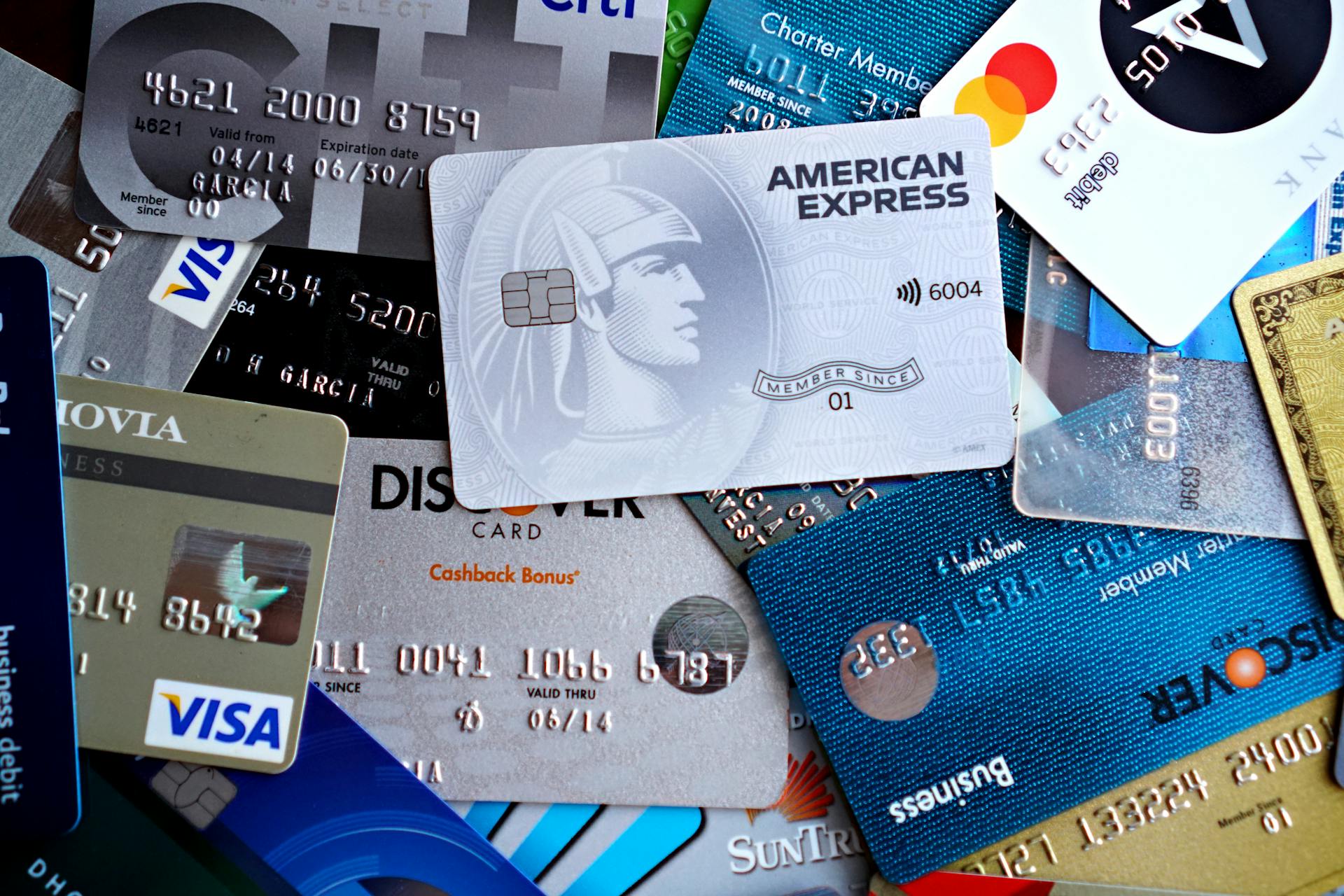
Some common types of unsecured creditors include credit card companies, utilities, and hospitals. These creditors often charge higher interest rates to make up for the higher risk of lending money without collateral.
A debenture holder is also an example of an unsecured creditor. If you've ever invested in a debenture, you're essentially lending money to a company without requiring any specific assets as collateral.
If you're struggling to pay back an unsecured creditor, be aware that defaulting on the debt can negatively affect your creditworthiness. This can make it harder to get credit in the future, so it's essential to communicate with your creditors and try to find a solution.
Here are some examples of unsecured creditors:
- Shipped goods to a customer as part of a sale on credit
- Has not been paid
- Does not have a lien on the customer’s assets
In the event of bankruptcy, unsecured creditors' claims are typically settled last, after secured creditors and priority unsecured creditors have been paid.
Recommended read: Payment of Creditors on Account
Types of Creditors
Secured creditors may repossess assets as payment for a debt using the borrower's collateral, but unsecured creditors have to rely on other methods to collect payment.
Unsecured creditors include credit card companies, which often come with higher interest rates and a higher financial burden on the borrower.
Utilities, such as electricity and water providers, can also be unsecured creditors, and defaulting on their debt can negatively affect the borrower's creditworthiness.
Landlords and hospitals and doctor's offices are other types of unsecured creditors, and they may sell unpaid debt to a collection agency.
Lenders that issue personal or student loans are also unsecured creditors, although education loans have special exceptions that prevent them from being discharged.
See what others are reading: Mtgox Creditors
Secured vs Unsecured Creditors
Secured creditors have a distinct advantage over unsecured creditors. They can foreclose on mortgaged property to mitigate their losses if the debtor doesn't make payments.
A secured claim is protected by the availability of an underlying asset, such as a commercial mortgage. This gives secured creditors rights outside of the bankruptcy process.
Unsecured creditors, on the other hand, are left with unrecoverable losses if the debtor doesn't reorganize its debts and pay what it owes over time. They may be forced to write off their losses.
Consider reading: Current Expected Credit Losses
Secured vs Creditors
Secured creditors can repossess assets as payment for a debt using the borrower's collateral. This reduces the risk for the lender, resulting in lower interest rates for secured debt compared to unsecured debt.
Secured debt generally carries less risk for the lender because the borrower has more to lose by defaulting on a loan. This is because the lender has an asset to gain in case of default.
Unsecured creditors, on the other hand, must first file a legal complaint in court and obtain a judgment before proceeding with collection through wage garnishment and other types of liquidated borrower-owned assets.
Unsecured creditors often attempt to obtain payment through direct contact and report the outstanding debt to the major credit bureaus before seeking to bring the matter to court. This can happen before they choose to sell the unpaid debt to a collection agency.
In a Chapter 11 bankruptcy case, secured creditors have rights outside of the bankruptcy process, and their rights are generally superior to those of unsecured creditors. If the debtor is unable to reorganize its debts successfully, secured creditors may be able to force liquidation of the debtor's secured assets to collect the monies they are owed.
You might enjoy: Application Does Not Meet Lender's Risk Threshold
Assess Potential Defenses to Discharge
Assessing potential defenses to discharge is a crucial step for unsecured creditors. This involves looking into defenses to discharge of specific claims as well as the debtor's eligibility to seek discharge in general.
There are several possibilities to consider, and working with an experienced attorney is essential to make informed and strategic decisions. This will help unsecured creditors maximize their chances of securing a favorable outcome.
If an unsecured creditor files a successful defense to discharge, it may be able to enforce its debt outside of the bankruptcy process. However, keep in mind that the debtor still may not be able to pay, which could ultimately mean that collection efforts will prove futile or the debtor will seek to liquidate and wind up its operations under Chapter 7.
Company Held Assets
If a company is holding goods belonging to a creditor, the creditor can claim ownership via the liquidator.
The creditor will need to submit proof of ownership, and the liquidator may then decide to reimburse the creditor or allow the goods to be returned.
Worth a look: Rollover Ira Creditor Protection
In some cases, the value of the goods may be less than the amount owed, as seen in Example 1, where the retailer owes $10,000 but has assets worth less than $1 million.
This highlights the importance of securing assets with a lien to ensure that creditors can recover their debts.
Begbies Traynor is a leading UK company rescue and recovery firm that can provide impartial advice on the liquidation process.
Contact them to arrange a same-day meeting and learn more about how they can help.
Explore further: Credit Union 1 Saving Account Fee
Related Experience
As we explore the differences between secured and unsecured creditors, it's essential to understand the related experience and expertise that can help navigate these complex situations.
Secured creditors have a distinct advantage in collecting debts, as they can repossess assets as payment for a debt using the borrower's collateral. Secured creditors can also assert preference claims to claw back funds that the debtor paid prior to bankruptcy.
Unsecured creditors, on the other hand, have a higher risk and often come with higher interest rates. This can place a significant financial burden on the borrower.
In some cases, unsecured creditors may face preference liability as well. This is why it's crucial to consider possible preference claims when dealing with unsecured debt.
Here are some examples of related experience in dealing with secured and unsecured creditors:
- Representation of secured creditors in collection efforts
- Assistance with preference claims and clawing back funds
- Guidance on unsecured debt and high-risk lending
- Expertise in bankruptcy trustee representation and debtor representation
Chapter 11 Bankruptcy Process
Unsecured creditors need to take action when a client or customer files for bankruptcy, so they can protect their rights.
Given the complexity of the Chapter 11 bankruptcy process, unsecured creditors should seek experienced legal counsel to help them navigate the process.
Unsecured creditors can participate in the Chapter 11 reorganization process to the extent possible, which may vary depending on the specific nature of the debtor's filing and the current status of their claims.
Working with experienced legal counsel is critical for unsecured creditors to satisfy all substantive and procedural requirements for asserting their legal rights.
Participating in the reorganization process can help unsecured creditors maximize their chances of securing a favorable outcome.
Recommended read: What Is Chapter 11 Bankrupsy
Claiming Interest on Debt
Claiming interest on debt can be a crucial step for unsecured creditors to take. Filing a Proof of Claim may technically not be necessary in some Chapter 11 cases, but unsecured creditors can file regardless to avoid any unnecessary issues.
If the original contract allowed for interest, unsecured creditors have the right to claim interest on their debt. This can be a significant amount, especially if the debt has been outstanding for a long time.
If interest was payable at a certain time under a written instrument, it may be claimed from the date it was due until the date of liquidation. This is an important consideration for unsecured creditors, as it can increase the amount they are owed.
If a written demand for payment had been sent, with notice that interest would be charged, it can be claimed from the date of demand to the liquidation date. This is another way unsecured creditors can try to maximize their chances of securing payment.
Recommended read: Amex Insurance Claim

Here are the conditions under which interest can be claimed on debt:
- if the original contract allowed for interest
- if interest was payable at a certain time under a written instrument, it may be claimed from the date it was due until the date of liquidation
- if a written demand for payment had been sent, with notice that interest would be charged, it can be claimed from the date of demand to the liquidation date
Any interest claimed post-liquidation will only be paid if unsecured creditors receive full repayment from the sale of assets. This is an important consideration for unsecured creditors, as it can affect the amount they ultimately receive.
Creditors' Meetings and Liquidation
Creditors' meetings are an essential part of the liquidation process, and they can be held at the start and end of the process to present the liquidation accounts.
Creditors with 10% or more of the company debt can request further meetings in the meantime. This allows them to have a greater say in the process and ensure their interests are represented.
The initial creditor meeting is where creditors agree on the liquidator's fee, which can be a significant amount. Creditors can also appoint a liquidation committee consisting of between three and five members.
These committee members are usually the creditors with the highest claims, and their purpose is to assist the liquidator whenever they can. They also have the power to sanction certain actions, which helps to ensure that the liquidation process is carried out smoothly and efficiently.
Having a liquidation committee can be beneficial, as it provides an additional layer of oversight and accountability. This can give creditors greater confidence in the liquidation process and ensure that their interests are protected.
Intriguing read: Liquidator (law)
Featured Images: pexels.com