Token blockchain is a way to create and manage digital assets, like a digital coin or token, on a public or private network. This network is called a blockchain.
The blockchain is a decentralized system, meaning it's not controlled by a single entity, and it's maintained by a network of computers working together. This makes it secure and transparent.
A token is a digital asset that represents a unit of value, like a dollar or a euro, but it's not a physical currency. It can be created and managed using smart contracts, which are self-executing contracts with the terms of the agreement written directly into code.
Think of a token like a gift card, but instead of being tied to a specific store, it can be used on a blockchain network.
Expand your knowledge: Chia Network
What is Token Blockchain?
Token blockchain is a type of blockchain that allows for the creation and management of digital tokens. These tokens can represent a wide range of assets, such as cryptocurrencies, commodities, or even intangible assets like loyalty points or voting rights.
A token blockchain can be built on top of an existing blockchain platform, such as Ethereum, or it can be a standalone blockchain. For example, the Ethereum blockchain is a popular platform for creating and managing tokens.
Token blockchain is often used for fundraising, as it allows for the creation of tokens that can be sold to investors in exchange for a specific asset or service. This is known as an initial coin offering, or ICO.
The use of token blockchain has increased in recent years, with many companies and organizations using it for a variety of purposes, including fundraising, supply chain management, and identity verification.
History and Development
The history of crypto tokens dates back to 2012 when J.R. Willet introduced the first recognized Initial Coin Offering (ICO) and token, Mastercoin, on the Bitcoin Forum.
Mastercoin was one of the first projects to describe using layers to enhance a cryptocurrency's functionality, linking its value to Bitcoin's value and outlining a plan to use the funds raised to pay developers.
From 2012 to 2016, the creation of crypto tokens and ICOs steadily increased, setting the stage for the token boom that would come in 2017.
Investors became increasingly aware of the potential value increases promised by these tokens, leading to a surge in the creation of tokens by developers, businesses, and scammers alike.
The ICO bubble burst in 2018, leading to the emergence of Initial Exchange Offerings (IEOs), where exchanges facilitate token offerings and claim to have vetted the projects to reduce investor risks.
Regulatory agencies continued to issue alerts about the dangers of participating in IEOs, warning investors about the risks associated with these offerings.
What Are
Crypto tokens are a digital representation of an asset or interest in something and are built on a blockchain. They can be used as investments, to store value, or to make purchases.
Crypto coins, on the other hand, have their own independent blockchain, whereas tokens are built on an existing blockchain. Crypto coins are designed to be used as currency, while crypto tokens are intended to represent an interest in an asset and facilitate transactions on a blockchain.
Here's an interesting read: Crypto Asset Governance Alliance
Security tokens represent ownership in physical or financial assets and are treated as securities. These tokens link classical financial instruments and the blockchain environment to provide new means of expressing and exchanging ownership.
Here are the main types of blockchain tokens:
Blockchain tokens work on the basis of distributed ledger technology and are secured and managed on the blockchain networks. They use encryption techniques to protect them and facilitate secure online transactions.
Types and Classification
Tokens on blockchains can be classified into several types, including reward, utility, security, governance, and asset tokens.
Reward tokens are often used to incentivize certain behaviors or actions, such as completing tasks or contributing to a community. Utility tokens, on the other hand, provide access to specific services or products.
Security tokens represent ownership in a company or asset, and governance tokens are used to make decisions within a community or organization. Asset tokens can represent a wide range of assets, from physical goods to digital collectibles.
You might like: Security Token Offering
Here are some key characteristics of tokens:
- Fungible assets, like Ether and fiat currencies, are equivalent and interchangeable.
- Non-fungible assets, like deeds of ownership and collectibles, are unique and distinct.
Tokens can be further divided into fungible and non-fungible categories, with fungible assets being equivalent and interchangeable, and non-fungible assets being unique and distinct.
You might enjoy: Non Fungible Token
What Are the Different Types?
Blockchain tokens are incredibly diverse, and understanding the different types can help you navigate the world of blockchain with ease. There are five primary types of tokens: reward, utility, security, governance, and asset tokens.
Reward tokens are given to users for participating in certain activities, such as mining or staking. Utility tokens are used to access specific services or products within a blockchain ecosystem.
Security tokens are used to represent ownership in a company or asset, while governance tokens give holders a say in the decision-making process of a blockchain project. Asset tokens, on the other hand, represent real-world assets, such as property or commodities.
Tokens can be further divided into fungible and non-fungible tokens. Fungible tokens, like voting rights or Ether, are interchangeable and equivalent in value. Non-fungible tokens, such as deeds of ownership or collectibles, are unique and distinct.
Discover more: What Is the Meaning of Non Fungible Token
Here are some common standards for token implementation:
Coins vs. Tokens
Coins and tokens are two distinct types of digital assets in the crypto world.
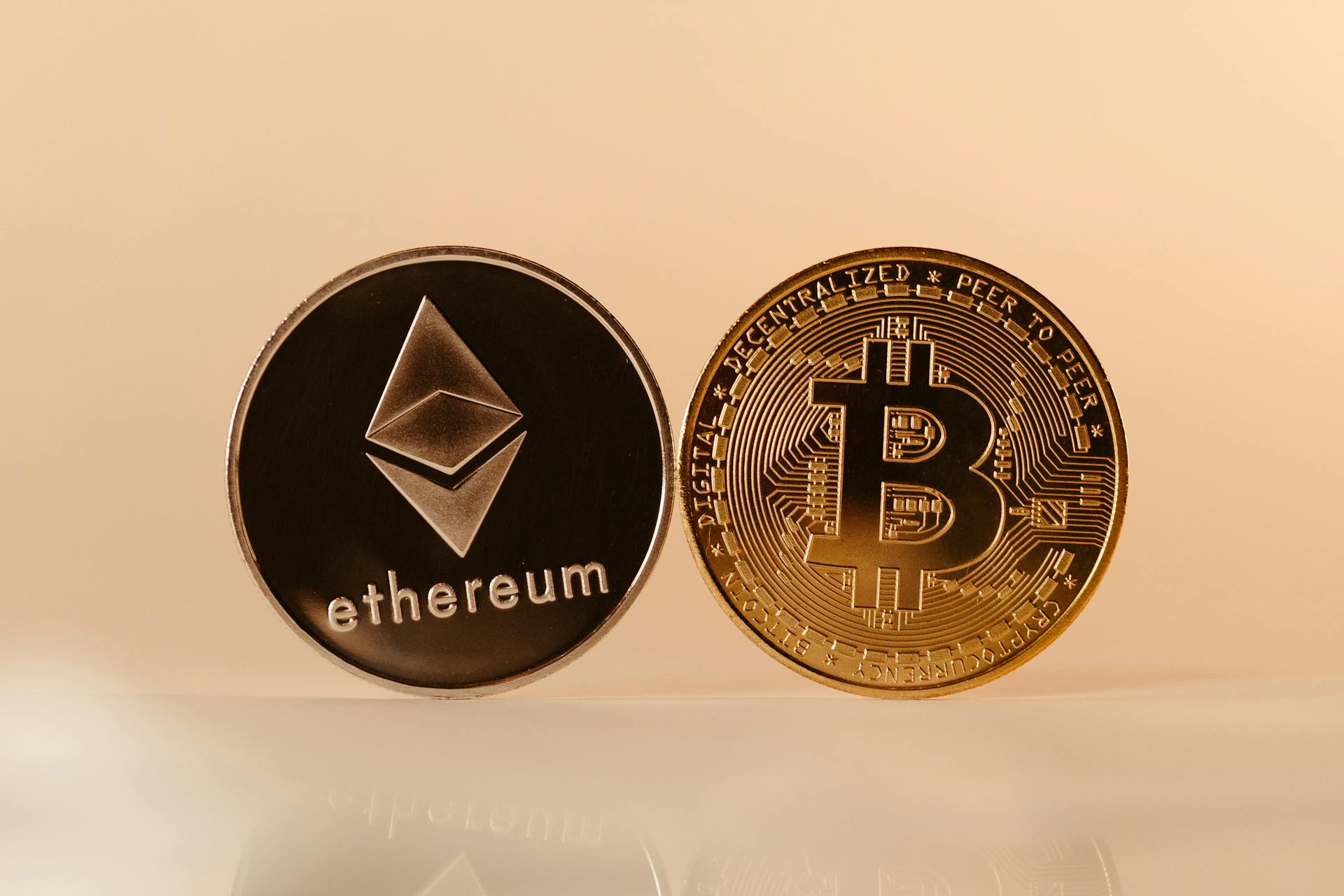
A key difference between coins and tokens is that coins have their own independent blockchain, while tokens are built on an existing blockchain.
Crypto coins are designed to be used as currency, whereas tokens are intended to represent an interest in an asset and facilitate transactions on a blockchain.
Creating a coin requires the development of a new blockchain, which involves considerable time, resources, and expertise.
Tokens, on the other hand, can be created relatively easily on existing blockchains, making them more accessible for a variety of projects.
The term crypto token is often used interchangeably with "cryptocurrency", but these terms are actually distinct from one another.
Coins are intrinsic to the blockchain on which they operate, ensuring network security and enabling decentralized transactions.
Tokens are built on top of existing blockchains and are usually tied to a specific project or application.
Blockchain and Smart Contracts
Blockchain and smart contracts are the backbone of token blockchain technology, allowing for secure, transparent, and automated transactions.
A blockchain is a decentralized, digital ledger that records transactions across a network of computers, making it virtually tamper-proof. This is achieved through complex algorithms and cryptography, which ensure that once a transaction is recorded, it cannot be altered or deleted.
Smart contracts are self-executing contracts with the terms of the agreement written directly into lines of code, allowing for automated execution when certain conditions are met. They are stored and replicated on the blockchain, ensuring that all parties have a copy and can verify the contract's terms.
The use of smart contracts eliminates the need for intermediaries, such as lawyers and banks, and reduces the risk of disputes and errors. This is particularly useful for token blockchain, where the transfer of tokens is often automated and requires precise execution.
vs. Cryptocurrencies
Token blockchain has some key differences from traditional cryptocurrencies like Bitcoin.
One notable difference is that token blockchain is often designed to serve a specific purpose, such as facilitating transactions on a particular platform.
It's not a standalone currency like Bitcoin, but rather a utility that enables other functions within a larger ecosystem.
Token blockchain can be more flexible and adaptable than traditional cryptocurrencies.
This is because it can be programmed to perform specific tasks, such as automating supply chain management or verifying identity.
Token blockchain's programmability also makes it more scalable than traditional cryptocurrencies.
This is because it can handle a higher volume of transactions without sacrificing security or speed.
Token blockchain's scalability is one of its key advantages over traditional cryptocurrencies.
It allows for faster and more efficient processing of transactions, which is particularly important for large-scale applications.
Token blockchain's versatility and scalability make it an attractive option for businesses and organizations.
It can be used to create customized solutions for a wide range of use cases, from supply chain management to healthcare records.
A different take: Do All Cryptocurrencies Use Blockchain
Concerns and Risks
Token blockchain investments can be a high-risk, high-reward venture. The single most important concern is that crypto tokens can be used by scammers to steal money from investors.
Scammers often use unrealistic promises to lure in victims. If it sounds too good to be true, it probably is. Legitimate projects are typically open about their operations, whereas scams often keep their team and plans hidden.
The Financial Industry Regulatory Authority (FINRA) continues to issue alerts about cryptocurrency and token fraud. You should research before investing in any cryptocurrency, just as you would with any stock.
To protect yourself from token scams, research the team, whitepaper, and community thoroughly. Be wary of tokens that aren't listed on a regulated exchange, as the odds of it being a scam are much higher.
Here are some key factors to look for when evaluating a crypto token:
- Registration: Check if it needs to be registered based on jurisdiction. In the United States, the SEC considers tokens securities and requires them to be registered unless they qualify for an exemption.
- Team background: Research the team behind the ICO and their backgrounds. If you can't find information about it other than in a white paper and custom website, it might be a scam.
- Exchange listing: Check if it's listed on a regulated exchange. If it isn't, the odds of it being a scam are much higher.
- Transparency: Legitimate projects are typically open about their operations.
- ICOs from outside the U.S.: Be cautious when researching ICOs from outside the U.S., as they might be difficult to research.
Remember, even crypto tokens listed on a registered exchange can be scams. Always practice sensible portfolio allocation and never invest more than you can afford to lose.
The Future of token blockchain
Tokenization of traditional assets will allow for ownership of small parts, making it possible to buy and sell fractional shares.
The token ecosystem is evolving, impacting various industries such as traditional finance, supply chain, real estate, and governance.
Token-based voting systems can increase transparency in the management of corporations or political organizations.
Digital tokens have the potential to revolutionize transactions, providing a cheap and efficient way of conducting micropayments.
Tokenized assets can be traded on the blockchain with ease, making it possible to buy and sell real-world assets digitally.
Decentralized finance (DeFI) is expanding, offering peer-to-peer lending, decentralized exchanges, and other financial services.
Tokens will continue to significantly impact the development of our digital and financial systems.
Tokens are the keys to creating a wide range of applications and use cases in the cryptocurrency space, expanding the ecosystem's possibilities.
Not all digital tokens are NFTs, but all NFTs are a type of digital token that represents ownership of unique digital or physical assets on a blockchain.
Digital tokens can be either fungible (interchangeable) or non-fungible (unique), but NFTs specifically refer to non-fungible tokens.
Curious to learn more? Check out: Ethereum Ecosystem
NFT and Other Topics
NFTs can be traded on a one-to-one basis, making each one unique and different from others.
NFTs can represent specific details or properties like art, collectibles, real estate, and even ideas.
They're perfect for digital art and collectibles, allowing artists to create one-of-a-kind pieces with easily traceable ownership and origin on the blockchain.
Smart contracts can also guarantee creators receive a share of the revenue from all secondary sales of their NFTs, ensuring fair royalties.
In the world of gaming, NFTs can turn in-game assets into tradable, owned items on the blockchain.
Frequently Asked Questions
What is the difference between a coin and a token in a blockchain?
Coins operate independently, serving as a medium of exchange or store of value, while tokens are built on existing blockchains and offer specific project functionalities
Featured Images: pexels.com