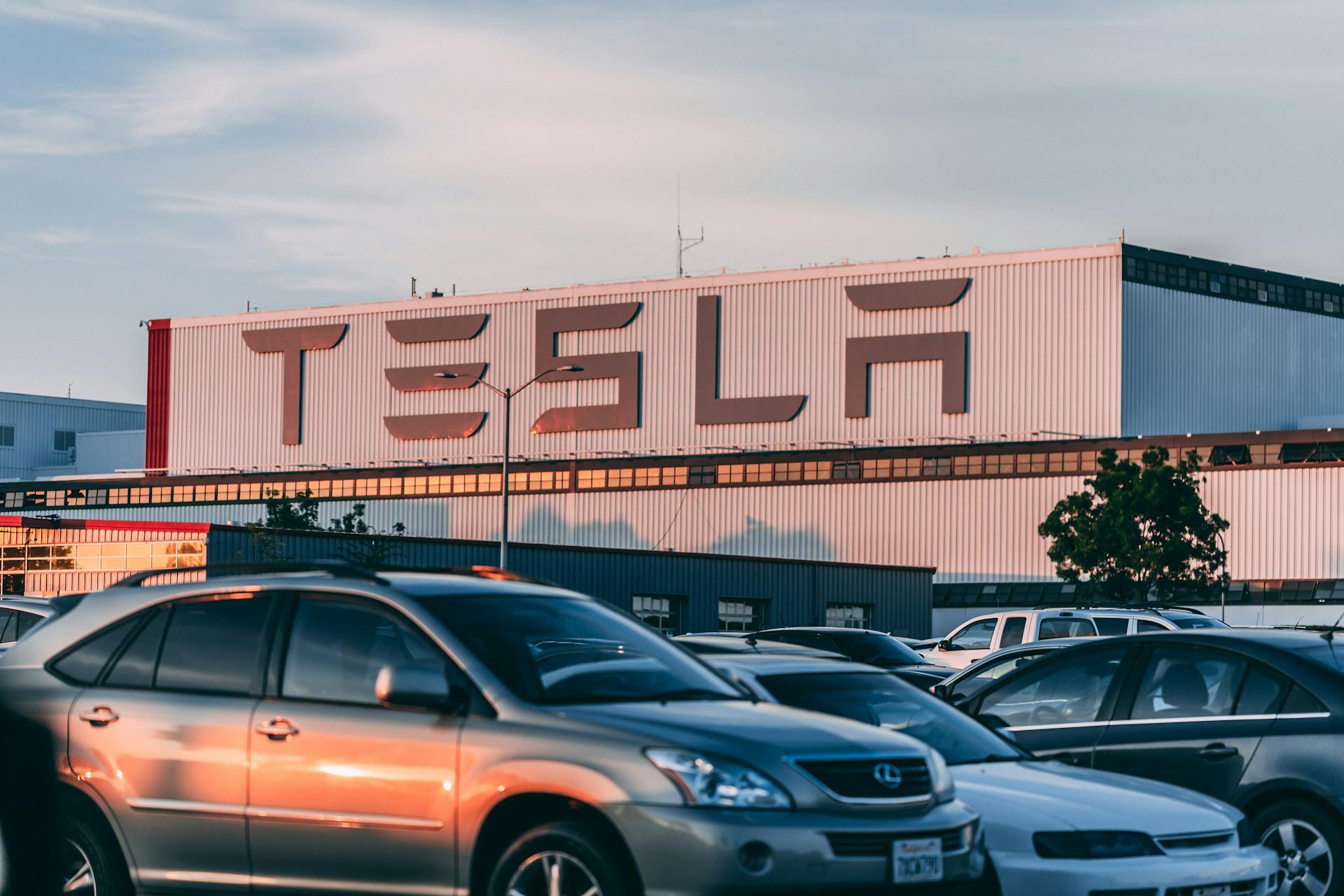
The Timken Company has a rich history that spans over a century. Founded in 1899 by Henry Timken, the company started as a small bearing manufacturer in Canton, Ohio.
Henry Timken's innovative approach to bearing design revolutionized the industry, making it possible to manufacture bearings with interchangeable parts. This led to increased efficiency and lower costs for manufacturers.
Timken's early success can be attributed to its focus on quality and innovation. The company's commitment to research and development enabled it to stay ahead of the competition.
Today, the Timken Company is a global leader in the design, manufacture, and distribution of bearings and power transmission products.
History and Development
Henry Timken, a German immigrant, invented an improved bearing in 1898, which led to the establishment of the Timken Roller Bearing Axle Company in 1899 by Timken and his two sons.
The company's early years were marked by significant milestones, including the move from St. Louis to Canton, Ohio in 1901.
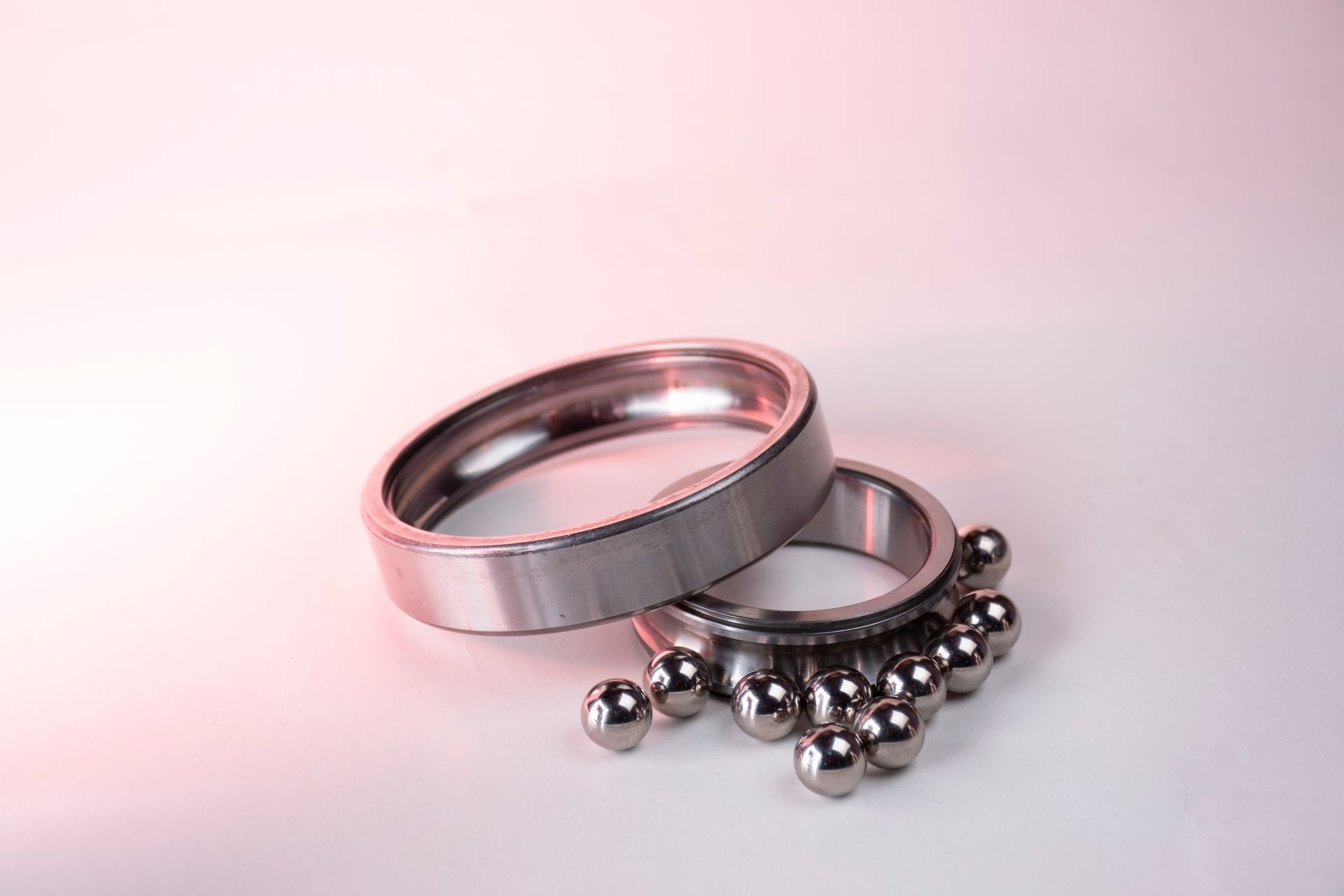
Timken began producing its own steel in 1915 and introduced the revolutionary, preassembled "AP" bearing to the railroad industry in 1954.
This bearing was a game-changer for the industry, and it's interesting to note that Timken's innovations were not limited to its products - the company also built its first automated factory in 1948.
Here are some key dates in Timken's history:
- 1898: Henry Timken patents the tapered roller bearing.
- 1899: Founder and his two sons, William and Henry (H.H.) Timken, establish Timken Roller Bearing Axle Company.
- 1901: Business moves from St. Louis to Canton, Ohio.
- 1909: A licensee begins producing Timken's bearings in Great Britain.
- 1915: Timken begins making its own steel.
- 1922: Timken stock begins trading publicly.
- 1948: The company builds its first automated factory.
- 1954: The revolutionary, preassembled "AP" bearing is introduced to the railroad industry.
- 1975: Latrobe Steel is acquired.
- 1988: Timken rebounds from six profitless years with income of $66 million.
- 1998: Timken begins two years of job-cutting and factory closures.
Products and Services
Timken Company offers a range of products and services that cater to various industries.
Their product portfolio includes bearings, seals, and lubrication systems, which are designed to provide reliable performance and long-lasting durability.
With over 75 years of experience in the industry, Timken's products are trusted by companies worldwide.
From aerospace to heavy industry, Timken's bearings are used in a wide range of applications, including aircraft engines, wind turbines, and industrial equipment.
Their seals and lubrication systems are designed to work in tandem with their bearings, providing a complete solution for customers.
A fresh viewpoint: Gompers V. Buck's Stove & Range Co.
Timken's products are engineered to meet the highest standards of quality and performance, ensuring that they can withstand even the toughest operating conditions.
Their products are used in a variety of industries, including aerospace, automotive, and heavy industry, where reliability and durability are crucial.
By providing a comprehensive range of products and services, Timken is able to help customers optimize their operations and reduce downtime.
Frequently Asked Questions
Is Timken still made in the USA?
Timken wheel bearings are manufactured in the USA, as well as in Mexico and other countries, to a consistent worldwide standard
Featured Images: pexels.com