Syngenta Biotechnology Inc has been at the forefront of innovation in the biotechnology industry. Its dedication to research and development has led to significant advancements in crop protection and improvement.
The company's commitment to innovation is evident in its development of novel biotechnology products. One such example is the introduction of genetically modified corn that is resistant to certain pests.
This innovation has not only improved crop yields but also reduced the environmental impact of pesticides. Farmers can now use these genetically modified crops to minimize their use of chemical pesticides.
Syngenta Biotechnology Inc's focus on sustainability has made it a leader in the industry. Its products and services are designed to meet the needs of farmers while also protecting the environment.
Check this out: Syngenta Tech Agreement
Controversies and Issues
Syngenta inherits the dubious legacies of its parent companies, including the promotion of GMO technology and manufacturing of hazardous chemicals like paraquat and atrazine.
The creation of Syngenta was a result of the poor performance of its parent companies' agribusiness divisions in 1999 and the global backlash against GM crops.
Syngenta has managed to avoid public vilification, unlike Monsanto, but it quietly develops controversial agricultural biotechnology, including genetic use restriction technologies (GURTs)/traitor technology.
Farmers Sue Over GMO Corn
Syngenta faced over 50 lawsuits by U.S. farmers in 2014.
The lawsuits were filed in 11 major corn-growing states, seeking compensation for farmers and money to deter Syngenta from similar future situations.
The controversy began when China rejected over 130 million bushels of US corn due to the presence of Syngenta's GM cornseed Agrisure Viptera.
This led to an 85 percent drop in US corn exports, depressing the US market and driving down domestic corn prices.
The National Grain and Feed Association estimated up to $2.9 billion dollars in economic damages.
A second NGFA analysis predicted a $3.4 billion impact during the 2014/15 marketing year.
Syngenta spokesman Paul Minehart claimed the lawsuits were "without merit."
Opposition to EU Pesticide Ban
Lobbying efforts against the proposed EU pesticide ban were intense. Bayer and Syngenta, the manufacturers of the banned neonicotinoids, sent private letters to the European Food Safety Authority and the European Commission.
These letters were followed by threatened litigation, showing the companies' determination to block the ban. The neonicotinoids in question were thiamethoxam, imidacloprid, and clothianidin.
The European Food Safety Authority had recommended a two-year ban of these neonicotinoids due to their potential harm to bee populations. Bayer and Syngenta vigorously opposed this decision.
The dangers of neonicotinoids to bees were highlighted in a study published in Science, which found that exposure to imidacloprid led to an 85% reduction in queen production in bumble bee colonies.
Lobbying and Contributions
Syngenta reported $1.47 million in lobbying expenses in 2013. This staggering amount highlights the significant influence the company exerts on policy-making.
In 2011, Syngenta paid a total of $540,000 to various lobbying firms, including the Alpine Group, Cornerstone Government Affairs, and the EOP Group. This substantial investment in lobbying efforts underscores the company's commitment to shaping policy.
Former Senator Robert Dole was a lobbyist for Syngenta in 2004, demonstrating the company's willingness to tap into its network of influential connections. Six of Syngenta's 10 lobbyists have previously worked for the government, including James Richards and Thomas Hunt Shipman, who both worked for the Department of Agriculture.
Syngenta Crop Protection, Inc. spent over $390,000 in direct lobbying costs focusing on federal pesticide laws, biotechnology, and EPA's review of the company's Atrazine product.
Regulatory and Legal Matters
Syngenta Biotechnology Inc has a strong regulatory presence, having obtained approval for its genetically modified crops in over 30 countries.
The company's regulatory framework is guided by the principles of the Cartagena Protocol on Biosafety, which aims to ensure safe handling, transport, and use of living modified organisms.
Syngenta Biotechnology Inc has a dedicated team of regulatory experts who work closely with government agencies and other stakeholders to ensure compliance with local regulations.
In the United States, Syngenta Biotechnology Inc is regulated by the US Environmental Protection Agency (EPA) under the Federal Insecticide, Fungicide, and Rodenticide Act (FIFRA).
The company has also established a robust system for reporting and managing adverse events associated with its genetically modified crops.
Syngenta Biotechnology Inc has a strong commitment to transparency and has made its regulatory data publicly available.
Business and Operations
Syngenta Biotechnology Inc has a strong focus on business and operations. The company has a global presence with operations in over 90 countries.
Syngenta Biotechnology Inc has made significant investments in research and development, with a focus on agricultural biotechnology. This has led to the development of innovative products and technologies.
The company's commitment to sustainability and environmental stewardship is evident in its operations, with a goal of reducing its carbon footprint by 50% by 2025.
Food Safety Issues
Syngenta inherited the dubious legacies of its parent companies, which promoted GMO technology and manufactured hazardous chemicals like paraquat and atrazine.
The creation of Syngenta allowed its parent companies to make significant savings and distance themselves from their controversial agricultural biotechnology ventures.
Syngenta has managed to avoid the public backlash against Monsanto, but it's quietly developing its own agricultural biotechnology, including genetic use restriction technologies (GURTs)/traitor technology.
The company's parent companies, Novartis and AstraZeneca, invested heavily in acquiring seed and biotechnology companies in the late 1990s to exploit potential synergies between their pharmaceutical, chemical, and agricultural sectors.
The Syngenta spin-off was partly due to the global backlash against GM crops and the poor performance of both companies' agribusiness divisions in 1999.
Contract Testing
Contract testing is a common practice in various industries. Syngenta contract tests out to Huntingdon Life Sciences (HLS).
HLS is the 3rd largest contract research organization (CRO) in the world. It's also the largest animal testing facility in all of Europe.
Firms hire CROs to conduct animal toxicity tests for a range of products. These include agrochemicals, petrochemicals, household products, pharmaceutical drugs, and toxins.
HLS has a long history of gross animal welfare violations.
GMOs and Herbicides Market
The GMOs and herbicides market is dominated by a few big players. The top biotechnology companies, including Monsanto, DuPont, Syngenta, and Bayer, account for almost 100% of the genetically engineered seed market.
These companies also control 60% of the global pesticide market. Recent acquisitions have given them a significant share of the commercial seed market, with 23% of the total.
Most GMOs are used to produce grains like soy, corn, and canola. In 1999, almost 80% of total global transgenic acreage was planted in these crops.
Intriguing read: Apple Global Inc Paypal
Monsanto's "New Leaf" potato is a notable example of a GMO that produces pesticides. It kills potato beetles, but is itself registered as a pesticide with the EPA.
The five largest biotech companies in the world are also the five largest herbicide companies, creating a continuous and ever-expanding market for their agrochemicals.
Executive Compensation
Syngenta's CEO and Executive Director, Michael Mack, received a total compensation of $5.45 million in 2010, which included $1.25 million in salary.
A significant portion of Mack's compensation came from stock awards, totaling $2.56 million. This is a substantial sum, and it highlights the importance of stock options in executive compensation packages.
The Chairman of Syngenta's Board, John Martin Taylor, earned a total of $2.46 million in 2010, with $1.85 million being in cash.
Taylor's compensation package also included $382,616 in stock and $222,880 in "other compensation." This diversity in compensation types is not uncommon in executive packages.
Jurg Witmer, Syngenta's Vice Chairman of the Board, earned a total of $364,765 in 2010, with $342,857 being in cash.
This is a notable contrast to the higher compensation earned by the CEO and Chairman, highlighting the varying roles and responsibilities within the executive team.
For more insights, see: Apple Inc Total Assets
Board of Directors
The Board of Directors plays a crucial role in overseeing the company's operations. Led by Martin Taylor as Chairman of the Board, the team consists of 11 non-executive and executive directors.
Michael Mack serves as the CEO and an Executive Director, bringing a wealth of experience to the role. This leadership structure is essential in making strategic decisions that drive the company forward.
Jurg Witmer, Vice Chairman, is a non-executive Director who provides valuable guidance to the team. His expertise helps shape the company's vision and goals.
Here is a list of the Board of Directors:
- Martin Taylor, Chairman of the Board, non-executive Director
- Michael Mack, CEO, Executive Director
- Jurg Witmer, Vice Chairman, non-executive Director
- Stefan Borgas, Non-executive director
- Peggy Bruzelius, Non-executive Director
- Pierre Landolt, Non-executive Director
- David Lawrence, Non-executive Director
- Peter Thompson (UK), Non-executive Director
- Jacquest Vincent, Non-executive Director
- Rolf Watter, Non-executive Director
- Felix A. Wever, Non-executive Director
Opens New Lab in North Carolina
Syngenta recently opened a new crop lab in North Carolina, a significant investment in the state's biotechnology industry.
The $72 million Advanced Crop Lab is a 136,000-square-foot facility that allows researchers to simulate any agricultural climate and precisely measure plant inputs.
The lab features 30 climate-controlled growth environments in all-glass greenhouses, enabling researchers to test crops in various conditions, from Iowa to Africa.
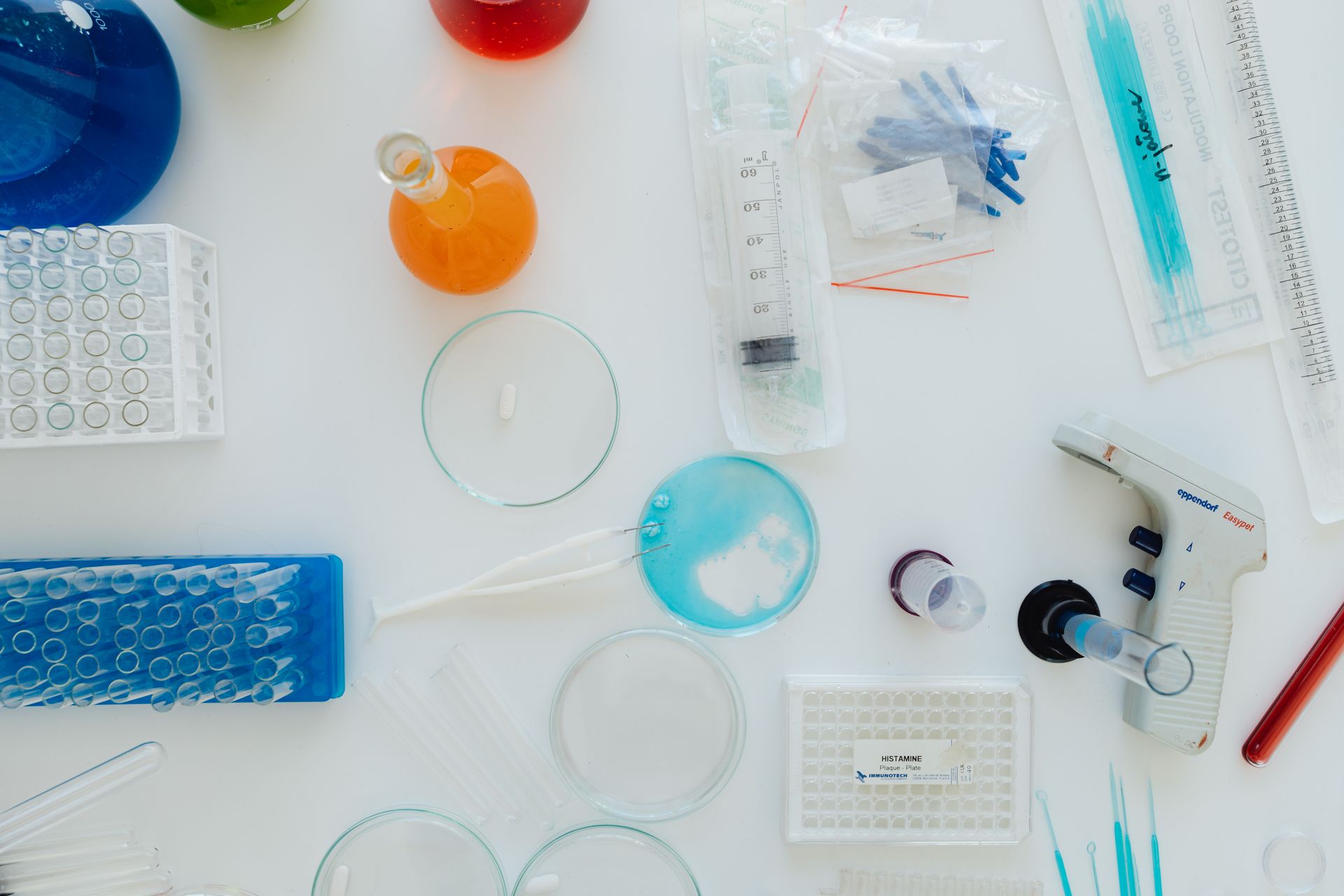
This facility is the biggest infrastructure investment Syngenta has made, according to Robert Berendes, the company's head of Business Development and Global and Development.
North Carolina is a top state for biotechnology, with agriculture generating more than $70 billion in revenue each year, according to the North Carolina Department of Agriculture Commissioner Steve Troxler.
The state's agricultural exports increased by one-half billion over one year, positioning North Carolina uniquely to move forward in agriculture and agribusiness.
The new lab is a significant step forward in biotechnology, allowing researchers to observe and measure small changes in plant traits that were previously impossible to detect, according to Mary-Dell Chilton, the founder of Syngenta Biotechnology.
Featured Images: pexels.com