
Managing student debt can have a significant impact on your credit score. In fact, according to the Federal Reserve, outstanding student loan debt in the US has surpassed $1.7 trillion.
Having a good credit score is essential for securing loans, credit cards, and even apartments. A credit score of 700 or higher is considered good, but for those with student debt, a score of 600 or higher is more realistic.
To start managing your student debt and credit score, it's essential to understand how student loans affect your credit report. Student loans are considered installment accounts and are reported to the three major credit bureaus.
For your interest: Does Reg B Apply to Commercial Loans
How Student Debt Affects Credit Score
Student debt can have a significant impact on your credit score. Your payment history is the most important factor in determining your credit score, and missing payments can lower it by 49 to 82 points, on average.
Most student loans are installment loans, which are different from credit cards and can positively impact your credit mix. If you make your payments on time, it can help your credit score, but defaulting on your student loans can have a major negative impact.
On a similar theme: Does a Heloc Hurt Your Credit
Paying off your student loan can lower your credit score temporarily due to the reduced average age of your credit history and the limited credit mix. However, making on-time payments is crucial for building a positive credit history and avoiding negative hits to your score.
Late payments can be reported to the credit bureaus and listed on your credit report, lowering your score. You typically have up to 30 days beyond the payment due date to pay before the missed payment is recorded on your credit report.
Here are the five main factors considered when calculating your FICO score, and how student debt affects them:
- Payment history: 35% - Missing payments can lower your score by 49 to 82 points, on average.
- Credit utilization: 30% - Not applicable to student loans, as they are installment loans.
- Length of credit history: 15% - Having student loans can positively impact this factor.
- Credit mix: 10% - Student loans can positively impact this factor, especially if you have a limited credit mix.
- New credit: 10% - Taking out a student loan can result in a small, temporary decrease in your credit score due to the hard inquiry.
Missing multiple payments and defaulting on a student loan can badly damage your credit score for years to come, making it difficult to get additional credit. Ultimately, you may be able to rehab a defaulted loan, but the damage to your credit will likely stick around for a few years.
Worth a look: How Many Years Are Mortgage Loans
Payment History and Credit Score
Payment history is a crucial factor in determining your credit score, and student loans are no exception. Your payment history typically makes up 35% of your score in most credit scoring models, including loans and credit cards.
Missing a single student loan payment can drop your score between 49 to 82 points, on average. This can have a drastic impact on your credit score, especially if you're new to credit.
To avoid late payments, review your budget and repayment plan regularly. You can change your repayment plan for federal loans at any time at no cost by reaching out to your loan servicer.
Making on-time payments is essential for building a positive credit history. If you're eligible for a forgiveness plan like Public Service Loan Forgiveness, consolidating your federal loans and getting on an IDR plan can help you maintain your credit score until your balance is forgiven.
Here's a breakdown of how late payments can affect your credit score:
Keep in mind that these scores are averages, and the actual impact on your credit score may vary.
Improving Your Credit Score
Taking out student loans as a young adult can increase the amount of time you have had credit, which can raise your credit score.
Keeping up with your monthly payments is crucial, as it shows lenders you can manage your debt responsibly.
Student loans can add to your credit mix, which may give you a boost if you don't yet have a lot of different types of credit.
By taking out student loans and making timely payments, you can potentially improve your credit score over time.
If you're just starting out and don't have a lot of open credit lines, your student loans can carry more weight toward the average age portion of your score.
For your interest: How to Sue the Credit Bureaus and Win Every Time
Repayment Options and Strategies
Making on-time payments is a crucial step in building and maintaining a good credit score. This will have a positive impact on your credit score, which is essential for securing future loans or credit.
You have options when it comes to repayment terms. You can extend your repayment term to make your monthly payments more manageable, or shorten the term to save on the total interest paid.
Some federal student loans offer benefits that private loans may not, such as income-based repayment options or loan forgiveness for public service or military work. However, refinancing federal loans means waiving these benefits.
Recommended read: Chase Sapphire Reserve Downgrade Options
Repayment Options
You can extend your repayment term to make your monthly payments more manageable, which can be a big relief if you're struggling to pay.
Federal student loans offer unique benefits that private loans may not, such as benefits for public service workers, military personnel, and those in income-based repayment plans.
Shortening your repayment term can save you money on total interest paid, but you'll need to pay more each month.
Refinancing your federal student loans can waive any current and potential future benefits, so it's essential to carefully review these benefits before making a decision.
For more information on federal student loan benefits and consolidation, visit the official government website at https://studentaid.gov/.
Check this out: Term Loan
Consolidate or Refinancing
Consolidate or Refinancing can be a smart move to make your student loans more manageable. You can combine your federal student loans into one loan through consolidation, potentially lowering your monthly payments by extending the repayment term or switching to a fixed interest rate.
Consolidation and refinancing are two different strategies, but both can help you lower your monthly payments. With consolidation, you may have a longer repayment term and/or a new interest rate, such as going from variable to fixed. Refinancing, on the other hand, involves replacing a federal student loan (or several loans) with a new loan that typically has a different interest rate and repayment period.
Refinancing your student loans can save you money in interest over the long term, but it's essential to understand the downsides. If you refinance federal loans, they become private, and you lose access to benefits like federal loan forgiveness and income-driven repayment (IDR) plans.
To qualify for refinancing, you'll typically need a credit score in the mid-to-high 600s. Borrowers with excellent credit can even get the best deals, but the best terms and lowest rates go to those with much higher scores.
Here are the key differences between consolidation and refinancing:
Ultimately, consolidating or refinancing your student loans can help you get back on track with your payments and improve your credit score. By making your payments more manageable, you can reduce the risk of missing a payment and hurting your credit score.
Consequences of Defaulting and Forgiveness
Defaulting on a student loan can have serious consequences, including a late fee immediately and being considered delinquent until the past-due amount is paid or a repayment plan is approved. This can lead to withheld wages and no further access to federal aid.
The default period varies depending on the loan type, with 270 days being the trigger for default in the Federal Direct Loan Program and Federal Family Education Loan Program. For private student loans, the default period depends on the lender and terms of your agreement.
Defaulting will stay on your credit report for up to seven years, affecting your credit score and credit history.
Explore further: Credit Default Swap
Consequences of Defaulting
Defaulting on a student loan can have serious consequences for your financial health. You'll likely see a big decline in your credit score due to a poor payment history.
Defaulting on federal student loans will also make you ineligible for certain federal benefits, repayment plans, and future student aid until you rehabilitate your loans. This can be a huge setback if you need to take out more loans in the future.
For your interest: Discounted Present Value of Future Cash Flows
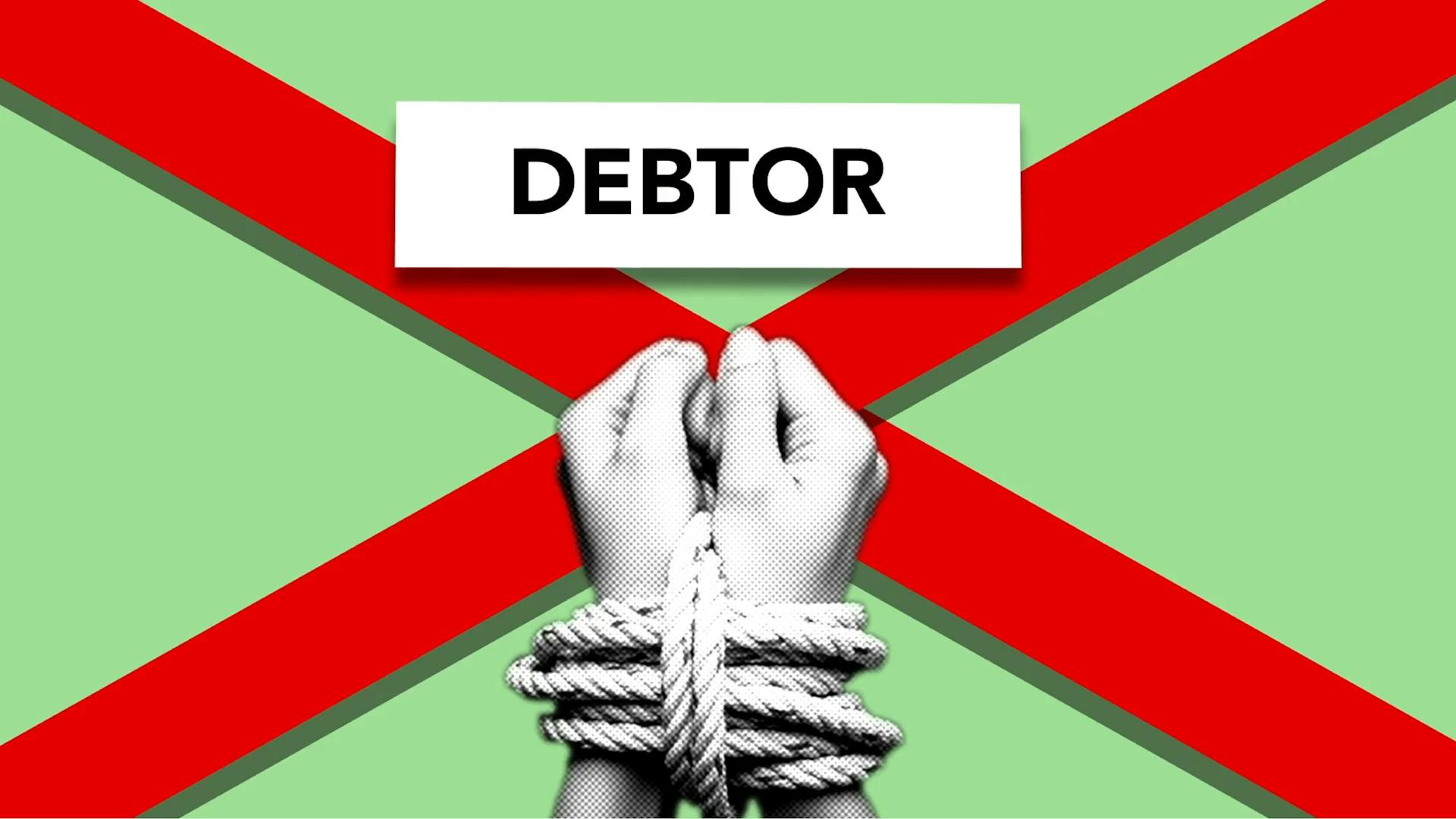
You'll be considered delinquent until you pay the past-due amount or initiate arrangements to pay or adjust your loan terms. This can be a stressful and overwhelming experience.
Defaulting on a student loan may result in withheld wages, which can make it even harder to pay your bills. No further access to federal aid will also be denied until the debt is settled or a repayment plan has been approved.
Defaulting will stay on your credit report for up to seven years, which can have long-term effects on your credit score. This can make it harder to get approved for credit or loans in the future.
Defaulting on a student loan can have serious consequences for your financial health and future opportunities.
A different take: Future Cash Flows Expected from Investment Projects Blank______.
How Forgiveness Affects Me
If your student debt is forgiven, you might see a dip in your credit score. This is because your loans are paid off and no longer appear on your credit report, contributing to your credit mix and the length of your credit history.

A dip in credit score can affect your ability to get a loan or credit card in the future.
You'll also want to consider how forgiveness impacts your credit utilization ratio, which is the amount of credit used compared to the amount available.
If your credit utilization ratio increases, it could negatively affect your credit score.
Understanding Credit Score and Repayment
Your credit score is a three-digit number that gives lenders a quick view of how you handle credit obligations. It's calculated using a formula that takes into account various factors.
Payment history is the most important factor, making up 35% of your credit score. Making on-time payments is crucial to building a good credit score. Even just making on-time payments represents an important first step in building and maintaining a good credit score.
The amount of available credit you're using also plays a significant role, accounting for 30% of your credit score. This means that keeping your credit utilization ratio low is essential for a good credit score.
For more insights, see: Can a Bank Call a Loan at Any Time
Here are the main factors that affect your FICO credit score:
Whether you pay on time and in full is one of the most important influencers of your credit score.
Special Cases and Considerations
For students with private student loans, making on-time payments is crucial because it can help you avoid negative marks on your credit report.
Private lenders typically report payments to the three major credit bureaus, which can impact your credit score.
However, some private lenders may not report payments, so it's essential to check your credit report to confirm.
If you're struggling to make payments, consider talking to your lender about potential deferment or forbearance options.
On a similar theme: Payday Loan Lender
Frequently Asked Questions
What is the minimum credit score for student loans?
Federal student loans don't require a credit check, but private student loans typically need a credit score of at least 640. Check lender requirements for more information on credit score minimums.
Featured Images: pexels.com