A strategic reserve is a stockpile of essential goods, such as food, fuel, or medicine, that a country or organization sets aside to meet its needs during times of crisis or shortage.
These reserves are typically stored in secure facilities, like bunkers or warehouses, to protect them from damage or theft.
Strategic reserves are often used to stabilize supply chains and prevent panic buying during emergencies.
Expand your knowledge: Ge Aerospace Has Risen during the Recent Market Slide.
What Are?
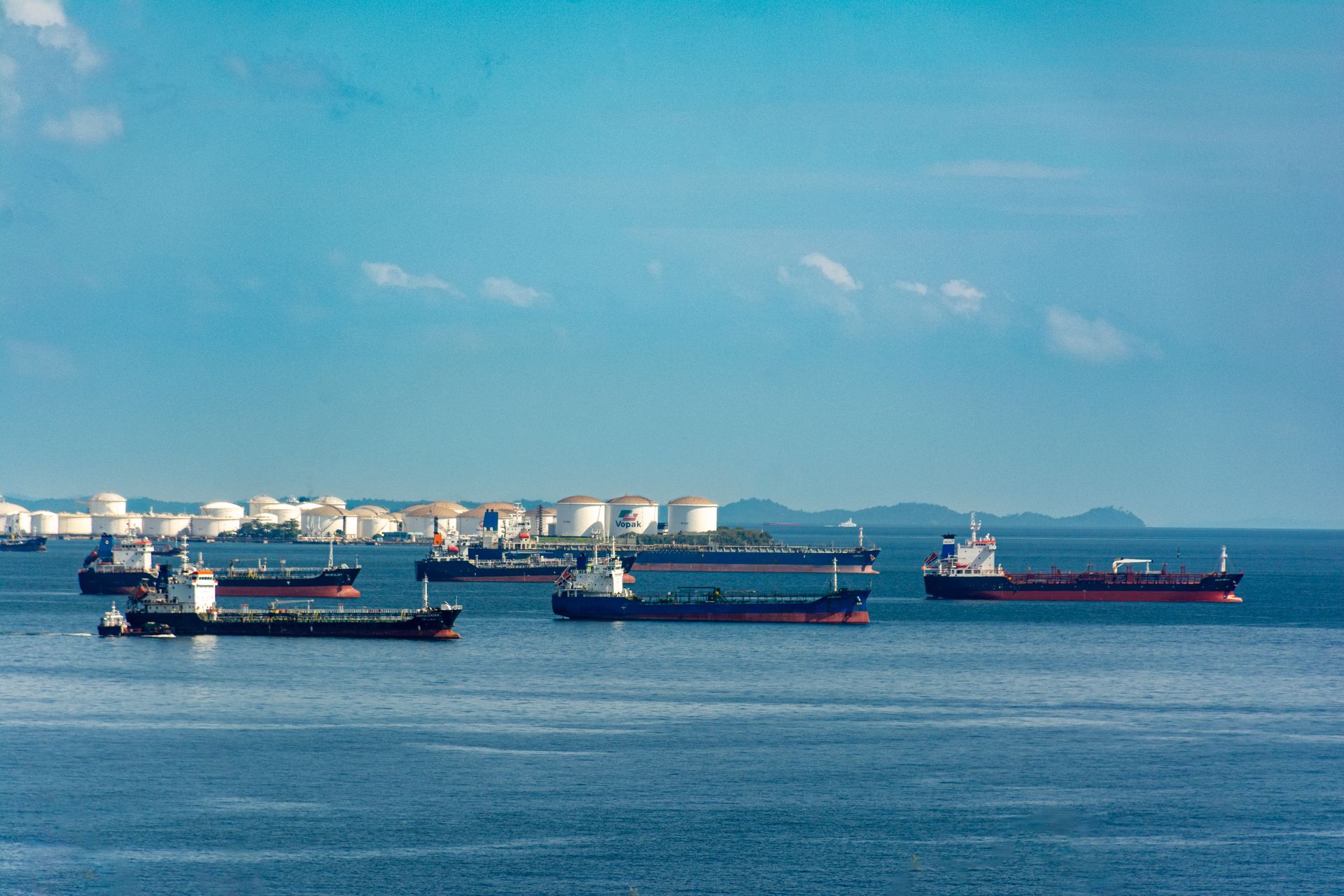
Strategic petroleum reserves are stockpiles of crude oil maintained by countries for release in the event of a supply disruption.
The U.S. has the world's largest strategic petroleum reserve, with an authorized maximum capacity of 727 million barrels.
Strategic petroleum reserves are tapped into following human-caused accidents, economic crises, and natural disasters.
The U.S. government has historically sold and loaned crude oil from the SPR to other nations at times.
Recommended read: Indonesian Crude Price
Importance and Impact
A strategic reserve is crucial for a country's economic stability, as it provides a buffer against unexpected disruptions in the supply of essential goods and services.
Having a strategic reserve allows a country to maintain a stable food supply, which is essential for its citizens' well-being.
For instance, a country with a strategic reserve can distribute food to its citizens during times of scarcity or natural disasters, preventing widespread famine and social unrest.
Curious to learn more? Check out: Essential Health Benefits
Price Impact of Release

Releasing oil from the SPR can have a significant impact on oil prices. The Department of Energy can sell oil directly to commercial suppliers through an online competitive bidding process, which typically takes 13 days.
This process involves selecting offers, awarding contracts, and preparing deliveries. The DOE needs to conduct a sale, select offers, award contracts, and prepare deliveries after a presidential order of an emergency sale.
A full drawdown of the SPR can counter a severe energy supply disruption, but it can also have a lasting impact on oil prices. The Energy Policy and Conservation Act allows for a limited drawdown of up to 30 million barrels over a 60-day period to avert such disruptions.
Suggestion: Drawdown (economics)
Important
The IEA, a group of 31 countries, requires members to hold strategic reserves equal to 90 days of the previous year's net imports. This means that countries are expected to have a certain level of oil stored away for emergencies.
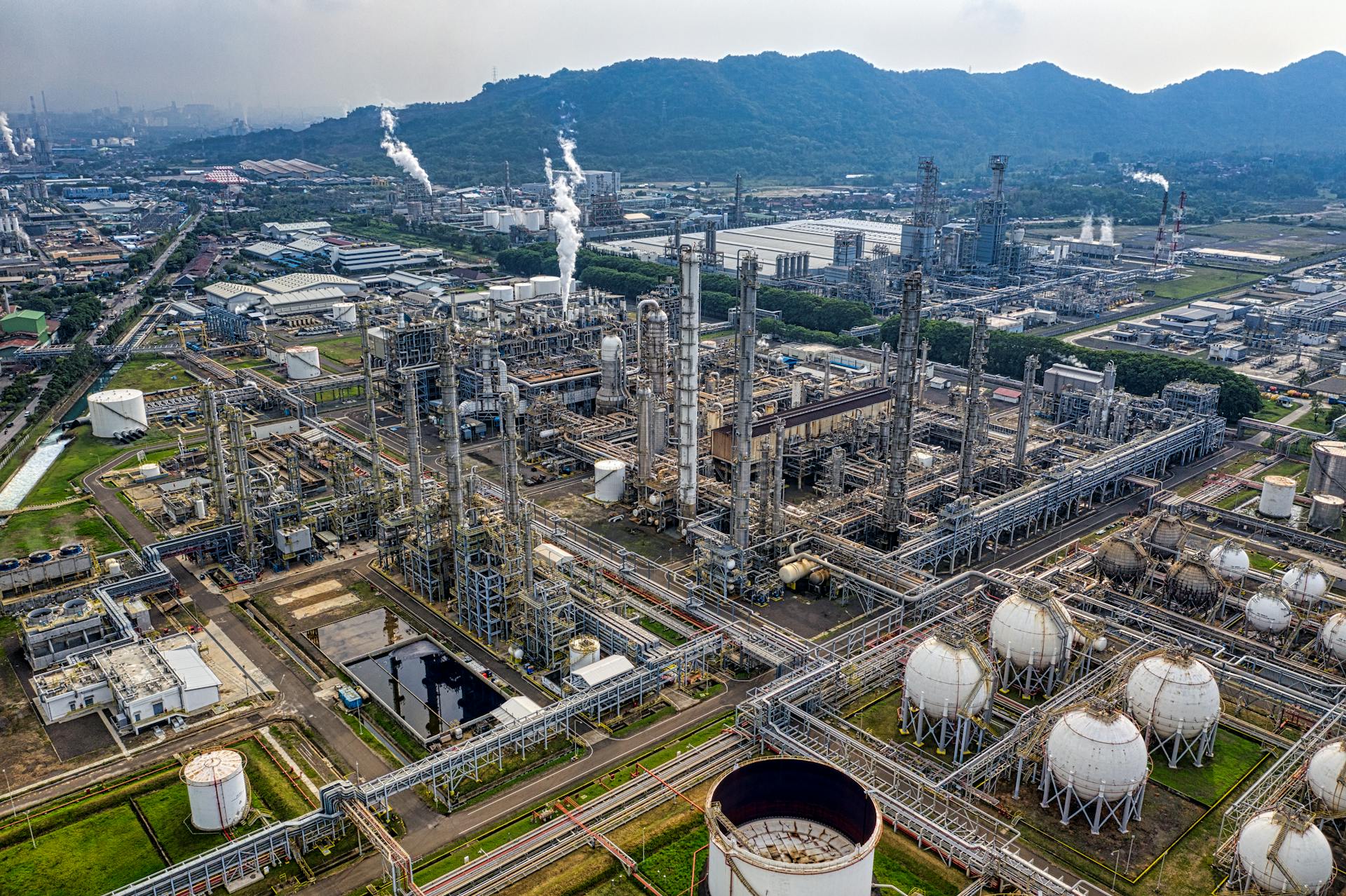
Commercial stockpiles can be included in the total amount of strategic reserves. This is a common practice among countries to ensure they have enough oil to meet their needs in case of disruptions.
As of year-end 2024, net importers in the organization held strategic reserves equal to 138 days of imports. This is a significant amount of oil, and it's a testament to the importance of having a reliable supply chain.
These reserves include 76 days worth of imports stored in commercial inventories. This means that countries are not just storing oil for emergencies, but also using it as a way to manage their supply chains and meet their daily needs.
Related reading: Special Needs Trust Trustee
Acquisition and Release
The Strategic Petroleum Reserve (SPR) plays a crucial role in maintaining the country's energy security. The reserve has a capacity of 394.8 million barrels as of January 31, 2025.
To replenish the reserve, the Department of Energy purchases crude oil, considering factors such as supporting domestic supply, protecting national security, minimizing costs, and avoiding market disruptions. The president must decide when to replenish the reserve, as seen in March 2020 when then-President Donald Trump ordered the purchase of 77 million barrels, but the plans were canceled due to lack of funding.
Discover more: Odoo Replenish on Order
Releasing oil from the SPR can take the form of loans or outright sales. In a loan or exchange, the reserve provides crude to a company, typically a refiner, which must return the same volume of crude along with additional barrels as interest. Exchanges often occur in cases of localized disruptions, such as a shipping channel blockage.
A drawdown of the SPR can be ordered by the president to counter a severe energy supply disruption. The Energy Policy and Conservation Act allows for a full drawdown, while a limited drawdown of up to 30 million barrels over a 60-day period can also be conducted. The Department of Energy may also conduct test drawdowns of up to 5 million barrels.
Here are some key dates related to SPR releases:
- September 15, 2025: History of SPR Releases
- December 14, 2022: SPR Crude Oil Sales and Exchanges
- July 11, 2023: Statutory Authority for an SPR Drawdown
- September 9, 2022: SPR Crude Oil Acquisition Procedures
- March 12, 2019: Price Competitive Sale of Strategic Petroleum Reserve Petroleum; Standard Sales Provisions; Final Rule
Key Facts and Rankings
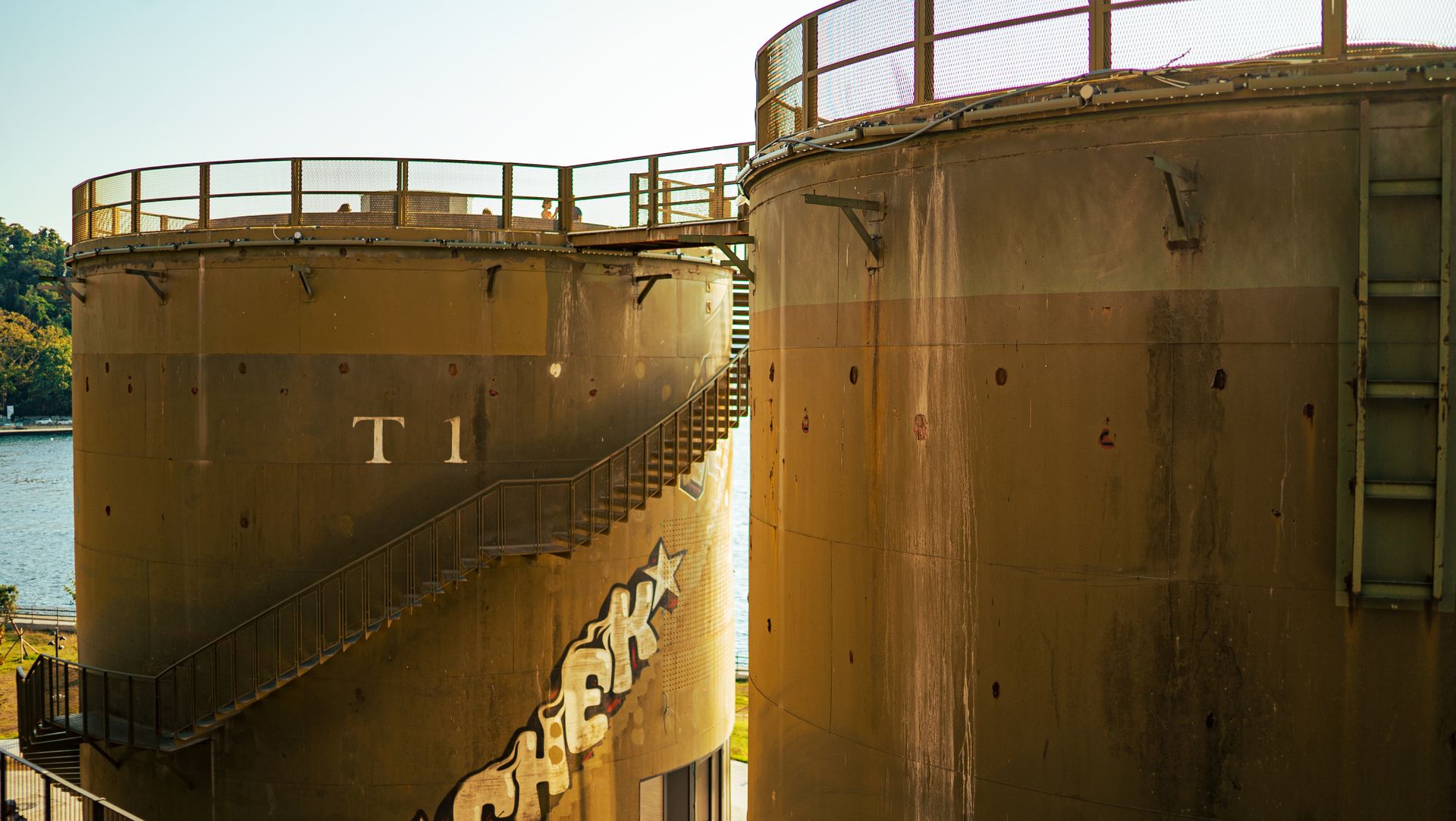
The U.S. Strategic Petroleum Reserve is a complex of four sites with deep underground storage caverns along the Texas and Louisiana Gulf Coasts. The reserve was filled to its authorized storage capacity of 727 million barrels on December 27, 2009.
The highest inventory milestone was reached on December 27, 2009, with 726.6 million barrels. This was the highest level ever held in the SPR until that date.
Here are some key facts about the SPR's inventory milestones:
The SPR has a current authorized storage capacity of 714 million barrels and a current inventory of 594.7 million barrels, which is equivalent to approximately 1,206 days of supply of total U.S. petroleum net imports.
Understanding and Types
A strategic reserve is a stockpile of essential items that can be used in an emergency situation. It can be financial in nature, such as a corporation's capital reserves, or a commodity like food or petrol.
There are many types of commodity reserves, including global strategic petroleum reserves and national helium reserves. Some countries even create unusual strategic reserves of food or commodities they value the most, such as cotton or maple syrup.
Strategic petroleum reserves can help a country weather a sudden disruption in supply after a natural disaster or economic sanctions. These reserves are stockpiles of crude oil that have already been extracted and can be promptly refined into fuels.
Types of strategic reserves include:
- Financial in nature, such as ring-fenced funding or capital reserves
- A commodity, such as intervention stocks of food or petrol
- Specific machinery, such as railroad cars or steam locomotives
Examples of commodity reserves include:
- Global strategic petroleum reserves
- Strategic uranium reserves
- National Helium Reserve
- Strategic grain reserve
- Gold reserve
- International Strategic Reserve of the Federation of Quebec Maple Syrup Producers
- Strategic National Stockpile – medical supplies in the U.S.
Strategic reserves are not to be confused with proved oil reserves, an estimate of crude still in the ground that could be extracted in the long term.
Remaining Oil Reserves
As of January 31, 2025, the strategic reserve had 394.8 million barrels.
The U.S. has a significant amount of oil reserves, with 48.3 billion barrels at the end of 2022.
At the current consumption rate of 20.25 million barrels per day, the U.S. oil reserves would last 6.5 years.
The strategic reserve would only add an additional 19.5 days to that period, assuming constant consumption.
See what others are reading: U. S. Steel Košice, S.r.o.
Energy
Strategic reserve is a volume-based capacity mechanism used to meet short-term demand when market participants don't offer enough generation.
In some cases, a strategic reserve can be used to stabilize investments in a specific industry and provide sufficient investment incentive. This is done by controlling power plants or interruptible demand contracts to ensure a corresponding investment incentive.
Take a look at this: Pretax Fehb Incentive
The International Energy Agency (IEA) requires its members to hold strategic reserves equal to 90 days of the previous year's net imports. This includes commercial stockpiles that can be used to meet demand.
Net importers in the IEA hold strategic reserves equal to 138 days of imports, including 76 days in commercial inventories. This is as of year-end 2024.
A Belgian company, Elia, operates in Belgium and Germany and is one of the main European Transmission System Operators.
Featured Images: pexels.com