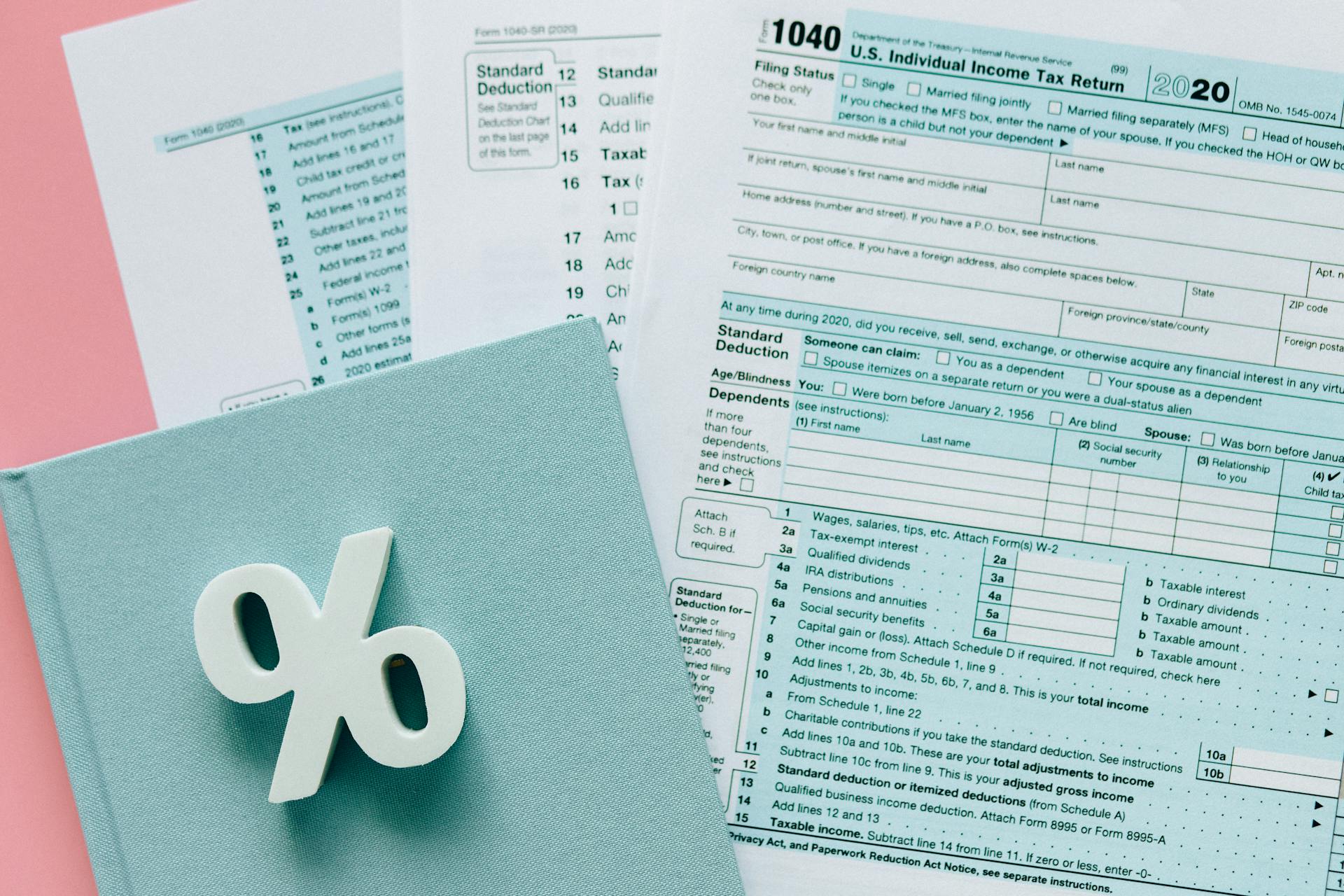
Statutory liability is a type of liability that arises from a law or statute, not from a contract or agreement. This means that it's a responsibility imposed by the government to ensure compliance with specific laws and regulations.
Statutory liability can be imposed on individuals, organizations, or even governments themselves. For example, companies may be held liable for violating environmental laws, while governments may be liable for failing to provide adequate public services.
Understanding statutory liability is crucial because it can have serious consequences, including fines, penalties, and even imprisonment. For instance, a person found guilty of violating a traffic law may be fined or have their license suspended.
Statutory liability is often categorized into two main types: absolute and vicarious liability.
Recommended read: Even Cash Advance
What Is Statutory Liability?
Statutory liability is the liability that a company, its directors, executives, and managers face when they breach certain statutes of parliament, intentionally or not.
Businesses can be held accountable for breaching laws regarding various business activities, including environmental laws, workplace safety, advertising, licensing, and consumer privacy.
Companies can be at risk for payments in lawsuits, compensatory damages, and settlements if they're found lacking in their adherence to these laws.
Accidental breaches of the law can be challenging to avoid, given the volume of regulations and the need to stay updated as regulations change.
Business laws can be ambiguous and subject to multiple interpretations, making it difficult for companies to comply without seeking professional help.
Many companies hire business lawyers to help them avoid situations that could lead to statutory liability.
Types of Statutory Liability
Statutory liability can be complex, but understanding the different types can help you navigate the process. Professional liability is one type, where companies that offer professional services like accounting or law can be held liable for inadequate advice or services.
Companies that fail to meet federal laws regarding employee benefits, such as health insurance, can be held accountable for employee benefits liability. This can result in financial penalties and damage to the company's reputation.
You might like: Can Family Members Be Held Responsible for Medical Bills
Vehicle liability is another type, where companies can be held responsible for property damage and medical bills if a company vehicle causes an accident. This can be a significant financial burden for companies.
Companies that violate media or advertising laws can face lawsuits for media liability. This can include copyright infringement, which can be costly to resolve.
Medical malpractice liability is a serious type of statutory liability, where healthcare providers can be held liable for harm caused to patients due to their omission or negligent act. This can have severe consequences for healthcare providers.
Here are some examples of statutory liability:
- Professional liability: Companies that offer professional services (e.g. accountants, financial advisors, lawyers)
- Employee benefits liability: Companies that fail to meet federal laws regarding employee benefits (e.g. health insurance)
- Vehicle liability: Companies that can be held responsible for property damage and medical bills if a company vehicle causes an accident
- Media liability: Companies that violate media or advertising laws (e.g. copyright infringement)
- Medical malpractice liability: Healthcare providers that can be held liable for harm caused to patients due to their omission or negligent act
Statutory Liability and Insurance
Statutory liability insurance provides access to defence costs and experienced legal representatives to defend you and/or your business against claims. This type of insurance can cover fines, penalties, orders for reparations payable to an injured person, and can include enforceable undertakings.
A shortfall between the injured person's 80% loss of income paid by the ACC and their full salary can be included in the coverage. Statutory Liability policies also provide protection against large legal bills for defence costs, which can help protect your balance sheet and cash flow.
For your interest: Collateral Loan against Property
Managing a claim is time-intensive and requires specialist skills. With the right insurance cover, you can concentrate on running your business.
Here are some examples of statutory liability claims:
- Workplace accidents, bullying, stress, or sexual harassment
- Non-compliance with product safety obligations
- Breach of consent under the RMA Act
- Failure to provide a safe work environment
Directors and Officers (D&O) liability is the personal liability that directors, officers, executives, and managers face in case of a claim from a third party against them for failure to comply with their statutory and fiduciary duties as directors.
Business entities and corporations can also face statutory liability for non-compliance with laws and regulations, which can arise from violations such as environmental damage, unsafe working conditions, or discrimination against protected groups.
See what others are reading: How to File Insurance Claim against Other Driver without Insurance
Statutory Liability and Business
Statutory liability can have a significant impact on businesses, especially small to medium-sized ones. A Statutory Liability policy can provide access to legal representation and support in dealing with a claim, protecting the business's balance sheet and cash flow against large legal bills for defence costs.
Managing a claim is time-intensive and requires specialist skills, which is why businesses can concentrate on running their operations with the right insurance cover. This type of insurance can be especially beneficial for businesses that operate in industries with strict regulations, such as construction or manufacturing.
Related reading: Invoice Discounting for Small Businesses
Businesses in New Zealand and Australia commonly purchase statutory liability insurance to protect themselves from fines, penalties, and legal fees resulting from accidental breaches of law. Some examples of statutes covered by this type of insurance include the Consumer Guarantees Act, Building Act, Fair Trading Act, and Health and Safety in Employment Act 1992 and amendments.
Here are some examples of statutory liability claims:
- WorkSafe can investigate and prosecute a business, owners, and employees where someone is seriously harmed or dies because of a workplace accident.
- The Commerce Commission prosecuted the owner of a business which sold unsafe toys that did not comply with product safety obligations.
- A regional council investigated a business under the RMA Act for an alleged breach of their consent, resulting in the discharge of large amounts of dust.
- A health provider faced prosecution for the failure to provide a safe work environment when nurses were assaulted at the facility by a patient.
Business Entities
Business entities can face statutory liability for non-compliance with laws and regulations. This can happen when they violate laws related to environmental damage, unsafe working conditions, or discrimination against protected groups.
Fines and penalties are common consequences of statutory liability. Companies may also be required to take corrective action to address the issue at hand.
Ignorance of the law is not an excuse for non-compliance. Companies must stay up-to-date with relevant laws and regulations to avoid unintentionally violating them.
Volkswagen's emissions scandal is a recent example of a company facing statutory liability. The company faced billions of dollars in fines and legal settlements as a result of its actions.
For more insights, see: Fmla Violations Fines
Management Differences
Management liability policies are designed to protect businesses and individuals from claims related to company mismanagement or wrongdoing. These policies can cover a range of issues, including statutory liability.
Statutory liability can arise from violating workplace health and safety laws, such as having an accident at work or engaging in unsafe work practices. This can result in costly fines and damage to a company's reputation.
Management liability policies can also cover breaches of environmental laws, including offences under the Resource Management Act and Building Act. Using a building for a purpose it was not zoned for or without a current warrant of fitness is an example of this.
Investigations by the Commerce Commission, such as for misleading or deceptive conduct in terms of the Fair Trading Act, or for price fixing or anti-competitive behaviour, can also trigger statutory liability.
Here are some examples of statutory liability:
- Violation of workplace health and safety laws
- Breaching duties and responsibilities of environmental laws
- Offences in terms of the Resource Management Act and Building Act
- Investigations by the Commerce Commission
Insurance Claim Examples
Insurance claims can arise from a variety of situations. Statutory liability insurance claims are a specific type of claim that can occur when a business fails to comply with laws and regulations.
A few examples of statutory liability insurance claims include investigations and prosecutions by WorkSafe for workplace accidents, as seen in the case of a business owner being prosecuted for selling unsafe toys. This can result in serious harm or even death.
Businesses can also face claims for alleged breaches of consent, such as the discharge of large amounts of dust. The Commerce Commission can prosecute businesses for failing to comply with product safety obligations.
Health providers can be held liable for failing to provide a safe work environment, as in the case of nurses being assaulted by a patient. This can lead to personal liability for directors, officers, executives, and managers.
Here are some examples of statutory liability insurance claims:
- Workplace accidents resulting in serious harm or death
- Alleged breaches of consent, such as the discharge of large amounts of dust
- Failing to comply with product safety obligations
- Failing to provide a safe work environment
Statutory Liability and Law
Statutory liability refers to the legal responsibility individuals or entities have for violating a statutory law, which is a law passed by a governing body.
There are two types of statutory liability: criminal and civil. Criminal statutory liability involves breaking a law that carries criminal penalties, while civil statutory liability involves breaking a law that carries monetary penalties or damages.
On a similar theme: Breaking Buck
Criminal statutory liability can result in severe consequences, including fines, penalties, imprisonment, or even capital punishment. This type of liability is often associated with serious crimes such as physical assault, manslaughter, theft, and drug trafficking.
Civil statutory liability, on the other hand, can result in damages being awarded to the affected parties. This type of liability can arise from various forms of statutory violations, including product liability, employment law violations, and environmental protection laws.
Business owners should be aware that complying with statutory laws is essential to avoid costly legal consequences. Lawsuits can arise if an organization fails to fulfill its obligations resulting in breaches that may negatively impact their reputation.
Here are some examples of statutory liability:
- Violating environmental protection laws
- Failing to comply with employment laws
- Breaching product liability laws
- Ignoring licensing and permit requirements
Business owners should have a knowledgeable legal team and implement processes to ensure they comply with applicable statutes, especially those relevant to their industry sector.
Statutory Liability and Damage
Statutory liability can result in various types of damage, including personal injury, property damage, and financial loss. These damages can occur when a company or individual violates a statutory law, leading to harm to people or their property.
Personal injury can result from various statutory violations, such as drunk driving accidents, where the driver's violation of a DUI statute can cause harm to others. Property damage can also occur, as seen in cases where companies fail to meet federal laws regarding employee benefits, such as health insurance.
Financial loss is another type of damage that can occur due to statutory liability. For example, companies that offer professional services, such as accountants or financial advisors, can be held liable for providing inadequate or erroneous advice or services, resulting in financial losses for their clients.
Here are some examples of statutory violations that can lead to different types of damage:
Key Takeaway
Statutory liability is a type of liability that holds individuals or entities accountable for violating a statutory law, which is a law passed by a governing body.
In Illinois, a violation of a statute supports a negligence per se argument only if the legislature intended for the law to impose strict liability. Strict liability means a party is liable for your injuries whether or not they acted unreasonably.
There are two types of statutory liability: criminal and civil. Criminal statutory liability involves breaking a law that carries criminal penalties, while civil statutory liability involves breaking a law that carries monetary penalties or damages.
Examples of statutory liability include companies and business entities violating environmental or labor laws, government and public officials committing misconduct or neglect, and individuals being held personally liable for breaking a law.
Companies can be held statutorily liable for violations of a variety of laws surrounding common business activities, including laws regarding the environment, workplace safety, consumer privacy, licensing, and permits.
Here are some examples of different types of statutory liabilities:
- Professional liability: A company that offers professional services (such as accountants, financial advisors, or lawyers) may be held liable should it be deemed they provided inadequate or erroneous advice or services.
- Employee benefits liability: Companies can be held accountable should they fail to meet federal laws regarding employee benefits, such as health insurance.
- Vehicle liability: Companies can be held responsible for property damage and medical bills should a company vehicle cause an accident.
- Media liability: Companies that violate media or advertising laws face potential lawsuits filed on behalf of the damaged party.
- Medical malpractice liability: Providers of healthcare services face malpractice liability should their omission or negligent act cause harm to a patient.
Types of Damage
Types of damage can be broadly categorized into three main areas.
Personal injury is a type of damage that affects individuals directly. This can be a result of an accident, a crime, or any other situation where a person is harmed.
Property damage refers to harm or destruction of physical assets, including buildings, vehicles, and other structures.
Financial loss is a type of damage that affects a person's or business's wallet, resulting in a loss of money or assets.
The types of damage can be broken down into the following categories:
- Personal injury
- Property damage
- Financial loss
Statutory Liability and Examples
Statutory liability refers to the legal responsibility for violating a law or regulation. It's a serious issue that can result in fines, penalties, and legal fees.
Examples of statutory liability include breaching environmental laws, violating consumer protection regulations, and breaking labor laws. These types of violations can lead to investigations and court cases brought by regulatory bodies.
In New Zealand and Australia, businesses commonly purchase statutory liability insurance to protect themselves from the fines, penalties, and legal fees that can result from an accidental breach of law. This type of insurance can cover liabilities that arise from unintentional violations under various laws, including the Consumer Guarantees Act, Building Act, and Fair Trading Act.
Here are some examples of statutory liability claims:
- WorkSafe investigating and prosecuting a business for a workplace accident
- The Commerce Commission prosecuting a business for selling unsafe toys
- A regional council investigating a business for an alleged breach of their consent under the RMA Act
- A health provider facing prosecution for failing to provide a safe work environment
These cases demonstrate the importance of understanding and complying with laws and regulations to avoid statutory liability.
Negligence Per Se in Drunk Driving
Negligence Per Se in Drunk Driving is a common claim in personal injury cases. It's based on the idea that a defendant's violation of a statute, such as a driving under the influence (DUI) law, can establish negligence per se.
Check this out: Insurance for Driving Schools
To prove negligence per se in a drunk driving case, four elements must be met. The defendant must have violated a statute that was meant to protect the public from harm. This is typically a DUI law that carries punishments like jail time, fines, and probation.
The defendant's violation of the statute must have caused the harm. In a drunk driving case, this means the defendant's driving under the influence led to the accident and subsequent injuries.
The fourth element is that you, the plaintiff, must be part of the class of people the statute was meant to protect. This is usually easy to establish in a drunk driving case, as the statute is intended to protect motorists, pedestrians, and other road users.
Here's a summary of the four elements needed to prove negligence per se in a drunk driving case:
Examples
Statutory liability can arise from a variety of situations, including accidental breaches of law. This can happen in industries such as construction, where businesses may unintentionally violate the Building Act.
In New Zealand and Australia, businesses often purchase statutory liability insurance to protect themselves from fines, penalties, and legal fees resulting from such breaches. This type of insurance can cover liabilities arising from unintentional violations under various laws, including the Consumer Guarantees Act and the Health and Safety in Employment Act 1992.
Some examples of statutory liability include violating workplace health and safety laws, breaching environmental laws, and offences under the Resource Management Act and Building Act. These can result in investigations by regulatory bodies and potential court cases.
Statutory liability can also arise from duties and responsibilities under environmental laws, such as the discharge of large amounts of dust. Additionally, businesses may be held liable for failing to provide a safe work environment, as seen in cases where nurses were assaulted at a health facility.
In some cases, statutory liability can be proven through circumstantial evidence, such as showing that the defendant's careless conduct caused the plaintiff's injuries. However, in other cases, the defendant's violation of a statute may be used to establish negligence per se.
To establish negligence per se, four elements must be met:
- The defendant violated a state statute or local ordinance that protected people and their property
- The statute or ordinance provides a punishment, like a fine or imprisonment, for violations
- The defendant's violation was the type of harm the statute or ordinance was meant to prevent
- You are a part of the class of people the statute was meant to protect
Examples of statutory liability claims include investigations by WorkSafe, the Commerce Commission, and regional councils. These can result in fines, penalties, and legal fees, which can be mitigated through statutory liability insurance.
Frequently Asked Questions
What is the difference between contractual and statutory liability?
Contractual liability is based on agreements and promises, whereas statutory liability is based on laws. This fundamental difference affects how obligations are enforced and liabilities are determined.
What does statutory strict liability mean?
Statutory strict liability refers to a type of liability imposed by law, where a person or entity is held responsible for damages or injuries, regardless of fault, as mandated by a specific statute or regulation. This type of liability is often applied in cases involving hazardous activities or products.
Featured Images: pexels.com