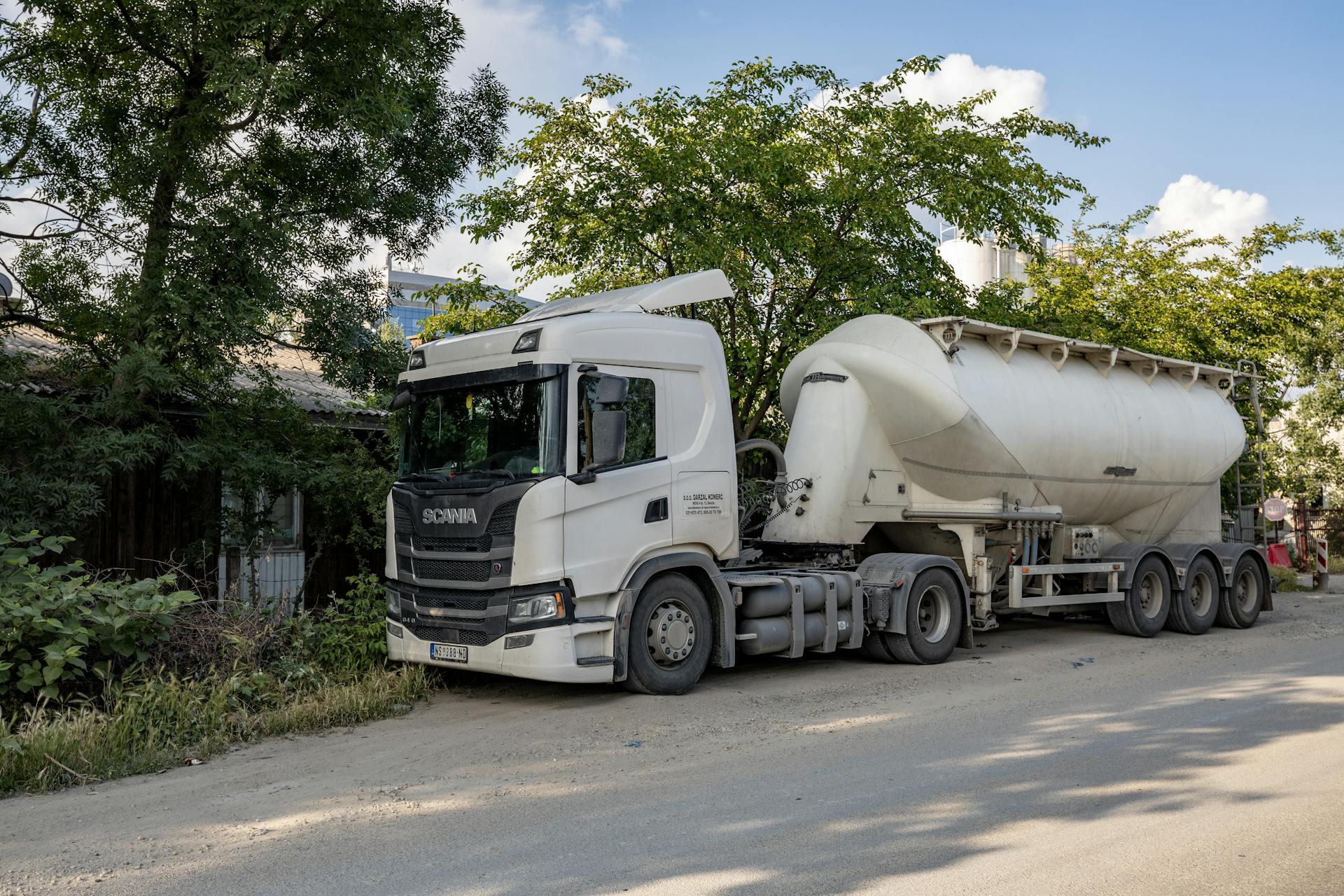
Scania AB is a Swedish manufacturing company that's been around since 1891. It's headquartered in Södertälje, Sweden. The company is a leading manufacturer of commercial vehicles and engines.
Scania AB has a long history of innovation, with its first truck being produced in 1902. The company has since grown to become one of the largest manufacturers of commercial vehicles in Europe.
Scania AB is a subsidiary of the Volkswagen Group, a German multinational automotive manufacturing company. The acquisition by Volkswagen was finalized in 2008.
Suggestion: Daimler India Commercial Vehicles
History
Scania AB has a rich history that spans over a century. It was established in 1911 as a result of a merger between Vabis and Maskinfabriks-aktiebolaget Scania.
The company was formed in 1911, but its roots go back to 1891 when Vagnfabriks Aktiebolaget i Södertelge (Vabis) was established as a railway car manufacturer. Maskinfabriks-aktiebolaget Scania, on the other hand, was founded in 1900 as a bicycle manufacturer.
Scania's early years were marked by experimentation with building automobiles, trucks, and engines, but with varied success. It wasn't until 1910 that Maskinfabriks-aktiebolaget Scania had succeeded in constructing reliable vehicles.
Here's a list of some of the notable models produced by Scania over the years:
- CLb/CLc (1911–27)
- DLa (1911–26)
- ELa (1912–26)
- FLa (1911–24)
- GLa (1914–23)
- 314/324/325 (1925–36)
- 335/345/355 (1931–44)
- L10/F10/L40/F40/L51 Drabant (1944–59)
- L20/L60/L71 Regent (1946–58)
- L75/L76/LB76 (1958–68)
- L55/L56/L66 (1959–68)
- L36 (1964–68)
- 50, 80, 85, 110, 140 (1968–74)
- 81, 86, 111, 141 (1974–81)
- 2-series: 82, 92, 112, 142 (1980–88)
- 3-series: 93, 113, 143 (1987–97)
- 4-series: 94, 114, 124, 144, 164 (1995–2004)
- T-series (2004–05) – former part of the PRT-range
Vabis and Maskinfabriks-aktiebolaget
Vabis and Maskinfabriks-aktiebolaget Scania, two companies that would eventually merge to form a successful entity. They were established in 1891 and 1900 respectively, with Vabis as a railway car manufacturer and Maskinfabriks-aktiebolaget Scania as a bicycle manufacturer.
In 1910, Maskinfabriks-aktiebolaget Scania had finally succeeded in constructing reliable vehicles, while Vabis was on the brink of closing down. Per Alfred Nordeman's offer to the owner of Vabis led to a merger in November 1910.
The merged company, AB Scania-Vabis, was established in 1911. It was a result of the merger between Vabis and Maskinfabriks-aktiebolaget Scania.
Curious to learn more? Check out: Old National Bancorp First Midwest Merger
Historical
Scania has a rich history that spans over a century. The company was formed in 1911 through the merger of Vabis and Maskinfabriks-aktiebolaget Scania.
On a similar theme: Maskinfabriks-aktiebolaget Scania
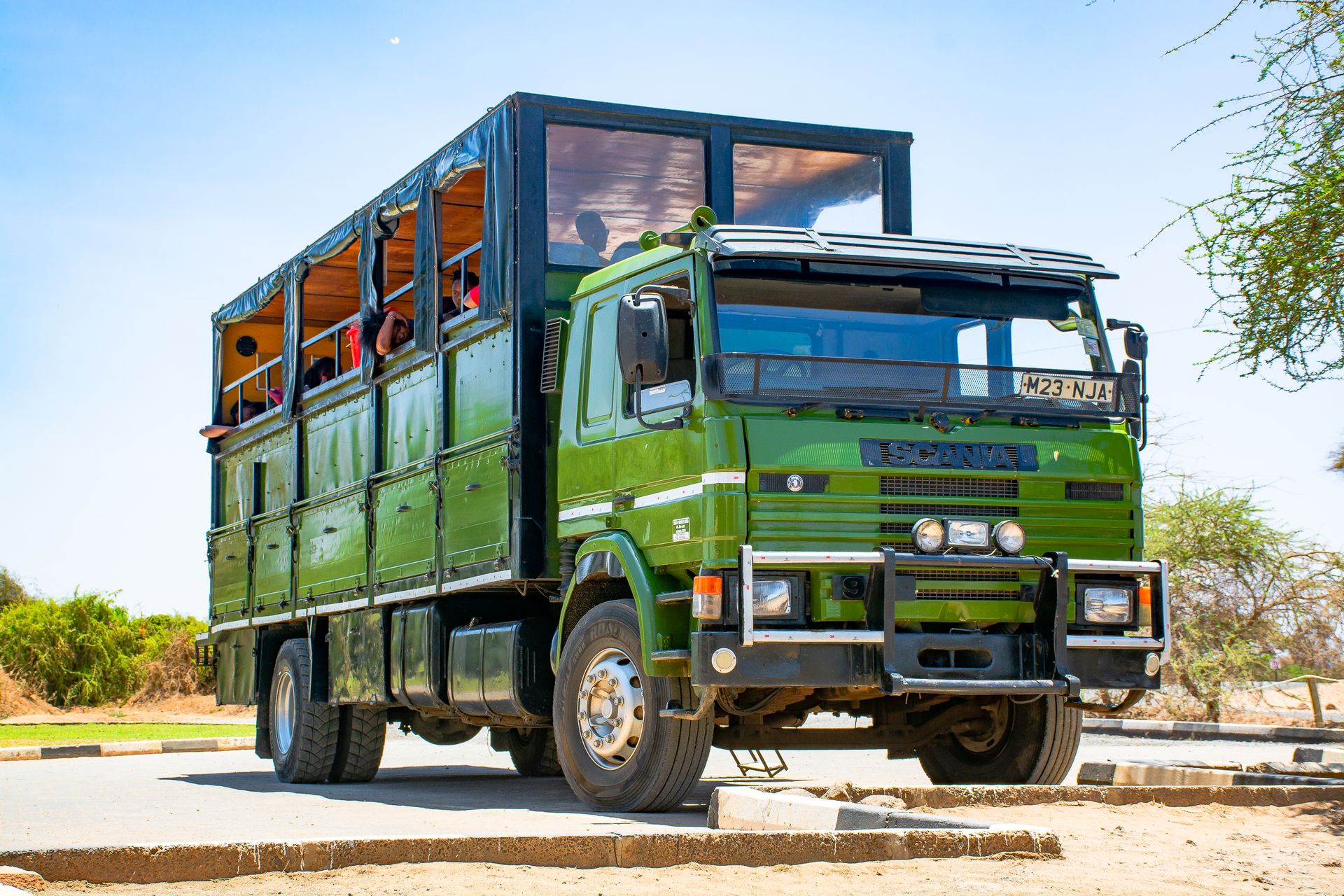
In 1911, the first trucks were manufactured in Malmö, Sweden, under the CLb/CLc, DLa, ELa, FLa, and GLa models. These early trucks were the foundation of Scania's success.
Scania's production continued to expand, with new models being introduced throughout the 1920s and 1930s. The 314/324/325, 335/345/355, and L10/F10/L40/F40/L51 Drabant models were all part of this expansion.
The 1940s saw the introduction of new models, including the L20/L60/L71 Regent and L75/L76/LB76. These models were designed to meet the changing needs of the post-war market.
In the 1960s, Scania introduced new models, including the L55/L56/L66 and L36. These models were designed to be more efficient and reliable than their predecessors.
In the 1970s and 1980s, Scania expanded its operations to include manufacturing in Argentina and Brazil. The company also entered the US market for the first time in 1985.
Here's a list of some of the notable Scania models:
- CLb/CLc (1911–27)
- DLa (1911–26)
- ELa (1912–26)
- FLa (1911–24)
- GLa (1914–23)
- 314/324/325 (1925–36)
- 335/345/355 (1931–44)
- L10/F10/L40/F40/L51 Drabant (1944–59)
- L20/L60/L71 Regent (1946–58)
- L75/L76/LB76 (1958–68)
- L55/L56/L66 (1959–68)
- L36 (1964–68)
- 50, 80, 85, 110, 140 (1968–74)
- 81, 86, 111, 141 (1974–81)
- 2-series: 82, 92, 112, 142 (1980–88)
- 3-series: 93, 113, 143 (1987–97)
- 4-series: 94, 114, 124, 144, 164 (1995–2004)
- T-series (2004–05) – former part of the PRT-range
Saab Partnership
Saab-Scania AB was formed in 1969 after Scania merged with Saab AB. This marked the beginning of a partnership that would last for nearly three decades.
In 1995, Saab-Scania was split, and the truck and bus division changed its name to Scania AB.
Suggestion: Saab Bofors Dynamics
Regulatory Issues
Scania AB has faced various regulatory challenges over the years, one of which was a €900 million fine imposed by the European Commission in 2016 for breaching antitrust rules.
The company was accused of colluding with competitors to fix prices and limit competition in the European truck market.
Scania's parent company, Volkswagen Group, has also been involved in several high-profile regulatory issues, including a €1.5 billion fine for cheating on emissions tests in 2017.
The company has a dedicated compliance team to ensure it meets all regulatory requirements.
Scania AB has also been involved in several product recalls due to safety concerns, including a recall of over 1,000 trucks in 2018 due to a faulty braking system.
The company has a strong commitment to safety and quality, and has implemented various measures to prevent such incidents in the future.
A different take: Central European Media Enterprises
Products
Scania AB offers a wide range of products that cater to various industries. Their products include buses, coaches, trucks, and engines.
Scania's buses and coaches are designed for comfort and efficiency, with features like advanced safety systems and comfortable seating. They are perfect for both urban and intercity routes.
Scania's trucks are known for their reliability and durability, with many models featuring advanced technology like automatic transmissions and driver assistance systems.
Heavy Equipment
Scania develops, manufactures and sells trucks with a gross vehicle weight rating (GVWR) of more than 16 tonnes, intended for long-distance haulage, regional, and local distribution of goods, as well as construction haulage.
Their trucks have a reputation for being crash-tested, with the 1963 forward-control LB76 being one of the first exhaustively crash-tested truck cabs.
Scania offers a wide range of heavy equipment solutions, including trucks and buses designed for sustainable transportation.
They have production sites in Europe, South America, and Asia, and offer a range of services to support their customers, including financing, insurance, and leasing.
Here are some key milestones in Scania's history:
- 1891 - The company was founded.
- 1919 - Production is switched predominantly to trucks.
- 1956 - More than half of turnover is accounted for by exports.
- 2012 - Internal freight transportation is powered solely by carbon-neutral bioethanol.
- 2015 - The 150,000th Scania truck with connectivity is delivered.
Scania is at the forefront of the global shift to sustainable transport solutions, offering a range of alternative or electric drives to reduce emissions.
Their commitment to sustainability is reflected in their goal to reduce greenhouse gas emissions from their operations and supply chain.
Complete Buses
Scania's complete bus range has a rich history, dating back to the 1950s when they started manufacturing buses for their home markets of Sweden and Scandinavia.
The company has been producing complete buses for Europe since the 1990s, expanding their reach to major parts of the continent.
In addition to their own bodyworks, Scania has collaborated with external bodywork manufacturers to deliver buses through their distribution lines, both globally and on smaller markets.
One notable collaboration is with MCW, which resulted in the Metro-Scania single-decker for the UK market in 1969. This was followed by the Metropolitan double-decker in 1973.
Scania has also partnered with Irizar, a Spanish bus builder, to sell their coaches through Scania's global distribution network since the mid-1990s. The Irizar Century was a widely popular model, and later the Irizar PB was sold as Scania's premium coach.
In Norway, Scania collaborated with Ajokki (later Carrus) to produce the Scania Classic, a coach built exclusively for Norway, from 1985 to 2001. This collaboration also led to some Norway-exclusive intercity buses, including the Scania Cruiser and Scania InterClassic.
See what others are reading: PLUS Markets Group
Scania has also partnered with Higer Bus to produce coaches in China, starting with the A80 in 2006. The A80 is available globally, but under a different make-up in Europe as the Scania Touring HD.
Here's a list of some of the notable collaborations and models:
These collaborations demonstrate Scania's commitment to producing a wide range of buses to meet the needs of different markets and customers.
Company Details
Scania AB, the parent company of Scania Sverige AB, is located at Vagnmakarvägen 1 in Södertälje, Sweden.
Scania AB's contact information includes a phone number of +46 8 55 38 10 00.
Scania Sverige AB falls under the category of Scania AB, which is a company that operates in the transportation sector.
Current Status
Scania's current truck lineup is quite impressive, and it's divided into several series based on cab height.
The L-series, launched in December 2017, is optimized for distribution and other short-haul duties, with an even lower cab than the P-series.
The P-series, launched in August 2004, is a popular choice for regional and local distribution, construction, and specialized operations.
One of the key features of the P-series is its availability in several cab variations, including a single-berth sleeper, a spacious day cab, a short cab, and a crew cab.
The G-series, launched in September 2007, offers an enlarged range of options for operators engaged in national long haul and various construction applications.
All G-series models come with a G cab and are available as either a tractor or rigid, with five cab variants to choose from: three sleepers, a day cab, and a short cab.
The R-series, launched in March 2004, is designed for long haulage and features a Scania R cab, available as a tractor or rigid.
One of the most powerful variants of the R-series is the Scania R 730, which boasts a 16.4-litre DC16 Turbo Diesel V8 engine producing 730 PS (540 kW; 720 hp) at 1,900 rpm and 3,500 N⋅m (2,600 lb⋅ft) of torque at 1,000–1,350 rpm.
Related reading: Etrade Pattern Day Trader
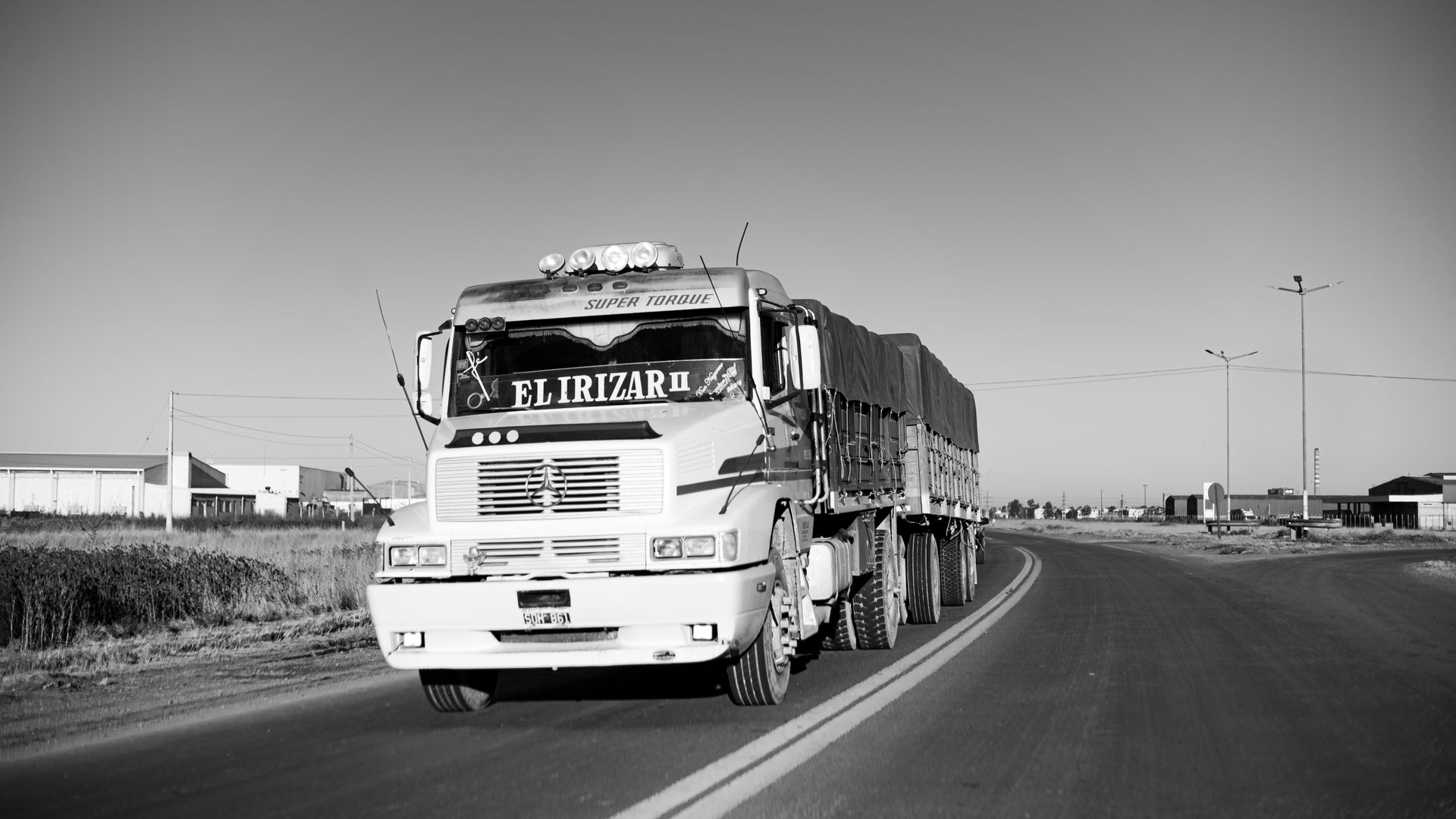
The S-series, launched in August 2016, is the highest cab Scania has ever built, featuring a completely flat floor and a low bed that is extendable up to 100 cm (about 3.28 feet).
Here's a quick rundown of the current Scania series:
- L-series: optimized for distribution and short-haul duties
- P-series: regional and local distribution, construction, and specialized operations
- G-series: national long haul and construction applications
- R-series: long haulage
- S-series: highest cab Scania has ever built, with a flat floor and extendable bed
Collaborations and Affiliations
Scania has collaborated with various bodywork manufacturers to deliver buses through their distribution lines. This has allowed them to cater to specific markets and customer needs.
One notable collaboration is with Irizar, a Spanish bus builder, which started in the mid-1990s. Scania has exclusive distribution rights for all Irizar coaches in Northern Europe.
The Irizar Century was a highly popular model sold through Scania's global distribution network. Later, the Irizar PB was also sold as Scania's premium coach.
Scania has also partnered with Higer Bus in China to produce coaches on Scania chassis. The A80 is the first coach in the Higer A Series, and it's available globally, although rebranded as the Scania Touring HD in some markets.
In Europe, the Higer A30 is available as an affordable intercity bus or simple coach.
If this caught your attention, see: Cboe Global Markets
Buses Through Collaborations
Scania has collaborated with several bodywork manufacturers to deliver buses through their distribution lines.
In 1969, Scania teamed up with MCW to make the Metro-Scania single-decker for the UK market based on the BR110MH chassis.
The collaboration with MCW continued until 1978, when the BR111 was replaced by the BR112.
Scania also collaborated with East Lancashire Coachbuilders (ELC) to produce the low-entry MaxCi in 1993.
ELC's MaxCi was followed by the L113-based European in 1995 until 1996.
Scania's collaboration with Irizar has been a long-lasting one, starting in the mid-1990s.
The agreement meant that Scania had exclusive distribution rights for all Irizar coaches in Northern Europe for many years.
The most widespread model sold through this agreement was the Irizar Century.
Scania also collaborated with Ajokki, a Finnish bus builder, to produce the Scania Classic in 1985.
The Scania Classic was a coach built exclusively for Norway and was technically based on Ajokki's own Royal coach model.
A different take: PBS Distribution
In 2006, Scania and Higer Bus announced the A80, the first coach in the Higer A Series of coaches built on Scania chassis in China.
Scania has also collaborated with Van Hool to offer some of their most luxurious coaches from their TX series on Scania K EB chassis.
The Astronef with theatrical floor, the Astromega double-decker, and the Altano are some of the coaches available through this collaboration.
Scandinavian Power in Traton Group
Traton Group, a leading commercial vehicle manufacturer, has a significant presence in Scandinavia through its subsidiaries and partnerships.
Scania, one of Traton's major brands, is headquartered in Sweden and has a strong reputation for producing high-quality trucks and buses.
The company's commitment to innovation and sustainability is reflected in its investments in alternative fuel technologies, such as electric and hybrid vehicles.
Scania's products are designed to meet the unique demands of Scandinavian markets, where harsh weather conditions and challenging terrain require vehicles that can withstand extreme temperatures and rugged roads.
Traton's Scandinavian operations have a significant impact on the region's economy, with thousands of jobs created and a substantial contribution to local GDP.
In fact, Scania's annual production capacity in Sweden is over 100,000 vehicles, making it one of the country's largest industrial employers.
Worth a look: One Caribbean Media
Financials and Operations
Scania AB has seen a steady revenue growth from 2016 to 2024, with a total revenue of 64,113 million euros in 2024.
The company's operating result has also been on the rise, reaching 6,413 million euros in 2024, a significant improvement from 2016.
Scania's sales revenue has been broken down by segment, with the Industrial and Other segment generating the most revenue in 2023, at 3,511 million euros.
Here's a breakdown of Scania's sales revenue by segment from 2021 to 2024:
Scania's production has also been increasing, with a total production of 94,111 units in 2023, a significant improvement from 2016.
Related reading: Aker Floating Production
Employees at Group
Employees at Group have a presence in various locations around the world. The company has manufacturing facilities in São Bernardo do Campo, São Paulo, and Sorocaba, São Paulo.
Scania Group also has a manufacturing facility in Munich, Bavaria, and another in Detroit, Michigan. Additionally, the company has a defense and space manufacturing facility in Stockholm, Stockholm County.
Here's a breakdown of the locations where Scania Group employees are based:
- São Bernardo do Campo, São Paulo
- Munich, Bavaria
- Sorocaba, São Paulo
- Stockholm, Stockholm County
- Detroit, Michigan
Board of Directors Composition
The Board of Directors composition for Scania AB is quite diverse. The board consists of 10 members.
Peter Åke Wallenberg has been a director since 2004, making him one of the longest-serving members. He's 66 years old.
Malin Lisa Maria Lorentzon is a relatively new addition, joining the board in 2014, and is 43 years young.
Stephanie Porsche-Schröder has been a director since 2016 and is 47 years old.
Nina Macpherson is 67 years old and joined the board in 2018.
Michael Lyngsie is 48 years old and has been a director since 2017.
Lilian Biner is 63 years old and joined the board in 2019.
Gunnar Kilian is 50 years old and has been a director since 2019.
Julia Kuhn-Piëch is 44 years old and joined the board in 2020.
Christian Porsche is 51 years old and has been a director since 2012.
Mark Philipp Porsche is 48 years old and has been a director since 2019.
Here's a brief overview of the board's age distribution:
Financials
Scania's revenue has been steadily increasing from 2016 to 2024, reaching a peak of 26.8 billion euros in 2023.
The company's operating result has also seen a significant improvement over the years, with a notable increase in 2022, reaching 2.4 billion euros.
Scania's sales revenue has been broken down by segment, with the bus segment being a significant contributor in 2023, accounting for 12.6 billion euros of the total sales revenue.
Here's a breakdown of Scania's sales revenue by segment from 2021 to 2024:
Scania's production has been increasing steadily from 2016 to 2023, with a notable increase in 2022, reaching 90,000 units.
The company's vehicle sales have also seen a significant improvement over the years, with a notable increase in 2023, reaching 220,000 units.
Here's a breakdown of Scania's vehicle sales by segment from 2019 to 2024:
Scania's new orders have been steadily increasing from 2016 to 2024, with a notable increase in 2023, reaching 30,000 units.
Frequently Asked Questions
Why is Scania not sold in the US?
Scania's global design standards are too costly to change for a single market, but there's more to the story than just design preferences. The company's decision not to sell in the US is a complex one, with multiple factors at play.
Featured Images: pexels.com