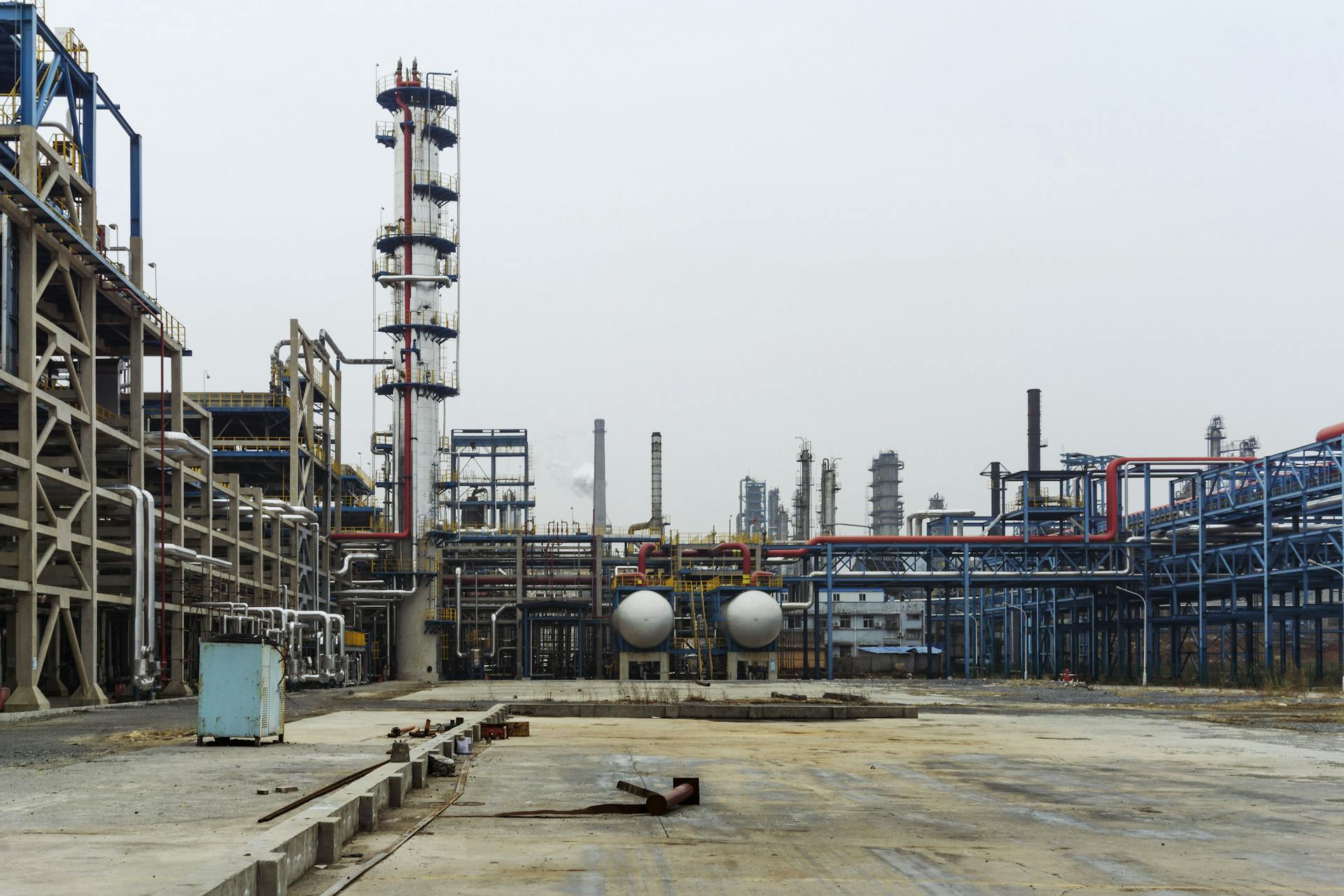
Russneft is a Russian oil and gas company with a complex history.
Founded in 1993 by Mikhail Gutseriev, the company has undergone significant changes over the years.
Russneft's early success was largely due to its strategic partnerships with other oil companies, including the Russian government-controlled Rosneft.
The company's growth was also fueled by its aggressive expansion into new markets, including Eastern Europe and the Middle East.
Despite its success, Russneft has been embroiled in numerous controversies, including allegations of tax evasion and corruption.
One of the most notable controversies surrounding Russneft involves a dispute with the Russian government over the company's ownership structure.
Russneft's ownership has been the subject of much debate, with some claiming that the company is controlled by the Russian government, while others argue that it is privately owned.
Discover more: Russian Direct Investment Fund
Investigations and Ownership
Russneft has faced numerous investigations over the years, with the first one initiated in November 2006 by the Investigative Committee of the Russian Federation.
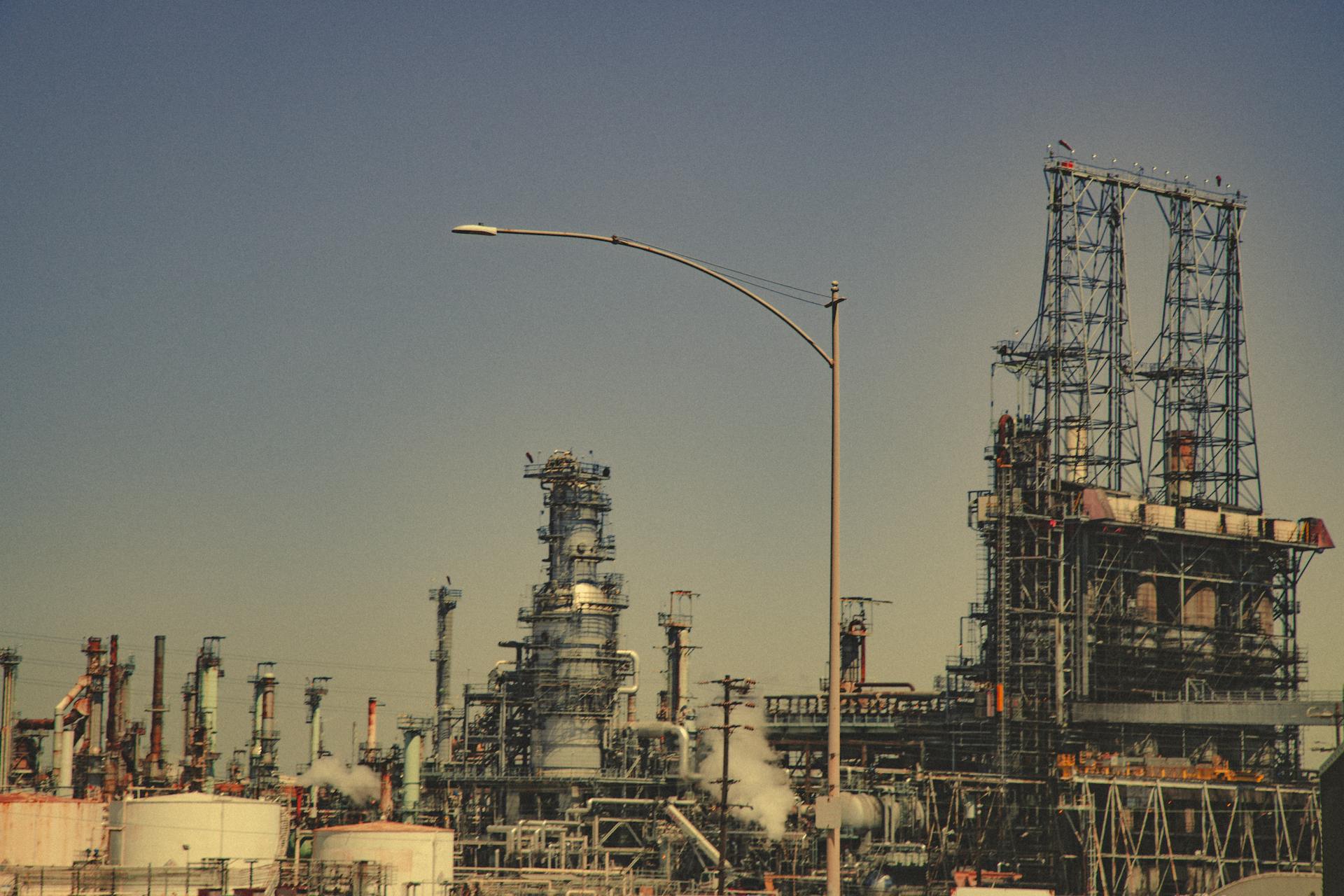
In 2003-2004, Aganneftegazgeologiya exceeded its permitted output and received ₽5 billion in excess profit, while managers of Nafta-Ulyanovsk and Ulyanovskneft also exceeded quotas allowed by subsoil licenses.
Gutseriev was charged with violating Part 2, Article 199 of the Criminal Code of the Russian Federation in February 2007, and the Federal Tax Service submitted eight claims to Russneft's former and current shareholders in April 2007.
Tax authorities believed that stock in the company was sold at a low price to evade taxes, and in June 2007, Tax Inspection No. 1 made a claim on RusNeft for ₽17.1 billion.
Gutseriev regained control of the company in January 2010, after all charges against him were dropped, and he later sold 49 percent of Russneft to AFK Sistema in April 2010.
In August 2021, Gutseriev sold his stake (37.15 percent) in Russneft to Vemonar Holdings, a Cypriot company owned by his brother, Sait-Salam Gutseriev.
Ownership and Management
Russneft has had a complex ownership history, with several changes in control and stakes over the years. Gutseriev and his partners were the initial founders and owners of the company.
In 2009, Bazoviy Element, a holding company owned by Oleg Deripaska, took control of Russneft. However, Gutseriev regained control in January 2010. Later that year, he sold 49 percent of the company to AFK Sistema and 2 percent to Sberbank.
Ownership of Russneft continued to shift, with AFK Sistema selling 25 percent of its shares to Bradinor Holdings Limited and 24 percent to Cromeld Management Limited in 2013. Both companies were controlled by Gutseriev family members.
As of 2015, Gutseriev owned 60 percent of Russneft's common stock, with Glencore owning 25 percent. Gutseriev has been the chairman of the board since February 2015.
Here is a breakdown of the key players involved in Russneft's ownership:
In August 2021, Gutseriev sold his 37.15 percent stake in Russneft to Vemonar Holdings, a Cypriot company owned by his brother, Sait-Salam Gutseriev. This sale occurred before the imposition of EU and UK sanctions on Gutseriev due to his connections with Belarus president Alexander Lukashenko.
Investigations
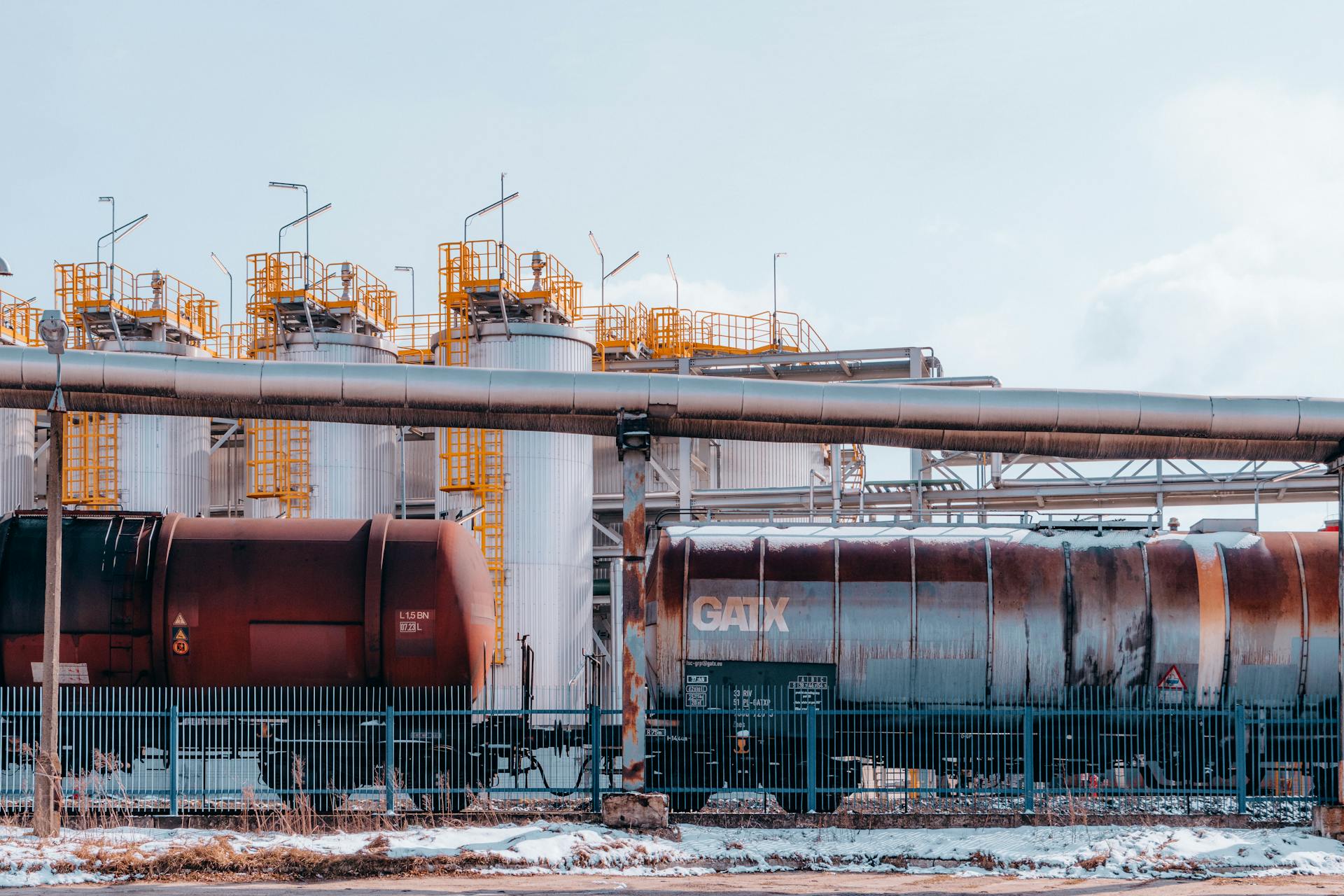
In November 2006, the Investigative Committee of the Russian Federation initiated a criminal proceeding related to operations of three RussNeft subsidiaries.
The investigation revealed that Aganneftegazgeologiya exceeded its permitted output in developing oilfields and received ₽5 billion in excess profit.
Similar violations were discovered by the General Prosecutor's Office during investigations of Nafta-Ulyanovsk and Ulyanovskneft, with managers exceeding quotas allowed by subsoil licenses.
The income of Nafta-Ulyanovsk from the sale of illegally-produced oil amounted to about ₽700 million, and the income of Ulyanovskneft reached ₽2 billion.
In late January 2007, authorities began investigating Russneft for tax evasion.
Gutseriev was charged with violating Part 2, Article 199 of the Criminal Code of the Russian Federation on February 12, 2007.
The Federal Tax Service submitted eight claims to Russneft's former and current shareholders in April 2007, alleging that stock in the company was sold at a low price to evade taxes.
Tax authorities made a claim on RusNeft for ₽17.1 billion in June 2007, including ₽14.5 billion in taxes and surcharges and ₽2.6 billion in penalties.
Broaden your view: Russian National Reinsurance Company
Gutseriev reported being pressured by the Russian government in late July 2007 and would sell the company to Bazoviy Element, a holding company owned by Kremlin loyalist Oleg Deripaska.
The Lefortovo Court seized all RussNeft shares on July 31, 2007.
On November 9, 2007, the Arbitration Court of Appeal upheld the order fining Russneft about ₽17 billion for the second half of 2004 and all of 2005.
All charges against Gutseriev were dropped by mid-April 2010.
Gutseriev was charged with illegal business activity in violation of paragraphs a and b of part 2, Article 171 of the Criminal Code of the Russian Federation on May 4, 2017.
For your interest: Russian Standard Bank
Performance and Projects
Russneft has made significant strides in its performance over the years. In 2016, its IPO netted ₽14 billion, which was intended to repay long-term loans.
The company's revenue has consistently increased, with a 43 percent jump in 2018 to ₽176.365 billion. This growth was also seen in its net and EBITDA, which rose by 8.7 and 39.1 percent, respectively.
Russneft's oil production has also been impressive, with 7.2 million tons produced in 2019. The company's reserves are substantial, equivalent to 600.8 million tons.
In 2022, Russneft's revenue reached a new high of 275 billion rubles.
The company has been focusing on gas projects to reduce environmental impacts. In 2019, gas utilization reached 95 percent, meeting the government's requirement.
Here are some key facts about Russneft's gas projects:
- Gas utilization in 2019 was 95 percent.
- The company focuses on increasing the efficient use of associated petroleum gas (APG), natural-gas production, and gas processing.
Russneft has also been involved in international projects, including a cooperation agreement with SOCAR in Azerbaijan. The company obtained 37.5 percent of the Binagady project rehabilitating old oilfields near Baku.
Production in Azerbaijan has been steady, with 500,000 tons of oil produced from fields such as Binagady, Kirmaki, and Chakhnaglyar.
Notes and Sales
Russneft's sales and financial performance have been notable in recent years. In 2024, the company increased oil exports to 2.4 million tons, a significant boost.
Russneft's production levels have also seen a reduction, with a 5% decrease in 2024.
The company's profit under RAS (Russian Accounting Standards) increased by almost 33% in 2024, a substantial gain.
Russneft's reserves have also grown, increasing by 10 million tons in 2024.
Here's a quick summary of Russneft's financial performance:
Notes
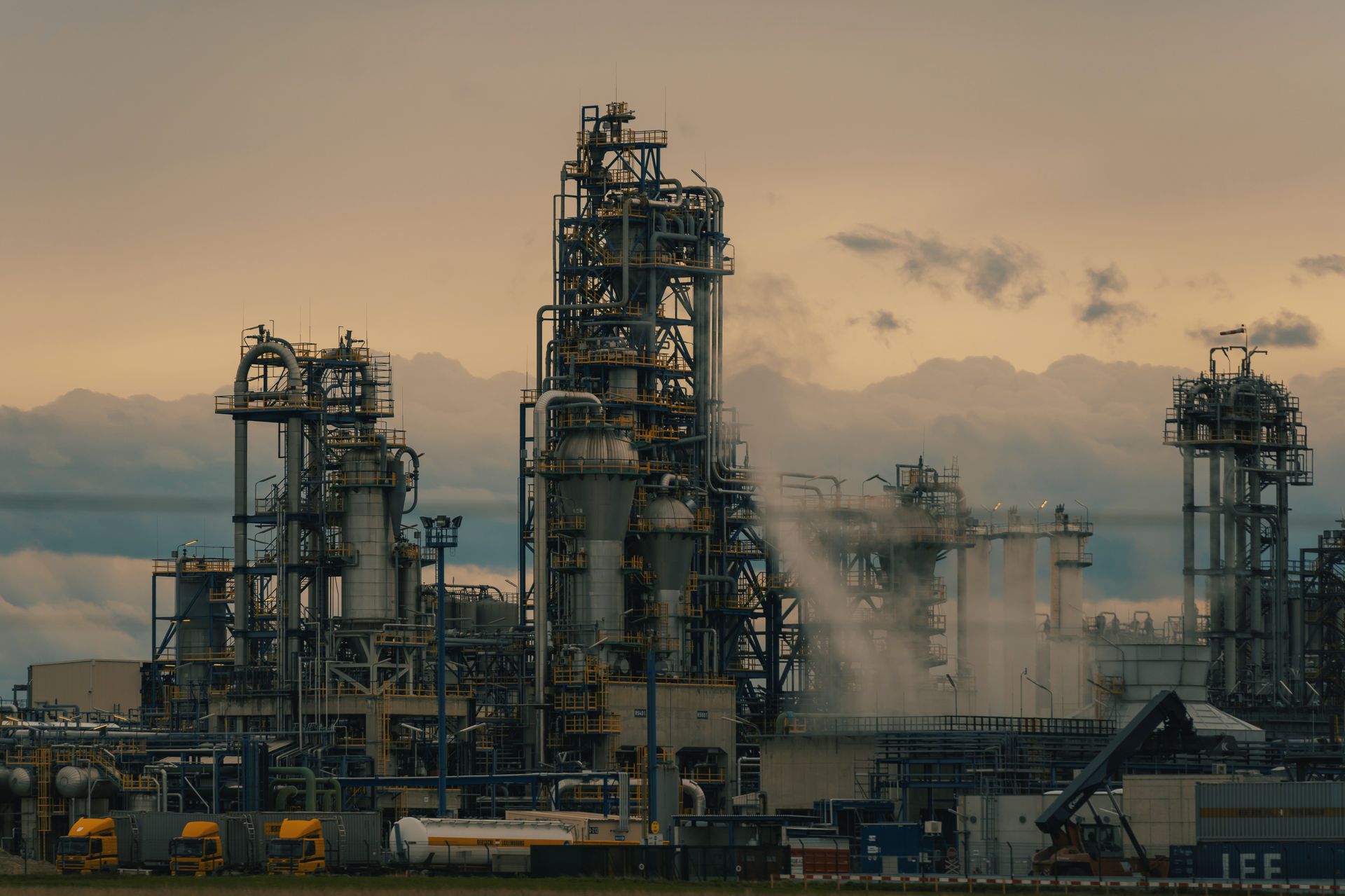
In 2024, Russneft increased oil exports to 2.4 million tons. This is a significant step forward for the company.
Russneft's production was reduced by 5% in 2024. This reduction in production is a notable change from previous years.
The company's profit under RAS increased by almost 33% in 2024. This is a substantial increase and a positive sign for the company's financial health.
Russneft's reserves increased by 10 million tons in 2024. This increase in reserves will likely provide a long-term benefit for the company.
In 2023, Russneft's net profit under RAS increased by 3.8%. This is a notable improvement from the previous year.
However, in 2022, the company's net profit under RAS was reduced by 2.3 times. This significant decrease highlights the challenges faced by the company in the previous year.
Here's a summary of the changes in Russneft's performance:
Sales by Geography
Sales by Geography is a fascinating topic, and let's dive right in. RussNeft's sales are predominantly generated from the Russian Federation, with 79.04B in sales for the fiscal period of December 2020.
The Russian Federation remains a significant market for RussNeft, with sales reaching 218B in 2022. RussNeft's sales in the Russian Federation have been steadily increasing over the years.
RussNeft also generates sales through exports, with 72.9B in sales for the fiscal period of December 2023. This is a notable increase from the previous year.
Here's a breakdown of RussNeft's sales by geography:
Note the significant drop in sales from the Russian Federation in 2023, which could be attributed to various market and economic factors.
Glencore Sells Stake
Glencore has quietly sold its long-held stake in the Russian oil company RussNeft, ending more than 20 years of investment.
The company first invested in RussNeft in the early 2000s, playing a role in the company's development at a time when Russia's oil sector was rapidly expanding.
Glencore agreed to sell its stake in RussNeft in late 2021, with plans to close the deal in the first half of 2022.
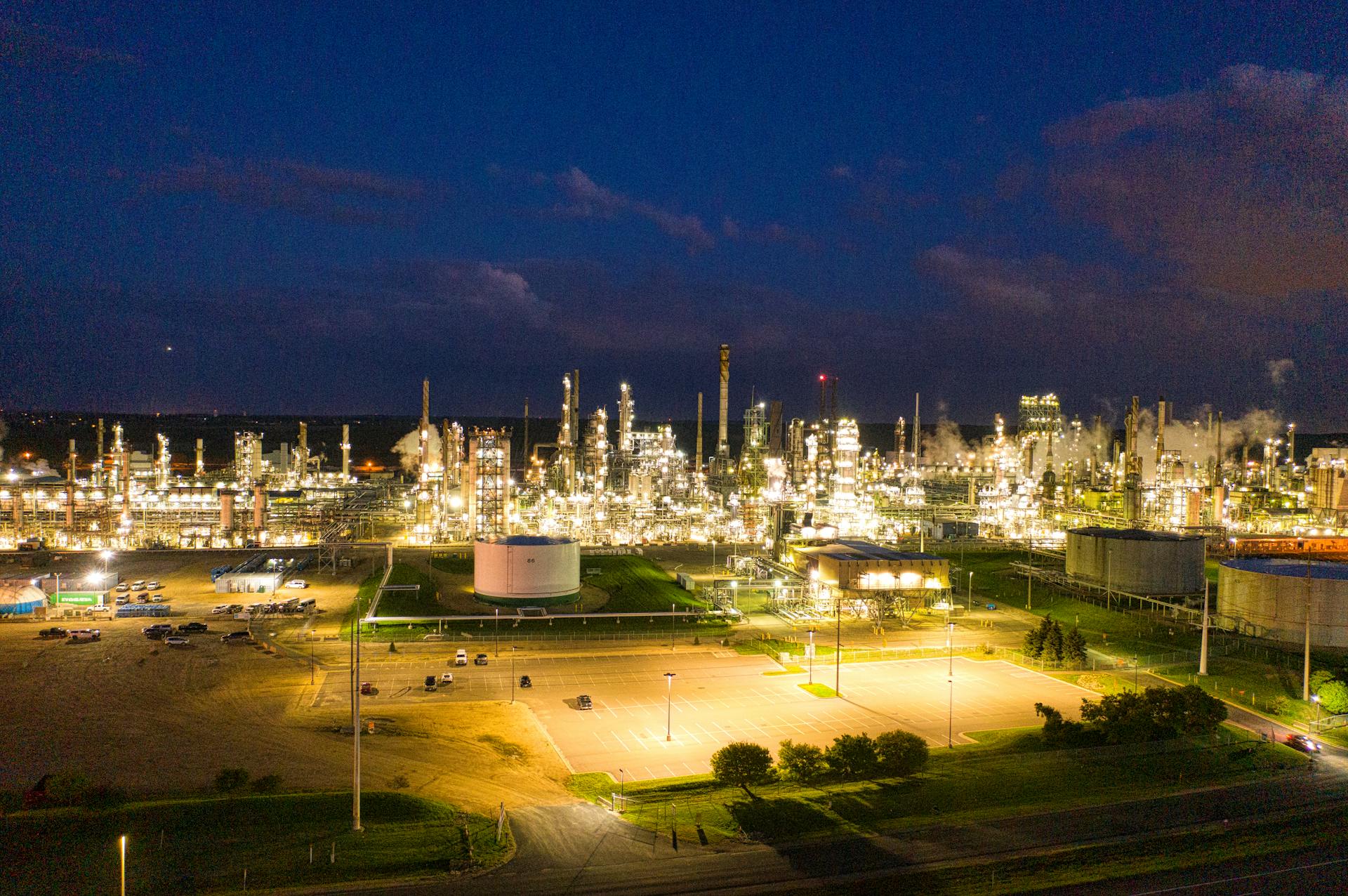
A decree signed by President Vladimir Putin following the February 2022 invasion of Ukraine limited transactions involving foreign investors from countries deemed "unfriendly" to Russia, delaying Glencore's efforts to finalize the sale.
The roadblock was lifted in early 2024, when Putin allowed foreign entities to conduct transactions involving RussNeft shares – a move meant to pave the way for Glencore's exit.
RussNeft president Yevgeny Tolochok had previously said that the deal was in its final stages and expected to close by the end of 2024.
The sale represents a significant step back for Glencore from the Russian energy sector, but the company still retains a stake in EN+ Group, the parent company of aluminum giant Rusal.
Sector
Russneft operates within the energy sector, which is a broad category that encompasses various sub-industries.
Russneft's primary focus is on energy production, specifically within the fossil fuel segment.
One of the key areas of concentration for Russneft is oil and gas exploration and production.
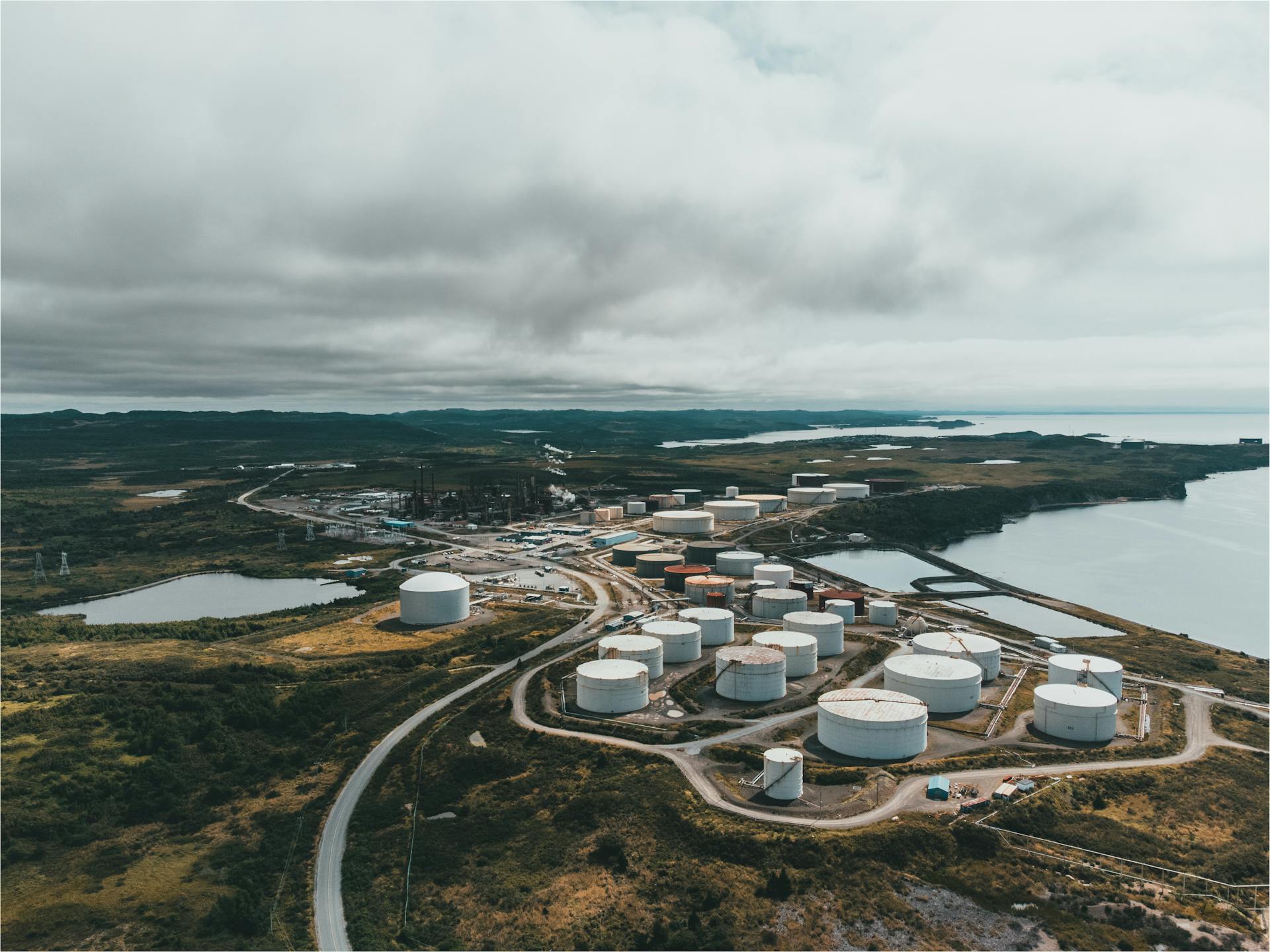
Russneft's activities in oil and gas exploration and production are further categorized into a specific sub-segment: other oil and gas exploration and production.
Here's a breakdown of the sectors and sub-industries involved in Russneft's operations:
Frequently Asked Questions
What is the price of RussNeft stock?
The current price of RussNeft NK stock is 123.20 RUB, with a 24-hour decrease of 0.99%. Check the chart for the latest stock performance.
What is the famous oil company in Russia?
The largest Russian oil company is Rosneft, followed by several other major players in the industry.
Featured Images: pexels.com