The proposed mine plan has been met with significant opposition from the local community and environmental groups.
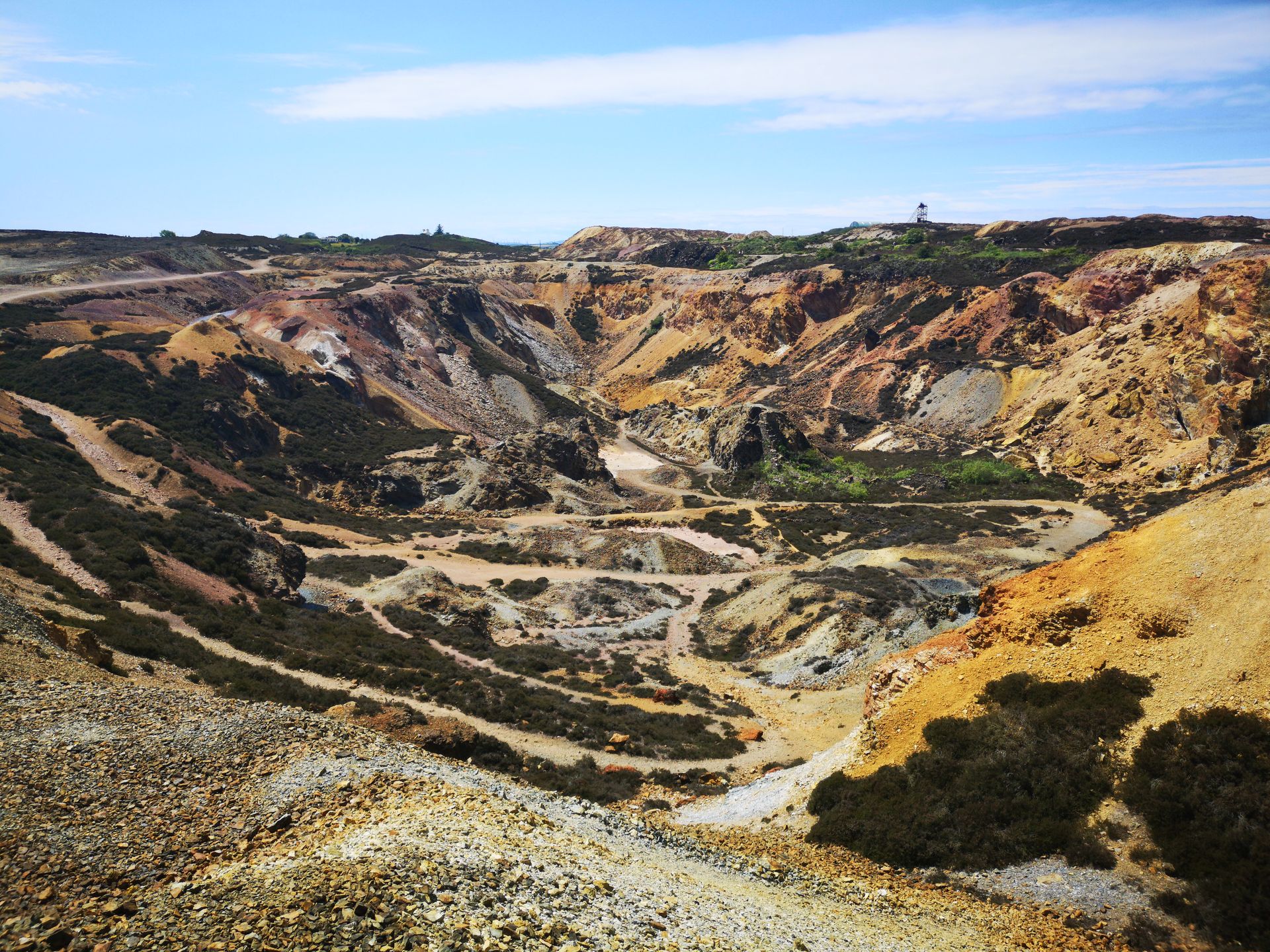
The plan involves extracting copper and other minerals from a large deposit beneath the Tonto National Forest.
The mine would be one of the largest in North America, producing over 1.5 billion pounds of copper per year.
The project has been in development since the 1990s, but concerns over its impact on the surrounding environment and local communities have delayed its progression.
Court Ruling and Legal Efforts
The court ruling on the Resolution Copper mine proposal has been widely misunderstood. The ruling does not clear the way for the mine's construction, contrary to initial press reports.
Chairman Terry Rambler of the San Carlos Apache Tribe accurately stated that the ruling does not advance the proposed mine in the slightest. The culturally and environmentally devastating project is no closer to construction today than it was before the appeals court ruling.
Roger Featherstone, director of the Arizona Mining Reform Coalition, emphasized that the 9th Circuit Court ruling does not advance the proposed mine. He also noted that the land transfer cannot happen until the US Forest Service completes and releases a new Final Environmental Impact Statement (FEIS).
The Apache Stronghold has a strong chance of prevailing in their case if it reaches the Supreme Court. Roger Featherstone expressed disappointment with the 9th Circuit court's ruling and believes the EPA should step in to protect Queen Creek from further pollution.
Broaden your view: Roger Stone
Mine Proposal and Approval
The Resolution Copper mine proposal has been a contentious issue for years, with the project's future hanging in the balance. The project involves the construction of an underground mine in Arizona's Tonto National Forest, which would result in the destruction of Oak Flat, a sacred site for the San Carlos Apache Tribe.
The mine's developers, Rio Tinto and BHP, have undergone a decade-long stakeholder process to design the mine and its associated surface support facilities. This process has involved extensive environmental and social reviews.
The project has been through various stages of review and approval, with the US Forest Service issuing a final environmental impact statement and draft record of decision. The service also acknowledged the project's legal fights, including a petition to the Supreme Court.
A recent court ruling did not clear the way for the mine's construction, according to Chairman Terry Rambler of the San Carlos Apache Tribe. The ruling did not bring the project any closer to construction.
The Trump administration has advanced the project by announcing a timeline for approving the mine. This involves releasing a final environmental impact statement and draft record of decision within 60 days. The project is also subject to a petition to the Supreme Court, which could affect the timeline.
The mine is expected to create nearly 1500 jobs and generate significant tax revenue for Arizona and the US Federal Government. It would also become North America's largest copper producer, supporting thousands of direct and indirect jobs over its projected multi-decade lifespan.
Suggestion: Tax Cuts and Jobs Act
Oak Flat and Mine Issues
Oak Flat, a sacred site used for centuries by Native Americans, is in danger of being destroyed by the Resolution Copper mine. The mine would use as much water as a city of 180,000 people for at least 40 years, draining the aquifer and affecting nearby towns.
The Arizona Tribes, including the western Apache people, oppose the project because of the destruction of a sacred site. Oak Flat has been used for centuries by Native Americans, and is a place of great cultural and spiritual significance.
The Resolution Copper mine proposal is also a failed experiment. Rio Tinto, the majority owner of Resolution Copper, has not finished building a similar mine in Mongolia, which has already begun to leak toxic waste.
A test shaft dug at Oak Flat encountered a river of 185-degree hot water at 6,300 feet below ground, leading to increased projected operating costs for treating polluted water and cooling the shaft.
Here's an interesting read: Live Oak Bank
Time to Nix a Bad Idea
Resolution Copper's plans to mine the Oak Flat area are facing intense opposition from the Tonto National Forest's own management plan, which recommends preserving the area's natural and cultural resources.
The mine would also destroy over 2,400 acres of sacred Native American land, including the Apache's Oak Flat, which is home to a rare and endangered species of plant.
The mine's proposed location is just a few miles from the Tonto National Forest's headquarters, highlighting the absurdity of the plan.
The Tonto National Forest's management plan is clear: protect the area's natural and cultural resources, not sacrifice them for a mining project.
The mine would also disrupt the area's delicate ecosystem, potentially harming the many plants and animals that call Oak Flat home.
Resolution Copper's plans have been in the works for over a decade, with the company repeatedly pushing for the mine despite growing opposition.
Suggestion: Forest Avenue Capital
Frequently Asked Questions
How big is the resolution copper mine?
The Resolution Copper mine is a significant underground operation, spanning 5,000 to 7,000 feet below the surface. It's expected to become North America's largest copper mine, supplying critical copper for everyday life.
Featured Images: pexels.com