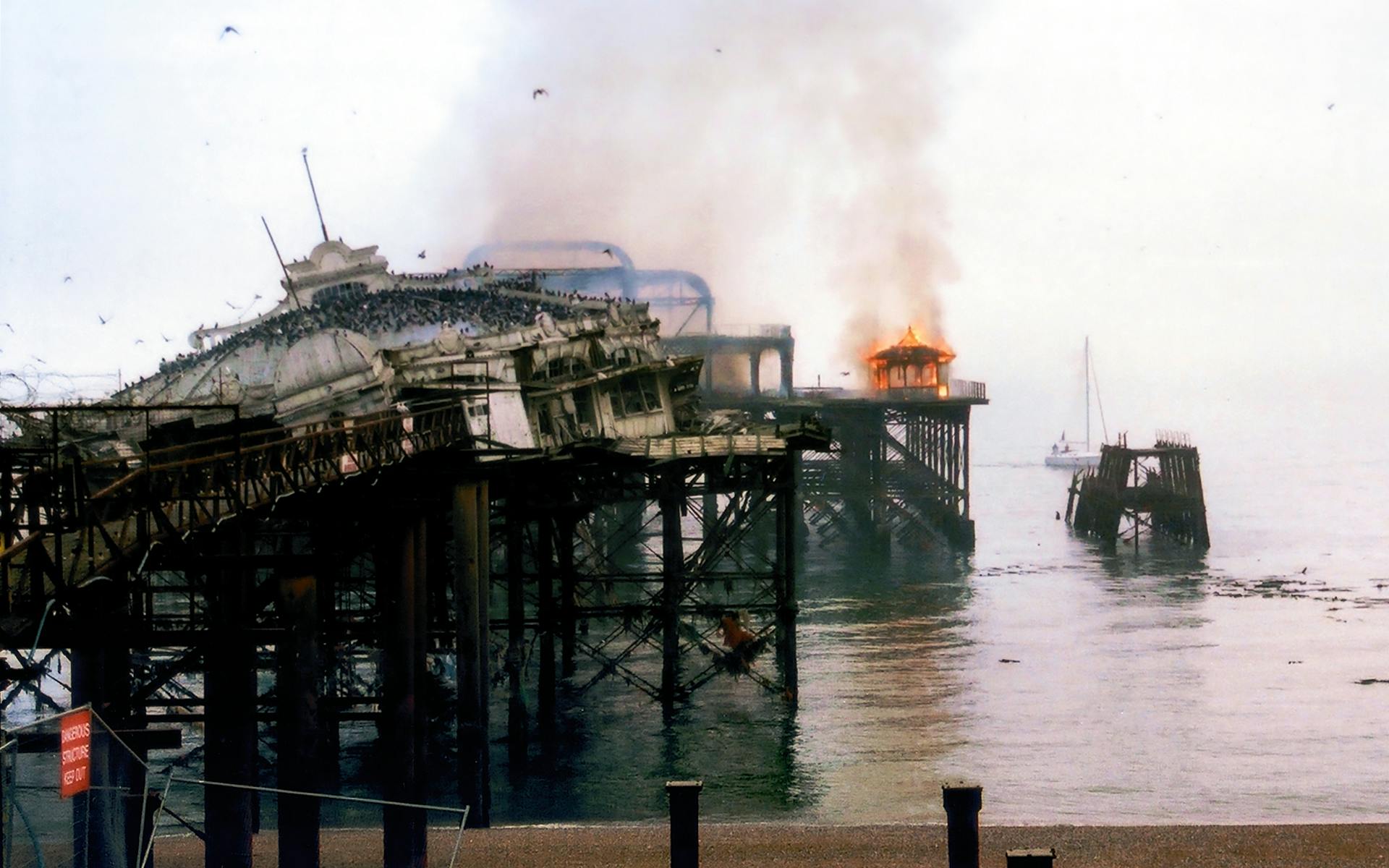
Renters insurance can provide financial protection against fire damage to your belongings, but it's essential to understand what's covered and what's not. Typically, renters insurance policies cover damage caused by fire, smoke, and soot.
Most policies also cover the cost of temporary housing if you're unable to live in your rental due to fire damage. This can be a huge relief, especially if you're not prepared for the added expenses of finding a new place to stay.
Renters insurance usually has a deductible, which is the amount you pay out of pocket before your insurance coverage kicks in. For example, if your policy has a $500 deductible, you'll need to pay the first $500 of any damages before your insurance covers the rest.
Fire damage to your belongings can be extensive, and renters insurance can help you recover financially.
Suggestion: What Does Dental Insurance Not Cover
What Rents Cover?
Your landlord's insurance policy will cover damage to the structure of your rental unit, including walls, cabinets, and floors, in the event of a fire.
If you're renting a house, your landlord's homeowners policy may repair or rebuild the home in case of a fire.
The building owner's business property insurance may pay to repair your unit due to damage from fire if you're renting a unit in an apartment building.
In the event that you're responsible for the fire, personal liability coverage on your renters insurance policy may compensate your landlord or rental company for damages, up to your policy's limits.
Your personal belongings, excluding your car, will be covered by renters insurance, so make sure to keep a record of your valuable items.
Related reading: Does Landlord Insurance Cover Eviction
Policy Coverage Details
Renters insurance policies cover a wide range of fire damage scenarios, including kitchen fires, electrical fires, and fires caused by children or pets.
If you're a renter, your policy may reimburse you for fire or smoke damage to your personal property, such as clothing, furniture, or electronics.
Faulty appliances, like a malfunctioning refrigerator, can also be covered under your renters insurance policy.
For your interest: Does Car Insurance Cover Electrical Fires
Chimney fires, fires caused by fireworks, and wildfires are all considered covered events under a typical renters insurance policy.
However, if you're in a zone subject to a mandatory evacuation order due to a wildfire, your policy may also cover the costs of evacuation.
Fire damage to items you keep in storage, up to 10% of your policy's limit, is also covered under a standard renters insurance policy.
If your vehicle catches on fire, your renters insurance policy may cover fire damage to personal property inside the vehicle.
Fire damage caused by lightning hitting your building is another covered event under a typical renters insurance policy.
Arson committed by a third party is also covered under a standard renters insurance policy.
Expand your knowledge: Vehicle Insurance
Preventing and Protecting
Never leave a burning candle or any other source of fire unattended if you leave your home or go to sleep. Consider candle alternatives that don’t actually light on fire but still look nice.
Don't leave space heaters running or unattended, and always supervise cooking to prevent cooking incidents, the top cause of residential fires.
To ensure your home is fire-safe, make sure electrical cords are in good shape, and always double check to make sure you’ve turned off the oven and stove after using it.
Here are some key fire safety tips to remember:
- Never leave a burning candle or any other source of fire unattended.
- Don't leave space heaters running or unattended.
- Supervise cooking and turn off the oven and stove when finished.
- Keep the area around your stove, plugs, radiators, and burning candles clear.
- Make sure you know the location of your fire extinguisher and know how to use it.
Installing smoke detectors and fire alarms is crucial, and it might even qualify for a discount on your renters policy.
Tips to Prevent
Preventing fires in your rental home is a top priority. Never leave a burning candle or any other source of fire unattended if you leave your home or go to sleep.
Don't leave space heaters running or unattended. This can be a major fire hazard, especially when you're not around to monitor them.
Cooking incidents are the top cause of residential fires, so practice smart kitchen safety. This means being mindful of what you're cooking and keeping an eye on the stove.
Check this out: What Are the Top Health Insurance Companies
Smoking indoors is a huge fire risk. If you smoke, do it outside to keep your home and yourself safe.
Make sure electrical cords are in good shape. Worn or frayed cords can cause a fire, so check them regularly.
Remember to always double-check that you've turned off the oven and stove after using it. This might seem obvious, but it's an easy mistake to make.
To stay safe, keep the area around your stove, plugs, radiators, and burning candles clear. This will help prevent fires from spreading quickly.
It's also a good idea to know the location of your fire extinguisher and how to use it. Take a few minutes to learn how to properly use a fire extinguisher before you need it.
Finally, install smoke detectors and fire alarms in your home. This can give you and your family an early warning in case of a fire, and might even qualify you for a discount on your renters policy.
Curious to learn more? Check out: How to Check If Bank Is Fdic Insured
Precautions for Home Protection
To protect your home from fire, never leave burning candles or any other source of fire unattended, and always supervise cooking, turning off the oven and stove when you're finished cooking.
Having a fire alarm, smoke detector, and fire extinguisher within the home is highly recommended in case of a fire. These devices can also earn you a discount on your renters insurance.
Some common fire safety devices that can qualify you for a discount include:
- Fire alarm
- Smoke detector
- Carbon monoxide alarm
- Sprinkler system
- Fire extinguisher
To prevent fires, never leave a burning candle or any other source of fire unattended if you leave your home or go to sleep. Consider using candle alternatives that don't actually light on fire but still look nice.
Practice smart kitchen safety by always double checking to make sure you've turned off the oven and stove after using it. Keep the area around your stove, plugs, radiators, and burning candles clear of clutter to prevent fires.
Make sure you know the location of your fire extinguisher so you can easily access it in case of an emergency. It's also a good idea to school yourself on how to use a fire extinguisher before you really need it.
See what others are reading: Using Cash Value Life Insurance for Retirement
Making a Claim
Filing a claim with your renters insurance company should be done as soon as possible after the fire. The sooner you file, the smoother the process will go.
Your insurer will require you to file a proof of loss form, which will have you describe the extent of the damage and list what was destroyed, as well as each item's value.
To expedite the process, be sure to include any photos or videos of damaged property on the form.
You'll also need to provide a copy of the report from the police or fire department, if available, and a copy of your inventory, which should include reasonable estimates for value.
Here are the steps to follow:
- Immediately contact your insurance company
- Complete a “proof of loss” form and include any supporting photos or videos
- Provide a copy of the police or fire department report, if available
- Share your inventory with your insurer
A Hotel Stay
If you're unable to live in your apartment or rental house due to fire damage, renters insurance may cover a hotel stay. Your policy's loss of use coverage may pay for you to live elsewhere while your home is rebuilt or repaired, up to your coverage limits.
If this caught your attention, see: With Disability Income Insurance an Insurance Company May Limit
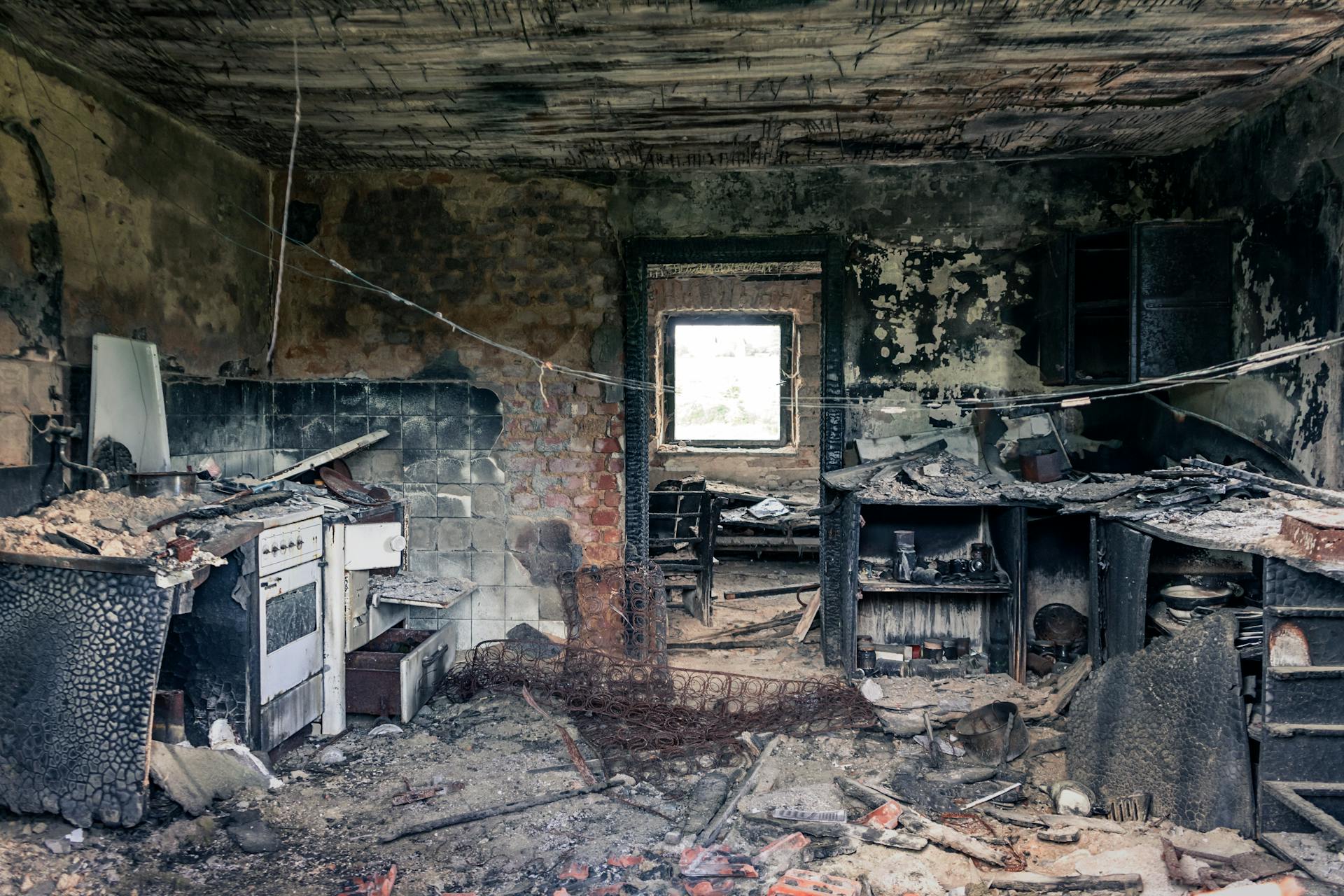
Renters insurance can help cover the costs of meals and other services during the period away from your residence. This can be a huge relief, especially if you're in a situation where you need to stay in a hotel for an extended period.
Your loss of use coverage may pay for your hotel stay, but it's essential to check your policy to see what's covered and for how long. This way, you can plan accordingly and avoid any unexpected expenses.
Renters insurance can provide financial support during a difficult time, giving you peace of mind while you focus on rebuilding or repairing your home.
Consider reading: Does Renters Insurance Cover Hotel If Ac Goes Out
Make a Claim
To file a claim with your renters insurance company after a fire, contact them as soon as possible. The sooner you file, the smoother the process will go.
You'll need to complete a "proof of loss" form, which details the damages incurred from the fire. Include photos or videos of damaged property to expedite the process.
Expand your knowledge: Business Process Outsourcing Insurance Industry
A copy of the report from the police or fire department, if available, should also be included. This helps your insurer understand the extent of the damage.
Your inventory of belongings and their estimated values is also crucial. You don't need receipts for everything, but your estimates should be reasonable.
If you must leave your rental property due to fire or damages, contact your insurer immediately to find out about loss of use coverage limits. This can help pay for temporary housing, meals, and other services.
Here are the steps to follow:
- Contact your insurance company as soon as possible.
- Complete a "proof of loss" form.
- Include a copy of the police or fire department report, if available.
- Provide your inventory of belongings with estimated values.
- Notify your insurer about loss of use coverage if you must leave your rental property.
- Schedule an adjuster to visit the property if required.
- Wait for approval and payment from your insurer.
Cost and Reimbursement
Renters insurance can be a lifesaver after a fire, but it's essential to understand what you can expect in terms of reimbursement.
The vast majority of your belongings will be covered, up to the limits of your policy.
Some items, however, tend to have limited coverage, including portable electronics, jewelry, and watches, which are typically capped at $1,500 each.
Cash is also limited to $200, and plants are capped at $500.
The cost of renters insurance varies, but in Texas, the average policy costs around $20 a month.
This cost includes three types of coverage: protection against theft, damage from a burst pipe or other cause, and certain kinds of water damage.
Most renters policies will cover losses due to fire, smoke, theft, or vandalism, but not floods.
If you're a dependent, your parents' homeowners policy may cover your stuff, but this coverage is usually limited to 10% of the personal property coverage in the homeowners policy.
It's crucial to fill out a home inventory to know the value of your belongings and ensure you have enough coverage.
Some policies limit payments for certain kinds of property, such as cash, business items, and jewelry.
Discover more: Veterinary Malpractice Insurance Cost
Exclusions and Limits
If you or someone insured under your policy intentionally sets fire to your things, your renters insurance won't cover the damage.
Fires that break out before you've bought your insurance policy or before it's been activated are also not covered, so make sure you buy your policy before any potential fires.
Your deductible will apply to any fire damage scenario, so you'll be responsible for paying that amount before your insurance kicks in.
If the damage is minor, like a small coffee table burned from a forgotten candle, and your deductible is higher than the damage amount, you'll have to pay out of pocket to replace the item.
Some policies may have specific coverage limits for fire damage, such as Lemonade's minimum of $10,000 and maximum of $250,000. Always read your policy thoroughly to see if there are any exclusions or special limitations on certain items.
A unique perspective: How Much Should Renters Insurance Cover
Are there limits?
In most cases, fire damage is covered up to the personal property coverage limit you selected when you bought your policy.
Your regular deductible applies to any scenario that relates to fire, so you'll be responsible for that before your insurance kicks in.
The minimum personal property coverage limit at Lemonade is $10,000, and the maximum is $250,000.
Make sure you read your policy thoroughly to see if there are any exclusions or special limitations when it comes to certain items.
You might like: What Happens to Cash Surrender Value When You Die
When Is Excluded
When you're expecting your renters insurance to cover you in case of a fire, it's essential to know when it won't. Intentional fires, whether set by you or someone else insured under your policy, are not covered.
Fires that break out before you've bought your insurance policy or activated it are also excluded from coverage. This means if you buy a policy on November 1, it won't cover fire damage that happened in October.
In some cases, the damage might not even exceed your deductible. If you forget to blow out your candles and your $200 coffee table burns, for example, you might have to pay to replace it out of pocket if your deductible is $250 or higher.
If this caught your attention, see: Household Insurance Cover
Neighbor's Property
Renters insurance can be a lifesaver in the event of a fire spreading from a neighbor's apartment.
If a neighbor's fire spreads to your apartment, renters insurance will cover fire and smoke damages, even if the fire didn't start in your apartment.
Some exclusions may apply, so it's essential to review your policy carefully.
Explore further: S Buys a 50000 Whole Life Policy
Types and Options
Renters insurance policies vary, but most standard policies have different types that play a different role. You'll need to pay a deductible, which is typically around $500 or $1,000, before your insurance coverage pays for a loss.
The types of renters insurance policies available include those that cover fires started accidentally in your home, fire damage from outside your home, mandatory evacuations in your area, smoke damage, and fires started by natural disasters. These policies are designed to protect your personal belongings in the event of a fire or related smoke damage.
Renters insurance policies cover a wide range of personal property items, including clothing, furniture, electronics, appliances, computers, jewelry, art, and pets. This means that everything you own, from draperies to personal care items like a toothbrush, is covered.
Here's a breakdown of the different types of renters insurance policies:
- Fires started accidentally in your home
- Fire damage from outside your home
- Mandatory evacuations in your area
- Smoke damage
- Fires started by natural disasters
This coverage is essential for protecting your personal belongings and financial well-being in the event of a fire or related smoke damage.
Unlivable Apartment
If your apartment becomes unlivable, your renters policy has a "loss of use" portion that can cover living expenses.
This coverage reimburses you for lodging, meals, and anything else associated with being forced out of your apartment.
If you live with friends or family, you can still tap into your loss of use policy to cover excess commuting costs or extra food you have to buy.
Most policies give about $5,000 worth of coverage, but if you live in a city with a high cost of living, you may want to consider buying more.
New York City, for example, has expensive hotel costs, where the loss of use could easily be eaten up in a matter of days outside your apartment.
Curious to learn more? Check out: Does Renters Insurance Cover Loss of Use
Value of Your Stuff
Your personal belongings are covered by your insurance after you've met your deductible. They'll help you pay for the cost of replacing them today.
Certain valuables like jewelry, antiques, or artwork may only be covered up to a certain sublimit. This means you might need to add extra coverage for them.
A unique perspective: What Are Covered Cancellation for Allians Insurance
If you have pricey items, you can add Extra Coverage, also known as a scheduled personal property endorsement. This way, your insurance will cover their full value.
Your renters insurance also covers loss of use, so if you need to find a new place to live due to a fire, your insurance will help with the costs.
Frequently Asked Questions
What things does renters insurance not cover?
Renters insurance typically does not cover damage to the building itself, as that is usually the landlord's responsibility. It also excludes liability and medical expenses, as well as damage caused by the renter's own actions.
What type of insurance covers fire?
Homeowners insurance typically covers damage or destruction caused by fire and lightning strikes. This type of insurance can help pay to repair or replace damaged or destroyed personal belongings.
Featured Images: pexels.com