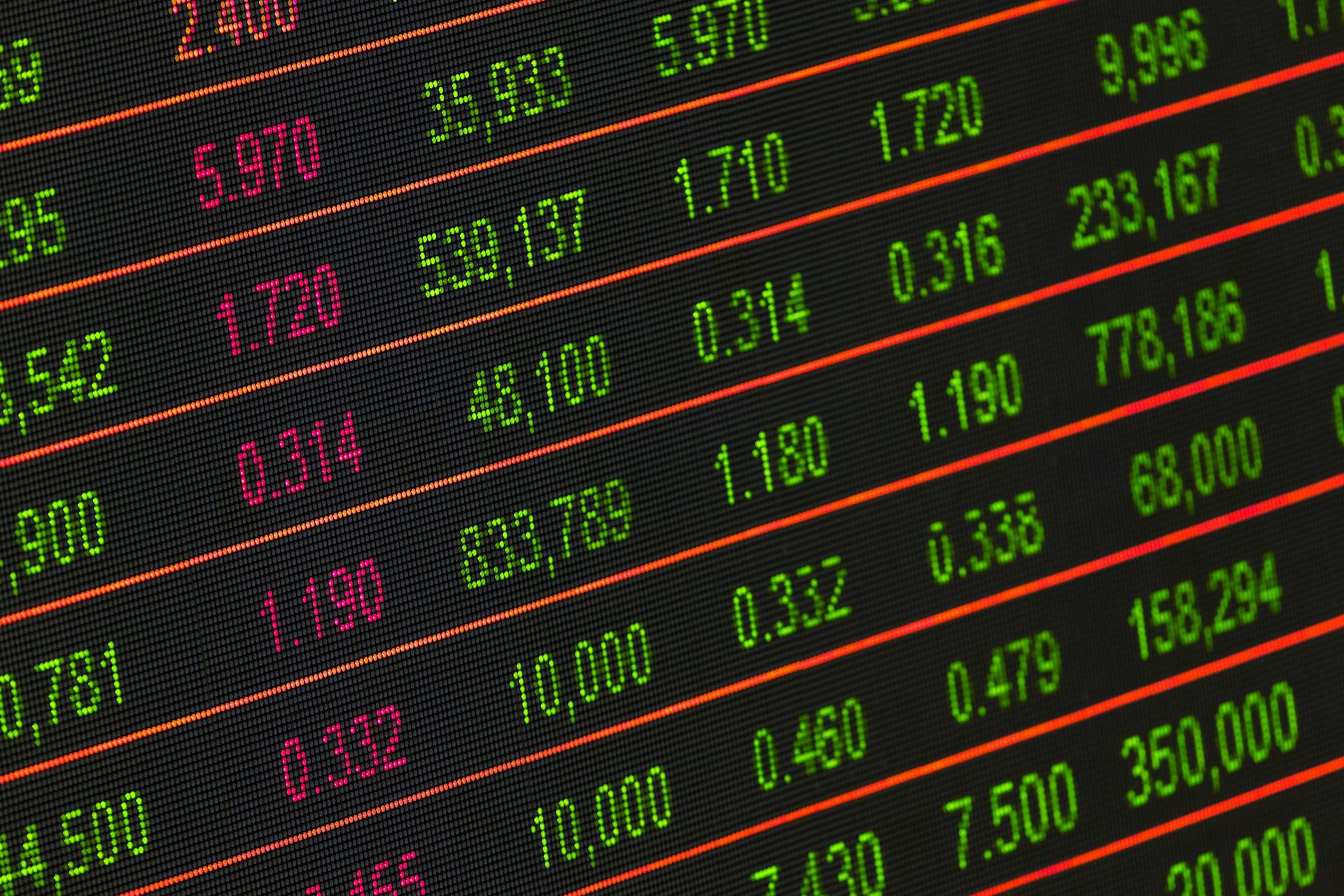
A rally in the stock market is a period of significant price increase in the overall market or a specific sector, often driven by optimistic investor sentiment. This can be a thrilling time for investors, but it's essential to understand the underlying causes and trading dynamics to make informed decisions.
A rally can be sparked by various factors, including economic growth, positive earnings reports, or changes in government policies. For example, a company's strong earnings announcement can lead to a surge in its stock price, which in turn contributes to the overall market rally.
Investors can take advantage of a rally by buying stocks that are expected to benefit from the underlying causes. However, it's crucial to remember that a rally can be short-lived, and investors should always have a well-diversified portfolio to mitigate potential losses.
A different take: What Is a Meme Stock Rally
What Is a Rally?
A rally is a short-term and often sharp upward move in prices. It can occur for several reasons, including positive surprises or economic policies that make asset prices more attractive in the near term.
A rally can be found within longer-term bull or bear markets, making it a relative term that depends on the time frame used when analyzing markets. A rally to a day trader may be the first 30 minutes of the trading day, while a portfolio manager may perceive the last calendar quarter as a rally.
A rally is caused by a significant increase in demand resulting from a large influx of investment capital into the market. This leads to the bidding up of prices, which can be confirmed by various technical indicators.
Some key characteristics of a rally include:
- Immediate overbought conditions indicated by oscillators
- Uptrend indications shown by trend indicators
- Higher highs with strong volume and higher lows with weak volume
- Price resistance levels approached and broken through
The depth of buyers and the amount of selling pressure they face also determine the length or magnitude of a rally. A large pool of buyers with few investors willing to sell can lead to a large rally, while a similar amount of buyers and sellers can result in a short and minimal price movement.
Intriguing read: Equity Market Rally
Causes of Rallies
Rallies can occur due to a variety of reasons, including news stories or events that create a short-term imbalance in supply and demand.
For example, a significant lowering of interest rates may cause investors to shift from fixed income instruments to equities, creating conditions for a rally in the equities markets.
Short-term rallies can also result from news stories or events, such as the introduction of a new product by a popular brand, which can lead to a rally in the stock of that company.
Apple Inc.'s stock has enjoyed a rally over the following months almost every time it has launched a new iPhone.
Longer-term rallies are typically the outcome of events with a longer-term impact, such as changes in government tax or fiscal policy, business regulation, or interest rates.
A big or highly-anticipated company announcement, such as the release of a new product, can cause investors to flock to that company's stock, pushing the price up as demand begins to outstrip supply.
Here's an interesting read: Gme Short Squeeze Score
Positive economic data announcements can also signal changes in business and economic cycles, causing shifts in investment capital from one sector to another and creating conditions for a rally.
Government changes in tax policy, interest rates, regulations, and other fiscal policies can also cause longer-term rallies, as data that signals positive change can cause traders to rally behind those investments.
Bull market rallies can occur due to a strong economy, high consumer spending, increasing stock valuations, and higher-than-expected earnings releases.
Increased investment can cause prices to rise, leading to more buyers entering the market and pushing prices even higher.
Bear market rallies are a type of continuation pattern, a pause in a wider trend that will eventually take control again, and are often caused by 'bottom fishing' investors who eagerly watch a downturn.
Explore further: Meme Stock Rally
Types of Rallies
Rallies can be short-lived, especially during a bear market. Sucker rallies are a type of rally that quickly reverses course to the downside.
Sucker rallies often occur in all markets and can be unsupported, meaning they're based on hype rather than substance. They're easy to identify in hindsight but harder to see in the moment.
Market prices can rise even during a longer-term down trend, making it challenging to determine which rally will turn into an uptrend and not a sucker rally.
Bear Rallies
Bear rallies can occur during a longer-term down trend, and they're often short-lived.
A sucker rally is a type of bear rally that quickly reverses course to the downside.
Sucker rallies happen in all markets and can be unsupported, meaning they're based on hype rather than substance.
Identifying a sucker rally in real-time can be tricky, but in hindsight, they're often easy to spot.
In a bear market, investors often assume the next rally will mark the end of the downtrend.
Bull Rallies
Bull rallies are a type of rally that can be driven by strong economic fundamentals, such as a strong economy and high consumer spending.
Increased investment can cause prices to rise, leading to more buyers entering the market and pushing prices even higher.
A strong economy and high consumer spending can lead to higher-than-expected earnings releases, which in turn can fuel a bull rally.
Bull market rallies can be purely speculative, with traders recognizing an upward trend early on and buying into it, regardless of whether prices are pushed beyond the stock's true value.
The dot-com bubble of the late 90s is an example of a speculative bubble, where prices were based on exorbitant bidding rather than fundamentals.
Apple Inc.'s stock often enjoys a rally after launching a new iPhone, demonstrating how a strong product release can drive a bull rally.
A significant lowering of interest rates can cause investors to shift from fixed income instruments to equities, creating the conditions for a rally in the equities markets.
If this caught your attention, see: Gold Bubble
Trading and Rally
A rally in the stock market is a period of sustained upward momentum in the price of an asset. This can occur after a period of flat or declining prices.
As a trader, identifying a rally is crucial, and technical indicators such as oscillators can help you spot overbought assets, which are often key drivers behind market rallies. The length of a rally can vary depending on the trader's timescale, with day traders experiencing shorter rallies and position traders requiring longer sustained movements.
During a market rally, your reaction will depend on the type of rally and your investment strategy. If you're a long-term investor, you might take a more cautious approach, while short-term traders can capitalize on both bullish and bearish market movements with the right strategy and risk management plan.
On a similar theme: Market Traders Stock
How Traders Identify Rallies
Traders can identify a rally by using technical indicators such as oscillators, which can help to identify overbought assets – one of the key drivers behind market rallies.
The length of a rally can vary depending on the timescale used by a trader. A day trader might experience a rally in the first 30 minutes of a market opening if beneficial market news has broken during the night.
Position traders, on the other hand, might require a sustained upward movement over a number of days or weeks to consider a period of upward movement a rally.
A rally is typically a period in which the price of an asset sees sustained upward momentum.
On a similar theme: Stock Market Traders
Act During an Upturn

During an upturn, it's essential to be aware of the underlying causes of the rally. Short-term rallies can result from news stories or events that create a short-term imbalance in supply and demand.
If you're a long-term investor, you might decide to open more long positions and take on more risk during a bull market rally. However, if you're a short-term trader, identifying a bear market rally can be a great opportunity to speculate on both rising and falling prices.
Apple Inc. has consistently seen its stock enjoy a rally over the following months almost every time it launches a new iPhone. This demonstrates the impact of a significant event on the market.
Fundamentally, your reaction to a market rally will vary depending on whether you're a long-term investor or short-term trader. You should consider your risk management plan and have a sound strategy for entering and exiting the market.
A significant lowering of interest rates may cause investors to shift from fixed income instruments to equities, creating the conditions for a rally in the equities markets. This can have a longer-lasting impact on the market.
You might like: Interest Rate Impact on Equity Market
Market Analysis
A rally on the stock market occurs during periods of increased buying, which drives the price of a stock upwards.
This increased buying is often self-fulfilling, with traders recognizing an upward trend early on and buying into it.
The price of a stock can drive up further and further until the upward momentum can be identified as a market rally.
This self-fulfilling cycle can create a snowball effect, where more and more traders buy into the rally, further driving up the price.
Additional reading: Market Price per Share of Common Stock
Stocks vs. 52-Week Highs
Only 18% of stocks in the Large-Mid Index hit 52-week highs in the first half of July, a relatively low number.
In contrast, 38% of stocks reached fresh highs in the first half of November 2024, amid a post-election rally.
The median stock in the Large-Mid Index was trading 10.9% below its 52-week high as of last month's end, a weaker gap than seen in November 2024 when it traded 4.5% below.
For another approach, see: Why Is the Job Market so Bad 2024
Nvidia, Microsoft, Amazon, and Meta Platforms are all trading relatively close to their 52-week highs, with Nvidia trading 2.3% below and Microsoft trading 0.7% below.
Apple is the outlier among the largest stocks, trading 19.8% below its 52-week high.
The measure of the gap between the median stock's distance from its 52-week high and the overall index reached its fourth-lowest level in the past five years at the end of June, signaling a relatively narrow rally.
This suggests that gains are concentrated among a handful of outperformers rather than being broadly distributed across the market.
Intriguing read: London Stock Market Trading Hours
What is a Bull?
A bull market is a type of market rally where prices are rising and there's optimism that the trend will continue for a long time. This is the default type of market rally.
A bull market can last anywhere from a month to 25 years, but it's essential to remember that prices can change direction at any time. Understanding the different types of bull markets is vital for identifying how long each rally will last.
You might like: Will Gold Prices Go up
There are three main types of bull markets: secular, cyclical, and intraday. A secular bull market lasts for a long period, typically between five to 25 years. Cyclical bull markets are shorter, usually lasting from a month to a couple of years, and are driven by sentiment.
Intraday bull markets only last within a single trading day and can happen during falling markets or cause a market to reach higher highs. These smaller price increases are a trader's bread and butter.
Here are the three main types of bull markets:
Creating a risk management strategy is key to minimising the risk of reversals in a bull market. This should include adding stop-losses to close positions after a certain amount of loss, or limit-close orders to lock in profit.
What is a Bear?
A bear market is a sustained decline of 20% or more in stock prices. It can be a prolonged period, lasting years, and is often accompanied by a recession or economic slowdown.
Bear markets are a normal part of the market cycle. They can happen due to various reasons, but their impact on investors can be significant.
During a bear market, rallies can occur, but they're temporary. An upward market movement in an otherwise strong downtrend is known as a bear market rally.
A bear market rally is typically defined as an increase of 5% or more in prices. However, the movement is just a temporary bounce before the larger downtrend continues.
Bear market rallies are essential for understanding changes in investor sentiment. They can indicate a shift in market direction, but rarely last longer than days or weeks.
See what others are reading: Are High Gold Prices Just Temporary
Investor Guidance
As we navigate the rally in the stock market, it's essential to make informed investment decisions. Investors should focus on valuations rather than timing either scenario.
Value stocks are trading at a particularly high discount to their fair value, at 12% as of June 30. This presents a buying opportunity for those looking to invest in undervalued sectors.
Healthcare, energy, communication services, and real estate look undervalued, making them potential areas to consider. Small-cap stocks are also trading at a 17% discount, which could be a good time to invest in these companies.
Growth stocks, on the other hand, are trading at an 18% premium to their fair value. This could be a warning sign for investors who are considering investing in these sectors.
For your interest: Pre Market Trading Stocks
Featured Images: pexels.com