
The QA/QC process is a crucial step in ensuring that products or services meet the required standards. It involves a series of steps, including planning and implementation.
Planning is a critical phase where the objectives, scope, and timeline of the QA/QC process are defined. The quality plan is created, outlining the procedures and responsibilities for each team member.
A well-planned QA/QC process saves time and resources in the long run. It helps identify potential issues before they become major problems.
The quality plan should be reviewed and updated regularly to reflect changes in the project or process.
For another approach, see: Individualized Quality Control Plan
What Is QA/QC
Quality assurance (QA) is a set of activities and procedures that take place during and after product development to ensure quality requirements are met. QA helps ensure the finished product or project outcome meets customer requirements.
QA is often referred to as the "overall quality plan" that outlines how to manufacture products that meet required standards. One well-known quality assurance framework is derived from ISO, specifically ISO 9001:2015, which is the most widely recognized international standard used for quality assurance.
For another approach, see: Advanced Product Quality Planning
ISO 9001:2015 is the foundation for other industry-specific standards, like ISO 13485 for medical devices. This framework is used to establish and maintain a particular level of quality throughout the entire lifecycle of a product and/or service.
Total Quality Management (TQM) is another method that focuses on customer satisfaction by empowering all employees to make continual improvement in the system. TQM is customer-focused and involves the entire company in improving processes, products, services, and the culture in which they work.
Quality control (QC) is the process of evaluating and ensuring the quality plan is working at the coalface. QC involves monitoring results after a product is developed and produced to ensure it meets previously defined quality standards.
QC activities are geared towards responding to problems and detecting errors or product quality issues, such as software defects, glitches, or imperfections. The quality control process is a systematic approach that helps ensure service or product quality is maintained after it reaches the market.
Planning and Implementation
Planning and implementation are crucial stages in ensuring quality in products or services. Defining quality objectives, requirements, and standards for a project or process is a vital step in this stage.
Quality assurance is all about the process, and it's proactive in preventing defects in the final product. Effective quality managers engage in quality assurance by improving product development and testing processes.
Purchasing controls are designed to ensure that raw materials consistently meet acceptable standards, which is a key aspect of process implementation. Production and process controls are also implemented to create uniformity and consistency in the manufacturing process.
QA/QC Planning
Defining quality objectives, requirements, and standards is a crucial part of the planning phase. This sets the foundation for the entire project or process.
Quality objectives should be specific, measurable, achievable, relevant, and time-bound (SMART). This ensures that everyone involved in the project knows what needs to be accomplished.
Quality requirements and standards should be clearly documented and communicated to all stakeholders. This helps prevent misunderstandings and ensures that everyone is working towards the same goal.
Effective quality managers engage in quality assurance by improving product development and testing processes. This proactive approach helps prevent defects in the final product.
The quality management system (QMS) is a quality assurance tool that serves as a record of all quality policies and procedures.
What Is Management?
Management is the backbone of any organization, ensuring that companies run efficiently and produce the best possible products and services.
As a quality assurance or control professional, you'll be sought after by companies that want to keep their customers happy and businesses running smoothly.
Companies that want to produce the best possible products and services need professionals like you to help them achieve their goals.
Management involves planning, organizing, and controlling resources to achieve specific objectives, which is crucial for the success of any business.
Quality professionals like you play a vital role in ensuring that products and services meet customer expectations, which is essential for customer satisfaction and loyalty.
Related reading: Qa Outsourcing Companies
Process and Methodology
Implementing processes is a crucial part of quality assurance. It involves designing and enforcing processes to ensure consistent quality in production or delivery of products or services.
Documentation, audits, supplier management, personnel training, change control, and investigation procedures are all examples of quality assurance activities that focus on the process. These activities create the foundation for a quality management system (QMS) that ensures quality policies and procedures are in place.
Quality assurance is proactive, aiming to prevent defects in the final product. Effective quality managers engage in quality assurance by improving product development and testing processes.
Here are some key quality assurance activities:
- Documentation
- Audits
- Supplier management
- Personnel training
- Change control
- Investigation procedures
These activities are designed to ensure that processes are in place and being followed, which helps to prevent quality issues from arising.
Quality control, on the other hand, is focused on identifying quality issues in manufactured products. It involves conducting inspections, tests, and evaluations to verify that products or services meet defined quality standards and requirements.
To establish quality control procedures, it's essential to have a clear understanding of the process and methodology involved. This includes identifying areas for improvement based on feedback, data analysis, and customer satisfaction metrics.
Continuous improvement is a key aspect of quality assurance and control. It involves implementing corrective and preventive actions to enhance quality and prevent future issues. By continuously improving processes and methodologies, organizations can stay on top of industry standards and deliver high-quality products.
Discover more: Pakistan Standards & Quality Control Authority
Team and Collaboration
Having a dedicated QA/QC team is crucial for ensuring quality in your organization. This team should be composed of personnel with the proper credentials, and it's essential to consider their knowledge of your specific product or service, as well as their prior experience in the same industry.
A cohesive bond between QA, QC, and testing is necessary to deliver a top-notch product, where QA establishes the standards, QC ensures compliance, and testing verifies that all quality standards are met. This collaborative approach helps to swiftly identify and resolve issues.
Entire team involvement in QA activities is key, as every member of a life sciences organization is responsible for following SOPs and policies, contributing to a robust quality management system.
Entire Team Dedicated Personnel
In a life sciences organization, quality assurance activities involve the entire business, making every member responsible for following SOPs and policies.
The quality management system, or QMS, is generally the responsibility of the quality unit and the leadership team.
Every member of the team plays a crucial role in maintaining the QMS, from training to documentation and review.
QC, a subset of QA, is typically the responsibility of dedicated personnel who focus on following SOPs for product verification, inspection, and testing.
QC staff must document their findings based on standardized procedures for product testing and process validation.
Having a dedicated QA/QC team composed of personnel with proper credentials is a priority, especially when considering their knowledge of your specific product or service and prior experience in the same industry.
Collaboration in Testing
QA establishes the standards, which sets the foundation for a successful testing process. QA, QC, and testing form a cohesive bond to deliver a top-notch product.
QC ensures compliance with the established standards, which helps identify any potential issues early on. This collaborative approach swiftly identifies and resolves issues.
Testing verifies that all quality standards are met, providing assurance that the product meets the required quality. By working together, QA, QC, and testing ensure a high-quality outcome before it reaches the end-user.
Here's a quick rundown of their roles:
Certifications and Education
Earning a quality management certification or degree can be a great way to boost your career in QA/QC. Consider pursuing a field related to quality control, such as business administration or quality control management, through a bachelor's degree program.
You can choose from a variety of bachelor's degrees, including a Bachelor of Manufacturing Management in Quality Management, Bachelor of Science in Quality Systems and Improvement Management, Bachelor of Science in Business Quality Management, or Bachelor of Science in Quality Assurance.
Certifications can also help you stand out in the job market. The American Society for Quality (ASQ) offers various certifications, including the Quality Process Analyst (CQPA), Manager of Quality Organizational Excellence (CMQ/OE), Certified Quality Engineer (CQE), Certified Calibration Technician (CCT), Food Safety and Quality Auditor (CFSQA), and Software Quality Engineer (CSQE).
If you're interested in process improvement, you may want to consider Six Sigma certifications, which validate your expertise in this area. Six Sigma certifications come in five levels, including Lean Six Sigma, which focuses on eliminating waste and increasing customer satisfaction.
If this caught your attention, see: Certified Quality Engineer
A master's degree in quality management can also be beneficial, especially if you're looking to advance your career as a quality manager or quality specialist. Some options include a Master of Science in Quality Management.
Here are some certifications and degrees to consider:
Job and Career
The job outlook for QA and QC professionals is quite promising. The median annual wage for software developers, quality assurance analysts, and testers is a whopping $131,450, with a growth rate of 17 percent expected from 2023 to 2033.
For those in quality control inspection roles, the median annual salary is $47,460 as of May 2025. This includes QC professionals working in various industries such as manufacturing, wholesale trade, professional services, and scientific services.
Check this out: What Does Qc Mean in Business
Job Titles with Salaries
As you explore job opportunities in quality management, it's essential to understand the various roles available and their corresponding salaries. Let's take a look at some of the most common job titles in quality management.
Quality technicians can expect an average salary of $45,513, based on data from Glassdoor in May 2025. This role is a great starting point for those new to the field.
Quality auditors, on the other hand, tend to earn higher salaries, with an average of $50,831. Their expertise in evaluating processes and systems is highly valued in the industry.
If you're looking to move into a leadership role, becoming a quality control supervisor could be a good fit. These professionals typically earn $63,161 per year, according to Glassdoor.
Here's a list of some common quality management job titles, along with their average salaries:
Keep in mind that salaries can vary significantly depending on factors like experience level, industry, and company.
Job Outlook and Career Prospects
The job market for quality assurance and control professionals is looking up. According to the US Bureau of Labor Statistics, the median annual wage for software developers, quality assurance analysts, and testers is a whopping $131,450.
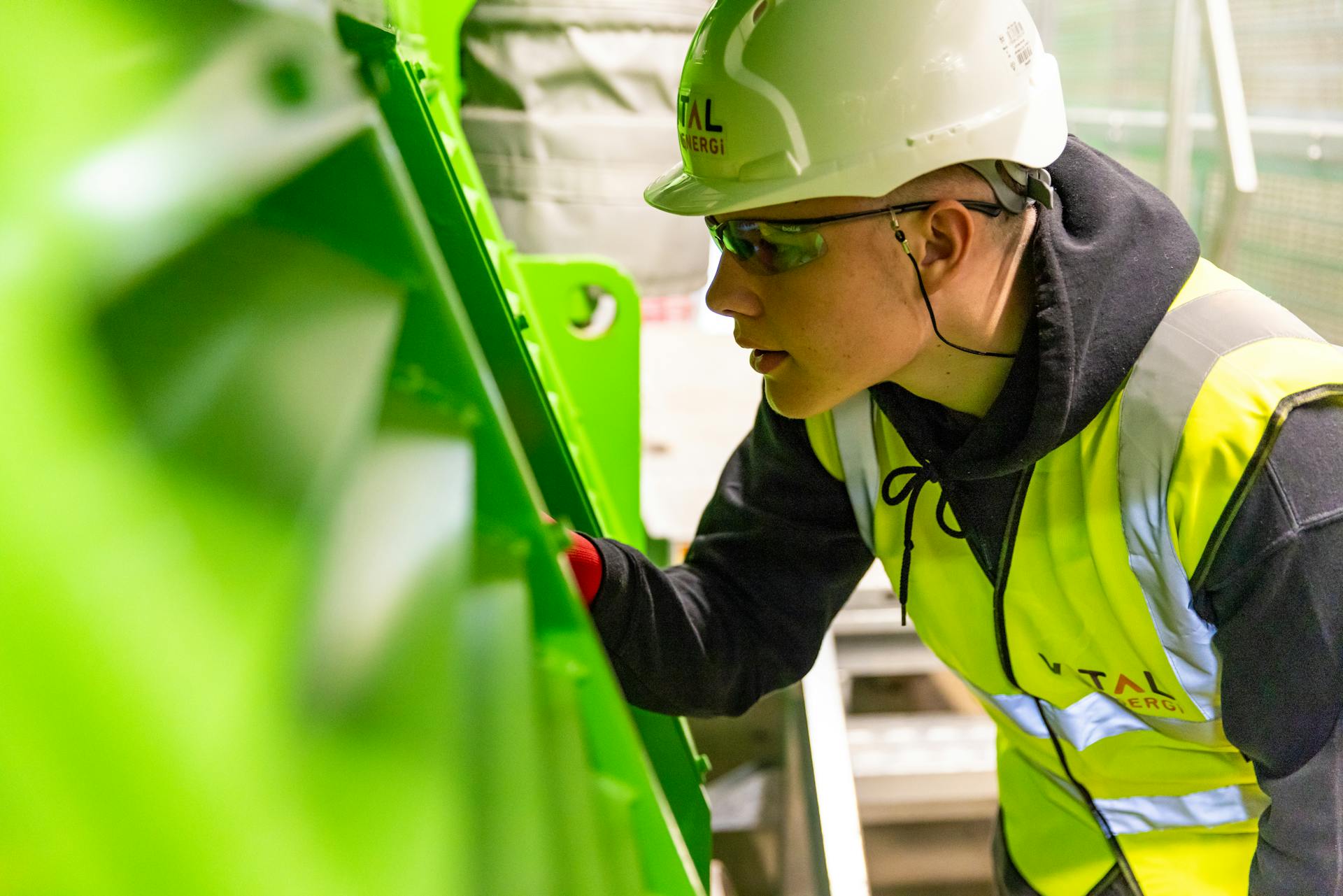
This career path is expected to see significant growth, with a 17 percent increase in job outlook from 2023 to 2033. That's a lot of opportunities for those in the field.
Quality control inspectors, on the other hand, have a median annual salary of $47,460 as of May 2025. This includes professionals in various industries, from manufacturing to scientific services.
Their salary may not be as high as that of software developers, but it's still a stable and in-demand career choice.
Choosing Options
Consider what part of the process you want to participate in, either preventing defects by improving the process or inspecting the product.
Quality assurance and quality control are two vital parts of quality management, and you can find rewarding careers in each.
Additional reading: Process Window Index
ISO and Standards
ISO is the International Organization for Standardization, with a current membership of 165 countries or national standards bodies. It's the world's leading authority and regulatory body for safety and quality standards in manufacturing and service.
ISO boasts almost 22,000 standards and certifications covering a wide variety of operational aspects. Some of the most common standards companies strive for include ISO 9001:2015, which specifies the requirements for a company's Quality Management System.
Companies in the food processing and food service industries need to comply with ISO 22000, which provides requirements for developing and implementing a Food Safety Management System. Failure to comply can lead to incidents, cost overruns, and even lawsuits.
ISO standards like ISO 45001:2018 and ISO 14001 are also crucial for maintaining workplace safety and environmental management, respectively.
What Are ISO Standards?
ISO standards are specific criteria set by ISO to cover different aspects of business and manufacturing operations. To earn a coveted ISO standard certification, a company has to request and pass a third-party ISO audit performed by a national or regional certification body.
ISO standards are used by companies to demonstrate their commitment to quality and safety. With 165 countries or national standards bodies being part of ISO, the standards are widely recognized and respected.
ISO standards cover a broad range of topics, including manufacturing and service operations. This means that companies can choose to pursue certification in areas relevant to their business.
Common ISO Standards
ISO boasts almost 22,000 standards and certifications, but some of the most common ones companies strive for are ISO 9001:2015, ISO 22000, and ISO 45001:2018.
ISO 9001:2015 specifies the requirements for a company's Quality Management System, aiming to deliver high-quality products and services while meeting customer expectations and regulatory requirements.
ISO 9001:2015 was last updated in 2015, and its requirements are still widely adopted today.
ISO 22000 is a must-have for companies in the food processing and food service industries, providing requirements for developing and implementing a Food Safety Management System.
ISO 45001:2018 sets the international standard for Occupational Health & Safety Management Systems, last updated in 2018.
Failure to comply with ISO 45001:2018 can lead to incidents, cost overruns, and even lawsuits.
Other notable ISO standards include ISO 14001 (Environmental Management) and ISO 17025 (Laboratory Testing).
Best Practices and Safety
Having set guidelines and standards is crucial for quality assurance (QA). QA guidelines keep projects in scope and on track by aligning team members on collaboration practices and methods.
ISO is the International Organization for Standardization, with a current membership of 165 countries or national standards bodies. It's the world's leading authority and regulatory body for safety and quality standards in manufacturing and service.
To achieve and maintain quality, businesses can use a mobile inspection app like SafetyCulture. With this app, you can create and customize your own QA inspection checklists, capture high-quality photo evidence, and generate professional reports.
Safety Culture
Safety Culture is a crucial aspect of any organization that values quality. It's about investing in the right resources to consistently deliver at the highest level.
Effective Safety Culture requires a combination of planning, testing, and monitoring to ensure that products meet stringent regulatory requirements. This involves maintaining detailed records of quality-related activities, including test results, corrective actions, and audit findings.
Regulated companies must perform regular QA inspections and tests to ensure they're adhering to their quality standards. This helps to prevent costly recalls and maintain a good reputation.
A key part of Safety Culture is continuous improvement, which involves identifying areas for improvement based on feedback, data analysis, and customer satisfaction metrics. This helps to enhance quality and prevent future issues.
To achieve Safety Culture, companies can use technology such as sensors that automate monitoring of quality parameters and mobile auditing tools to record and analyze information. This can help to save time and maximize resources for quality control.
Here are some features of a Safety Culture:
- Easily create and customize your own QA inspection checklists.
- Capture and include high-quality photo evidence mid-inspection.
- Set and trigger automatic assignments once certain conditions are met.
- Generate professional reports after completing your inspection.
- Have quality inspectors validate inspection reports via digital sign-offs.
By implementing these features and practices, organizations can establish a strong Safety Culture that promotes quality, safety, and efficiency.
Internal Practices: Pros and Cons
Internal QA practices have their own set of advantages and disadvantages.
One of the main benefits of internal QA is that it saves the company money by not having to hire external consultants and auditors.
Since actual employees of the company are performing the audit, they have good context and a proper understanding of what quality looks like for the business.
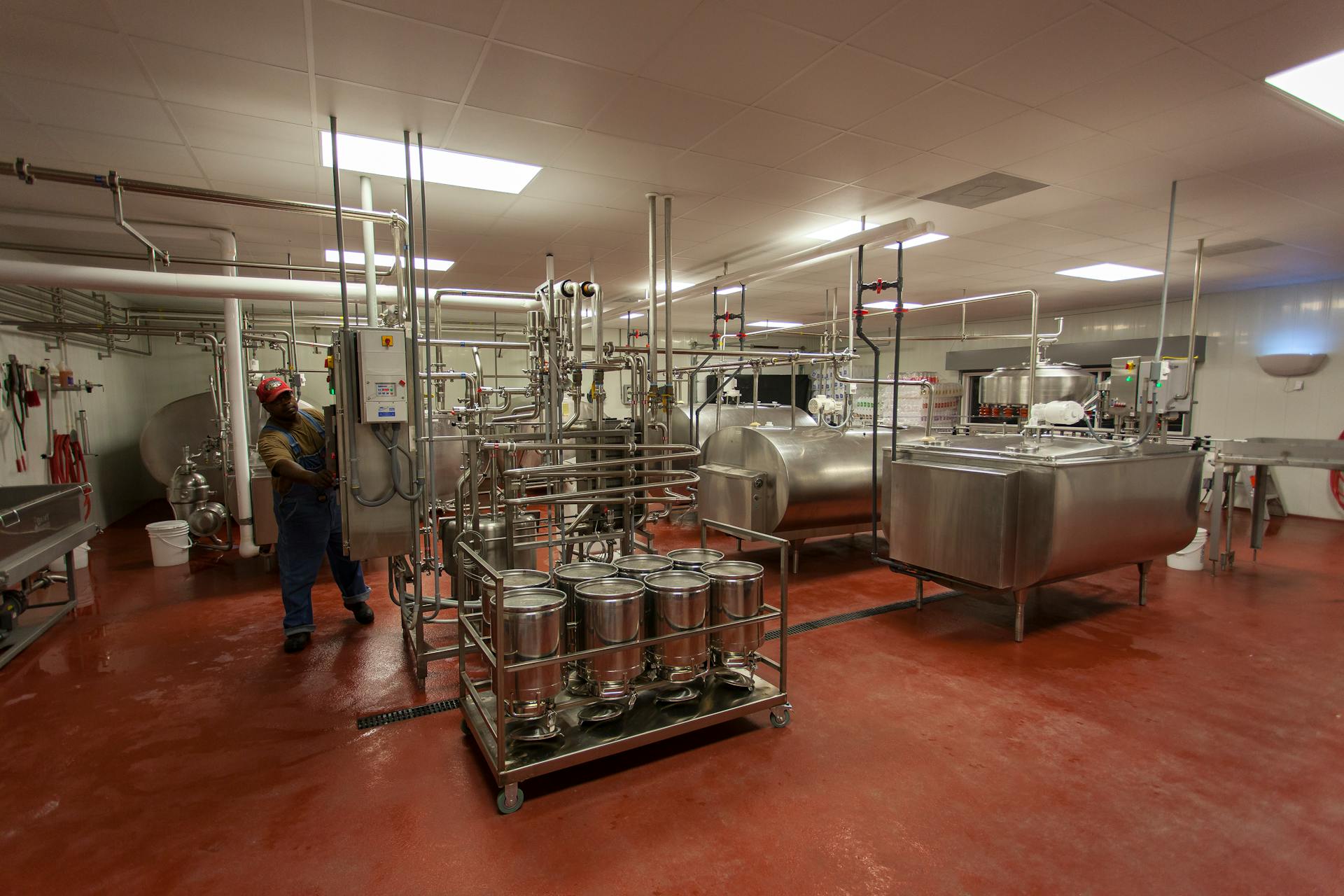
However, internal QA inspectors may become complacent over time as they start treating the practice like a chore.
Management may also become too lenient when it comes to enforcing recommended changes since there is no external pressure to do so.
The internal audit department can verify the accuracy of inspection reports faster since data is available in-house.
But, the data collected may be biased and may be used to cover up employee negligence and other malicious activities.
Here's a summary of the pros and cons of internal QA practices:
Getting Started
Quality management is a process that requires monitoring and managing the quality of a company's services and products.
To get started, you need to enroll in the education and training you need. Quality standards are the guidelines for quality management, and quality planning establishes the processes and procedures.
Whether you want to work in QA, QC, or another aspect of quality management, education and training are essential.
Frequently Asked Questions
Which comes first, QA or QC?
QA comes first, focusing on preventing defects, while QC comes after to detect and correct any remaining issues. This order helps ensure quality and efficiency in processes and systems.
Is QA QC a skill?
Yes, Quality Assurance (QA) skills are a set of abilities that professionals use to meet quality standards, combining both hard and soft skills. Developing QA skills is essential for advancing in careers related to testing and quality control.
Featured Images: pexels.com