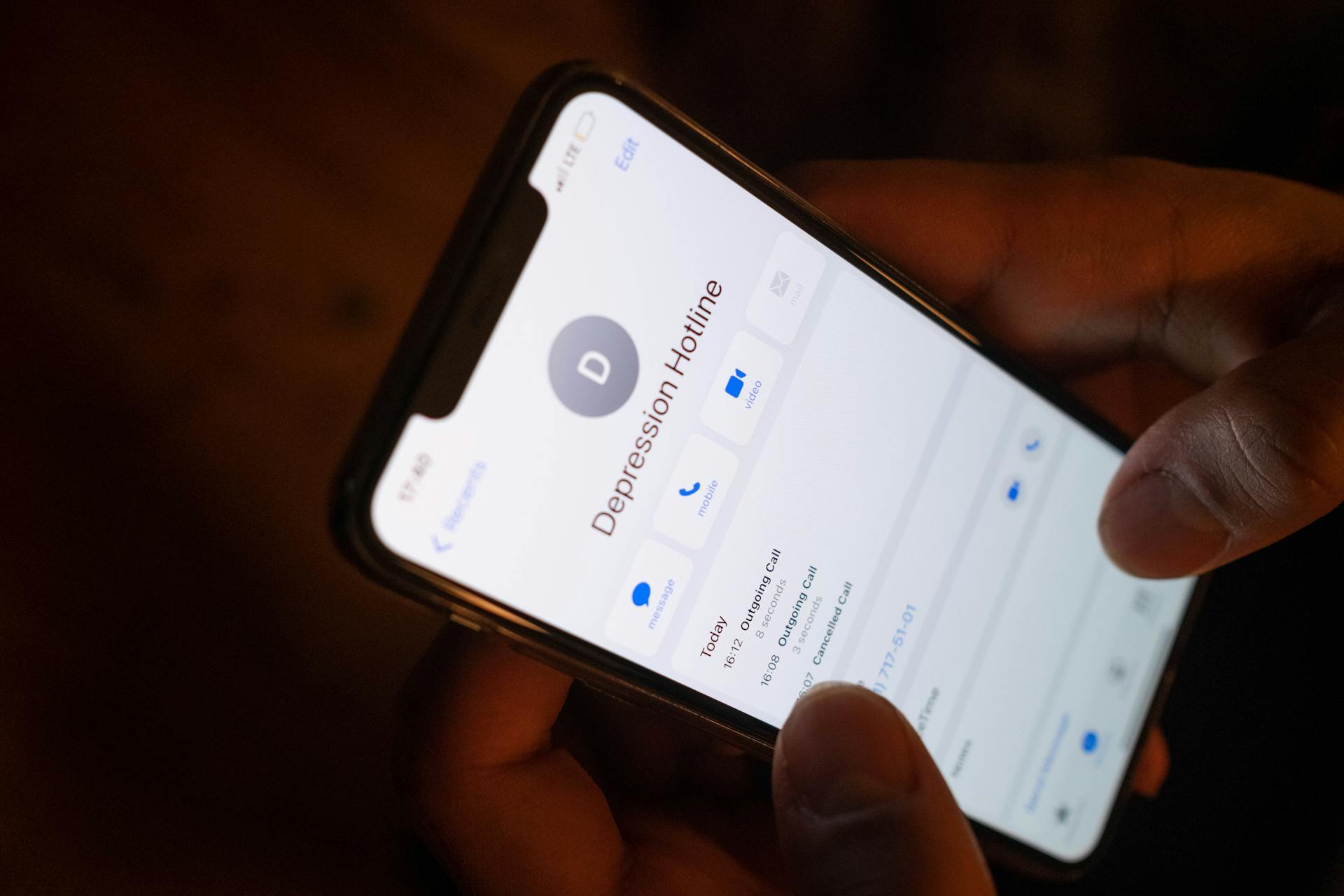
Payday loan scam calls are a serious issue, with millions of people receiving fake calls every year. Many of these calls are from scammers who claim to represent payday loan companies.
You can spot some of these scammers by their high-pressure sales tactics, such as demanding immediate payment or threatening to ruin your credit score.
Some scammers may even claim to be from the Federal Trade Commission (FTC) or other government agencies, which is a red flag.
Readers also liked: Loan Application Scam Calls
Types of Payday Loan Scams
Payday loan scams come in many forms, and being aware of them can help you avoid falling victim.
Scammers may pose as government agencies or credit repair providers offering loans or debt protection, claiming it's a "special offer" that's too good to be true.
Some scammers use names that sound like legitimate organizations, such as Credit National Assist, to build trust and get you to send them money or provide personal information.
Others may claim to be representatives of a collection agency, telling you to pay an outstanding balance on a payday loan.
A common tactic is to contact you out of the blue about a "special offer" on loans or debt reduction, which could be a phishing attempt.
Here are some warning signs of a payday loan scam:
- You're contacted about a "special offer" on loans or debt reduction.
- Scammers use names that sound like legitimate organizations.
- They guarantee to increase your credit score or remove debts.
Be cautious of unsolicited calls, texts, or emails offering loans or debt protection, as they may be a scam.
Scammers may also use fake loan sites that look similar to legitimate ones, but with slight misspellings or extra hyphens in the URL.
Legitimate companies should be willing to walk you through the terms of your loan offer and explain how they calculate your interest rate.
If something feels off about a lender, trust your gut and move on to look for other options.
Warning Signs and Red Flags
Be wary of payday loan scam calls that demand immediate payment or threaten to send law enforcement to your home. These tactics are often used to create a sense of urgency and panic.
Scammers may claim to be from a company like "Federal Loan Services" or "Easy Cash Advance" to sound legitimate. However, these names are often fabricated to appear real.
Payday loan scam calls often involve a sense of urgency, with scammers claiming you've missed a payment or that your account will be frozen. This is a tactic to get you to act quickly without thinking.
Some scammers may even claim to be from the government or a law enforcement agency to add credibility to their story. This is a common red flag.
If you receive a payday loan scam call, don't engage with the scammer and hang up immediately.
Broaden your view: Spot Student Loan Scam
Scammer Tactics and Threats
Scammers will stop at nothing to get your money, including posing as legitimate loan companies or debt collectors. They'll often claim you owe money on a payday loan you never even applied for.
Some scammers will demand payment under threat of arrest, but legitimate loan companies will never do this. They'll also try to convince you to pay up by claiming you'll be served legal papers if you don't.
A unique perspective: Easy Money Payday Loan Chart
Fake debt collectors are another common tactic, where scammers pose as debt collection agencies and law firms to get you to pay up. They'll often claim you owe money on a loan from years ago, but the whole thing is a sham.
If you receive a call from an unfamiliar debt collector, ask for information about your "debt" and check for an online presence. Make sure the debt collector and lender are registered in your state and cross-check with payday state law.
Scammers may also offer loans or debt protection, but these offers are too good to be true. No legitimate company will demand an advance fee for a loan, and even if an unsolicited offer isn't a scam, it may come with exorbitant interest rates and multi-year loan terms that destroy your credit.
Here are some signs of a fake loan or debt protection scam:
- You're contacted out of the blue about a "special offer"
- Scammers use names that sound like legitimate organizations
- They guarantee to increase your credit score or remove debts
If a "collector" insists you pay in total over the phone and refuses to furnish an address to which you can mail your payments, you're likely talking to a scammer.
Protecting Yourself
If you're contacted out of the blue about a "special offer" on a loan, it's likely a scam. Scammers use names that sound like legitimate organizations, so research an organization before sending them money or providing any personal information.
Don't ignore strange debt collector notices or calls. In the US, debt collectors are legally obligated to share with you the name of the creditor and the amount that you owe. If you don't recognize the debt, ask the collector to send you a written validation notice and dispute the debt immediately.
Sign up for an identity monitoring service to detect suspicious activity, including payday loans taken out in your name. Aura's award-winning app monitors your personal information and can warn you in near real-time if your data has been used for payday loans or other risky transactions.
If you're a victim of identity theft, change your passwords, and use official customer support numbers to contact your banks and lenders. Let them know you've been the victim of identity theft, and they will guide you through steps to protect or close your accounts.
You can also consider contacting all three credit bureaus to freeze your credit. Freezes restrict access to your credit report, stopping scammers from opening new accounts with your name and SSN.
You might like: Best Payday Loan Debt Consolidation Companies
Block Unwanted Calls
If you're like me, you're tired of getting unwanted calls from scammers. These calls can be a real nuisance, and it's essential to block them to protect yourself.
Scammers make millions of phishing attempts every day via emails, texts, and calls. If someone contacts you claiming to offer special rates on loans or debt reduction, it could be a scam.
To block unwanted calls, you can use the "do not call" registry. This registry allows you to add your number to a list that telemarketers and scammers are supposed to respect.
Scammers use names that sound like legitimate organizations to build trust. Always research an organization before sending them money or providing any personal information.
Here are some steps to block unwanted calls:
- Register your number on the "do not call" registry.
- Block numbers that you know are scammers.
- Use a call-blocking app to identify and block suspicious calls.
By taking these steps, you can significantly reduce the number of unwanted calls you receive and protect yourself from potential scams.
Secure Your Identity and Accounts
Change your passwords immediately to prevent identity thieves from accessing your accounts. Don't ignore strange debt collector notices or calls - they can be a sign that someone has taken out a payday loan in your name.
Identity thieves can use your stolen information to take out loans or open new accounts in your name. Payday loans are especially dangerous because they rarely show up on your credit report.
Sign up for an identity monitoring service like Aura to warn you in near real-time if your data has been used for payday loans or other risky transactions. Aura monitors your personal information, including your full name, address, and SSN.
If you receive a call from a debt collector, ask them to send you a written validation notice and dispute the debt immediately. This can help prevent identity thieves from using your information to take out loans or open new accounts.
You should also consider contacting all three credit bureaus to freeze your credit. This restricts access to your credit report, stopping scammers from opening new accounts with your name and SSN.
Here are the steps to take if you're a victim of identity theft:
- Change your passwords
- Contact your banks and lenders using official customer support numbers
- Let them know you've been the victim of identity theft
- They will guide you through steps to protect or close your accounts
- Consider contacting all three credit bureaus to freeze your credit
Dear Consumer Ed
I got a call from a man in Washington, D.C. who said he was with a payday loan company, telling me that I had received a loan for $1,000. He gave me a confirmation number and told me I had to call his senior loan manager in order for the loan to go forward. He then told me I had to pick the money up at a Western Union.
This sounds like a classic scam. Scammers often use fake loan offers to trick people into sending them money. A legitimate loan company will never demand an advance fee or ask you to pick up cash at a Western Union.
Here are some red flags to watch out for:
- No legitimate company will demand an advance fee for a loan.
- Scammers often use names that sound like legitimate organizations.
- They may guarantee to increase your credit score or remove debts.
If you receive a similar call, don't be tempted to send money or provide personal information. It's always best to verify the company's legitimacy before sending any money or sharing your details.
Take a look at this: Easy Money Payday Loan Requirements
Avoiding Debt Scams
If you receive a call from an unfamiliar debt collector, ask for information about your "debt" to see if they can provide the required details under the Fair Debt Collection Protections Act.
You can also check for an online presence by looking for the debt collector and lender's websites, and make sure they are registered in your state. In some states, like California, the maximum amount a consumer can borrow in a payday loan is only $300.
To verify the legitimacy of a debt collector, request a copy of your credit report from AnnualCreditReport.com and see if the supposed "debt" is listed.
Here are some warning signs of debt scams to look out for:
- Unsolicited calls, texts, or emails about a "special offer" on loans or debt reduction.
- Scammers use names that sound like legitimate organizations.
- Guarantees to increase your credit score or remove debts.
Company Shares Tips to Avoid Debt Scams
If you're contacted out of the blue about a "special offer" on a loan or debt reduction, it could be a scam. Scammers use names that sound like legitimate organizations to build trust, but always research an organization before sending them money or providing any personal information.

Scammers will often use names that sound like legitimate organizations, such as Credit National Assist. To avoid falling victim to this tactic, research an organization thoroughly before sending them money or providing any personal information.
Guarantees to increase your credit score or remove debts are clear warning signs of a scam. No company, agency, or individual can guarantee that they can increase your credit score or get rid of debts.
Here are some warning signs of a debt scam:
- Unsolicited offers for loans or debt protection
- Demands for advance fees for loans or debt relief services
- Guarantees to increase your credit score or remove debts
- Requests for personal information over the phone
- Look-alike names or URLs for fake loan sites
Remember, if something feels off about a lender, trust your gut and move on to look for other options.
Refund Inquiry
If you've fallen victim to a debt scam, try to get your money back by contacting the company's support team and asking them to drop the charges. Be prepared to share copies of your police report and any reports you submitted to the FTC or CFPB to support your claim.
You'll need to provide supplemental evidence to help them process your request. This could include copies of any communications you've had with the scammer, as well as any other relevant documents.
Reaching out to the company's support team is a crucial step in getting your money back. Don't be afraid to ask for help and advocate for yourself.
Discover more: Payday Loan Consolidation Online
Identifying and Reporting Scams
If you suspect a payday loan scam call, trust your gut and don't engage. Scammers often demand personal information or upfront fees, which are huge red flags.
To identify a scam, look out for unsolicited calls, texts, or emails, which can be a sign that your contact information has been sold to scammers. Legitimate companies won't ask you to "test" your bank account numbers or demand payment before providing debt relief services.
Here are some key warning signs to watch out for:
- Upfront fees
- Demands for personal information
- Look-alike names or URLs
- Unsolicited calls, texts, or emails
- Unclear terms and interest rates
- Asking to “test” your bank account numbers
Documenting proof of the scam, such as spam site URLs, phishing text messages, or overdue notices, can help law enforcement investigate and increase the likelihood of recovering stolen funds.
Gather Evidence
Gathering evidence is a crucial step in identifying and reporting scams. It's essential to document proof of the scam to increase the likelihood of recovering stolen funds.
Documenting spam site URLs can help law enforcement track down scammers.
Collecting phishing text messages or emails can provide valuable information about the scam. This can include the sender's email address, the content of the message, and any links or attachments that were sent.
A different take: Ppp Loan Scam Call
Overdue notices, mail, or voicemail messages from debt collection scammers are also important to gather. These messages can provide evidence of the scam and may include details about the amount owed and the collector's contact information.
Your credit card statement and credit report can also be useful in gathering evidence. Look for any suspicious transactions or accounts that may have been opened without your knowledge or consent.
Here are some examples of evidence you can collect:
- Spam site URLs
- Phishing text messages or emails
- Overdue notices, mail, or voicemail messages from debt collection scammers
- Your credit card statement
- Your credit report
How to Identify a Loan Scam
To identify a loan scam, look out for upfront fees, as any request for payment before providing debt relief services is illegal. Scammers often phish for personal data, so be cautious when sharing your information.
Upfront fees are a huge red flag, indicating a scam. Legitimate companies should not ask for payment before providing services.
Scammers may demand personal information, such as your bank account numbers, to "test" the connection. However, they won't send you any money, and once you've sent your payment, you won't get it back.
Related reading: Payday Loan Chart Fees
Be wary of unsolicited calls, texts, or emails offering loans or debt protection. These offers are often too good to be true and may come with exorbitant interest rates and multi-year loan terms.
Scammers may use look-alike names or URLs to trick you into sharing your personal information. Check links closely for slight misspellings or extra hyphens, and be cautious of old logos or fonts that are inconsistent with other company materials.
Here are some warning signs to watch out for:
- Upfront fees
- Demands for personal information
- Look-alike names or URLs
- Unsolicited calls, texts, or emails
- Unclear terms and interest rates
- Asking to "test" your bank account numbers
If something feels off about a lender, trust your gut and move on. Legitimate companies should be willing and able to walk you through all of the terms of your loan offer and explain how they calculate your interest rate.
Frequently Asked Questions
How do I stop a payday loan collection?
To stop a payday loan collection, check your state's statute of limitations and send a cease and desist letter to the creditor, but first, verify the debt's validity by requesting a debt validation letter.
Can payday loans go to collections?
Yes, unpaid payday loans can be sent to collections, which may negatively impact your credit score and future loan options.
Featured Images: pexels.com