Montgomery Ward was a retail giant that rose to fame in the early 20th century. Founded in 1872 by Aaron Montgomery Ward, the company started as a mail-order business, offering a wide range of products to customers across the United States.
The company's innovative approach to retailing, which included offering a satisfaction guarantee, helped it gain a loyal customer base. This approach also allowed customers to shop from the comfort of their own homes, a novelty at the time.
By the 1920s, Montgomery Ward had expanded its operations to include physical stores, with over 500 locations across the country. This move helped the company to reach a wider audience and increase its sales.
However, Montgomery Ward's success was short-lived, and the company began to struggle in the mid-20th century.
You might enjoy: Getting to Know Your Customers Day
Company History
Montgomery Ward was founded in Chicago in August 1872 by Aaron Montgomery Ward with $2,400 capital.
The company started as a mail-order business, aiming to sell goods directly to farmers in rural areas without the help of retail intermediaries. This innovative approach allowed Ward to provide goods at low prices while still yielding a profit.
Explore further: Prime, Ward & King
Ward's first mail-order catalog was a single sheet listing goods and prices, and he backed up his sales with a money-back guarantee. This guarantee was a key factor in the company's success.
The company's sales and catalog grew quickly from the mid-1870s on, and by 1883, the catalog had grown to 240 pages and 10,000 items. In 1904, Ward had expanded such that it mailed three million catalogs, weighing 4 lb each, to customers.
Montgomery Ward opened its first retail stores in 1926, and by 1930, there were 556 of them across the country, with retail sales exceeding catalog sales.
Original (1872–2001)
Aaron Montgomery Ward founded Montgomery Ward in 1872 with just $2,400 capital, and his goal was to sell goods directly to farmers in rural areas without the help of retail intermediaries.
He started by distributing the world's first mail-order catalog, which was initially a single sheet listing goods and prices, and backed up his sales with a money-back guarantee. This innovative approach allowed Ward to provide goods to farmers at low prices while still yielding a profit.
In 1889, Ward converted his partnership into a corporation, and Montgomery Ward & Co. became a privately held company. Despite facing challenges, including the panic of 1893, the company enjoyed good sales until Sears, Roebuck and Company began to outdistance Montgomery Ward in advertising, merchandising, and sales.
By 1926, Montgomery Ward had broken with its mail-order-only tradition and opened its first retail outlet store in Plymouth, Indiana. This marked the beginning of the company's expansion into retail outlets.
Here are some notable Montgomery Ward retail stores from the 1920s:
- A Montgomery Ward Building in Bluefield, West Virginia
- A vacant Montgomery Ward store, Regency Mall, Augusta, Georgia
- A former Montgomery Ward store, Huntington Center, Huntington Beach, California, demolished in 2010
- An "Electric Avenue" logo on a closed store in Panorama City, California, 2010
By the end of the 1930s, Montgomery Ward had become the country's largest retailer, with a network of retail stores across the country and a strong brand identity.
Post War
After World War II, Sewell Avery's conservative decisions led to Montgomery Ward's decline in sales volume compared to Sears, as he chose not to open new stores or invest in existing ones.
Avery's plan was to bank profits and wait for a recession or depression to hit, but instead, Sears took advantage of the changing economy and built new shopping centers with better locations.
Recommended read: Sears Holdings

The company's stagnation continued, but Montgomery Ward remained the nation's third-largest department store chain for many years.
In 1955, investor Louis Wolfson led a successful proxy fight, forcing Avery's resignation and bringing a new management team to the company.
This new team implemented significant changes, reducing the number of suppliers from 15,000 to 7,000 and cutting the number of brands from 168 to 16.
Montgomery Ward's private brands saw a significant increase in volume, from 40% to 95%, and the company's buying process was centralized while store operations were decentralized.
These changes led to lower handling costs and higher quality standards, setting the stage for the company's future success.
Related reading: Changes Clause
Bankruptcy and Liquidation
Montgomery Ward filed for Chapter 11 bankruptcy in 1997 and emerged from protection in August 1999 as a wholly owned subsidiary of GE Capital.
The company's financial struggles were exacerbated by intense competition from retailers like Target and Walmart, which eroded Montgomery Ward's customer base.
GE Capital reneged on promises of further financial support, leaving Montgomery Ward without the resources it needed to recover.
Here are some key facts about Montgomery Ward's bankruptcy and liquidation:
- Chapter 11 bankruptcy filing: 1997
- Emergence from bankruptcy protection: August 1999
- Reasons for bankruptcy: intense competition from retailers like Target and Walmart
- GE Capital's role: largest shareholder and original owner of Montgomery Ward after bankruptcy
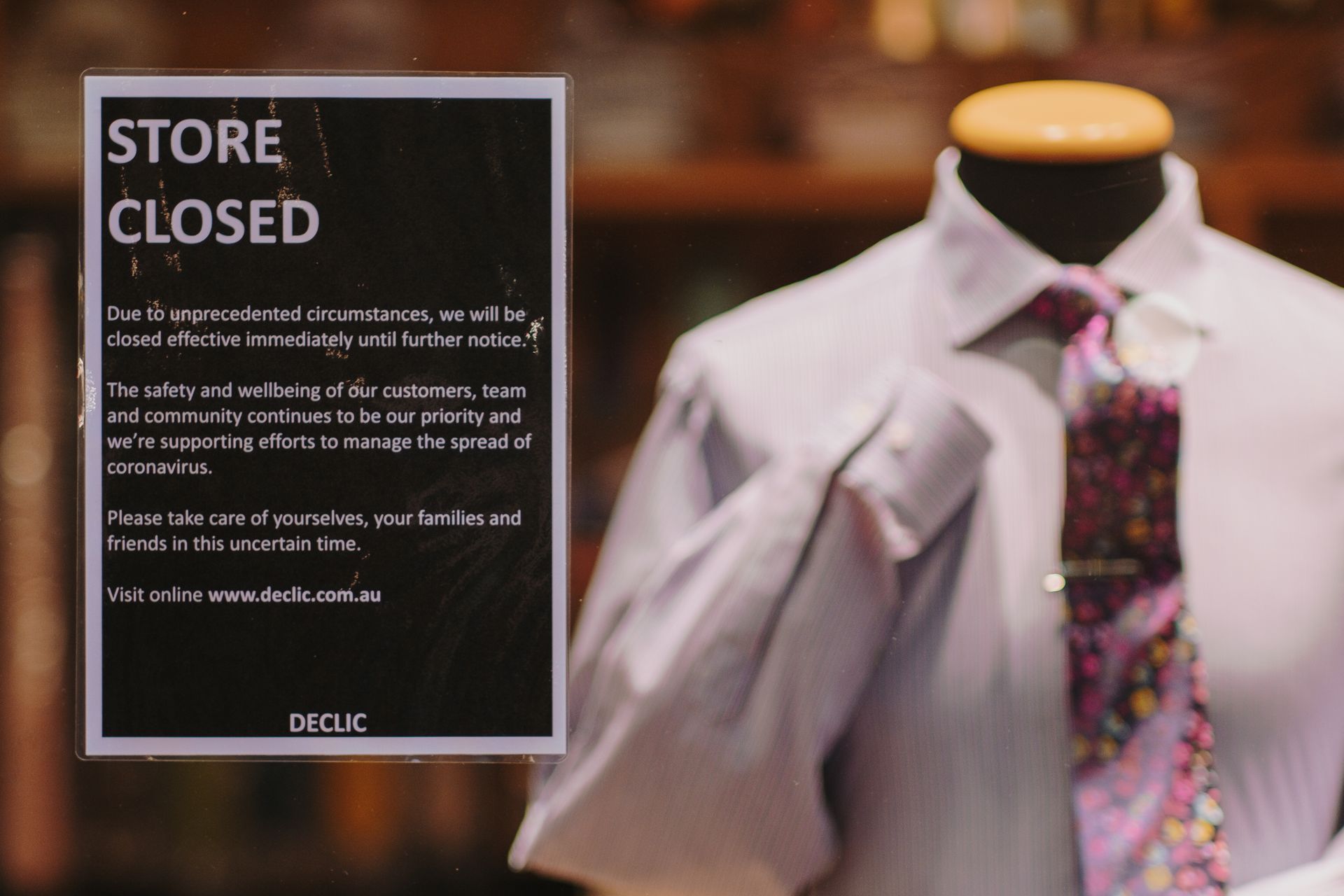
In 2000, Montgomery Ward announced it would cease operating and close its remaining 250 retail outlets, leaving 37,000 employees without jobs.
Government Seizure
In April 1944, U.S. Army troops seized Montgomery Ward's Chicago offices due to the company's refusal to settle a nationwide strike.
The strike involved 12,000 workers and was a major concern for the Franklin D. Roosevelt administration, which was worried about the impact on wartime goods delivery.
President Roosevelt issued an executive order seizing all of Montgomery Ward's property nationwide eight months later.
The seizure was based on the War Labor Disputes Act and the President's power as commander-in-chief under the Constitution.
President Harry S. Truman ended the seizure in 1945, and the Supreme Court dismissed the pending appeal as moot.
The company's refusal to recognize unions and institute a collective bargaining agreement led to the government's intervention.
This event had a lasting impact on the company's history and operations.
Readers also liked: Nationwide International
Bankruptcy and Liquidation
Montgomery Ward filed for Chapter 11 bankruptcy in 1997. This was a major setback for the company, which was struggling to compete with low-price retailers like Target and Walmart.
By 1999, Montgomery Ward emerged from bankruptcy as a wholly owned subsidiary of GE Capital. However, GE Capital reneged on its promises of financial support, leaving the company in a precarious position.
In 2000, Montgomery Ward announced that it would cease operating, close its remaining 250 retail outlets, and lay off its 37,000 employees. This was a devastating blow to the company and its employees.
The company's attempts to rebrand and renovate its stores were unsuccessful in stemming the tide of decline. Despite its efforts, Montgomery Ward was unable to recover from the losses it had incurred.
Here are some key dates in the bankruptcy and liquidation of Montgomery Ward:
- 1997: Montgomery Ward files for Chapter 11 bankruptcy
- 1999: Montgomery Ward emerges from bankruptcy as a wholly owned subsidiary of GE Capital
- 2000: Montgomery Ward announces its closure and layoff of 37,000 employees
- December 28, 2000: Montgomery Ward ceases operating
Online Presence
Montgomery Ward's online presence has a fascinating history. The company was relaunched as an online and catalog-based retailer in June 2004, with no physical stores.
The new online store was headquartered in Cedar Rapids, Iowa. DMSI, the company behind the relaunch, made it clear that they wanted to rebuild the brand from scratch.
In 2008, the company's assets were put up for auction, but Swiss Colony stepped in and purchased DMSI. The Wards website was relaunched on September 10, 2008, with new catalogs mailing out in February 2009.
Montgomery Ward products, including the Chef Tested home and kitchen brand, are still sold on Amazon.com today.
As Online Retailer
As an online retailer, Montgomery Ward has had its fair share of ups and downs. In 2004, DMSI applied the brand to a new online and catalog-based retailing operation in Cedar Rapids, Iowa.
The new company, operating under the Montgomery Ward branding, started selling many of the same kinds of products as the original company in June 2004.
This online venture marked a significant shift for the brand, allowing it to reach a wider audience and expand its product offerings.
The new Montgomery Ward online store did not, however, honor its predecessor's obligations, such as gift cards and items sold with a lifetime guarantee.
Broaden your view: Employment Relations Act 2004
Beware of I Open Account

Beware of Montgomery Ward if you open an account with them. They may check your credit, but it's not just a one-time thing.
Some customers have reported being repeatedly checked, even after years of good service. This can be frustrating and may make you regret opening an account.
I've heard from one customer who was treated poorly by Montgomery Ward's customer service. They were called a liar and talked over, which is not how you want to be treated when trying to resolve an issue.
If you value good customer service, you may want to think twice about opening an account with Montgomery Ward. They may not be the best choice for everyone.
Readers also liked: Why Does Trump Want a Recession
Received a Mail
If you're like the person who got a mailing from Montgomery Ward, you might be surprised to see a large bill for sales tax.
Apparently, Montgomery Ward doesn't include sales tax in their initial mailings, so you'll get a separate notice for the tax on all your purchases for the year.
Your friend might receive the same notice, and it's not a pleasant surprise to see a big bill out of nowhere.
Some companies might not include sales tax in their initial mailings, so be prepared for a separate notice later on.
You'll need to pay the sales tax on all your purchases, which can add up quickly.
It's always a good idea to review your bills carefully to make sure you're not caught off guard by unexpected charges.
Shopping Experience
Shopping experience with Montgomery Ward can be quite varied. Some customers have reported issues with excessive credit usage, with one customer stating they had their credit taken for "to many orders" during the Christmas season.
On the other hand, many customers have had pleasant experiences with Montgomery Ward. They appreciate the quality of the products, with one customer praising the "good" quality of their bedroom linen and kitchen items.
Monthly payment arrangements are also a plus for some customers. One customer found the arrangement "excellent" and appreciated the option to pay over time.
On a similar theme: How Does Your Business Innovate or Add Value for Customers
Customer service is a crucial aspect of any shopping experience, and Montgomery Ward seems to have it down. One customer was impressed with the comprehensive English spoken by customer service representatives, indicating an American-based company.
In some cases, issues can arise with orders. One customer was short one item and contacted customer service, which resolved the problem promptly and shipped the item immediately.
Broaden your view: Collection Item
Customer Stories
Montgomery Ward has a long history of customer satisfaction, with many customers raving about their shopping experience.
The company's commitment to customer service is evident in its 24/7 customer support, which is available to help with any questions or concerns.
One customer, who purchased a TV from Montgomery Ward, reported that the delivery team was friendly and efficient, with the TV arriving at their doorstep within a few days.
The company's return policy is also a major plus, allowing customers to return items within 30 days with no restocking fees.
Many customers have praised Montgomery Ward for its wide selection of products, which includes everything from electronics to home appliances.
Curious to learn more? Check out: Reg B 30 Days
Frequently Asked Questions
Who was first, Sears or Montgomery Ward?
Aaron Montgomery Ward launched the first general-purpose catalog sales in 1872, beating Richard Sears' similar venture by 21 years. Montgomery Ward's pioneering effort paved the way for mail-order shopping in the United States.
Featured Images: pexels.com