
Money markets accounts are a type of savings account that offers a safe and liquid place to park your money.
They typically earn a higher interest rate than a traditional savings account, but the rates can vary depending on market conditions.
What Is Money Market Account
A money market account is an interest-bearing account at a bank or credit union. Most people use it to earn a higher interest rate than a regular savings account.
Money market accounts typically pay a higher interest rate than regular savings accounts, making them a great option for those looking to grow their savings over time.
They often come with features like check-writing and debit card privileges, giving you more flexibility to access your money when you need it.
Most money market accounts have some restrictions, making them less flexible than a regular checking account.
Features and Benefits
Money market accounts are insured by the FDIC, which provides a safe and secure place to keep your money.
They offer higher interest rates than traditional savings accounts, with some MMAs earning up to 2.5 times more in interest. This is because they're permitted to invest in certificates of deposit, government securities, and commercial paper, which savings accounts cannot do.
To earn these higher interest rates, you'll typically need to maintain a minimum balance requirement, which can range from $2,500 to $10,000 or more, depending on the institution.
Money market accounts also offer easy access to your funds, allowing you to withdraw cash or transfer money between accounts at the same institution. You can even use a debit card or checks to make transactions without having to transfer funds first.
Some MMAs come with added features like check-writing privileges and debit card usage, making your funds more liquid than a standard savings account. However, be aware that failing to maintain the minimum balance requirement might result in fees or lower interest rates.
Overall, money market accounts offer a great balance of flexibility and earning potential, making them a solid choice for those looking to grow their savings.
How Money Market Accounts Work
Money market accounts are designed for those who want competitive interest rates with some degree of liquidity. They function similarly to a savings account but have some distinct features.
To set up a money market account, you can visit a credit union or bank and provide personal information, meet the institution's minimum deposit requirements, and understand the account's terms and conditions. This usually involves a one-time process.
The interest rates on money market accounts are typically higher than standard savings accounts. The interest is calculated using the daily balance method to ensure every cent earns interest daily. This interest is also compounded, calculated on the principal and the accumulated interest.
Money market accounts are highly liquid, allowing you to access your funds quickly. These accounts also come with added conveniences like writing checks and using debit cards. You can make deposits, withdrawals, and transfers using an ATM or a debit card.
Consider reading: Loan Using Home as Collateral
Transaction limits do apply to money market accounts, but they offer transactional flexibility. You should be aware of these limits before opening an account.
Here's a quick rundown of the key features of money market accounts:
- Interest rates: Higher than standard savings accounts
- Interest calculation: Daily balance method with compounding
- Liquidity: Highly liquid, allowing quick access to funds
- Conveniences: Writing checks, using debit cards, and making deposits, withdrawals, and transfers
- Transaction limits: Apply to money market accounts
History and Overview
Money market accounts have a fascinating history that dates back to the 1970s when money market mutual funds were introduced.
Until the early 1980s, banks and credit unions were limited by a cap on the interest rates they could offer on savings accounts.
To attract deposits, many institutions gave out small appliances like toasters and waffle irons, and other incentives.
The Garn-St. Germain Depository Institutions Act of 1982 changed the game, allowing banks and credit unions to offer money market accounts with higher interest rates.
Money market accounts are also known as money market deposit accounts, or MMDAs for short.
Banks and credit unions typically require customers to deposit a certain amount of money to open an account and to keep their balance above a minimum level.
If you don't meet these requirements, you may be hit with a monthly fee.
Check this out: If Someone Deposits Money into a Checking Account the Banks
Advantages and Disadvantages
Money market accounts offer a unique combination of benefits and drawbacks that are essential to consider before opening one. One of the most significant advantages is the high interest rates they provide, often higher than traditional savings accounts.
Some MMAs come with debit cards that allow direct access to your funds at ATMs or point-of-sale transactions. This adds another layer of convenience to the account.
MMAs are insured by the National Credit Union Administration (NCUA) when held at credit unions and the Federal Deposit Insurance Corporation (FDIC) when held at banks. This means your deposits are safeguarded up to $250,000 to protect you if the institution fails.
However, MMAs also have some limitations. For example, they have a transaction limit that caps the number of certain transaction types you can make each month. This restricts activities like electronic transfers, check-writing and debit card transactions.
Exceeding this limit often results in fees, which can erode the interest earned. Common charges include maintenance fees, excessive transaction fees, or penalties for failing to maintain the minimum balance.
Here are some of the key disadvantages of MMAs:
- Limited transactions
- Fees
- Minimum balance requirements
These requirements can be a significant drawback for some people, especially those who need to make frequent transactions or have difficulty maintaining a minimum balance.
Comparison and Alternatives
Money market accounts have alternatives that can be just as competitive or even superior. Banks and credit unions offer many types of accounts that can make them competitive with or superior to money market accounts.
If you're looking for alternatives to money market accounts, you can consider savings, checking, or certificates of deposit (CDs). Savings accounts have variable interest rates, are federally insured, and don't allow checks or debit cards.
Checking accounts, on the other hand, have unlimited check-writing capabilities and a debit card, but interest rates are relatively low compared to money market accounts. CDs have fixed interest rates and are also federally insured, but they're time-bound savings instruments that lock in your money for a specified period.
Here's a comparison of money market accounts with other types of accounts:
Money market accounts offer a balance between liquidity and competitive interest rates, making them a viable option for those looking for a personal investing instrument.
vs. Other
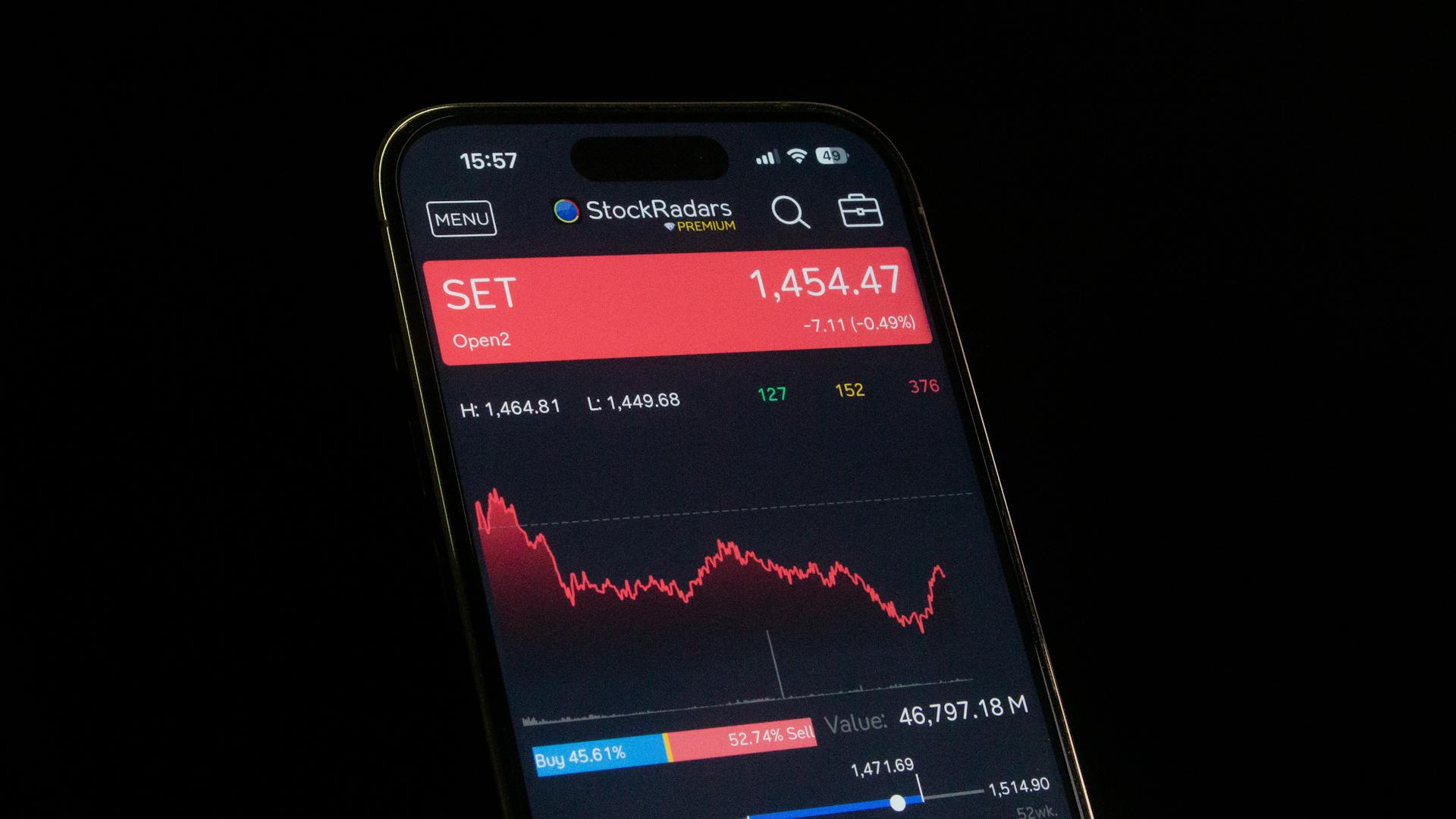
So, you're considering a Money Market Account, but you're not sure if it's the right choice for you. Let's take a look at how it stacks up against some other options.
Money Market Accounts are federally insured, which means your deposits are protected up to $250,000. This is a big plus, especially if you're worried about losing your money.
Here are some key differences between Money Market Accounts and other types of accounts:
As you can see, Money Market Accounts offer a good balance of flexibility and security. They're a great option if you want to earn interest on your money while still having some ability to access it when you need it.
Alternatives to MMAs
Banks and credit unions offer many types of accounts, some with features that can make them competitive with—or superior to—money market accounts.
Some of these alternatives include checking accounts with high-yield interest rates, which can earn you more interest than a traditional money market account.
High-yield savings accounts are another option, offering liquidity and flexibility, similar to money market accounts.
You can also consider certificates of deposit (CDs) for a fixed rate of return, but be aware that you'll need to keep your money locked in the CD for a set period of time.
Banks and credit unions are also offering more flexible and higher-yielding time deposit accounts, giving you more options than traditional money market accounts.
Worth a look: Time in the Market vs Timing the Market Graph
Difference Between Checking Accounts
Checking accounts are primarily transactional, designed to facilitate a high volume of incoming and outgoing transactions.
They have unlimited check-writing capabilities and a debit card, making it easy to pay bills and transfer funds.
Checking accounts may earn interest, but the rates are relatively low compared to money market accounts.
Some checking accounts require a minimum balance, but it's often lower than the minimum balance required for money market accounts.
Checking accounts are not the best option for long-term savings, as the interest rates are not competitive with other savings instruments.
See what others are reading: Which of the following Is Not a Money Market Security
Money market accounts, on the other hand, offer liquidity and competitive interest rates, making them a great alternative for saving money.
Money market accounts come with features like limited check-writing capabilities and a debit card, but they often require a higher minimum balance.
In contrast to money market accounts, certificates of deposit (CDs) and share certificates are time-bound savings instruments that offer higher interest rates for a fixed period.
However, CDs and share certificates come with a penalty fee for premature withdrawals, making them less liquid than money market accounts.
You might like: Share Secured Loan Build Credit
Key Considerations
To make the most of a money market account, you'll need to consider a few key factors. Money market accounts are suited for short-term goals, not long-term financial planning.
To get the best interest rates, look for institutions that offer tiered rate structures, where the more money you invest, the more interest you'll earn. This can help your account grow faster over time.
Here's an interesting read: Short Term Loan Uw
Before choosing a money market account, evaluate your finances to ensure you can maintain the required minimum balance, usually around $2,500. If you dip below this amount, you may be charged a fee.
Here are some key features to look for in a money market account:
- Debit card and check-writing privileges for easy access to your funds.
- Digital banking capabilities for hassle-free transactions.
- A minimum balance requirement to avoid fees.
- A tiered rate structure for higher interest earnings.
- Up to 3 withdrawals per month without penalty.
Deposit Protection
Deposit Protection is a top priority for anyone considering a Money Market Account (MMA). Your deposits are insured up to $250,000 per depositor, per institution, per ownership category by the FDIC or NCUA.
This means that even if the bank or credit union experiences financial difficulties, your money is safe. For joint accounts, each co-owner is covered up to $250,000, for a total of $500,000 in protection.
FDIC or NCUA deposit protection is available for MMAs held at federally insured banks or credit unions.
On a similar theme: Does Fdic Insurance Cover Multiple Accounts Same Bank
How to Choose the Best
Choosing the right money market account is crucial to growing your savings. Consider your minimum balance requirements, as MMAs typically require a balance in the thousands of dollars to avoid fees.

Make sure you won't need to tap into the money before the term ends, as dipping below the minimum balance can result in a fee.
Look for the best interest rate you can get, as a tiered rate structure can help your account grow faster with more money invested.
At Oxford Federal Credit Union, they don't charge early withdrawal fees and monthly maintenance fees for their money market accounts, which is a significant advantage.
You can typically make up to 3 withdrawals per month without incurring a penalty, so consider how frequently you'll need access to your funds when choosing a money market account.
Intriguing read: Do I Need Disability Income Insurance
Conclusion and Safety
Money market accounts are a safe way to save your money, thanks to the Federal Deposit Insurance Corporation (FDIC) that insures them.
The FDIC covers certain types of accounts, including money market accounts, up to $250,000 per depositor per bank.
Joint accounts are insured for $500,000, which is a great option for couples or business partners who want to pool their funds.
If you have other insurable accounts at the same bank, such as checking or savings accounts, they all count toward the $250,000 insurance limit.
This means you can have multiple accounts at the same bank and still be fully insured up to $250,000.
Frequently Asked Questions
What is the best money market account right now?
The top money market accounts currently offer APYs ranging from 3.50% to 4.01%, with the highest rates available at UFB Direct and Republic Bank of Chicago. For the highest returns, consider exploring these top options for your savings needs.
Featured Images: pexels.com