The Malaysian Electronic Payment System has come a long way since its inception. The country's first electronic payment system, known as the Electronic Data Capture (EDC) system, was introduced in 1997.
The EDC system enabled merchants to process credit card transactions electronically, marking the beginning of a new era in electronic payments. This innovation paved the way for the development of more advanced payment systems.
In 2000, the Automated Clearing House (ACH) system was introduced, allowing for the electronic transfer of funds between banks. This system has since become a crucial component of Malaysia's electronic payment infrastructure.
Malaysia's electronic payment system has continued to evolve, driven by government initiatives and the increasing demand for digital payments.
History and Formation
Malaysian Electronic Payment System has a rich history of innovation and collaboration.
MyClear, a wholly-owned subsidiary of Bank Negara Malaysia, merged with Malaysian Electronic Payment System (MEPS) in 2017 to form Payments Network Malaysia Sdn Bhd (PayNet).
Check this out: Malaysian Government Securities
The merger aimed to increase synergies and efficiencies through coordinated strategies for the development of shared payment infrastructures under a single entity.
PayNet is jointly owned by Bank Negara Malaysia and the financial services industry, with a mission to enhance Malaysia's growth potential through the provision of world-class payment systems.
Bank Negara Malaysia's Governor Datuk Seri Muhammad Ibrahim witnessed the signing ceremony of the merger between MyClear and MEPS in 2017.
Discover more: Bank Tabungan Negara
Digital Payment System
PayNet's Digital Payment Ecosystem is a game-changer for Malaysians, enabling users to send funds using just mobile numbers or MyKad numbers, eliminating the need to remember complex bank account details.
DuitNow, PayNet's flagship real-time payment system, processes millions of instant transfers daily, with 42 participating banks and over two million DuitNow QR touchpoints nationwide.
DuitNow QR has become Malaysia's national QR standard for retail payments.
For businesses, DuitNow offers easy payment reception, improving cash flow management and reducing reconciliation complexity.
Financial institutions benefit from standardised infrastructure, reducing operational expenses and technical complexity.
IBG, PayNet's Interbank GIRO system, handles large-value and bulk payments, processing billions of ringgit daily, and offers higher transfer limits, lower costs, and scheduled payments.
Here are some key benefits of DuitNow and IBG:
Digital Payment Ecosystem
PayNet's Digital Payment Ecosystem is a game-changer for Malaysians, transforming the way people transfer money by enabling users to send funds using just mobile numbers or MyKad numbers.
DuitNow, the company's flagship real-time payment system, handles millions of instant transfers daily, processing transactions from 42 participating banks.
This system has become Malaysia's national QR standard for retail payments, with over two million DuitNow QR touchpoints nationwide.
PayNet's Interbank GIRO (IBG) system serves as the backbone of the country's large-value and bulk-payment needs, handling transaction values that can reach billions of ringgit daily.
IBG offers near-instant transfer capabilities, making it an ideal choice for corporate Malaysia's systematic payment needs, such as payroll disbursement or regular payments.
You might like: Special Needs Trust Trustee
MyDebit, Malaysia's national debit card infrastructure, has enabled the country to fully migrate from magnetic stripe to chip-based ATM cards, setting the standard for fraud prevention.
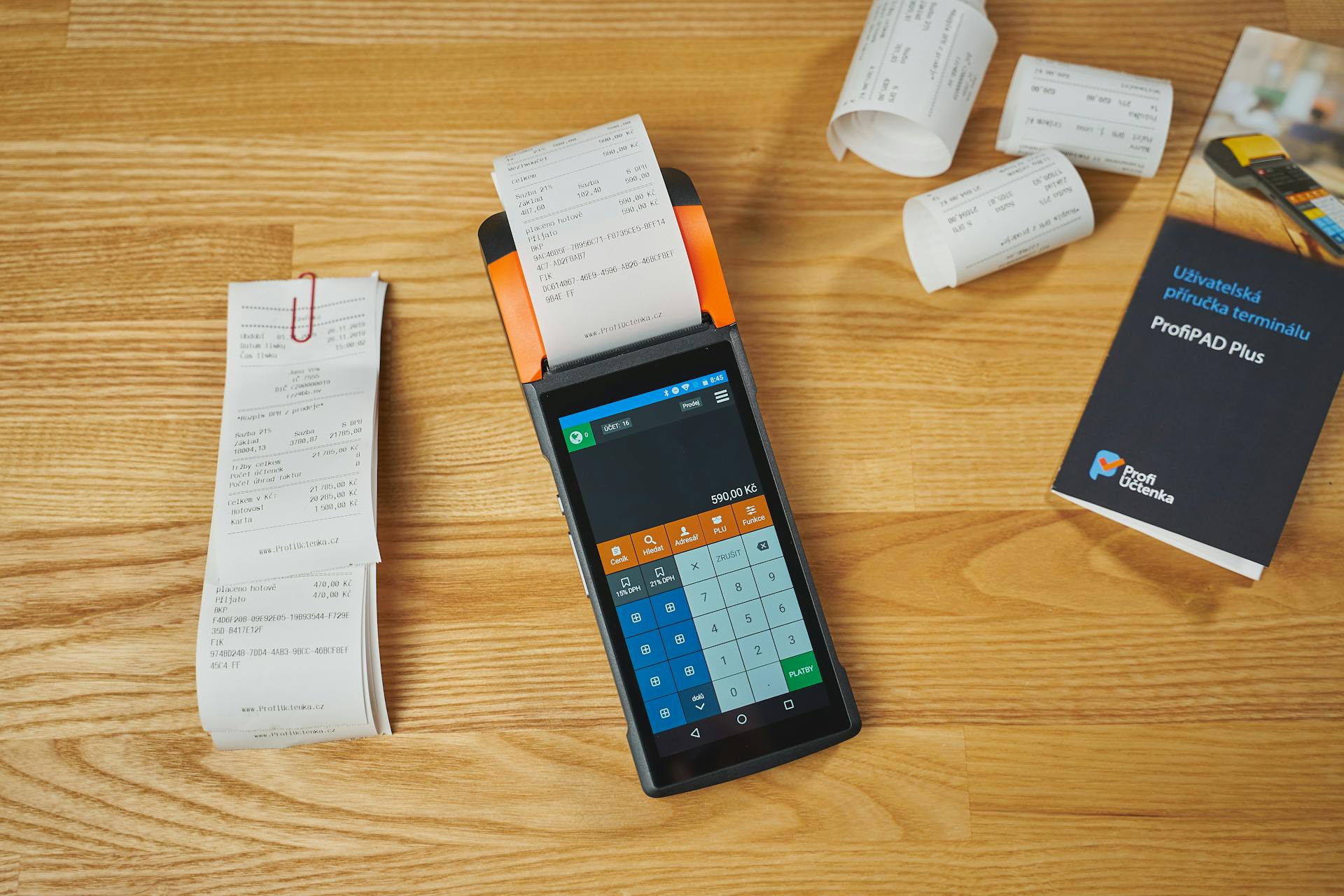
Today, MyDebit's reach extends across point-of-sale (POS) terminals available nationwide, enabling Malaysian cardholders to make cashless payments at everything from major retail chains to neighbourhood shops.
PayNet has also established seamless payment corridors across Asean's major economies, enabling cross-border point-of-sale payments between Malaysia's MyDebit and Singapore's Network for Electronic Transfers (NETS).
Digital Economy Commitment
In Malaysia, the digital economy is a top priority, with efforts to combat online financial fraud and make digital payments accessible to all. Bank Negara Malaysia (BNM) and PayNet have launched the national fraud portal (NFP) to enhance the tracing of stolen funds and automate the detection of scams.
The NFP has reduced fund tracing time by 75% and facilitated a 33% increase in frozen illicit funds. This achievement is partly due to PayNet's migration of its reporting services to a modern data analytics platform on Amazon Web Services (AWS).
PayNet's efforts in combating fraud have also improved security across its payment systems, allowing it to uncover fraudulent activities more effectively using artificial intelligence (AI). The company has also introduced innovative solutions like the Dynamic DuitNow QR Sound Box, which provides real-time payment confirmation for merchants.
PayNet is also committed to making digital payments accessible to all Malaysians, particularly small and medium enterprises. The company has launched PayNet Cambah, an initiative that equips these businesses with the skills and knowledge to leverage digital payments in their operations.
Here are some key benefits of PayNet's initiatives:
- 75% reduction in fund tracing time
- 33% increase in frozen illicit funds
- 45% improvement in mule account detection rates
- Over 20 million payment transactions processed daily
By investing in digital technologies and providing training and support, PayNet is helping to build a more secure and inclusive digital economy in Malaysia.
PayNet's Overview
PayNet is a key player in Malaysia's digital payment ecosystem, with a long-term vision to support the government's digital transformation agenda.
The company has already achieved significant success, with nine government agencies reaching over 95% digital payment adoption in 2023, processing transactions worth RM124.4 million.
PayNet's infrastructure modernization plans include leveraging cloud technology and AI for enhanced payment processing capabilities, aiming to increase system resilience and scalability as Malaysia's digital transaction volumes continue to grow.
The company serves as a model for other Asean nations developing their digital payment capabilities, with its infrastructure and expertise playing a crucial role in shaping the region's digital payment landscape.
PayNet has successfully established cross-border payment corridors with neighboring countries, including Singapore, Indonesia, Thailand, and China, and plans to expand these connections to more countries in the region.
Consider reading: Consists of Giving or Loaning Money to Other Countries
Awards and Recognition
MEPS has received numerous awards and recognitions for its outstanding performance and commitment to quality.
The company is accredited with the ISO / IEC 27001 for Information Security Management System (ISMS), ensuring the highest level of security for its customers.
MEPS is also certified with the ISO 9001: 2008 Quality Management System, demonstrating its dedication to quality and customer satisfaction.
Check this out: ISO 4217
Additionally, MEPS has been recognized by the Malaysian Book of Records as the First IT Company to be Certified from Islamic Perspectives.
This achievement showcases MEPS' commitment to Islamic values and principles in its operations.
MEPS has also been named as one of the Top Ten Favourite Brands by Superbrands Malaysia, a testament to its strong brand reputation and customer loyalty.
In 2015, MEPS received the Highly Commended award for the Best Peer-to-Peer Payments Initiative at the Cards & Electronic Payments International (CEPI) Asia Payment Awards.
Here are some of the notable awards and recognitions received by MEPS:
- ISO / IEC 27001 for Information Security Management System (ISMS)
- ISO 9001: 2008 Quality Management System
- MS 1900: 2005 Quality Management Systems – Requirements from Islamic Perspectives
- Malaysian Book of Records as the First IT Company to be Certified from Islamic Perspectives
- Top Ten Favourite Brands by Superbrands Malaysia
- 2015 Cards & Electronic Payments International (CEPI) Asia Payment Awards – Best Peer-to-Peer Payments Initiative (Highly Commended)
Legacy and Future
PayNet's legacy and long-term vision are deeply rooted in the government's digital transformation agenda. The company has made significant progress in this area, with nine government agencies achieving over 95% digital payment adoption in 2023.
In fact, these agencies processed transactions worth RM124.4 million, setting a strong foundation for broader government-wide digital payment adoption. This is a testament to PayNet's commitment to enhancing payment efficiency and reducing operational costs.
PayNet's infrastructure modernisation plans are also worth noting, as the company aims to leverage cloud technology and AI for enhanced payment processing capabilities. This will increase system resilience and scalability, keeping pace with Malaysia's growing digital transaction volumes.
By strengthening its position as Asean's digital payment hub, PayNet is poised to play a crucial role in shaping the region's digital payment landscape. This is particularly evident in its cross-border payment corridors with Singapore, Indonesia, Thailand, and China.
Frequently Asked Questions
What payment method does Malaysia use?
Malaysia prefers digital and cashless payment methods, including A2A, digital wallets, credit and debit cards, and more. Popular options include Buy Now Pay Later (BNPL) and prepaid cards.
Featured Images: pexels.com